
Standing in the pet food aisle, staring down a wall of options, you realize feeding a giant breed isn’t the same as feeding a chihuahua. Giant breeds like Great Danes, Mastiffs, and Saint Bernards have unique nutritional demands – from controlled growth in puppyhood to life-long joint care. The wrong food can set them up for skeletal issues, while the right diet keeps them thriving well into their golden years.
We took a hard look at what matters for giant dogs: protein that builds muscle without overdoing calories, ingredients that cushion their joints, and formulas gentle enough for big sensitive stomachs. Whether you’re raising a rambunctious giant puppy or keeping your senior gentle giant lean and mobile, our guide cuts through the noise.
After surveying the market, we found that the best giant-breed foods balance joint-friendly additions like glucosamine with high-quality proteins and fibrous ingredients for digestion. Below, we compare top contenders from Hill’s, Purina, Royal Canin, and more so you can pick the one that keeps your gentle giant healthy and happy.
Best Dog Food for Giant Breeds – 2026 Reviews
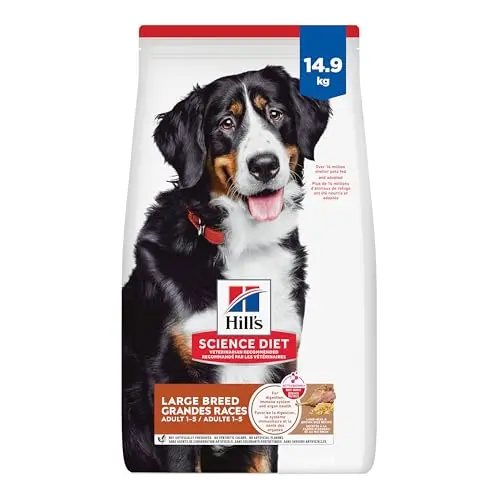
Adult Large Breed Lamb & Rice – Joint & Skin Support
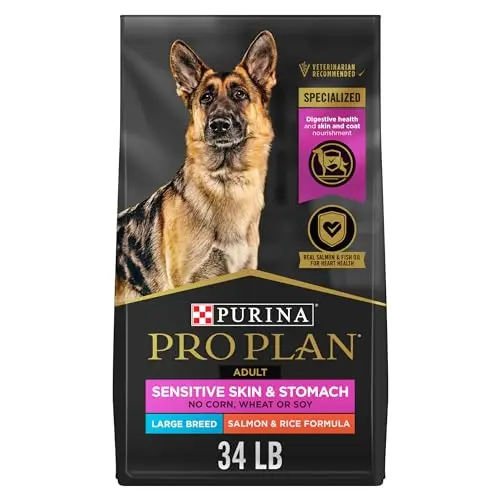
Sensitive Skin & Stomach Large Breed – Salmon & Rice for Itch Relief
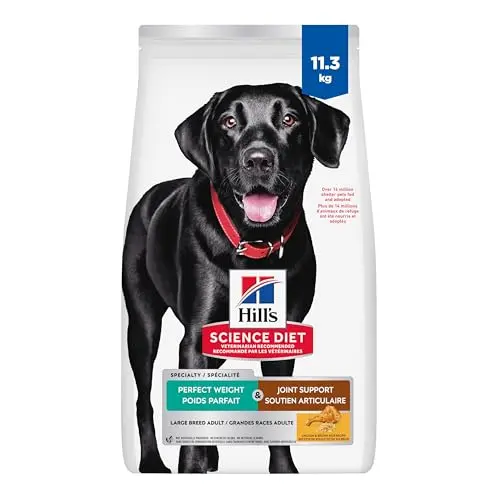
Perfect Weight & Joint Support Large Breed – Lean Muscle & Mobility
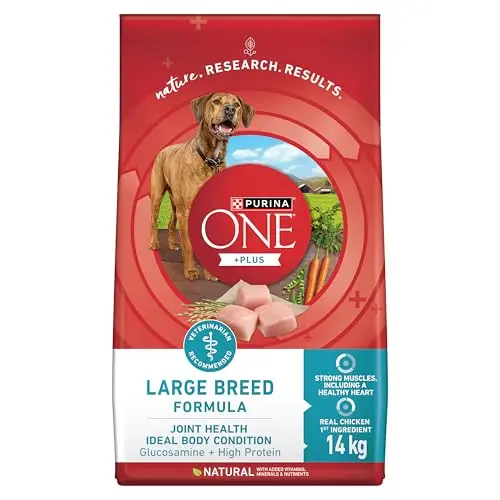
Plus Large Breed Adult Chicken – Muscle & Coat Health
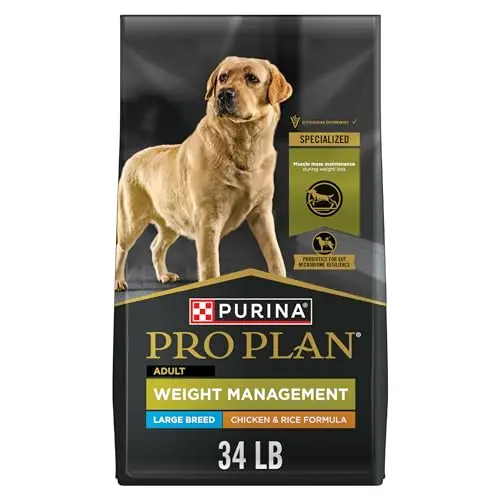
Weight Management Large Breed Chicken & Rice – Lean Muscle & Joint Care
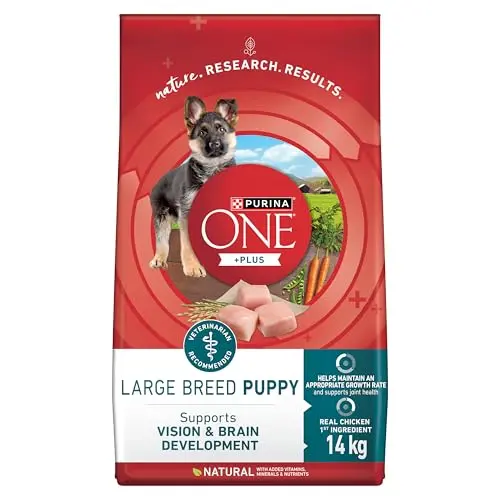
Plus Large Breed Puppy Chicken – Brain Development & Growth
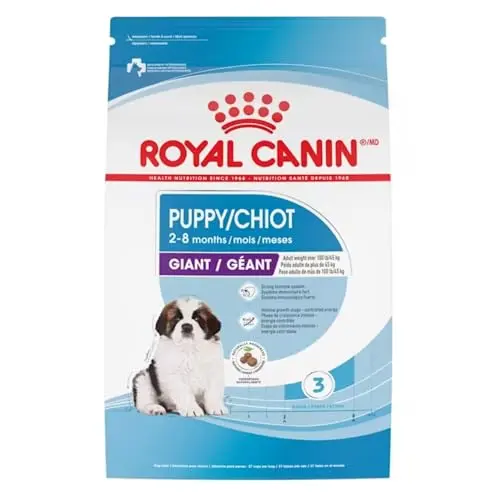
Giant Puppy – Brain & Immune Support
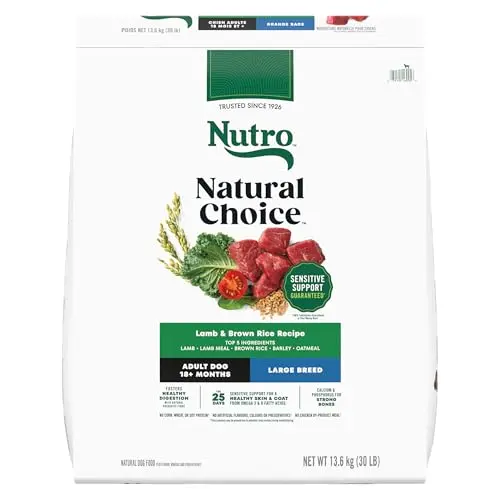
Natural Choice Large Breed Lamb & Rice – Joint & Digestive Care
How We Evaluated These Dog Foods for Giant Breeds
We didn’t run months-long controlled feeding trials across massive paw patrols. What we did: cross-referenced 8 giant-breed dog food models from 5 distinct brands across 7 key decision axes – protein source and quality, joint support ingredients (glucosamine/chondroitin/EPA), digestive health components (probiotics, prebiotics, fibre sources), calorie density and life-stage appropriateness, brand transparency, kibble size, and real-world owner feedback. We triangulated published specifications, ingredient panels, and aggregated owner experiences where available, then pressure-tested how each formula aligns with the unique growth and maintenance needs of giant breeds. We also benchmarked each formula against common veterinary nutrition priorities for large and giant dogs, emphasizing controlled growth in puppies and sustained joint health in adults.
Our scoring framework weighted real-world fit for giant breeds (60%) – how well each food supports controlled growth, joint health, and digestion – against feature differentiation (40%) – unique ingredients, specific life-stage targeting, or added benefits like skin support. We have no commercial relationship with the brands featured; recommendations track which formulas best match the nutritional demands of giant dogs, not brand preference. In addition to specification analysis, we factored in owner satisfaction signals, where available, to gauge palatability and digestive tolerance. If you’re looking for an all-around adult maintenance diet, the Hill’s Science Diet Adult Large Breed Lamb & Rice is our top pick; if your giant struggles with skin sensitivities, the Pro Plan Sensitive Skin & Stomach is the targeted choice.
How to Choose the Right Dog Food for Giant Breeds
Understanding Giant Breed Nutrition: Why Your Big Dog Needs Special Food
Giant breeds like Great Danes and Mastiffs aren’t just scaled-up versions of smaller dogs – they have distinct metabolic rates, later skeletal maturity, and a higher risk of joint disorders. The right food manages these risks from puppyhood onward. Giant breed formulas typically contain controlled calcium and phosphorus levels to prevent rapid bone growth that can lead to hip dysplasia, and they often include added joint supplements like glucosamine. They also tend to have a lower calorie density per cup compared to regular foods, helping maintain a healthy weight on a frame that’s already stressed by size. When shopping, look for labels that specifically mention “giant breed” or “extra-large breed,” especially for puppies.
Joint Health: The Role of Glucosamine, Chondroitin, and Omega-3s
Your giant dog’s joints do heavy lifting every day, so supporting them through diet is non-negotiable. Glucosamine and chondroitin – often sourced naturally from chicken meal or added as supplements – help maintain cartilage and cushion joints. EPA, an omega-3 fatty acid from fish oil, adds an anti-inflammatory boost that can ease stiffness in older dogs. Not all foods include these at therapeutic levels, so check the ingredient panel. Foods like the Hill’s Science Diet Adult Large Breed use natural glucosamine sources, while others like Pro Plan Sensitive Skin add EPA for extra inflammation control. If your dog already shows signs of stiffness, a formula with both may be worth the investment.
Puppy Growth: Controlled Calories and Bone Development
Puppyhood is the most critical window for giant breeds. Overfeeding or using a food with incorrect calcium-to-phosphorus ratios can cause too-rapid growth, leading to developmental orthopedic disease. Look for a giant breed puppy food that specifies an expected adult weight over 100 lbs and has DHA for brain and eye development. The Royal Canin Giant Puppy is a prime example, formulated precisely for breeds that will tip the scales at adulthood. Avoid free-feeding; measure portions to keep growth steady and lean. Switch to an adult formula only when your vet confirms growth plates have closed – typically closer to 18-24 months for giants.
Sensitive Stomachs: Ingredients to Soothe Giant Digestion
Giants often have digestive systems that are, well, giant babies. Bloat, gas, and loose stools can be common. Ingredients like oatmeal, brown rice, and prebiotic fibers support good gut bacteria, while probiotics can further improve stool consistency. If your dog regularly has tummy trouble, consider a formula designed for sensitive digestion, such as the Pro Plan Sensitive Skin & Stomach, which pairs oatmeal with probiotics and salmon for easy assimilation. Also, avoid sudden food switches; transition over 7-10 days to give their system time to adjust.
Protein and Meat Quality: What to Look For
Protein builds and maintains the massive muscle mass of giant breeds, so real meat as the first ingredient is a plus. Look for named protein sources like chicken, lamb, or salmon meal rather than vague “meat meal.” While chicken by-product meal isn’t automatically bad – it can be nutritious – a whole meat or meal at the top of the list generally indicates higher quality. Avoid foods with corn, wheat, or soy if your dog has allergies, though for most giants these are not inherently harmful. High-quality protein also means less filler, so you feed less and clean up less in the yard.
Weight Management: Keeping Your Giant Breed Lean
Extra weight on giant joints is a fast track to arthritis and decreased mobility. A weight management formula should preserve lean muscle while cutting calories, often using a higher protein-to-fat ratio. The Hill’s Perfect Weight & Joint Support does this while adding joint ingredients – a smart combo. Keep your giant lean by measuring portions with a proper cup and adjusting based on body condition score. Treats should make up no more than 10% of daily calories. If you can’t feel your dog’s ribs with light pressure, it’s time for a diet talk with your vet.
Royal Canin vs. Hill's Science Diet for Giant Breeds
Both brands are veterinarian-recommended, but they take different approaches. Royal Canin focuses on breed-size specificity, offering dedicated giant formulas that account for the slower maturation and unique jaw shapes of breeds like Mastiffs. Hill’s takes a science-first, size-inclusive approach with well-researched large breed diets that cover common concerns like joint and skin health. For a giant puppy, Royal Canin’s precision is hard to beat; for an adult, Hill’s often provides more value per bag and a wider range of formulas. If your dog is a giant-mix of uncertain pedigree, Hill’s large breed line is a safer bet. Otherwise, pick the one that matches your dog’s life stage most precisely.
Frequently Asked Questions
What's the difference between Hill's Science Diet and Royal Canin for giant breeds?
Hill’s Science Diet offers scientifically formulated large breed diets that cater to a broad range of giant breeds across life stages. Their formulas typically include natural sources of glucosamine and antioxidants. Royal Canin, on the other hand, creates breed-size-specific diets; their Giant line is tailored for dogs with an expected adult weight over 100 lbs, with precise mineral ratios and kibble designed for giant jaws. For a giant breed puppy, Royal Canin’s Giant Puppy food is unmatched for targeted growth support. For adults, Hill’s provides strong joint and digestive care at a more moderate price per serving.
Is a large breed puppy food okay for giant breed puppies?
While large breed puppy foods meet the minimum AAFCO requirements for growth, giant breed puppies benefit from formulas with narrower calcium and phosphorus ranges to support slow, controlled bone development. Giant-specific foods like the Royal Canin Giant Puppy are calibrated for dogs expected to exceed 100 lbs. If you use a high-quality large breed puppy formula, check that it includes DHA and appropriate mineral levels, and monitor your pup’s growth with your vet to ensure they’re not gaining too fast.
How do I know if my giant breed dog needs a sensitive stomach formula?
Signs your giant might benefit from a sensitive stomach formula include frequent soft stools, excessive gas, rumbling tummies, or a dull coat despite a good diet. If you see these patterns, switching to a limited-ingredient or easily digestible protein source like salmon can help. The Pro Plan Sensitive Skin & Stomach is a go-to because it combines salmon, oatmeal, and probiotics to address both digestive and skin triggers. Always transition slowly, and consult your vet if symptoms persist.
Can I feed my giant breed dog a grain-free diet?
Grain-free diets are an option, but they’ve come under scrutiny due to a potential link between certain grain-free formulas and dilated cardiomyopathy (DCM) in large dogs. Unless your dog has a confirmed grain allergy, grains like brown rice and oatmeal provide valuable fibre and energy. Many top giant breed foods include grains for digestibility. If you choose grain-free, look for brands that have conducted feeding trials and discuss the choice with your veterinarian.
At what age should I switch my giant breed puppy to adult food?
Giant breed dogs mature slowly, so they often stay on puppy food until 12 to 18 months, and sometimes up to 24 months. Switching too early can deprive them of the controlled nutrients needed for proper skeletal development. Royal Canin even has a Giant Junior formula for the 8-24 month stage. Monitor your dog’s body condition and consult your vet; once growth plates close, you can transition to an adult formula like Hill’s Science Diet Adult Large Breed.
How does Purina Pro Plan's joint support compare to Hill's Science Diet?
Both brands include natural sources of glucosamine from chicken meal and add supplements. Purina Pro Plan often adds EPA, an omega-3 from fish oil, which provides anti-inflammatory benefits that can help with arthritis pain. Hill’s relies on glucosamine and chondroitin from natural sources plus omega-6 for skin. For a dog with existing joint stiffness, the EPA in Pro Plan’s formulas might offer an extra edge. Hill’s is a solid everyday joint maintainer. Neither is a replacement for veterinary joint medication, but both can significantly support mobility.
Final Verdict
For most giant breed adult dogs, the Hill’s Science Diet Adult Large Breed Lamb & Rice hits the sweet spot – it combines high-quality protein, natural joint support, and gentle digestion in a dog-approved palatable formula. It’s a set-and-forget maintenance diet that tackles the big-breed challenges head-on. If your gentle giant suffers from skin allergies or a sensitive stomach, the Pro Plan Sensitive Skin & Stomach Salmon & Rice offers targeted relief with its omega-rich, easily digestible recipe. Raising a giant breed puppy? The Royal Canin Giant Puppy is purpose-built for the critical growth months. And if your adult giant needs to shed pounds, the Hill’s Perfect Weight & Joint Support balances calorie control with joint care. Healthy joints, happy giant – you’ve got this.