
If your husky turns up their nose at breakfast or struggles with loose stools, you’re not alone. These high-energy sled dogs are notorious for sensitive stomachs, often leaving pet parents scrambling to find a food that won’t trigger digestive upset. The right formula can mean the difference between a happy, active husky and one dealing with chronic tummy troubles.
After diving into the category, we found that the best options for sensitive huskies share a few non-negotiables: highly digestible proteins, gentle fibre sources, and targeted gut-support ingredients. Whether you’re managing occasional sensitivities or ongoing GI issues, this guide breaks down the top picks across leading brands to help you land on a kibble that works as hard as your husky does.
Best Dog Food for Huskies with Sensitive Stomach – 2026 Reviews
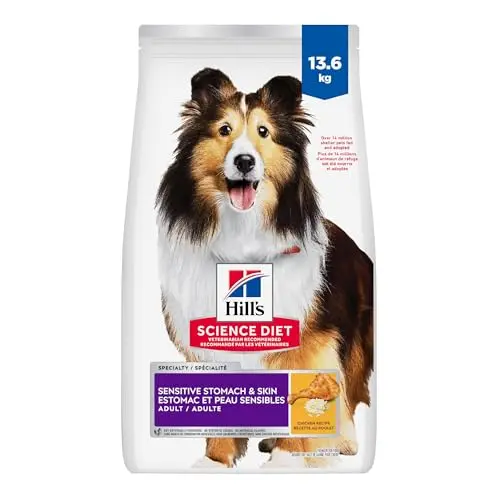
Sensitive Stomach & Skin Chicken Recipe – Vet-Recommended Digestive Care
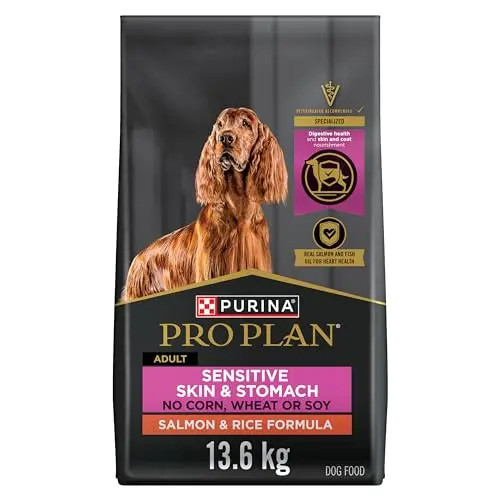
Sensitive Skin & Stomach Salmon & Rice – Omega-Rich Digestive Support
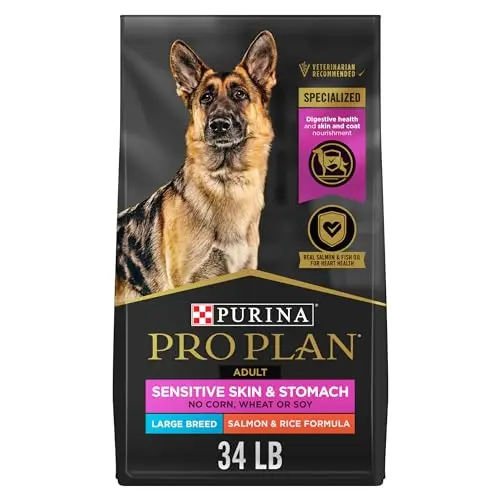
Large Breed Sensitive Skin & Stomach Salmon & Rice – Joint Support added
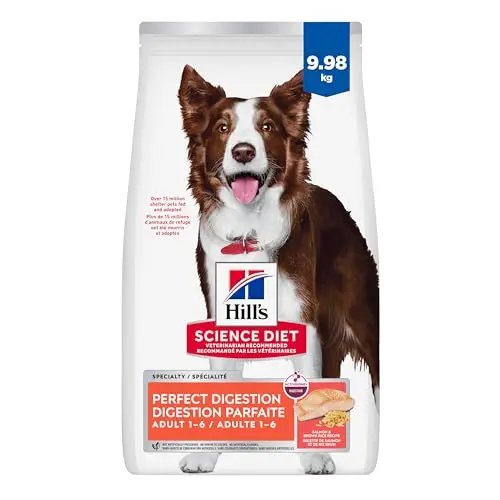
Perfect Digestion Salmon & Whole Oats – 7-Day Digestive Turnaround
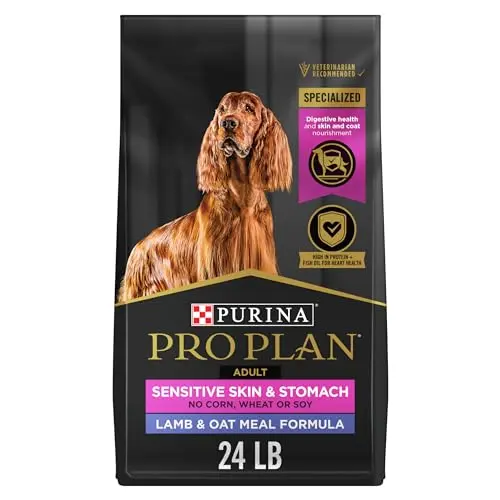
Sensitive Skin & Stomach Lamb & Oat Meal – Novel Protein Pick
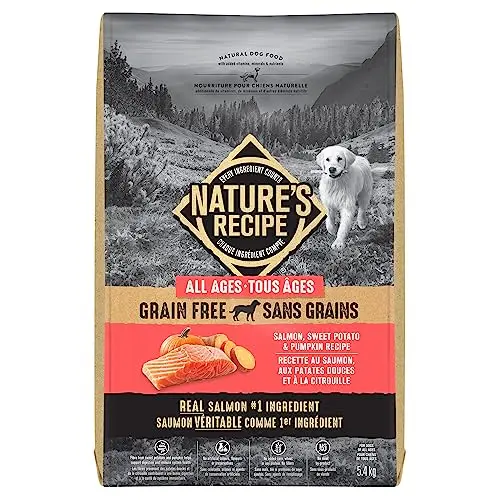
Grain-Free Salmon, Sweet Potato & Pumpkin – Value Digestive Support
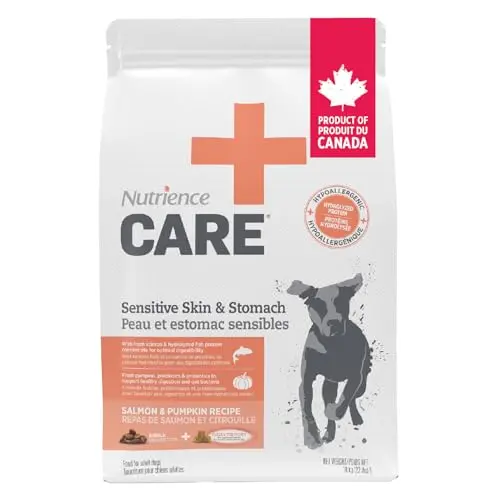
Care Sensitive Skin & Stomach Salmon – Canadian-Made Grain-Free
How We Evaluated These Dog Foods for Huskies with Sensitive Stomach
We didn’t run feeding trials or lab-based digestibility tests. What we did: cross-referenced 7 dog foods from 4 distinct brands across five decision axes-protein digestibility, fibre and prebiotic quality, skin-and-coat support, targeted digestive technology, and breed-relevant formulation. We triangulated published nutritional profiles, aggregated owner feedback patterns, and use-case fit against the specific needs of an active husky with a sensitive stomach.
The scoring framework weighted real-world digestive performance (60%)-how consistently each food delivered on stomach comfort and stool quality in owner reports-against feature differentiation (40%), including unique prebiotic blends, joint-support add-ons, and novel protein options. Recommendations track fit and differentiation, not brand preference; we have no commercial relationship with any of the manufacturers. If you’re looking for a proven all-rounder, the Hill’s Science Diet Sensitive Stomach & Skin is your best bet. If large-breed joint support matters, the Purina Pro Plan Large Breed formula is purpose-built for that.
How to Choose the Right Dog Food for Huskies with Sensitive Stomach
Why Huskies Often Have Sensitive Stomachs
Huskies are a working breed with a genetic history of thriving on protein-rich, often novel diets. Modern kibble can sometimes clash with that biology. Many huskies struggle with poultry proteins, grains, or artificial additives, leading to loose stools, gas, and inconsistent appetite. If your husky is also prone to skin issues-common in the breed-there’s a good chance the two are linked, and swapping to a limited-ingredient, highly digestible formula can address both problems at once.
Protein Source: Chicken, Salmon, or Lamb?
The protein choice is often the first lever to pull. Chicken is a widely available, easily digestible protein, but it’s also one of the most common food allergens for dogs. For huskies that have already shown sensitivity, salmon offers an omega-3-rich alternative that supports skin and coat while being gentle on the stomach. Lamb serves as a novel protein for dogs that react to both chicken and fish. Many owners find success by rotating proteins every few months to reduce the risk of new sensitivities. The Purina Pro Plan Lamb & Oat Meal is a strong choice if poultry and fish are off the table.
Grain-Free vs. Grain-Inclusive: What's Right for Your Husky?
The grain-free trend isn’t automatically better for sensitive stomachs-it depends on the individual dog. Whole grains like oat meal and brown rice are often easier to digest than legumes and can provide steady energy for active huskies. On the other hand, some dogs genuinely do better on grain-free recipes that use sweet potato or pumpkin as carb sources. If you’re uncertain, start with a grain-inclusive option like the Hill’s Science Diet Perfect Digestion and monitor stool quality. If issues persist, a grain-free alternative like Nutrience Care Sensitive Skin & Stomach might be worth a try. Always watch for signs of DCM-related concerns and discuss major dietary switches with your vet.
Prebiotics, Probiotics, and Digestive Enzymes
These three gut-health tools show up in many sensitive-stomach formulas. Prebiotics like beet pulp, chicory root, and oat fibre feed existing beneficial bacteria. Probiotics introduce live bacteria, though their potency in dry food can be variable. Some foods, like Nutrience with Digestiboost, also include digestive herbs like ginger and turmeric to further calm the GI tract. For a science-backed prebiotic blend, the Hill’s Perfect Digestion ActivBiome+ technology is specifically designed to promote regularity in as little as a week.
Large Breed Considerations for Huskies
Huskies are medium-to-large dogs with high energy, so joint support can become a factor as they age. The Purina Pro Plan Large Breed Sensitive Skin & Stomach formula adds glucosamine and EPA, which can help maintain mobility and reduce inflammation. Even if your husky isn’t a giant breed, the joint-nurturing ingredients provide a safety net for dogs that run, pull, and play hard. The larger kibble size also encourages chewing, which slows down fast eaters-a bonus for dogs prone to bloat.
Hill's Science Diet Sensitive Stomach vs. Purina Pro Plan Sensitive Skin & Stomach
Both are top-tier options, but they cater to slightly different priorities. Hill’s leans heavily on vet endorsement and uses a simple chicken-and-beet-pulp formula that’s been trusted for years; it’s the safer bet for a broad audience. Purina Pro Plan, especially in the salmon variant, offers a higher omega-3 load and appeals to dogs with chicken sensitivities. If joint health matters, carve out the Large Breed version. In terms of price, Purina often edges ahead in cost per meal, while Hill’s brings a longer track record of veterinary backing.
Frequently Asked Questions
How quickly can I expect to see improvement after switching my husky's food?
Most dogs start showing signs of digestive improvement within 5 to 10 days of transitioning to a sensitive-stomach formula. Some products, like Hill’s Science Diet Perfect Digestion, are specifically formulated to deliver results in as little as a week. Always transition gradually over 7-10 days by mixing the new food with the old to avoid further upset. If severe symptoms persist beyond two weeks, consult your veterinarian.
Should I choose grain-free food for my husky with a sensitive stomach?
Not necessarily. While some huskies do better on grain-free diets, many digest gentle grains like oat meal and brown rice without issue. Grain-free formulas often replace grains with legumes or potatoes, which can sometimes cause gas. Start with a grain-inclusive option like Purina Pro Plan Sensitive Skin & Stomach and monitor your dog’s response. If symptoms linger, a grain-free alternative like Nature’s Recipe is worth testing. Keep your vet in the loop, especially given the ongoing research on grain-free diets and canine heart health.
What's the difference between Hill's Science Diet Sensitive Stomach & Skin and Perfect Digestion?
Both target digestive health, but the formulas differ significantly. Sensitive Stomach & Skin uses chicken and beet pulp prebiotics to gently manage ongoing sensitivities and skin dryness; it’s a maintenance food. Perfect Digestion is a more targeted solution, with salmon, ActivBiome+ prebiotics, whole oats, and pumpkin designed to regulate stool and microbiome balance quickly-often within a week. If your husky has chronic loose stools, Perfect Digestion is the more aggressive fix. For general stomach sensitivity with skin involvement, the classic Sensitive Stomach & Skin is a solid, well-established choice.
Is the Purina Pro Plan Large Breed formula suitable for standard-sized huskies?
Yes. Huskies typically weigh 35-60 lbs, which overlaps with the target weight range for many large-breed foods. The Purina Pro Plan Large Breed Sensitive Skin & Stomach uses larger kibble pieces that encourage chewing, and the added glucosamine and EPA support joint health-a benefit for any active dog. The calorie density is comparable to standard formulas, so portion control based on weight and activity level is straightforward. If your husky is at the smaller end of the spectrum or a particularly fast eater, the standard salmon-and-rice version may be a better fit.
Can I mix different sensitive-stomach foods together?
It’s generally safe to mix two high-quality sensitive-stomach formulas, especially if you’re transitioning between them. However, doing so long-term can make it harder to pinpoint which ingredient is working-or causing issues. A better approach is to find a single food that covers most bases, then use toppers or supplements under veterinary guidance. If you do mix, stick to similar protein sources and fibre types to avoid digestive confusion. For example, pairing a salmon-based kibble with a salmon-based wet food is less disruptive than jumping between chicken and lamb formulas.
Final Verdict
For most husky owners dealing with sensitive stomachs, the Hill’s Science Diet Sensitive Stomach & Skin is the answer-it ticks every box for digestibility, vet endorsement, and skin support without complication. If your dog can’t tolerate chicken, the Purina Pro Plan Salmon & Rice offers a similarly robust digestive safety net with added omega-3s. For active huskies that need joint care baked in, the Large Breed formula is a smart, purpose-built upgrade. And when budget is the top concern, Nature’s Recipe Grain-Free delivers clean, gentle nutrition at a fraction of the cost. Whichever you choose, transition slowly, watch your husky’s energy and stool, and you’ll likely land on a happier gut.