
Watching your dog struggle to climb stairs or hesitate before jumping into the car is heartbreaking. Joint stiffness and reduced mobility are common issues, especially as dogs age, but the right nutrition can make a real difference. The best dog food for joints doesn’t just fill your dog’s bowl-it actively supports cartilage, reduces inflammation, and helps maintain a healthy weight to ease pressure on hips and elbows.
We analysed dozens of dry dog foods that claim to promote joint health, cutting through marketing hype to find formulas that actually deliver key nutrients like glucosamine, chondroitin, and omega-3 fatty acids. Whether your dog is a spry senior, a large breed prone to hip issues, or just needs a maintenance diet, this guide will help you pick the right food for your dog’s mobility and long-term comfort.
Best Dog Food for Joints – 2026 Reviews
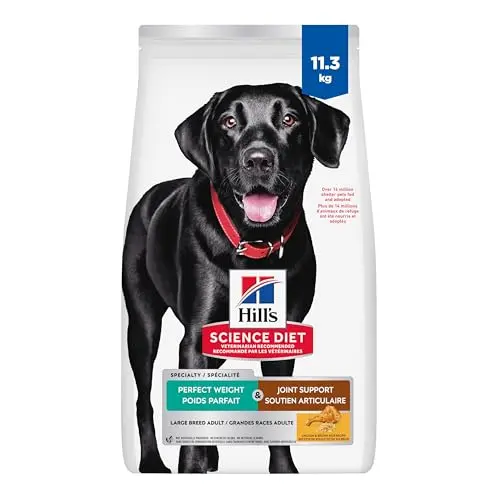
Perfect Weight & Joint Support Large Breed – Weight and Mobility Support
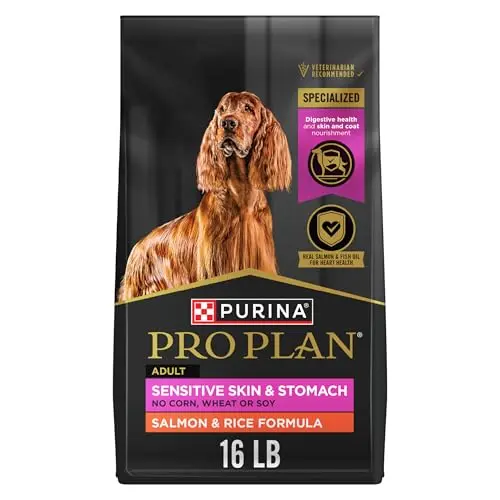
Sensitive Skin & Stomach Salmon & Rice – Joint and Digestive Care
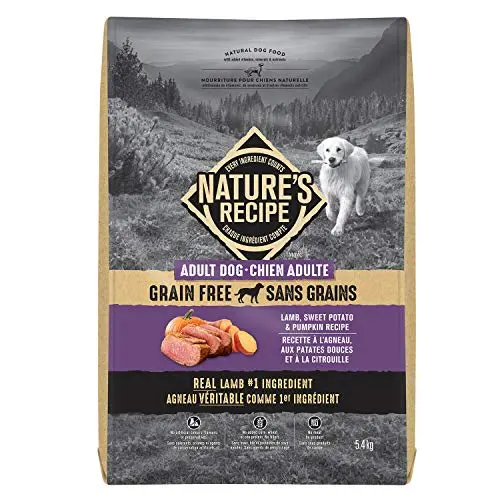
Grain Free Lamb, Sweet Potato & Pumpkin – Joint Support from Natural Sources
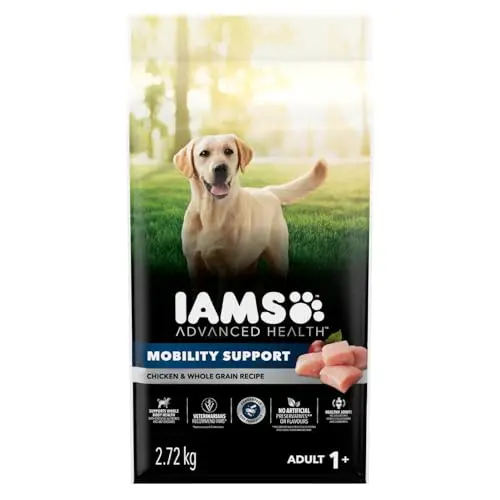
Advanced Health Mobility Support – Budget-Friendly Joint Care
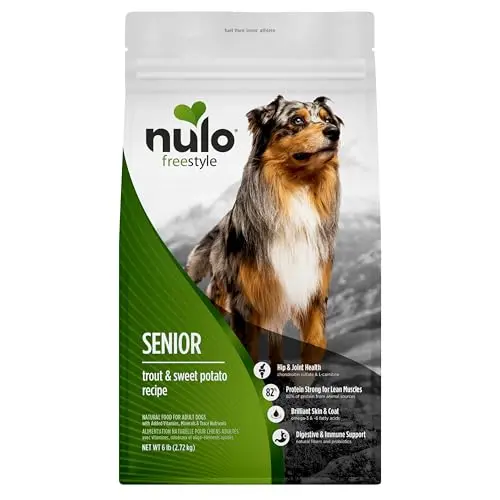
Freestyle Senior Trout & Sweet Potato – Senior Joint Health with Probiotics
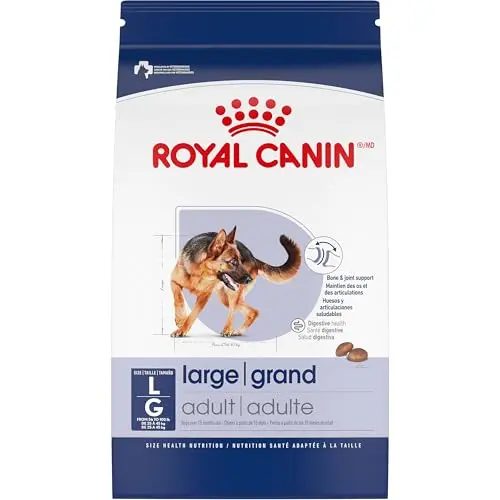
Size Health Nutrition Large Adult – Bone & Joint Support for Large Dogs
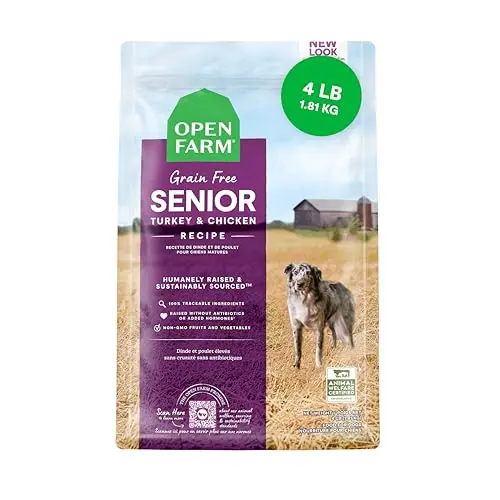
Grain-Free Senior Chicken & Turkey – Ethically Sourced Joint Support
How We Evaluated These Dog Foods for Joints
We didn’t conduct controlled feeding trials or veterinarian-supervised joint health assessments. What we did: cross-referenced 7 dog foods from 7 distinct brands across 5 decision axes-joint-supporting nutrients, protein quality, life stage suitability, weight management features, and owner satisfaction signals. We triangulated published ingredient lists, guaranteed analysis, and aggregated owner feedback where available to assess real-world joint-health fit.
The scoring framework weighted real-world joint-health performance (60%)-how effectively each food delivers recognized mobility nutrients like glucosamine, chondroitin, and omega-3s-against feature differentiation (40%)-unique advantages like grain-free recipes, probiotics, or breed-specific formulations. We have no commercial relationship with any of the brands featured; recommendations track fit and differentiation, not brand preference. If your dog is a large breed struggling with weight and mobility, the Hill’s Science Diet Perfect Weight & Joint Support is purpose-built for that scenario; if you need an all-around option that also soothes a sensitive stomach, the Purina Pro Plan Sensitive Skin & Stomach delivers joint benefits alongside digestive care.
How to Choose the Right Dog Food for Joints
Key Nutrients That Support Dog Joint Health
When shopping for a joint-supporting dog food, look for ingredients like glucosamine and chondroitin-the building blocks of cartilage. Omega-3 fatty acids, often from fish oil or green-lipped mussel, reduce inflammation and can ease stiffness. Antioxidants like vitamin E help combat oxidative stress that can damage joints over time. Some foods also include methylsulfonylmethane (MSM) or hyaluronic acid for added cushioning. Check the guaranteed analysis if you’re comparing levels, but remember that whole-food sources tend to be more bioavailable.
How to Read a Dog Food Label for Joint Support
Not all joint claims are created equal. Look for named protein sources like salmon, lamb, or chicken as the first ingredient-quality protein supports the muscles that stabilize joints. Scan for specific joint-related ingredients in the list: fish oil, flaxseed, chicken meal (a natural source of glucosamine), or green-lipped mussel. Avoid vague terms like ‘natural flavours” or unspecified animal meals. The crude fat percentage can indicate omega-3 content, but it’s the source that matters most.
Grain-Free vs. Traditional Formulas: Which Is Better for Joints?
Grain-free foods like Nature’s Recipe or Nulo aren’t inherently better for joints, but they can be helpful if your dog has grain sensitivities that cause inflammation. The real joint benefit comes from added supplements, not the absence of grains. That said, many grain-free recipes pair well with joint-supporting ingredients like sweet potato and pumpkin. If your dog thrives on a traditional recipe, stick with it-the focus should be on the inclusion of joint nutrients, not the exclusion of grains.
Senior Dogs and Joint Health: What to Look For
As dogs age, natural joint cushioning wears down, so senior formulas often pack higher levels of joint-supporting compounds. Look for foods that list glucosamine and chondroitin near the top of the ingredient panel, not just in trace amounts. L-carnitine can help maintain lean muscle mass, which takes pressure off joints. Foods like Nulo Freestyle Senior and Open Farm Senior are designed with these needs in mind. Also consider smaller kibble for declining dental health and higher digestibility to compensate for a slower metabolism.
Large Breed Joint Considerations
Large and giant breed dogs carry more weight on their frames, making joint support crucial from puppyhood through old age. Controlled calorie content is vital to prevent rapid growth or excess weight that strains joints. Breed-specific kibble shapes, like those from Royal Canin, can encourage chewing and slow eating. Formulas that include fish oil and controlled mineral levels (especially calcium and phosphorus) support balanced bone development. The Hill’s Perfect Weight & Joint Support addresses both weight and joint factors for large dogs.
Frequently Asked Questions
What's the difference between Hill's Perfect Weight & Joint Support and Purina Pro Plan Sensitive Skin & Stomach for joint health?
Hill’s formula is purpose-built for large breeds with weight management and joint support at its core, offering clinically proven weight loss alongside added fish oil and controlled minerals. Purina Pro Plan delivers joint benefits through omega-3s from salmon but prioritizes digestive health, making it better for dogs with sensitive stomachs that also need mild joint care. If weight is a primary concern and your dog is a large breed, Hill’s is the more targeted choice; if your dog has a sensitive gut and could use general mobility support, Pro Plan is a two-in-one winner.
Are grain-free dog foods better for joint health?
Not inherently. Grain-free foods eliminate potential allergens like corn and wheat, which can reduce overall inflammation in sensitive dogs, but the joint benefits come from added ingredients like glucosamine and chondroitin, not the absence of grains. Many grain-free recipes, such as Nature’s Recipe, include joint-supporting compounds, but you can find the same nutrients in grain-inclusive formulas. Always focus on the specific joint-supplementing ingredients rather than the grain label.
Do senior dogs need a different joint food than adult dogs?
Senior dogs often benefit from formulas that layer in higher levels of glucosamine and chondroitin along with easier-to-digest proteins and added L-carnitine for muscle maintenance. Adult maintenance foods may offer baseline support, but senior-specific recipes like Nulo Freestyle Senior or Open Farm Senior are tailored to address age-related mobility decline. If your older dog is still active and at a healthy weight, a high-quality adult food with joint supplements may suffice, but a senior formula provides extra insurance.
Can I feed my large breed puppy joint support food?
Puppies, especially large breeds, need carefully balanced calcium and phosphorus for proper bone development, and too-rapid growth can stress developing joints. Most adult joint foods are not appropriate for puppies because they may not meet the precise nutrient profiles for growth. Look for a large breed puppy formula that includes controlled minerals and omega-3s. Once your dog reaches maturity (12-18 months for large breeds), you can transition to a joint-support adult food.
How quickly can I expect to see improvements in my dog's mobility?
Joint supplements are not overnight fixes. You may notice subtle changes in comfort and stiffness after 4-6 weeks on a new food, but significant improvements take 8-12 weeks. Weight loss, if needed, can dramatically accelerate results-even a few pounds less can relieve joint pressure. Consistency is key, and combining a joint-support diet with appropriate low-impact exercise like walking or swimming yields the best outcome.
Final Verdict
For most large breed dogs struggling with joint issues and excess weight, the Hill’s Science Diet Perfect Weight & Joint Support is the clear winner-it combines clinically proven weight loss with targeted joint nutrients in a formula dogs love. If you’re looking for a versatile food that supports joints while soothing a sensitive stomach, the Purina Pro Plan Sensitive Skin & Stomach delivers omega-3s without sacrificing digestive health. Grain-free purists will appreciate Nature’s Recipe for its natural glucosamine and chondroitin at a reasonable price. And if budget is the priority, IAMS Advanced Health Mobility Support delivers essential joint supplements without emptying your wallet.