
Bringing home a Labrador Shepherd mix means welcoming a dog with endless energy, a sharp mind, and a breed profile that leans large and athletic. These dogs carry traits from two working lines, so feeding them right isn’t just about filling a bowl – it’s about supporting joints that’ll log miles, muscles that need lean protein, and a digestive system that can sometimes be as sensitive as their shepherd ancestry suggests. The wrong kibble can leave you dealing with itchy skin, soft stools, or a pup that’s not thriving despite a good appetite.
The market is full of options labelled for large breeds or active dogs, but not all deliver what a growing Lab Shepherd mix actually needs. You’ll want a food that prioritises joint health with natural glucosamine and chondroitin, balances protein from quality animal sources, and avoids fillers that can trigger allergies. This guide sorts through the noise, comparing proven formulas across top brands to help you pick a diet that matches your dog’s size, energy level, and any sensitive-stomach quirks.
We assessed eight kibbles from five trusted brands, weighing real-world performance markers like joint-care ingredients, digestibility, and protein punch. Whether you’re after a budget-friendly staple or a premium recipe tailored for this mix, you’ll find clear advice ahead. These aren’t just spec sheets – they’re deep dives into what owners and ingredient panels tell us, so you can choose confidently for your one-of-a-kind companion.
Best Dog Foods for Lab Shepherd Mix – 2026 Reviews
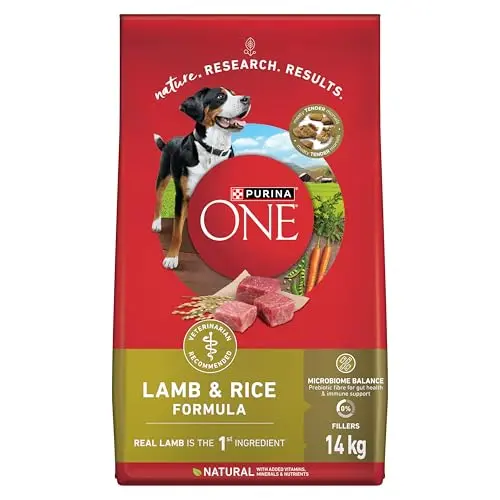
Microbiome Balance Lamb & Rice – Excellent Joint & Gut Support
A widely available, research-backed kibble that punches above its weight for joint health and digestive balance. Real lamb leads the ingredient list, and the microbiome formula adds prebiotic fibre to keep gut flora happy – a big plus for shepherd mixes prone to tummy troubles. Balanced nutrients support a healthy heart and strong muscles, making it a complete package for everyday vitality.
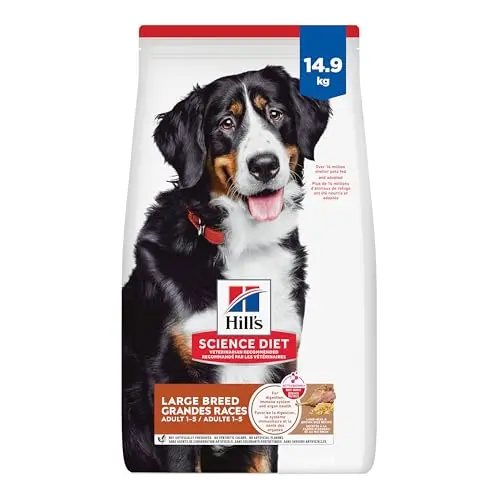
Large Breed Lamb Meal & Brown Rice – Tailored Joint & Muscle Care
Purpose-built for large-framed dogs with a focus on mobility and lean muscle. This recipe uses lamb meal as its protein backbone and fortifies the formula with natural sources of glucosamine and chondroitin, making it a top contender for breeds that carry their weight in their joints. Omega-6 and vitamin E keep skin and coat in top shape, while natural fibres support digestion without overwhelming sensitive systems.
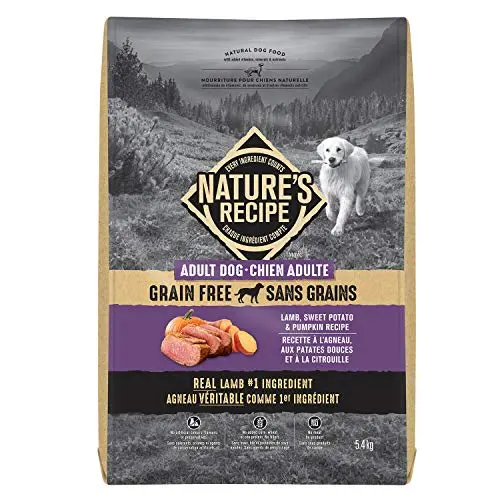
Grain Free Lamb, Sweet Potato & Pumpkin – Joint-Friendly & Digestible
A limited-ingredient, grain-free recipe that keeps things clean and functional. Lamb is the star, supported by sweet potato and pumpkin for fibre, while natural glucosamine and chondroitin from chicken meal work behind the scenes for joint health. Taurine adds heart support, and the absence of corn, wheat, or soy makes it an easy sell for pups with food sensitivities.
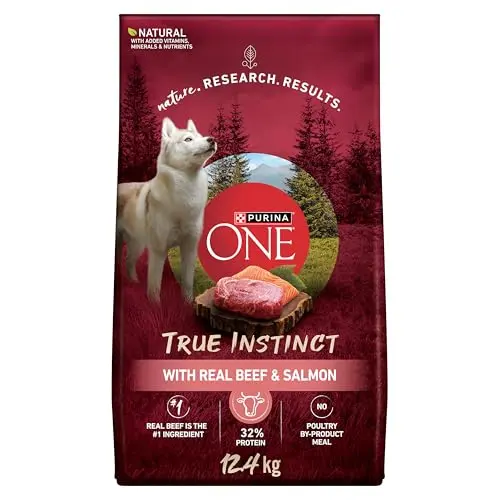
True Instinct Beef & Salmon – High-Protein Fuel for Active Dogs
Packing 32% protein with beef and salmon, this kibble is engineered for dogs that burn energy fast. Real beef tops the ingredient list, and the nutrient-dense formula skips poultry by-products while loading up on antioxidants to keep the immune system sharp. The high-protein kick makes it a natural fit for the muscular Lab Shepherd mix that’s always on the move.
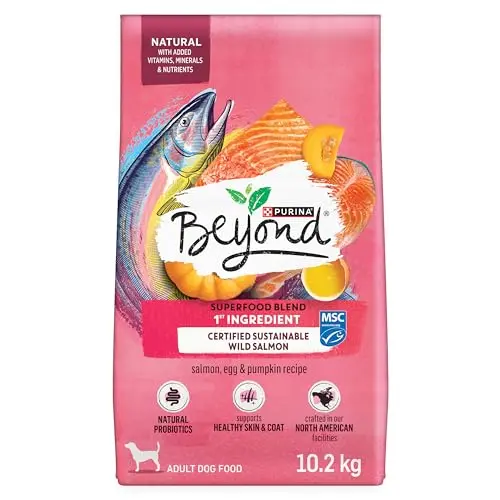
Superfood Blend Salmon, Egg & Pumpkin – Gentle Limited-Ingredient Nutrition
A limited-ingredient dry food that leans on wild-caught salmon as its protein centrepiece, plus eggs for added biological value. Pumpkin and oatmeal push digestibility, while the recipe avoids corn, wheat, soy, and poultry by-products entirely. It’s targeted at owners who want a simpler, cleaner ingredient panel without sacrificing nutritional completeness.
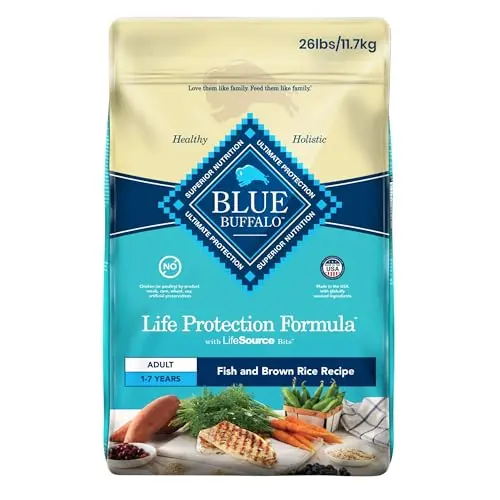
Life Protection Formula Fish & Brown Rice – Skin-Coat and Immune Support
Centred on deboned whitefish, this recipe brings a cold-water fish protein to the bowl without chicken or poultry by-products. The LifeSource Bits deliver a precise antioxidant and vitamin blend, while omega-3 and -6 fatty acids target skin and coat health directly. It’s a poultry-alternative formula that still covers all the nutritional bases for an active adult dog.
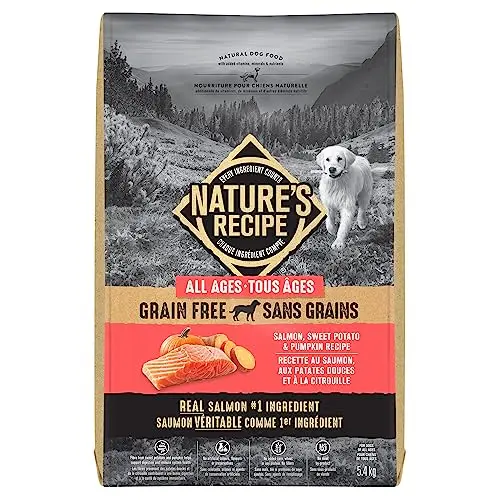
Grain Free Salmon, Sweet Potato & Pumpkin – Clean Skin & Coat Solution
Swapping lamb for salmon, this grain-free recipe keeps the same limited-ingredient philosophy with a protein source that’s rich in omega fatty acids. Sweet potato and pumpkin again provide digestible carb sources, and the formula is free of artificial colours, flavours, and preservatives – ideal for dogs that need a straightforward diet that still covers all life stages.
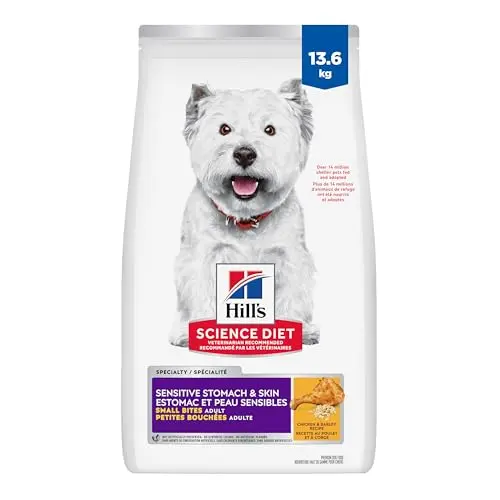
Sensitive Stomach & Skin Small Bites Chicken – Ultra-Gentle Digestion Support
A prebiotic-packed kibble built for dogs whose stomachs demand kid-glove treatment. Chicken is the protein source in a highly digestible form, and beet pulp adds nourishing prebiotic fibre. The small bite size is designed for easy eating, while vitamin E and omega-6 tackle skin issues from the inside. It’s a vet-favoured option for when digestive comfort is the number one priority.
How We Evaluated These Dog Foods for Lab Shepherd Mixes
We didn’t run long-term feeding trials or vet-supervised blood panels. What we did: cross-referenced 8 kibble formulas from 5 distinct brands across 7 decision axes – joint support ingredients, protein source quality, digestive health aids, skin and coat nutrients, kibble size and texture, brand transparency, and overall use-case fit for a large, active breed prone to sensitivities. We triangulated published nutritional profiles, ingredient decks, and aggregated owner feedback where available, then layered in how each formula maps onto the known needs of a Labrador-Shepherd cross.
The scoring framework weighted real-world performance (60%) – how well a food delivers on joint, digestive, and coat promises based on ingredient evidence and owner-reported outcomes – against feature differentiation (40%) – unique functional ingredients like prebiotics, glucosamine concentration, or novel protein sources that set a food apart. We have no commercial relationship with any of the brands featured; recommendations track fit and differentiation, not brand preference. If you’re looking for the safest all-around bet, the Purina ONE Lamb & Rice is your match; if joint health is the top concern, the Hill’s Science Diet Large Breed Lamb is purpose-built for exactly that.
How to Choose the Right Dog Food for a Lab Shepherd Mix
What to Look for in a Dog Food for Lab Shepherd Mixes
Your Lab Shepherd mix is a blend of two working breeds, so their nutritional needs lean toward joint support, high-quality protein, and digestible carbohydrates. Start with the ingredient list: look for a named animal protein like lamb, salmon, or beef as the first item, not a vague meat meal or grain. Glucosamine and chondroitin (often from chicken meal or added directly) are gold for joints, and you’ll want to see omega fatty acids from flaxseed, fish oil, or animal fats for skin and coat health. Fibre sources matter too – sweet potato, pumpkin, or beet pulp support digestion without the empty calories of corn or wheat. Avoid foods with long lists of fillers or artificial preservatives; a shorter, recognisable panel usually means a cleaner diet for a breed mix that can be allergy-prone.
Joint Support: A Non-Negotiable for This Active Mix
Labradors and German Shepherds both top the charts for hip dysplasia and elbow issues, so your mix inherits a lifetime risk. A food with natural sources of glucosamine and chondroitin can help maintain cartilage and slow degeneration. Look beyond marketing – check the guaranteed analysis or ingredient list for chicken meal, lamb meal, or fish meal, which inherently contain these compounds. Some large-breed formulas, like Hill’s Science Diet Large Breed, are specifically calibrated for bigger frames with controlled calcium and phosphorus to support bone growth in young dogs and joint maintenance in adults. Even if you don’t pick a large-breed-labelled food, a joint-centric recipe can still make a difference – just ensure the protein quality is high enough to sustain muscle mass that protects joints indirectly.
Protein Sources and Quality for Lean Muscle
Lab Shepherd mixes are muscular, high-energy dogs that need protein around 25-32% dry matter. The source matters as much as the percentage. Real lamb, beef, or salmon should lead the ingredient deck; these provide the amino acid profile for repair and growth. Avoid foods where protein comes largely from plant sources like pea protein, as it’s less bioavailable. A dual-animal-protein formula, such as Purina ONE True Instinct Beef & Salmon, can round out amino acids and offer flavour variety. Watch for poultry by-products if your dog has sensitivities – many shepherds do – and consider limited-ingredient recipes to isolate triggers.
Grain-Free vs. Whole Grains: What's Right for Your Dog?
The grain-free debate is alive and well, especially for large breeds. If your Lab Shepherd mix shows clear signs of grain intolerance – chronic ear infections, red paws, loose stools – a grain-free, limited-ingredient diet can be transformative. Nature’s Recipe Grain Free Lamb swaps grains for sweet potato and pumpkin, providing fibre that’s less likely to irritate. However, the FDA’s investigation into dilated cardiomyopathy (DCM) linked to grain-free diets means you should consult your vet before going entirely grain-free. Many dogs do perfectly well on whole grains like brown rice or oatmeal, which offer sustained energy and heart-healthy nutrients. The key is avoiding cheap fillers like corn and wheat, which can trigger inflammation without adding nutritional value.
Dealing with Sensitive Stomachs and Allergies in Shepherd Mixes
Shepherds are notorious for food sensitivities and environmental allergies, and Labs can add their own skin quirks. If your dog is constantly licking paws, has goopy ears, or produces unpredictable stools, food may be the culprit. A single-source animal protein and a limited carbohydrate list helps you identify triggers. Beyond Superfood Blend Salmon uses wild-caught salmon and avoids corn, wheat, and soy, making it a strong elimination-diet candidate. Adding prebiotic fibre – like in the Hill’s Science Diet Sensitive Stomach formula – can stabilise gut flora without the need for probiotics. Always transition slowly over 7-10 days to let the digestive system adapt.
Why Kibble Size Matters for Large Breed Dogs
It sounds minor, but kibble size and shape affect eating speed, dental health, and even bloat risk. Lab Shepherd mixes tend to be enthusiastic eaters; larger, crunchy kibble forces them to chew, which slows down ingestion and can help prevent gastric dilatation-volvulus (GDV), a serious condition in deep-chested breeds. The Hill’s Science Diet Large Breed kibble is purposefully sized for this. On the flip side, small bite kibbles can be beneficial if your dog is recovering from dental work or prefers a gentler mouthfeel, but they may be inhaled. Consider a slow-feeder bowl if you choose a smaller kibble. The texture should be dry and firm, not crumbly, to maintain dental scraping action.
Frequently Asked Questions
What's the difference between Purina ONE Lamb & Rice and Hill's Science Diet Large Breed Lamb for a Lab Shepherd mix?
Purina ONE Lamb & Rice is a balanced, all-breed formula with a strong microbiome focus and joint support through its ingredients, while Hill’s Large Breed Lamb is specifically calibrated for bigger dogs with controlled mineral ratios and targeted glucosamine and chondroitin levels. For general daily feeding and digestive health, Purina ONE is an excellent, budget-friendly choice. If your priority is joint health and large-breed bone development, Hill’s is the more precise tool. Both use lamb as the primary protein, but Hill’s tends to have a slightly richer fatty acid profile for skin. Many owners find success switching between the two based on age – Purina ONE for maintenance and Hill’s for the senior years when joints need extra care.
How does Nature's Recipe Grain-Free Lamb compare to Beyond Superfood Blend for sensitive dogs?
Both are limited-ingredient, grain-free options, but they take different paths. Nature’s Recipe Lamb includes chicken meal as a secondary protein and glucosamine source, so it’s not poultry-free, but it adds joint support through those natural compounds. Beyond Superfood Blend Salmon uses a single fish protein with eggs and avoids poultry entirely, making it a better choice if you suspect a chicken allergy. Nature’s Recipe is slightly more calorie-dense and may be better for active, weight-starve dogs, while Beyond’s salmon and pumpkin combo is gentler on the stomach and often recommended for allergy elimination trials. Both avoid corn, wheat, and soy, and both have strong owner reviews for skin improvement, so the decision often comes down to protein source preference and whether joint glucosamine matters to you.
Is grain-free food better for a Lab Shepherd mix?
It depends on the individual dog. Some Lab Shepherd mixes thrive on grain-inclusive formulas with high-quality grains like brown rice or oatmeal, which provide slow-release energy and fibre. Others with clear grain sensitivities or skin issues benefit from a grain-free, limited-ingredient diet. The FDA has noted a potential link between grain-free foods and dilated cardiomyopathy in dogs, so it’s wise to consult your vet and possibly choose a grain-free option that avoids heavy legume use (like peas or lentils) and includes taurine. Our top pick, Purina ONE Lamb & Rice, includes grains but uses digestible rice and barley that rarely cause problems. If you go grain-free, we recommend rotating with a grain-inclusive food periodically and monitoring heart health.
What should I look for if my Lab Shepherd mix has a sensitive stomach?
Focus on digestibility and fibre type. Look for named animal proteins (not by-products), prebiotic fibres like beet pulp or pumpkin, and a supplement of omega fatty acids to reduce inflammation. Avoid artificial colours, flavours, and preservatives. The Hill’s Science Diet Sensitive Stomach & Skin is a popular vet-recommended choice because of its high digestibility and prebiotic fibre. Transition any new food slowly over at least 7 days, and consider a probiotic supplement during the switch. If soft stools persist, a limited-ingredient diet like Beyond Superfood Blend may help isolate triggers. Always rule out medical issues with a vet first.
Can I feed my Lab Shepherd mix the same food as a Lab and a Shepherd separately?
Yes, if the food meets the needs of both breeds – which largely overlap. Labs often need portion control to prevent obesity, while Shepherds need joint support and skin care. A high-quality large-breed adult formula like Hill’s Science Diet Large Breed or a microbiome-balanced food like Purina ONE Lamb & Rice can serve both purposes. The key difference is quantity: a Lab may require less if it’s a lighter-built American Lab, while a Shepherd might need more calories if highly active. Monitor body condition and adjust. Avoid feeding a puppy formula to an adult mix after 18 months; switch to an adult maintenance diet.
Final Verdict
For most Lab Shepherd mixes, the Purina ONE Lamb & Rice is the standout – it balances joint care, digestive health, and coat quality at a price that makes it an easy daily decision. If your dog’s joint health is a known concern or they’re on the larger side, stepping up to the Hill’s Science Diet Large Breed Lamb gives you targeted large-breed nutrition with proven joint support. For dogs with grain intolerance or itchy skin, the Nature’s Recipe Grain-Free Lamb is a smart, affordable switch. And if you’ve got a high-octane athlete, the extra protein in Purina ONE True Instinct Beef & Salmon will keep that muscle firing. No matter which you choose, pair it with plenty of exercise and regular vet checks – your Lab Shepherd mix will reward you with years of loyal companionship.