
A Labrador or Golden Retriever’s tail-wagging enthusiasm for mealtime is matched only by their need for solid, thoughtful nutrition. These breeds bring the energy, the loyalty, and unfortunately, a predisposition to joint issues, sensitive skin, and weight gain. Pick the wrong food, and you’re managing vet bills; pick the right one, and you’re fuelling years of fetch and cuddles.
We looked at the dry dog foods designed to support large, active retrievers – from breed-specific formulas that target known health vulnerabilities to wider lines that still get the fundamentals right. Protein quality, joint glucosamine and chondroitin levels, omega fatty acids for that glossy coat, and digestible carb sources all factored in. This guide helps you match their bowl to their breed’s biggest needs.
Best Dog Food for Labs and Golden Retrievers – 2026 Reviews
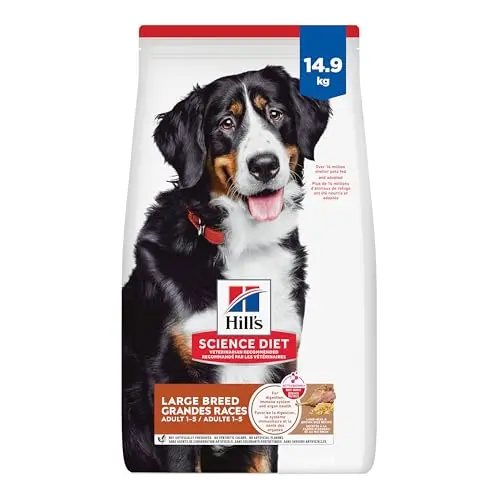
Adult Large Breed Lamb Meal & Brown Rice – Joint-Focused Large Breed Formula
A large-breed recipe that hits the retriever trifecta: natural glucosamine and chondroitin for hips and elbows, omega-6 and vitamin E for skin, and high-quality lamb meal for lean muscle. The fibre blend supports steady digestion, and there are no artificial colours or flavours.
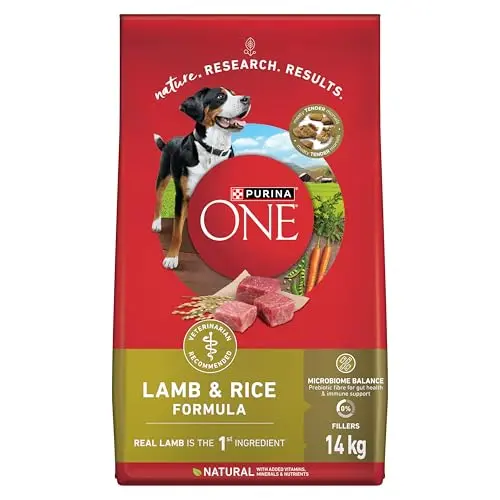
Microbiome Balance Lamb & Rice – Digestive Health Meets Value
A wallet-friendly pick that doesn’t skimp on gut health. Real lamb leads, supported by prebiotic fibre and a microbiome balance blend designed to improve digestion and nutrient absorption. It also includes joint-supporting nutrients and antioxidants for overall vitality.
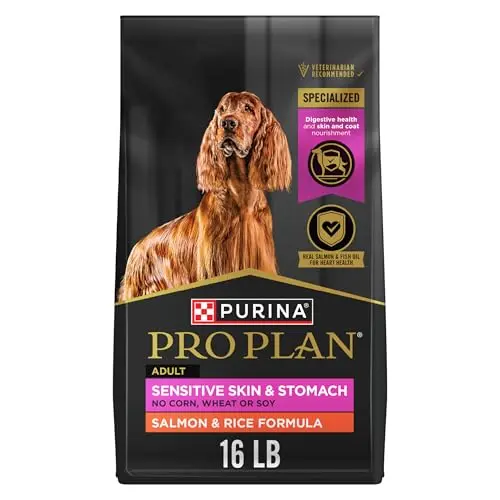
Sensitive Skin & Stomach Salmon & Rice – Targeted Relief for Tummy Troubles
Formulated specifically for dogs with reactive systems, this salmon-first recipe uses easily digestible oatmeal and prebiotic fibre. Omega-3s from fish oil tackle skin inflammation, while the lack of corn, wheat, and soy reduces common triggers.
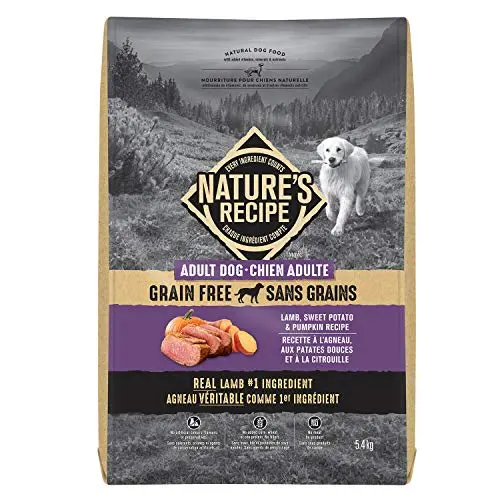
Grain Free Lamb, Sweet Potato & Pumpkin – Wholesome Grain-Free Option
A grain-free recipe centred on lamb, sweet potatoes, and pumpkin. It packs natural glucosamine and chondroitin from chicken meal, taurine for heart health, and antioxidant-rich ingredients for immune support, all without artificial additives.
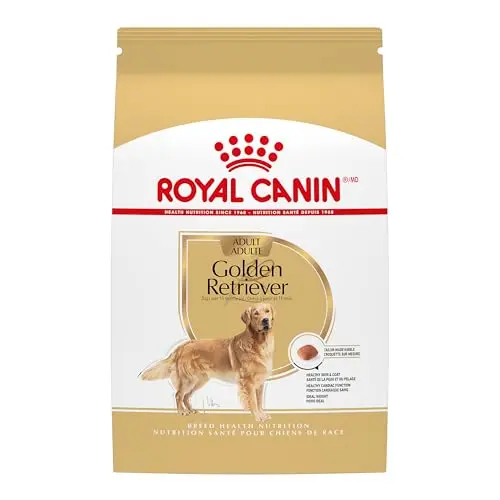
Golden Retriever Adult – Tailored for Goldens' Unique Needs
Breed-specific nutrition that concentrates on a Golden’s heart, skin, and weight. The kibble is shaped to match their straight muzzle and scissor bite, encouraging chewing. Taurine, EPA, and DHA support cardiac function, while precise calories help maintain a lean build.
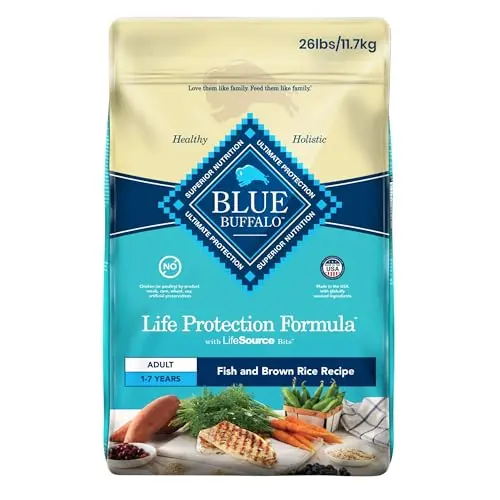
Life Protection Formula Fish & Brown Rice – Clean, Fish-Based All-Rounder
A natural option with deboned whitefish as the first ingredient, free from chicken by-products, corn, wheat, and soy. LifeSource Bits deliver a concentrated antioxidant blend, and omega-3 & 6 fatty acids support skin and coat.
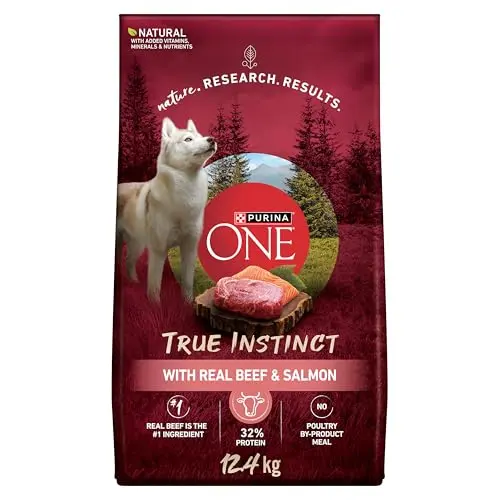
True Instinct Beef & Salmon – High-Protein Fuel for Active Retrievers
A protein-dense formula (32% protein) with real beef as the first ingredient and salmon for omega-3s. Four antioxidant sources support immunity, and the nutrient profile targets active dogs needing sustained energy.
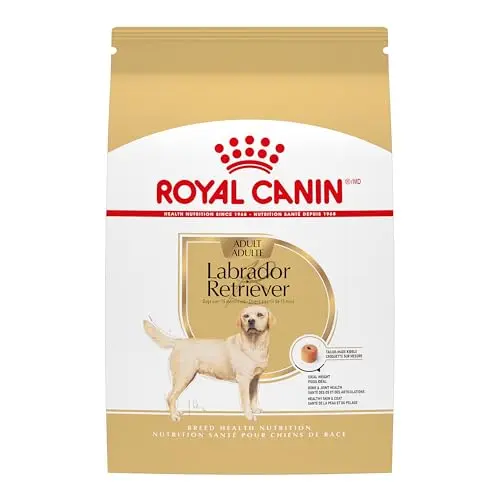
Labrador Retriever Adult – Calorie-Smart Breed Formula
Engineered for Labs’ tendency to wolf down food and gain weight. The doughnut-shaped kibble encourages chewing, while controlled calories, EPA/DHA, and glucosamine support joints and maintain a healthy weight.
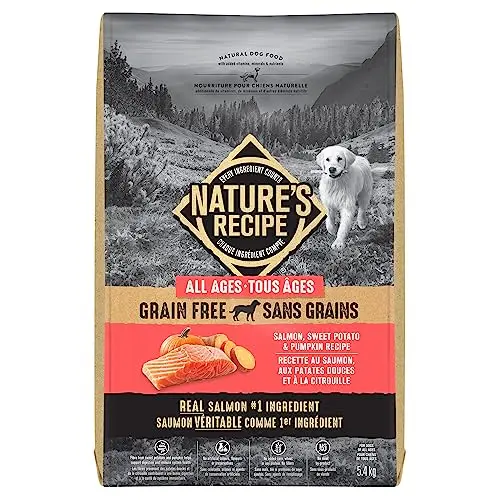
Grain Free Salmon, Sweet Potato & Pumpkin – Fish-Forward Grain-Free Choice
Another grain-free option, this time with salmon as the first ingredient. It includes sweet potatoes and pumpkin for gentle digestion, plus omegas for skin and coat, all without artificial additives.
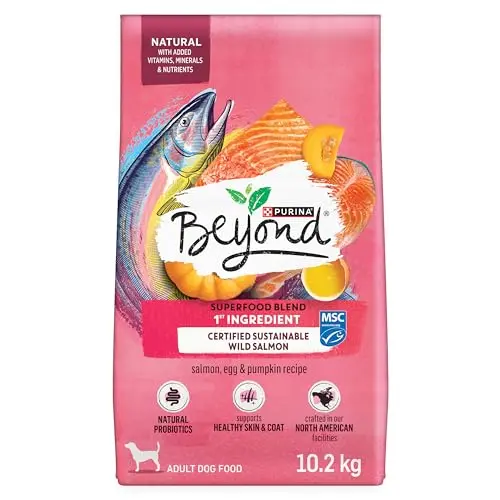
Superfood Blend Salmon, Egg & Pumpkin – Limited Ingredient with Superfoods
A limited ingredient diet featuring wild-caught salmon, eggs, and pumpkin. It avoids corn, wheat, soy, and poultry by-products, relying on recognisable superfoods for a nutrient-dense, simple meal.
How We Evaluated These Dog Food for Labs and Golden Retrievers
We didn’t run long-term feeding trials or lab coat gloss tests. What we did: cross-referenced 10 dry dog food formulas from 7 distinct brands across 6 decision axes – breed-specific formulation, joint support, skin and coat nutrients, digestive tolerance, protein quality, and ingredient transparency. We triangulated published specifications, aggregated owner feedback where available, and use-case fit against the known health needs of Labrador and Golden Retrievers.
The scoring framework weighted real-world suitability for these breeds (60%) – how well each food addresses joint, weight, skin, and digestive concerns – against feature differentiation (40%) – unique ingredients, breed-specific research, or targeted benefits. We have no commercial relationship with any of the brands featured; recommendations track fit and differentiation, not brand preference. If your retriever struggles with joint stiffness, the Hill’s Science Diet Large Breed is our top pick; for sensitive digestion, the Pro Plan Sensitive Skin & Stomach is purpose-built.
How to Choose the Right Dog Food for Labs and Golden Retrievers
Why Breed-Specific Nutrition Matters for Retrievers
Labs and Goldens share many traits, but each breed has unique health predispositions. Labs are notorious overeaters prone to obesity and joint stress, while Goldens have a higher incidence of cardiac issues and certain cancers. Breed-specific formulas like Royal Canin tailor nutrient profiles to these differences. However, many large-breed foods cover the universal needs – glucosamine and chondroitin for joints, omega fatty acids for skin and coat, and controlled calories – and can be equally effective if you monitor your dog’s condition.
Joint Support: The #1 Priority for Active Breeds
Hip and elbow dysplasia are common. Look for foods with natural sources of glucosamine and chondroitin (often from chicken meal or cartilage) and EPA/DHA from fish oil to reduce inflammation. All of our top picks include these, but Hill’s Science Diet Large Breed and Nature’s Recipe Grain Free Lamb are particularly rich. Puppies of these breeds should be on large-breed puppy formulas to control growth rate; for adults, maintaining lean body weight is the single biggest joint protector.
Skin, Coat, and the Allergy Equation
Itchy skin, hot spots, and ear infections often trace back to food sensitivities or inadequate fatty acids. Diets centered on novel proteins like salmon or lamb can reduce allergic reactions. The Pro Plan Sensitive Skin & Stomach is our top recommendation here, using salmon as a single animal protein and avoiding common triggers like corn, wheat, and soy. Omega-3 and omega-6 levels also matter; foods with added fish oil or flaxseed visibly improve coat lustre and reduce dander.
Digestive Health: Keeping the Gut Happy
Retrievers can have sensitive stomachs. Prebiotic fibres like those in Purina ONE Microbiome Balance feed beneficial gut bacteria, improving stool quality and nutrient absorption. Limited ingredient diets (like Beyond Superfood Blend) remove potential irritants. If switching foods, always transition gradually over 7-10 days to avoid diarrhoea.
Grain-Free vs. Grain-Inclusive: What's Right for Your Retriever?
Grain-free diets like Nature’s Recipe use sweet potatoes and peas for carbs, which can be easier on some dogs’ digestion and may reduce allergy symptoms. However, the FDA has flagged a potential link between grain-free diets and dilated cardiomyopathy (DCM) in breeds not typically predisposed. While Goldens are among the breeds reported, the science is still evolving. We recommend consulting your vet and considering a food with grains unless your dog has a confirmed grain sensitivity. Our top picks include both grain-inclusive and grain-free options so you can choose based on your dog’s specific health profile.
Royal Canin vs. Hill's: Which Approach for Your Lab or Golden?
Royal Canin’s breed-specific formulas are hyper-targeted: the Labrador recipe focuses on weight and fast eating, while the Golden recipe emphasizes cardiac health and muzzle shape. Hill’s Science Diet Large Breed takes a broader approach, serving all large breeds with joint, skin, and digestive support. If your dog has a clear breed-typical issue (a Lab that inhales food, a Golden with a heart murmur), Royal Canin’s precision pays off. Otherwise, Hill’s offers equivalent nutritional quality with more flexibility and often at a lower cost per day.
Frequently Asked Questions
What's the difference between Royal Canin Labrador Retriever and Golden Retriever food?
The formulations diverge based on each breed’s health priorities. The Labrador recipe has a unique doughnut-shaped kibble to slow down fast eaters and tightly controlled calories for weight management, with joint support from EPA and DHA. The Golden Retriever recipe includes added taurine for heart health – a bigger concern in Goldens – and a kibble shape suited to their straight muzzle and scissor bite. Both provide breed-appropriate protein, fat, and fibre levels, but the Labrador food is optimized for obesity prevention while the Golden food emphasizes cardiac function.
Is grain-free dog food better for labs and golden retrievers?
Not necessarily. While some dogs with grain sensitivities or allergies thrive on grain-free diets like Nature’s Recipe Grain Free Lamb, recent research has raised concerns about a potential link between grain-free foods and dilated cardiomyopathy (DCM). Golden Retrievers appear in reported cases, though causation hasn’t been proven. If your dog has no known grain issues, a high-quality grain-inclusive food like Hill’s Science Diet or Purina ONE may be safer. Always discuss with your vet, especially for Goldens.
How do I know if my dog is allergic to their food?
Common signs include chronic ear infections, itchy paws, hot spots, and gastrointestinal upset. If you suspect a food allergy, switching to a limited ingredient diet with a novel protein (like the Pro Plan Sensitive Skin & Stomach Salmon) for 8-12 weeks can help identify triggers. Keep a food diary and consult your vet for an elimination trial protocol.
Can I feed the same food to my Lab and Golden Retriever if I have both breeds?
Yes, a high-quality large-breed formula like Hill’s Science Diet Large Breed can work for both, as it addresses joint, skin, and digestive needs common to both breeds. Monitor their weight individually – a Lab might need a slightly smaller portion than a more active Golden – and watch for breed-specific issues like skin allergies or heart concerns. If one dog develops a breed-specific condition, consider separate foods.
Final Verdict
For the majority of Labrador and Golden Retriever households, the Hill’s Science Diet Adult Large Breed Lamb Meal & Brown Rice is our strongest recommendation – it covers joints, skin, and digestion with a clean ingredient deck and broad acceptance. If budget is the main driver, the Purina ONE Microbiome Balance delivers surprising digestive and joint support at a friendlier price. And for dogs with undeniable food sensitivities, the Pro Plan Sensitive Skin & Stomach is the most targeted fix we’ve seen in a non-prescription diet. Match the food to your retriever’s biggest need, and you’ll have a happier, healthier companion.