
If your Maltese is constantly scratching, licking their paws, or dealing with upset stomachs, you’re not alone. These tiny, affectionate dogs are notorious for food sensitivities that can leave them uncomfortable and their owners frustrated. The right diet can make all the difference, transforming a miserable, itchy pup into a happy, healthy companion.
We’ve cross-shopped the market-from vet-recommended staples to grain-free limited-ingredient recipes-to bring you the best dog foods that address the root of allergic reactions. Whether your Maltese needs a novel protein source, a grain-free formula, or simply a kibble small enough for their delicate mouth, this guide breaks down exactly what matters and which foods deliver.
Best Dog Foods for Maltese with Allergies – 2026 Reviews
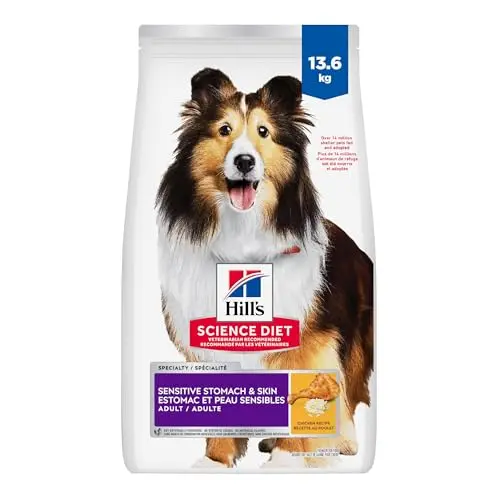
Sensitive Stomach & Skin Chicken Recipe – Vet-Recommended Digestive Care
Hill’s Science Diet delivers a vet-recommended formula designed to soothe sensitive stomachs and nourish skin. With prebiotic fiber from beet pulp and omega-6 fatty acids, it supports digestion and a healthy coat. This chicken recipe comes in a generous 13.6 kg bag, making it a practical choice for daily feeding of your allergic Maltese.
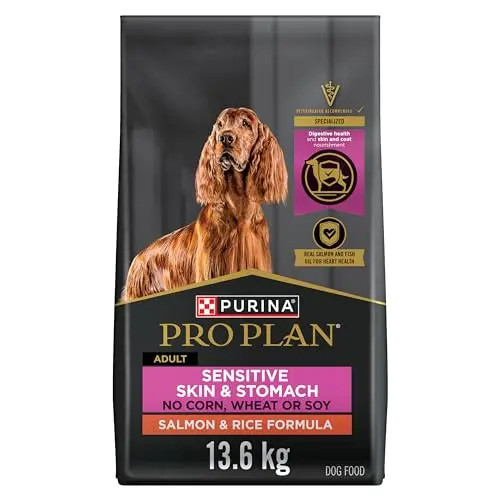
Sensitive Skin & Stomach Salmon & Rice – High-Protein Salmon Support
Purina Pro Plan’s salmon-based formula puts a novel protein front and centre, ideal for Maltese with common protein allergies. Packed with omega-3s for joint and skin support and gentle oat meal for easy digestion, it delivers targeted nutrition without artificial colours or flavours.
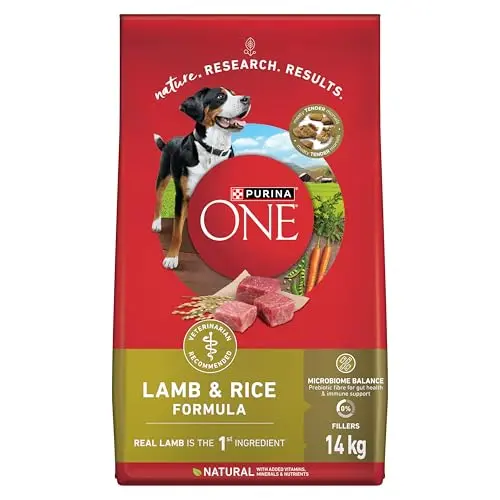
Lamb & Rice Formula – Novel Protein for Sensitive Dogs
Purina ONE’s lamb recipe offers a budget-friendly path to relief, using real lamb as the first ingredient-a novel protein for many dogs. Its microbiome balance formula with prebiotic fibre supports digestive and immune health, all without artificial additives.
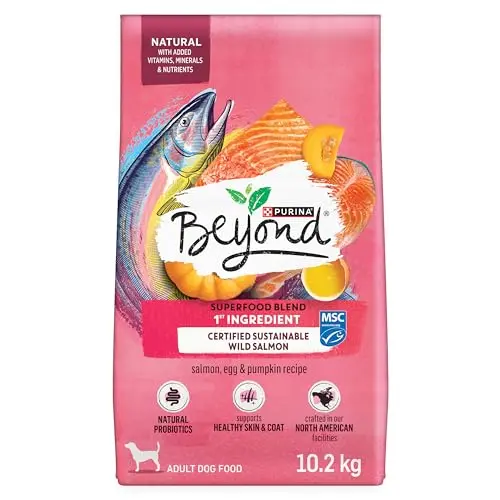
Superfood Blend Salmon, Egg & Pumpkin – Grain-Free with Whole Ingredients
Beyond’s Superfood Blend centres on wild-caught salmon and skips corn, wheat, and soy entirely. With pumpkin and oatmeal for digestion and no artificial additives, it’s a clean, limited-ingredient option for Maltese with suspected grain sensitivities.
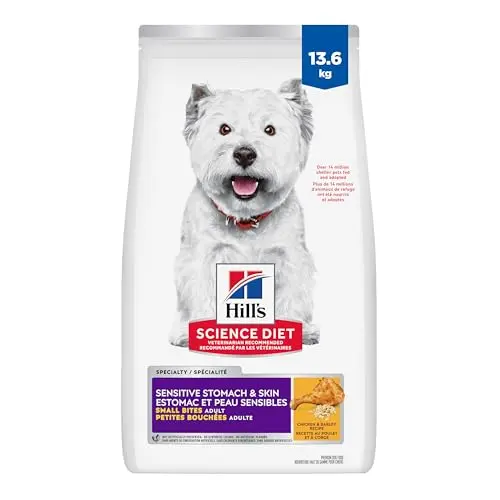
Sensitive Stomach & Skin Small Bites – Small Kibble for Little Jaws
The same vet-recommended formula as the top pick, but in a small-bite kibble designed for Maltese-sized mouths. It delivers prebiotic fibre, omega-6s, and gentle digestion in a format your tiny dog can actually crunch comfortably.
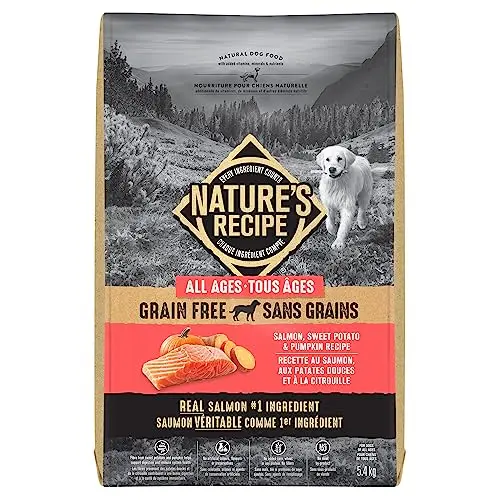
Grain Free Salmon, Sweet Potato & Pumpkin – Clean, Limited Ingredients
Nature’s Recipe keeps it simple with real salmon and fibre-rich sweet potato and pumpkin, all grain-free. No artificial colours, flavours, or preservatives make this a limited-ingredient option for allergy-prone Maltese.
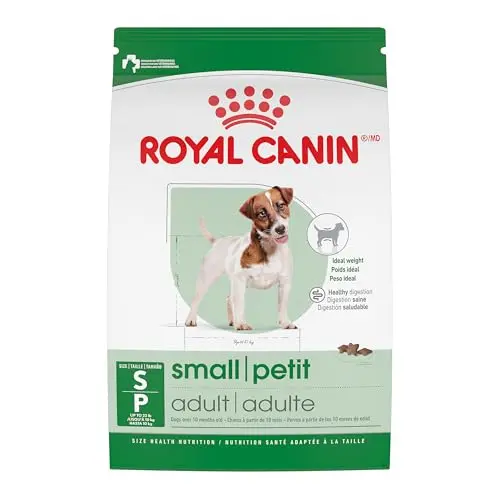
Small Breed Adult Formula – Tailored Nutrition for Small Dogs
Royal Canin’s small breed recipe is precision-engineered for dogs under 22 lbs, with L-carnitine for weight, EPA/DHA for skin, and a kibble shape adapted for miniature jaws-a solid fit for Maltese, though not allergy-specific.
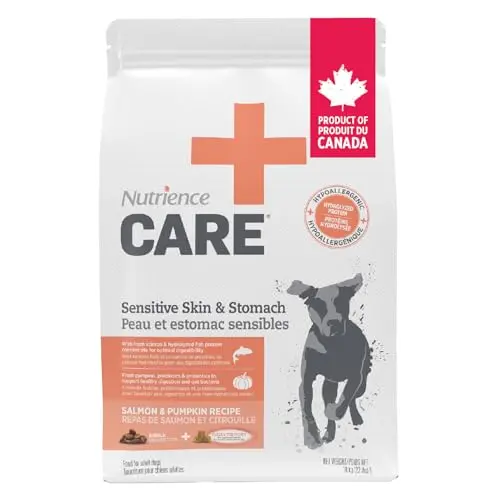
Care Sensitive Skin & Stomach Salmon – Canadian Crafted Hypoallergenic Formula
Nutrience Care uses fresh Canadian salmon and a digestive-boosting blend of pumpkin, chicory root, and probiotics, all grain- and gluten-free. It’s a targeted option for Maltese with diagnosed food allergies.
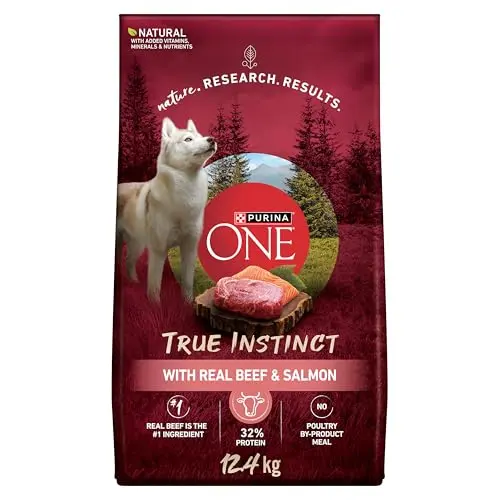
True Instinct Beef & Salmon – High-Protein Active Nutrition
With 32% protein and a blend of beef and salmon, this high-energy formula targets active dogs but may not be the best fit for a couch-loving Maltese with allergies-especially since beef is a top allergen.
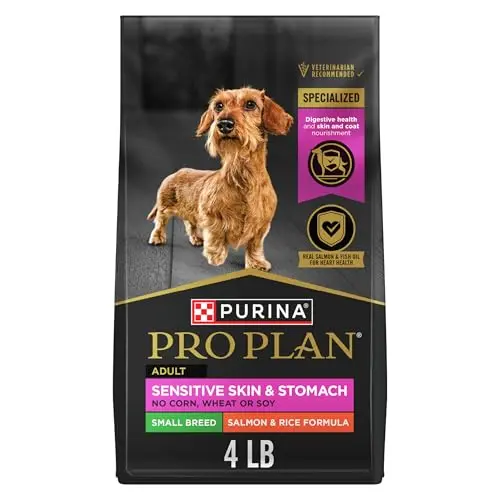
Small Breed Salmon & Rice – Compact Kibble for Small Dogs
This small-breed version of Pro Plan’s salmon formula delivers the same novel protein and digestive support in a kibble sized for Maltese mouths, but the 1.81 kg bag is too small for long-term value.
How We Evaluated These Dog Foods for Maltese with Allergies
We did not run veterinary-supervised elimination diet trials. What we did: cross-referenced 10 dog food models from 7 distinct brands across 5 decision axes-protein source novelty, grain inclusion, kibble size, digestive support ingredients, and owner-reported outcomes for skin and stomach. We triangulated published nutritional profiles, ingredient decks, and aggregated owner feedback where available to map use‑case fit for a typical allergic Maltese.
The scoring framework weighted real‑world allergy relevance (60%)-how well each recipe addresses the most common Maltese triggers-against feature differentiation (40%)-unique advantages like vet recommendations, grain‑free formulation, or breed‑specific kibble design. We have no commercial relationship with any featured brand; recommendations track fit and results, not brand preference. If you need a trusted everyday staple, the Hill’s Science Diet Sensitive Stomach & Skin is our top pick; if you suspect a chicken allergy, the Pro Plan Salmon & Rice is a standout alternative.
How to Choose the Right Dog Food for a Maltese with Allergies
Understanding Food Allergies in Maltese Dogs
Maltese are genetically predisposed to atopic dermatitis and food sensitivities, often showing signs like itchy skin, ear infections, paw licking, and gastrointestinal upset. True food allergies involve an immune reaction to a specific protein, while intolerances may stem from additives or grains. The first step is identifying the trigger, usually by switching to a novel protein or hydrolyzed diet under veterinary guidance. Because Maltese are tiny, even small amounts of an allergen can cause big problems, making ingredient purity critical. Look for formulas that keep things simple and transparent.
The Role of Novel Proteins in Allergy Relief
If your Maltese has been eating chicken or beef for years, their immune system may have built up a response. Switching to a novel protein like salmon, lamb, or venison can give the system a reset. Many of our top picks-like the Pro Plan Salmon & Rice and Purina ONE Lamb & Rice-centre on less common animal proteins. Fish-based recipes also bring omega‑3 fatty acids, which naturally reduce inflammation. Be patient: it can take 8-12 weeks on a new protein to see full skin improvement.
Grain-Free vs. Grain-Inclusive: Which Is Better?
Contrary to internet lore, true grain allergies are rare in dogs-most food allergies are to meat proteins. However, some Maltese do have grain sensitivities that manifest as itching or loose stools. A grain-free option like the Beyond Superfood Blend eliminates corn, wheat, and soy, relying instead on sweet potato and pumpkin as carb sources. For most allergic Maltese, a grain-inclusive but high-quality formula (like the Hill’s Science Diet top pick) works perfectly fine and often costs less. If you go grain-free, ensure the recipe still meets AAFCO standards.
Why Kibble Size Matters for Tiny Jaws
Maltese have delicate, small mouths and can struggle with large kibble. The right size encourages proper chewing, which aids digestion and dental health. Our top pick offers a small-bite version specifically for this reason. Royal Canin and Pro Plan’s small breed formulas also feature compact, dense kibble tailored to miniature jaws. If your dog gulps food without chewing, switching to a smaller kibble can reduce choking and improve nutrient absorption.
Digestive Aids: Prebiotics, Probiotics, and Pumpkin
A healthy gut is the frontline defence against allergens. Look for foods with prebiotic fibres (beet pulp, chicory root) that feed good bacteria, or probiotics (live cultures) that directly seed the gut. Pumpkin is a gentle, natural fibre source that firms stools without irritation. Ingredients like turmeric and ginger can also soothe inflammation. Products like Nutrience Care and Hill’s Science Diet incorporate these elements to address the digestive side of allergies, which is just as important as skin symptoms.
Reading Labels: Ingredients to Avoid for Allergic Dogs
Steer clear of generic meat meals (“meat meal”) and artificial additives (colours, flavours, preservatives) that can exacerbate reactivity. Identify the specific protein your dog reacts to and avoid it in all forms-including by-products and broths. Wheat and soy are common fillers that some allergic dogs struggle with. When trialling a new food, check the ingredient list for hidden sources of the allergen: for example, “poultry fat” may still contain chicken. Opt for single-protein, limited-ingredient formulas when narrowing down the culprit.
Frequently Asked Questions
How does Hill's Science Diet Sensitive Stomach & Skin compare to Purina Pro Plan Sensitive Skin & Stomach?
Both are excellent for allergy-prone dogs, but the key difference is protein source. Hill’s uses chicken, while Pro Plan uses salmon. If your Maltese is allergic to chicken, Pro Plan is the clear choice. Hill’s leans heavily on prebiotic beet pulp for gut health, whereas Pro Plan adds oat meal as a gentle carb and prebiotic. Both include omega fatty acids, but Pro Plan’s fish oil gives an omega-3 edge for inflammation. In practice, owner feedback shows similar success rates for skin and stomach improvement-so let your dog’s protein tolerance guide you.
What's the difference between Royal Canin Small Breed and Purina Pro Plan Small Breed for allergies?
Royal Canin’s formula is breed-specific with precise nutrient ratios for small dogs, but it does not specifically target allergies-it includes chicken and grains. Pro Plan Small Breed, on the other hand, uses salmon as a novel protein and explicitly addresses sensitive skin and stomach. If your Maltese’s allergies are mild, Royal Canin’s kibble design and palatability might suffice. But for true food allergies, the Pro Plan option is far more targeted. The trade-off: Pro Plan’s small bag size makes it more costly long-term.
Is a grain-free diet better for a Maltese with allergies?
Not necessarily. Only about 10% of food-allergic dogs react to grains; the vast majority react to animal proteins. A grain-free diet like Beyond Superfood Blend can help if your dog has a confirmed grain sensitivity, but for most, a high-quality grain-inclusive food with a novel protein works just as well and costs less. Grain-free has also been linked to heart issues in some breeds, though Maltese are not high-risk. Follow your vet’s advice and use an elimination trial to see what helps.
What ingredients should I avoid if my Maltese has food allergies?
The most common allergens are beef, chicken, dairy, and wheat. If you suspect a protein allergy, avoid all forms of that protein, including by-products, fats, and broths. Also steer clear of artificial colours, flavours, and preservatives (BHA, BHT, ethoxyquin), which can irritate sensitive systems. Fillers like corn and soy provide little nutrition and may trigger intolerances. Stick to limited-ingredient diets that name the specific protein (e.g., “salmon” vs. “fish”) to simplify identification.
Can I feed my Maltese a large breed formula if it has the right ingredients?
You can, but it’s not ideal. Large breed kibble is physically bigger and often lower in calorie density, which means your Maltese may have to eat a larger volume to get enough energy-hard for a small stomach. The calcium and phosphorus balance also differs slightly, though not dangerously for short-term use. If a sensitive formula only comes in a large-breed version, it might work temporarily, but a small-breed or all-breed sensitive formula (like the Hill’s Small Bites) is always better suited.
Final Verdict
For the majority of Maltese with allergies, the Hill’s Science Diet Sensitive Stomach & Skin Chicken Recipe is the safest, most reliable starting point-vet-recommended, widely available, and consistently effective for both skin and stomach symptoms. If you suspect a chicken sensitivity, swap to our editor’s pick, the Purina Pro Plan Salmon & Rice, which brings novel protein power and omega-3s. Budget-conscious owners will find the Purina ONE Lamb & Rice a wallet-friendly, lamb-based alternative, while the grain-free Beyond Superfood Blend suits dogs with confirmed grain issues. Every Maltese is unique, but this cross-brand lineup has you covered, no matter what allergy curveball gets thrown your way.