
Mini Labradoodles bring together the intelligence of a poodle and the sunny disposition of a Labrador – and they bring their own set of nutritional quirks. That compact frame, those expressive eyes, and the famously semi-hypoallergenic coat all hinge on what goes into their bowl every day. Get it right, and you’ll see a glossy coat, steady energy, and tidy backyard pickups. Get it wrong, and you might face finicky eating, itchy skin, or a pup that packs on the ounces despite a modest appetite.
We focused on dry foods that match a mini Labradoodle’s adult size (typically 15-30 pounds), their small mouths, and their coat-care needs. You’ll find options that prioritize digestibility, skin and coat nutrients, and just-right kibble sizes – all from brands that have earned trust among small-breed owners. No single brand dominates every category; instead, we lined up picks that each solve a specific piece of the puzzle.
Best Dog Foods for Mini Labradoodles – 2026 Reviews
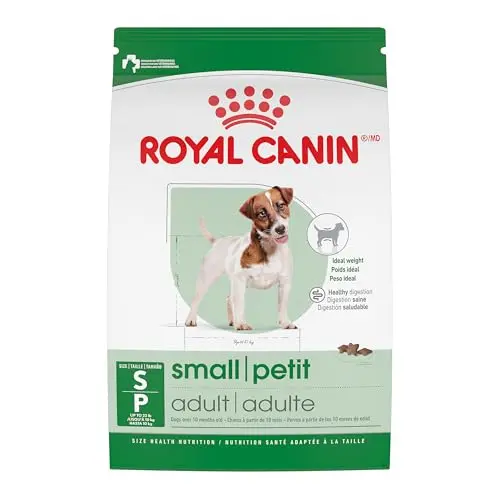
Small Breed Adult – Precision Bites & Coat Care
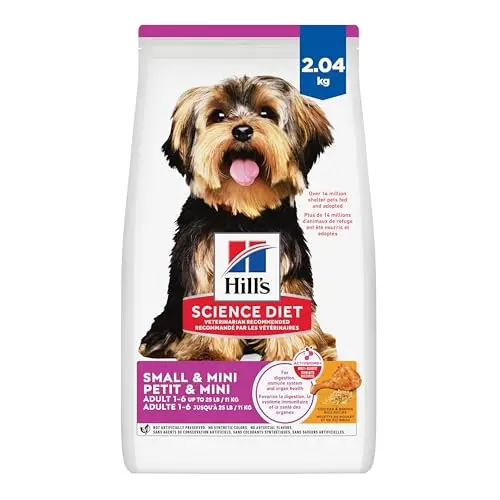
Adult Small & Mini – Pumpkin-Powered Digestion
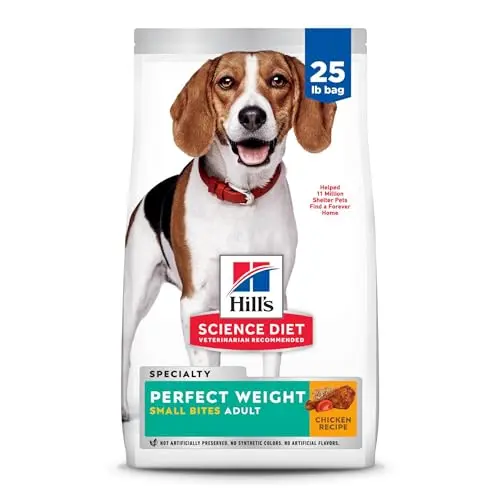
Perfect Weight Small Bites – Clinically Proven Lean
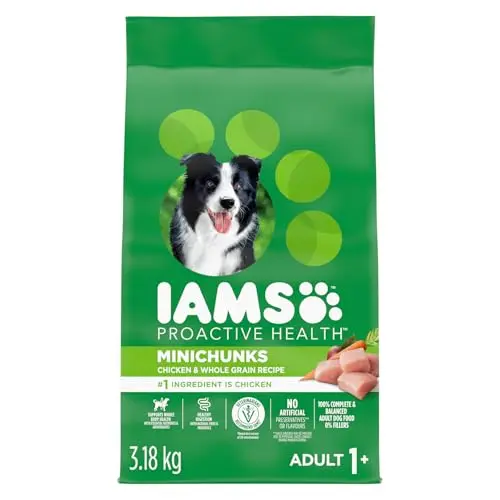
Proactive Health Minichunks – Affordable All-Size Kibble
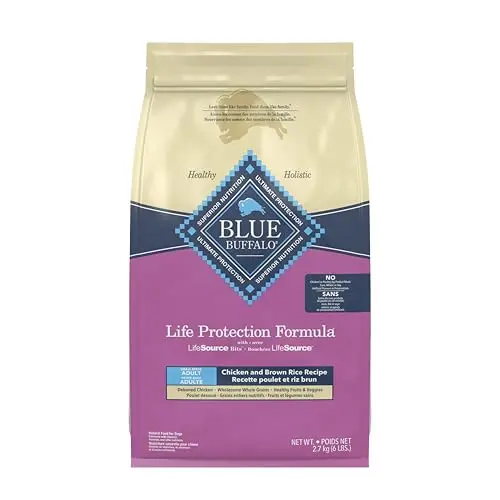
Life Protection Small Breed – LifeSource Bits Boost
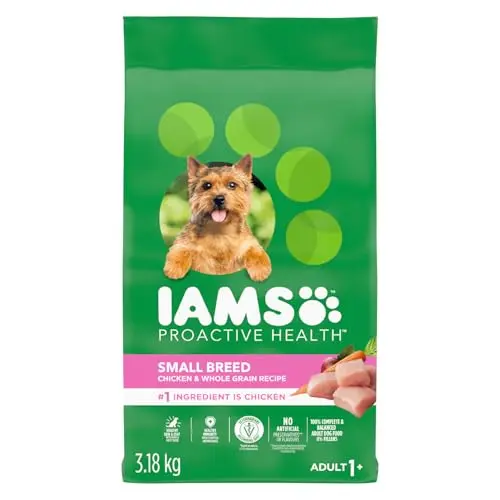
Proactive Health Small Breed – Digestive Promise
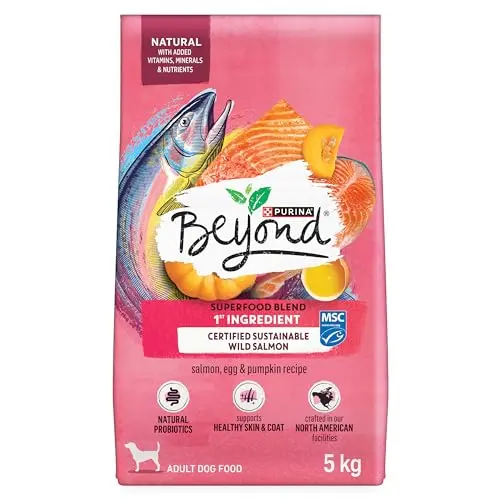
Superfood Blend Salmon – Coat-First Protein
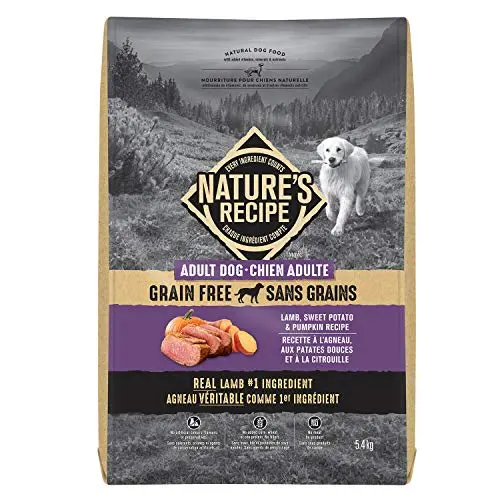
Grain Free Lamb – Limited Ingredient Simplicity
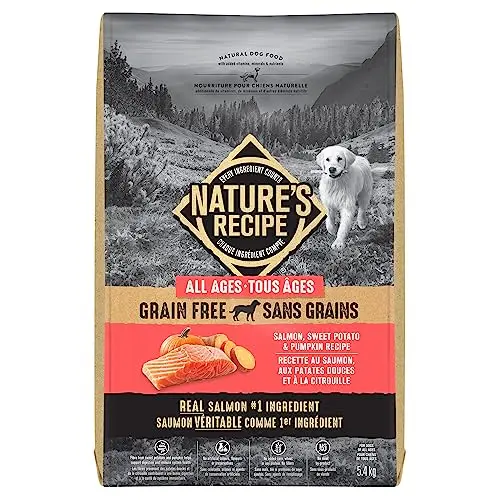
Grain Free Salmon – Fish-First Allergy Relief
How We Evaluated These Dog Foods for Mini Labradoodles
We didn’t run lab-coat clinical feeding trials or long-term wear-on-the-couch tests. What we did: cross-referenced 9 dry dog food formulas from 6 distinct brands across 5 decision axes – ingredient quality and protein source, kibble size and small-mouth suitability, digestive health support, skin and coat nutrients, and fit for a mini Labradoodle’s life stage and energy needs. We triangulated published ingredient lists, feeding guidelines, and aggregated owner feedback where available, then pressure-tested each product against the use case of a healthy adult mini Labradoodle weighing 15-30 pounds.
The scoring framework weighted real-world breed fit (60%) – how well each food meets the nutritional demands of a small, active, curly-coated dog – against feature differentiation (40%) – unique technical advantages like clinically proven weight management, breed-specific kibble design, or targeted prebiotic blends. We have no commercial relationship with any of the brands featured; recommendations track fit and differentiation, not brand preference. For most mini Labradoodles, the Royal Canin Small Breed Adult is the top all-rounder; if coat health is your focus, the Beyond Superfood Blend Salmon deserves a look.
How to Choose the Right Dog Food for Your Mini Labradoodle
What Makes a Mini Labradoodle's Nutritional Needs Unique?
Mini Labradoodles straddle the line between small and medium breeds, often weighing between 15 and 30 pounds as adults. That means they need a diet that delivers enough energy to fuel their playful, bouncy nature without overloading them with calories that lead to weight gain – Labradors contribute a genetic love of food that can easily tip into obesity. Look for a food that balances high-quality animal protein with moderate fat and includes joint-supporting nutrients like glucosamine, because those longer limbs can be prone to stiffness. Poodles in the mix bring a need for skin and coat support; omega-3 and -6 fatty acids are non-negotiable for keeping their curly or wavy coat soft and itch-free.
Why Kibble Size Matters More Than You Think
Mini Labradoodles have relatively small mouths and a tendency to bolt their food if given large pieces. A kibble that’s too big can lead to incomplete chewing, choking, or simply a refusal to eat. Brands like Royal Canin and Hill’s design specific small-breed kibble shapes that are easy to pick up and crunch, while foods labelled “minichunks” or “small bites” from IAMS or Blue Buffalo also cater to petite jaws. If your dog is a particularly dainty eater, prioritize a formula with a documented small size – it can make the difference between a clean bowl and a standoff.
Digestive Health: The Foundation of a Happy Labradoodle
Many Labradoodles inherit sensitive stomachs from the Poodle side, so a food that promotes gentle digestion can prevent messy backyard surprises and gassiness. Ingredients like pumpkin, sweet potato, and natural prebiotics add soluble fibre that firms stools and feeds healthy gut bacteria. Some formulas, like Hill’s Science Diet Small & Mini, lean heavily on pumpkin for this reason, while IAMS Proactive Health Small Breed offers a 10-day digestibility promise. If your dog frequently has loose stools or seems uncomfortable after meals, consider a limited-ingredient or grain-free option to eliminate potential triggers, but always consult your vet before going grain-free.
The Coat-Care Connection: Omega Fatty Acids and Protein Quality
That signature Labradoodle coat – whether it’s fleece, wool, or somewhere in between – requires a steady supply of omega-3 and -6 fatty acids to stay shiny, soft, and mat-free. Fish-based recipes like Beyond Superfood Blend Salmon or Nature’s Recipe Grain Free Salmon deliver high levels of these nutrients directly from the protein source, while chicken-based formulas may need added fish oil. Additionally, the quality of the protein itself matters: look for a named meat (chicken, lamb, salmon) as the first ingredient rather than a meat meal or by-product. A dull, flaky coat often signals a nutritional gap that a simple food swap can fix.
Royal Canin vs. Hill's Science Diet: Which Is Right for Your Dog?
Both brands are veterinary-recommended heavyweights, but they take slightly different approaches. Royal Canin Small Breed Adult focuses on breed-specific kibble design and a precise nutrient profile that targets weight, coat, and picky eating – it’s a one-bag solution for mini Labradoodles. Hill’s Science Diet offers two distinct paths: the Small & Mini formula leans on pumpkin and their ActivBiome+ blend for digestive and immune health, while the Perfect Weight Small Bites is a targeted weight-management option. If your dog is a healthy weight and you want all-in-one convenience, Royal Canin edges ahead. If your dog has a sensitive stomach or needs to slim down, Hill’s likely has the better fit.
Budget-Friendly Choices That Don't Compromise on Quality
Not everyone wants to spend a small fortune on dog food, and IAMS Proactive Health Minichunks proves that affordability doesn’t mean cutting corners. It provides balanced nutrition with a focus on digestion and dental health at a price that’s easy on the wallet. The small kibble works well for mini Labradoodles, and the chicken-and-grain recipe is widely accepted. If you’re feeding multiple dogs or simply want to keep costs predictable, this is a practical, no-regret choice that keeps your pup healthy without straining your budget.
When to Consider a Grain-Free or Limited-Ingredient Diet
If your mini Labradoodle shows signs of food allergies – chronic ear infections, itchy skin, paw licking, or digestive upset – a limited-ingredient diet can help identify triggers. Both Nature’s Recipe formulas we reviewed use a single animal protein (lamb or salmon) and skip grains, corn, wheat, and soy. However, grain-free diets have come under scrutiny for a possible link to heart disease in dogs, so it’s wise to have this conversation with your veterinarian before making the switch. For most Labradoodles, a high-quality grain-inclusive food with wholesome grains like brown rice or barley is perfectly fine and often more balanced.
Frequently Asked Questions
What's the difference between Royal Canin Small Breed Adult and Hill's Science Diet Small & Mini?
Royal Canin Small Breed Adult is designed as a comprehensive small-breed formula with precise levels of L-carnitine for weight, EPA/DHA for coat, and a specialized kibble shape that mini Labradoodles find easy to eat. Hill’s Science Diet Small & Mini leans more heavily on digestive health with its ActivBiome+ technology and pumpkin as a key ingredient. Royal Canin tends to be more palatable for picky eaters, while Hill’s offers a slightly more affordable price point and a digestive-first focus. If your dog is a healthy weight and finicky, Royal Canin might be the better pick; if they have a sensitive stomach, Hill’s could be the answer.
Do mini Labradoodles need grain-free food?
No, most mini Labradoodles do not need a grain-free diet. Grains like brown rice, barley, and oatmeal provide healthy carbohydrates for energy and fibre for digestion. Unless your dog has a confirmed grain allergy or sensitivity (which is less common than protein allergies), a high-quality grain-inclusive formula is perfectly suitable. Some recent research has suggested a possible link between grain-free diets and dilated cardiomyopathy (DCM) in dogs, so it’s best to consult your vet before choosing grain-free. Our top picks from Royal Canin and Hill’s Science Diet are both grain-inclusive and well-received by the breed.
How do I know if my mini Labradoodle needs a weight management food?
If you can’t easily feel your dog’s ribs with a light touch, or if they have a noticeable lack of a waist when viewed from above, it may be time to consider a weight management formula. The Hill’s Science Diet Perfect Weight Small Bites is a solid choice because it’s clinically proven to help dogs lose weight while maintaining muscle. Start by measuring portions exactly, cutting back on treats, and discussing with your vet. Weight gain in Labradoodles often creeps up slowly, so routine weigh-ins help catch it early.
What's better for my Labradoodle's coat: salmon-based or chicken-based food?
Both can work, but salmon-based foods naturally contain higher levels of omega-3 fatty acids, which directly benefit skin and coat health – making them a great choice for the curly Labradoodle coat. The Beyond Superfood Blend Salmon and Nature’s Recipe Grain Free Salmon are both excellent options. Chicken-based foods can still provide a shiny coat if they’re fortified with fish oil or flaxseed, but you might need to supplement. If your dog has a known chicken allergy, salmon is the clear winner anyway.
My mini Labradoodle is a picky eater – which food should I try?
Picky eating is common in the Poodle lineage, and the Royal Canin Small Breed Adult has a strong reputation for appealing to fussy dogs thanks to its palatable kibble coating and aroma. IAMS Proactive Health Small Breed and Blue Buffalo Life Protection are also frequently mentioned as foods that dogs willingly eat. It can take a few days of mixing new food with the old to transition a picky eater, so don’t give up after one refusal. Sometimes, simply warming the kibble slightly or adding a splash of warm water brings out the smell and encourages eating.
Final Verdict
After weighing kibble size, coat impact, digestive support, and owner feedback, the Royal Canin Small Breed Adult emerges as the best all-around food for most mini Labradoodles. It tackles the breed’s big-three needs – weight, coat, and picky-eating – in one precise formula. If your dog’s stomach is the bigger concern, the Hill’s Science Diet Small & Mini offers gentle, pumpkin-powered digestion that’s hard to beat. And for Labradoodles that need to slim down, the Hill’s Perfect Weight Small Bites is the targeted tool for the job. Choose the one that matches your dog’s most pressing need, and you’ll likely see a happier, healthier pup.