
Morkies – that adorable cross between a Maltese and a Yorkshire Terrier – bring big personality in a tiny package. But that small stature comes with some specific needs at mealtime. Many Morkie owners struggle with picky eating, sensitive stomachs, and keeping tear stains at bay, all while trying to find a kibble that’s actually small enough for those little jaws.
Choosing the right dog food isn’t just about picking a bag with a cute dog on the front. It’s about understanding what fuels your Morkie’s energy, supports their delicate digestion, and keeps that coat shiny and skin calm. We’ve surveyed the market – from vet-recommended staples to Canadian-made limited-ingredient options – to help you cut through the noise. This guide walks you through the best dry and wet foods tailored to Morkies, so you can make a confident choice for your furry friend.
Best Dog Foods for Morkies – 2026 Reviews
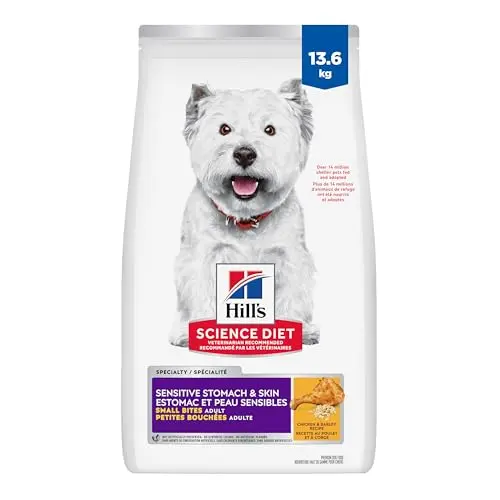
Science Diet Sensitive Stomach & Skin Small Bites – Gentle Digestion for Tiny Tummies
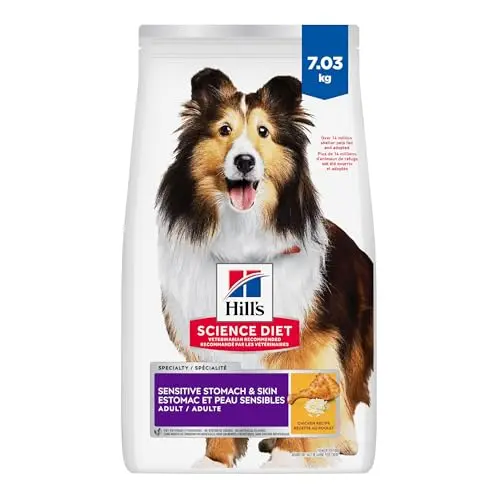
Science Diet Sensitive Stomach & Skin Adult – Proven Digestion Care in Standard Kibble
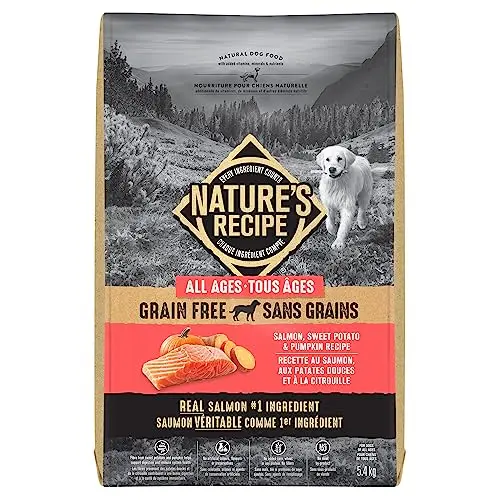
Grain Free Salmon, Sweet Potato & Pumpkin – Clean Eating on a Budget
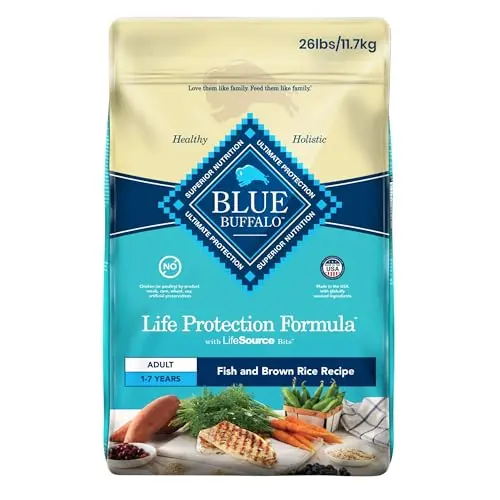
Life Protection Formula Fish & Brown Rice – Omega-Rich for Skin & Coat Health
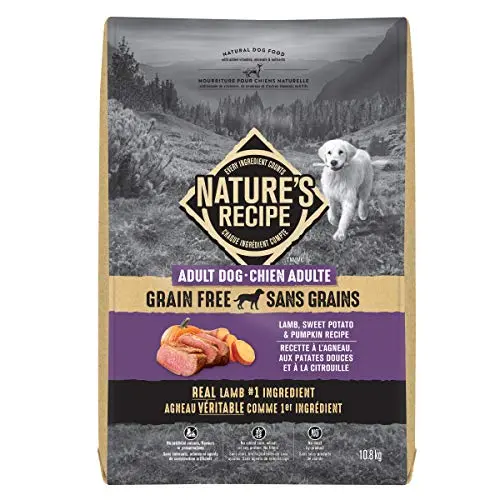
Grain Free Lamb, Sweet Potato & Pumpkin – Limited Ingredient for Sensitive Systems
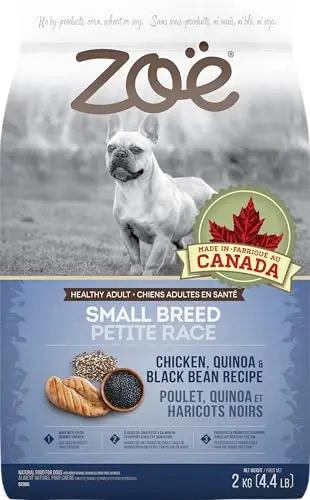
Zoe Small Breed Chicken, Quinoa & Black Bean – Canadian-Made with Probiotics
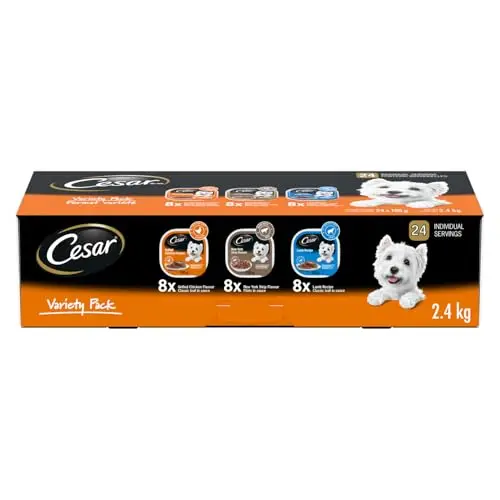
Classic Loaf in Sauce Variety Pack – Flavourful Wet Food for Picky Eaters
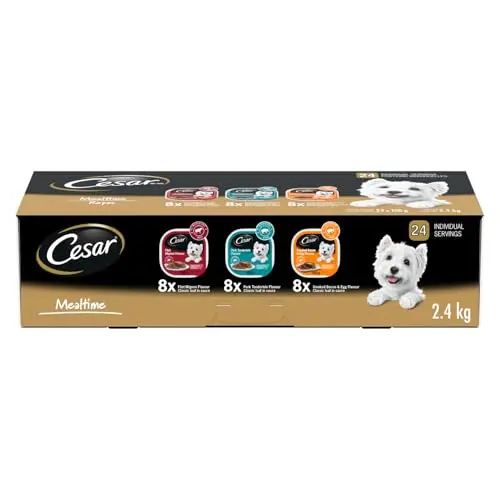
Classic Loaf in Sauce Mealtime Variety Pack – Convenient Wet Food Assortment
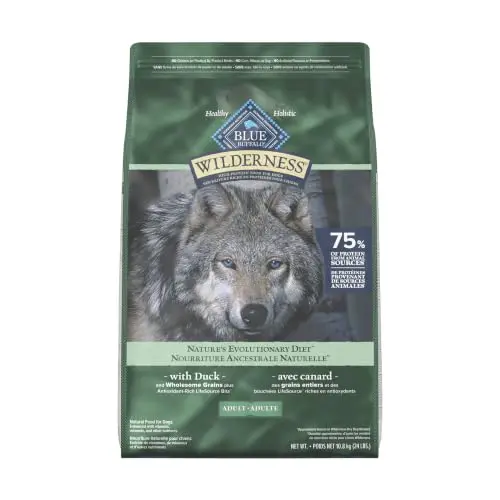
Wilderness Duck with Wholesome Grains – High-Protein Power for Active Dogs
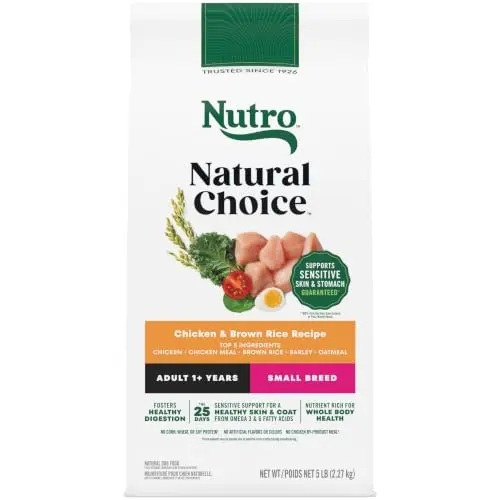
Natural Choice Small Breed Chicken & Brown Rice – Simple, Clean Formula
How We Evaluated These Dog Foods for Morkies
We did not conduct a controlled feeding trial or lab analysis of these foods. Instead, we cross-referenced 10 dry and wet dog food options from 6 distinct brands across 5 decision axes – protein quality and source, digestive health support (prebiotics, probiotics, fibre), kibble size or format suitability for tiny jaws, ingredient transparency and allergens, and targeted nutritional add-ins like omega fatty acids for skin and coat. We triangulated published manufacturer specifications, ingredient panels, and aggregated owner feedback where available to assess real-world performance and palatability for small, sensitive dogs like Morkies.
The scoring framework weighted real-world fit for Morkies (60%) – how well each option addresses common breed challenges such as digestive sensitivity, small mouth size, and skin troubles – against feature differentiation (40%) – unique technical advantages like novel proteins, Canadian sourcing, or vet-developed recipes. We have no commercial relationship with any of the brands featured; recommendations track how well a product serves the Morkie owner, not brand preference. If you’re seeking the best all-around daily diet, the Science Diet Sensitive Stomach & Skin Small Bites is our top pick; if you’re after a grain-free option that still respects the budget, the Nature’s Recipe Salmon, Sweet Potato & Pumpkin delivers outstanding value.
How to Choose the Right Dog Food for Your Morkie
Key Nutritional Needs for Morkies
Morkies may be small, but they have big nutritional demands. Because they inherit traits from both the Maltese and the Yorkshire Terrier, they’re predisposed to sensitive stomachs, food allergies, and dental issues. A high-quality protein – like chicken, fish, or lamb – should be the first ingredient to support lean muscle without overloading calories. Fats from sources like fish oil or flaxseed deliver omega-3 and omega-6 fatty acids, which keep the skin from flaking and the coat glossy. And because Morkies can be picky, the food needs to taste good enough that they actually finish the bowl.
Why Kibble Size Matters for Small Breeds like Morkies
This isn’t just a convenience factor – it’s a health one. Kibble that’s too large can be physically difficult for a Morkie to pick up and chew, leading to frustration at mealtime or even a risk of choking. Properly sized small breed kibble encourages chewing, which helps scrape plaque off teeth and slows fast eaters. If you notice your Morkie leaving food in the bowl or swallowing pieces whole, consider switching to a small bites formula. The Hill’s Science Diet Small Bites was engineered with this exact problem in mind.
Ingredients to Look For (and Avoid) in Morkie Food
When scanning an ingredient label, look for named meat proteins (chicken, salmon, duck) rather than vague ‘meat meal.” Whole grains like oats and brown rice provide energy and fibre, while grain-free alternatives like sweet potato and pumpkin are gentle on digestion. Added prebiotics and probiotics support gut health, which is crucial for Morkies prone to loose stools. On the flip side, avoid artificial colours, flavours, and preservatives, as well as corn, wheat, and soy – these are common allergens that can trigger itching and ear infections. The Zoe Small Breed recipe avoids these completely while adding functional superfoods.
Sensitive Stomachs and Skin: What to Watch For
If your Morkie frequently scoots, has loose stools, or battles itchy skin and tear stains, the diet is often the culprit. Foods with limited ingredients reduce the chance of an immune reaction, and those with digestive enzymes or fibre help firm up waste. Omega-3s from fish oil can calm systemic inflammation that shows up on the skin. Many owners see improvements within a few weeks when switching to a sensitive stomach formula like the Hill’s Science Diet Adult Sensitive Stomach & Skin. Keep a food diary if issues persist – it helps you identify which protein or grain might be the trigger.
Wet Food vs. Dry Food for Morkies
Dry kibble offers convenience and dental benefits, while wet food brings extra moisture – helpful for Morkies that don’t drink enough on their own. Wet food also tends to be more aromatic, which can stimulate a picky eater’s appetite. Many owners find a hybrid approach works best: a base of quality dry food topped with a spoonful of wet to elevate the taste and hydration. Cesar’s small 100g trays are perfectly portioned for this, minimizing waste. If your Morkie has dental problems or missing teeth, wet food may be the gentler option, but you’ll need to maintain dental hygiene in other ways.
How to Transition Your Morkie to a New Food
Abrupt diet changes are a recipe for digestive upset in Morkies. Transition over 7 to 10 days, gradually mixing in more of the new food while reducing the old. Start with 25% new food for a couple of days, then 50%, then 75%, until you’ve fully switched. Watch for signs of intolerance – vomiting, diarrhoea, excessive scratching – and slow the transition if needed. Keep in mind that some foods (especially those with higher fibre or novel proteins) may take longer for the gut to adjust. If you’re switching to a grain-free or limited-ingredient diet, allow extra patience during this window.
Reading Dog Food Labels: A Quick Guide
Don’t be swayed by marketing buzzwords – learn to decode the guaranteed analysis and ingredient list. The first ingredient should always be a named meat (e.g., deboned chicken, salmon). Protein content for adult Morkies typically ranges from 22% to 30% on a dry matter basis. Check for AAFCO statements confirming the food is complete and balanced for maintenance. And remember that ingredients are listed by weight before processing, so a fresh meat that’s 70% water might weight-adjust differently than a concentrated meat meal. When in doubt, choose a food from a brand with a veterinary nutritionist on staff – this often correlates with more rigorous formulation.
Frequently Asked Questions
What's the difference between Hill's Science Diet Sensitive Stomach & Skin and the Small Bites version?
The core formula is nearly identical – both rely on prebiotic fibre from beet pulp and omega-6s with vitamin E to support digestion and coat health. The key difference is the kibble size. The Small Bites version is physically smaller and flatter, making it easier for tiny mouths like a Morkie’s to chew comfortably. If your Morkie struggles with standard kibble or tends to inhale food, the Small Bites is worth the switch. The standard version is slightly more cost-effective per kilogram, so if your dog handles larger pieces fine, you can save a bit by going that route.
How does Zoe Small Breed compare to Nutro Natural Choice for Morkies?
Both are small breed specific with chicken as the first ingredient, but Zoe adds functional superfoods (quinoa, chia, flax) and prebiotics and probiotics for digestive health – features Nutro doesn’t explicitly highlight. Nutro keeps things simpler with a non-GMO ingredient panel and omega fatty acids, but lacks added gut-support ingredients. In practice, Zoe tends to score higher with Morkie owners reporting improved stool quality and reduced stomach upset. Nutro, however, is slightly more affordable and widely available. If your Morkie’s digestion is already solid, Nutro works; if not, Zoe provides an extra cushion.
Why do Morkies benefit from small kibble?
Morkies have small jaws and delicate teeth, inherited from their toy breed parents. Small kibble is physically easier for them to pick up, crunch, and swallow safely. Beyond comfort, it also promotes dental health because every crunch scrapes plaque off teeth. If kibble is too big, a Morkie might give up eating or attempt to swallow it whole, which can cause gagging or digestive issues later on. That’s why many owners see a noticeable improvement in mealtime enthusiasm and overall condition after switching to a small bite formula.
Is grain-free food better for Morkies?
Not necessarily. Grain-free can be helpful if your Morkie has a confirmed grain allergy or sensitivity, but many dogs thrive on whole grains like oats and brown rice. The key is the quality of the grain and how well your individual dog tolerates it. For Morkies with itchy skin or ear infections, trying a grain-free recipe might reduce inflammation if grains were the trigger. However, recent concerns about grain-free diets and heart health in dogs suggest you should discuss any major diet change with your vet first. If your Morkie does well on a grain-inclusive formula, there’s no compelling reason to switch.
Can I mix wet and dry food for my Morkie?
Absolutely, and many Morkie owners do exactly that to increase palatability and hydration. Mixing a spoonful of wet food into dry kibble can entice a picky eater and add moisture to the diet, which supports urinary tract health. Just be mindful of the overall calorie count – adjust the dry portion downward if you’re adding significant wet food, as Morkies gain weight easily. Use a wet food like Cesar’s small breed trays that are already single-serve, so you don’t have to store leftovers.
Final Verdict
For the vast majority of Morkie households, the Hill’s Science Diet Sensitive Stomach & Skin Small Bites is the clear frontrunner – it tackles the breed’s two biggest pain points (sensitive digestion and small mouths) in one carefully crafted formula. If you’re watching your budget but still want a clean, grain-free option that doesn’t compromise on quality, the Nature’s Recipe Salmon, Sweet Potato & Pumpkin is an exceptional value. And for those committed to Canadian-made formulas with functional supplements, Zoe Small Breed is purpose-built for these little dogs. No matter which you choose, remember that every Morkie is an individual – start with the food that aligns best with their specific quirks and your routine, and transition slowly for a happy, wagging outcome.