
Your Pomeranian-Chihuahua mix is a tiny dog with a big personality – and an even bigger need for the right nutrition. Finding a food that fits their miniature jaw, supports their sensitive digestion, and powers their boundless energy isn’t always straightforward. The wrong kibble size can be a choking hazard or go uneaten, while fillers and hard-to-digest ingredients can trigger tummy troubles that leave both of you miserable.
We compared the top small-breed dry dog foods from major brands to zero in on formulas that genuinely suit toy-breed dogs like Pomeranians, Chihuahuas, and their mixes. Below you’ll find picks for puppies and adults, options for sensitive stomachs, and even a budget-friendly standby – all with kibble tiny enough for the smallest mouths.
Best Dog Food for Pomeranian Chihuahua – 2026 Reviews
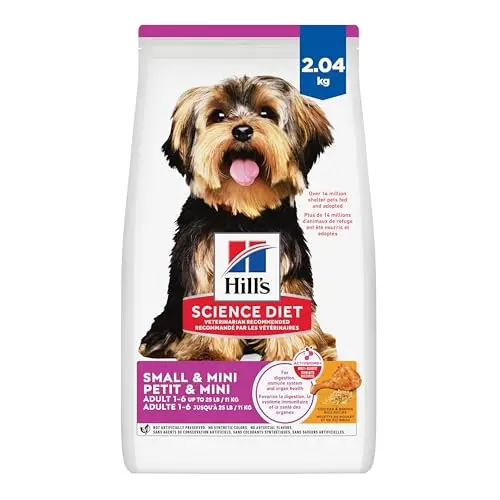
Adult Small & Mini – Digestive Health & Lean Muscles
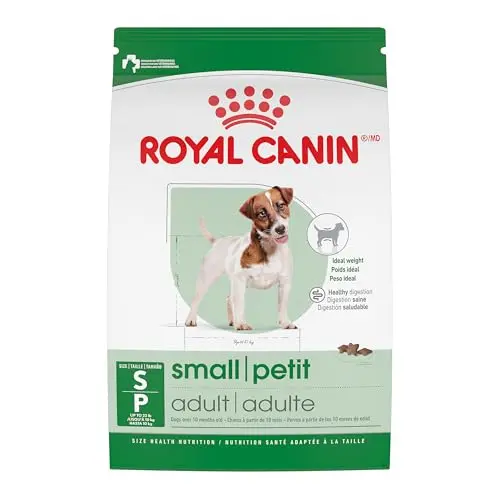
Small Breed Adult – Weight & Coat Health
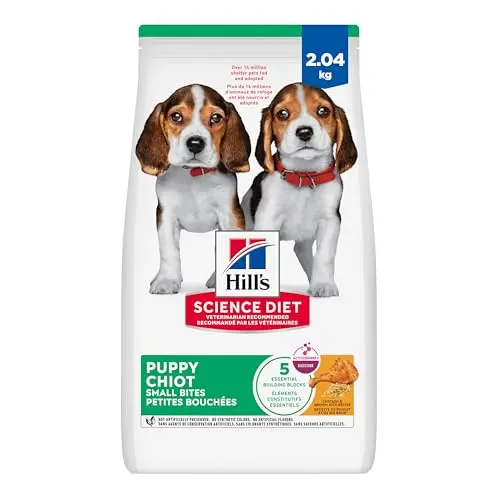
Puppy Small Bites – Brain & Eye Development
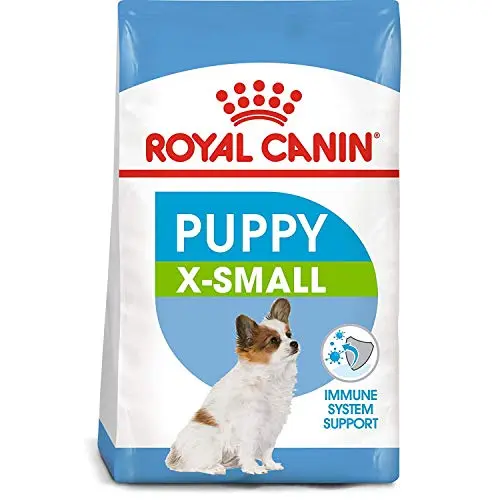
X-Small Puppy – Immune & Brain Support
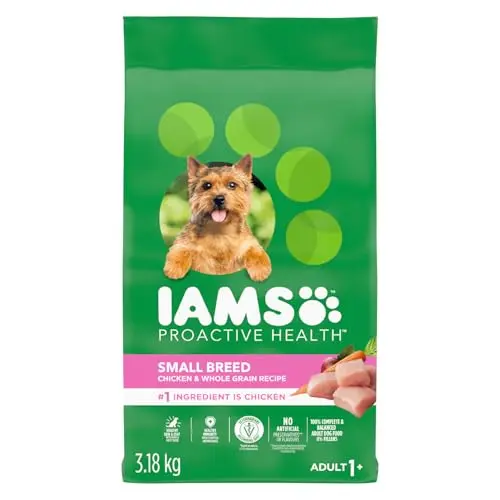
Small Breed Chicken – Optimal Digestion
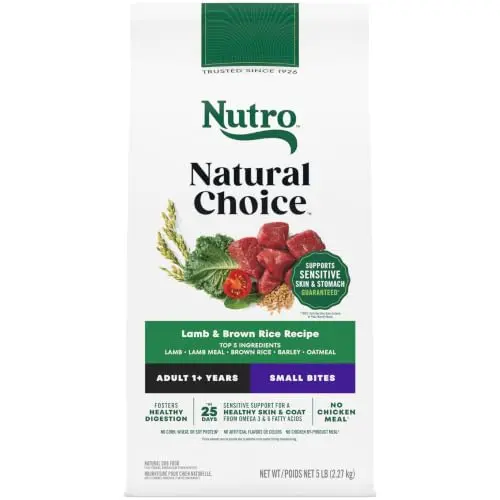
Small Bites Lamb – Gentle Digestion & Skin Health
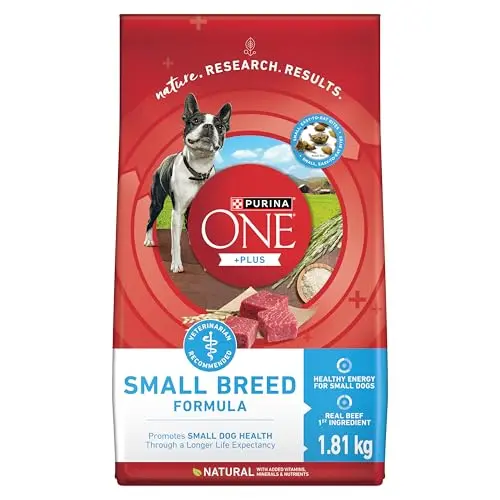
Small Breed Beef – Strong Muscles & Immune Support
How We Evaluated These Dog Foods for Pomeranian Chihuahuas
We didn’t run controlled feeding trials or long-term wear studies on actual packs of Pomeranian-Chihuahua mixes. What we did: cross-referenced 7 small-breed dry dog foods from 5 distinct brands across 6 decision axes – kibble size, ingredient quality, digestive support, skin and coat care, life stage suitability, and protein source. We triangulated published specifications, aggregated owner feedback where available, and mapped each formula against the known dietary needs of toy-breed dogs with small mouths and often sensitive stomachs.
The scoring framework weighted real-world performance (60%) – how well each option meets the demands of a tiny, high-energy companion – against feature differentiation (40%) – unique technical advantages like prebiotic blends, breed-specific kibble design, or single-protein recipes. We have no commercial relationship with any of the brands featured; recommendations track fit and differentiation, not brand preference. If you’re looking for the most complete adult formula, the Adult Small & Mini is your match; if weight control is the priority, the Small Breed Adult serves you better.
How to Choose the Right Dog Food for Your Pomeranian Chihuahua
Why Small-Breed Formulas Matter for Tiny Dogs
Toy breeds like the Pomeranian-Chihuahua mix have distinct nutritional needs. Their small jaws mean standard kibble can be too large to chew comfortably, sometimes leading to choking or food refusal. Beyond size, their metabolism runs faster, so they need calorie-dense nutrition that doesn’t overload their tiny stomachs – otherwise, they may fill up before getting enough energy.
A good small-breed food also accounts for breed-specific tendencies: dental issues are common in tiny mouths, so some kibble is shaped to encourage chewing, while patellar luxation and joint concerns can benefit from formulas with balanced calcium and phosphorus. Look for the words ‘small breed” or ‘toy breed” on the bag as a minimum signal that the manufacturer has thought about these factors.
Kibble Size: The First Gatekeeper
If the kibble is too big, your dog won’t eat it – period. Both Pomeranians and Chihuahuas have extremely small mouths, and their mixes inherit that trait. Micro-kibble or extra-small pellets are ideal, often under 8 mm in diameter. Brands like Royal Canin design their X-Small formulas specifically for adult dogs under 8 lbs. When in doubt, examine a sample; if the piece looks like a pea or larger, it’s probably too big.
Kibble shape also matters. Some are flat and round, others are cross-shaped to slow eating. For dogs that wolf their food, a slower-eating shape can reduce the risk of bloat, though that’s less common in tiny breeds.
Puppy vs. Adult: Getting the Life Stage Right
A Pomeranian-Chihuahua puppy (under about 10 months) has different requirements than an adult. Puppy formulas contain higher protein and fat for growth, plus DHA for brain and eye development. Feeding adult food too early can short-change a puppy’s development, while giving puppy food to an adult can cause unhealthy weight gain.
Because these mixes mature quickly, you can transition to adult food around 9-12 months. Monitor your dog’s body condition score – if you can’t feel their ribs easily, it may be time to switch or reduce portions. If you adopt an adult unsure of their history, lean toward an adult formula with moderate fat unless your vet advises otherwise.
Ingredient Sensitivities and Allergies
Many small dogs develop food sensitivities over time, with symptoms like itchy skin, ear infections, or loose stools. Chicken is a common culprit, so if you notice these signs, a single-protein lamb or fish recipe may be a safer bet. The Nutro Small Bites Lamb, for example, avoids chicken entirely.
Grains aren’t inherently bad, but some dogs respond better to grain-free or limited-ingredient diets. If your vet suspects an allergy, an elimination diet using a novel protein (like duck or venison) may be the next step. Keep in mind that grain-free diets have been linked to dilated cardiomyopathy (DCM) in some dogs, so discuss any long-term diet changes with your vet.
Digestive Health: Prebiotics, Fibre, and Pumpkin
A sensitive stomach is practically a trait of the Chi-Pom world. Look for foods that include prebiotic fibres (like beet pulp or chicory root) to feed beneficial gut bacteria, and pumpkin as a source of gentle, soluble fibre. Hill’s Science Diet’s Adult Small & Mini formula uses both a proprietary prebiotic blend and pumpkin, and it’s one reason it ranked at the top.
If loose stools are a recurring issue, also check the fat content – some dogs do better with moderately low fat (around 12‑15%). Avoid foods with ambiguous ‘animal fat” or ‘meat meal” as the primary fat source, opting instead for named fats like chicken fat or fish oil.
Hill's vs Royal Canin vs Purina: The Small-Breed Showdown
These three brands dominate the small-breed category, but they take different approaches. Hill’s Science Diet leans heavily on clinical research around digestion and microbiome health, with its ActivBiome+ blend. Royal Canin focuses on breed-specific kibble design and precise nutrient profiles, often including L-carnitine for weight management. Purina ONE offers a more accessible price while still delivering high-quality protein and immune support.
For an adult Pomeranian-Chihuahua with no major issues, Hill’s is the strongest all-rounder. If weight tends to creep up, Royal Canin’s formula edges ahead. And if budget is a constraint but you don’t want to sacrifice protein quality, Purina ONE is a solid daily driver.
Frequently Asked Questions
What's the difference between Royal Canin Small Breed Adult and Hill's Science Diet Adult Small & Mini?
Both are excellent, but they prioritize different things. Hill’s emphasizes digestive health through its ActivBiome+ prebiotic blend and added pumpkin, making it ideal if your dog has a sensitive stomach or inconsistent stools. Royal Canin, on the other hand, focuses more on weight management via L-carnitine and skin/coat health through added EPA and DHA. The Royal Canin kibble is also designed for fussy eaters, while Hill’s relies on its natural palatability. If your Chi-Pom is a healthy weight and you just want a trouble-free daily food, go with Hill’s. If they need a little extra help staying trim or have a dull coat, Royal Canin may be the better call.
Is grain-free food better for a Pomeranian Chihuahua?
Not necessarily. While grain-free diets were popularised for dogs with grain allergies, true grain allergies are relatively rare. More common are protein allergies (like chicken). Grain-free foods often replace grains with legumes and potatoes, which some research suggests may be linked to heart issues in certain breeds. Unless your vet has confirmed a grain sensitivity, a high-quality grain-inclusive formula with whole grains like brown rice or oatmeal is typically safe and provides useful energy. The Hill’s and IAMS options in our lineup contain whole grains and are well-tolerated by most small dogs.
How do I transition my picky Pomeranian-Chihuahua to a new food?
Take it slowly – over 7 to 10 days. Start with 75% old food and 25% new. Gradually increase the new food every couple of days, while reducing the old. Warming the kibble slightly or adding a small amount of warm water can release aromas and make it more enticing. Avoid free-feeding; offer the meal for 15‑20 minutes, then remove any uneaten portion. This teaches your dog that food appears at set times. Most dogs in this size range only need 2 small meals a day to prevent hypoglycemia.
Do Pomeranian-Chihuahua mixes need puppy food or adult food?
It depends on age. Puppies under about 10 months benefit from puppy formulas because they contain higher calorie density and DHA for rapid brain development. Both the Hill’s and Royal Canin puppy options in our lineup are excellent for this stage. Once they reach skeletal maturity, usually around 10-12 months, switching to an adult food prevents excessive weight gain. If you’re unsure, your vet can assess their growth plates during an exam. For adopted adults of unknown age, an adult formula is the safer default.
What should I do if my dog has chronic loose stools on these foods?
First, rule out parasites or medical issues with your vet. If those are clear, look at the food’s fibre source. Pumpkin, beet pulp, and chicory root are gentle fibre sources that can firm up stools. Also, consider switching to a limited-ingredient diet with a novel protein – the Nutro Lamb formula, for example, avoids common triggers. Adding a vet-recommended probiotic can also help. Keep in mind that a transition that’s too fast (see above) can cause loose stools, so always introduce new food gradually.
Final Verdict
For the majority of Pomeranian-Chihuahua mixes, the Hill’s Science Diet Adult Small & Mini is the easy recommendation – it balances digestive care, lean muscle support, and a kibble size that actually fits tiny mouths, all without a single gimmick. If your dog tends to pack on the kilos or is a notoriously picky eater, the Royal Canin Small Breed Adult steps in with targeted weight management and a palatable formula. For puppies, the Hill’s Science Diet Puppy Small Bites is the developmental pick, loaded with DHA and easy to chew. And for households where budget matters most, the Purina ONE Small Breed Beef proves that solid nutrition doesn’t have to cost a fortune. Whichever you choose, your tiny companion will feel the difference at mealtime.