
Bringing home a bouncy medium breed puppy means your feeding choices over the next 12-18 months will shape everything from bone density to brain development. Unlike toy or giant breeds, medium puppies grow at a steady clip-fast enough that nutrition gaps show up quickly, but not so explosively that caloric density becomes the only priority. Getting the food right is less about brand loyalty and more about finding a formula that matches your pup’s size, energy, and digestive quirks.
We looked across the major brands to compare how they handle the two things that matter most for medium breeds: protein quality for lean muscle and targeted DHA levels for cognitive development. Dig deeper and you’ll find differences in kibble design, probiotic blends, and ingredient sourcing that separate a solid daily ration from one that actually optimizes the middle-weight growth curve. This guide breaks down which dry foods deliver where it counts-so you can choose with confidence, not guesswork.
Best Dog Food for Puppies Medium Breed – 2026 Reviews
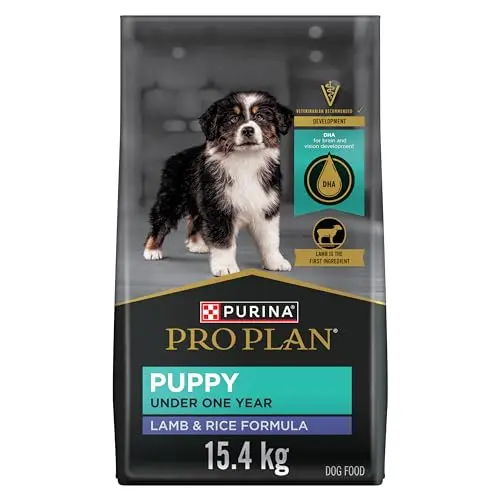
Development Lamb & Rice Formula – DHA & Probiotics for Lean Growth
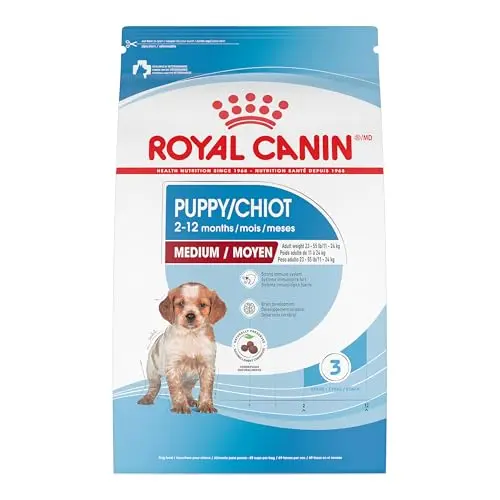
Medium Breed Puppy – Tailored Kibble & Digestion Support
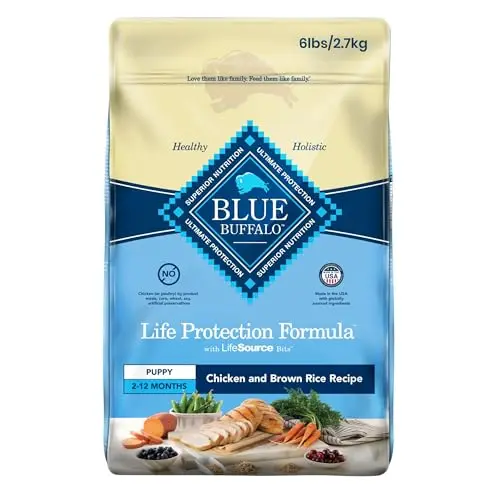
Life Protection Puppy Chicken & Brown Rice – DHA & LifeSource Bits
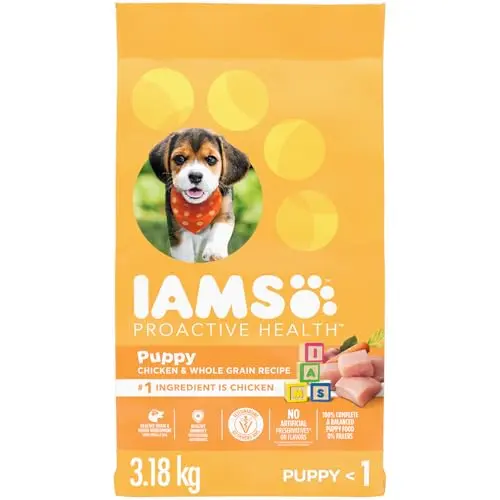
Proactive Health Puppy Chicken & Whole Grain – Omega-3 DHA & 22 Nutrients
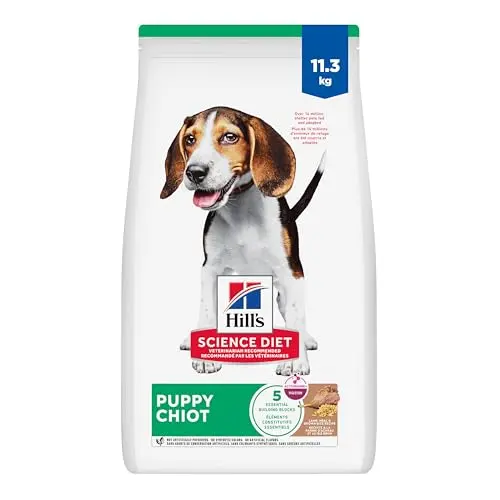
Puppy Lamb Meal & Brown Rice – DHA & Prebiotic Gut Support
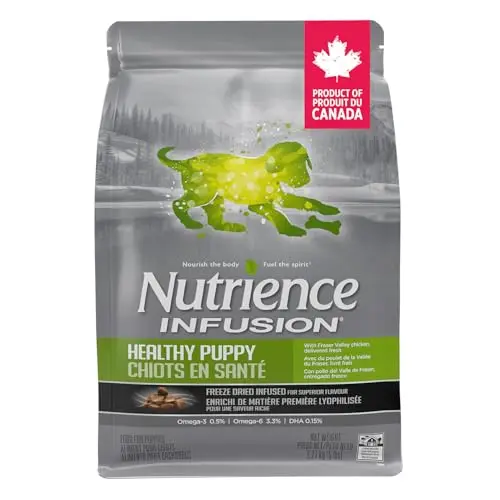
Infusion Healthy Puppy – Freeze-Dried Chicken & Probiotics
How We Evaluated These Dog Food for Puppies Medium Breed
We didn’t run controlled feeding trials in a kennel or track weight milestones over six months. What we did: cross-referenced 6 dry puppy food formulas from 6 distinct brands across five decision axes-protein quality and source, DHA/ARA content for brain development, kibble size and texture for medium mouths, digestive support via pre/probiotics, and breed-specific formulation. We triangulated published ingredient lists and guaranteed analyses, absorbed owner feedback where available, and mapped each recipe against the known nutritional needs of medium breed growth curves.
The scoring framework weighted real-world medium-breed fit (60%)-how well a food delivers the protein, fat, and key metabolites these pups actually need-against feature differentiation (40%)-unique ingredients, kibble engineering, or digestive-health extras that separate one bag from the next. We have no commercial relationship with any of the brands featured; recommendations track fit and differentiation, not brand preference. If you’re looking for the best all-around performer for a medium breed puppy, the Purina Pro Plan Development Lamb & Rice is our top pick. If breed-specific precision matters more, the Royal Canin Medium Breed Puppy earns a close look.
How to Choose the Right Dog Food for Medium Breed Puppies
Why Protein Quality Matters for Medium Breed Puppies
Medium breeds build lean muscle at a steady pace, and the protein source-chicken, lamb, or fish-must be highly digestible to keep up. Look for a named animal protein as the first ingredient; it signals that the food delivers the amino acids a growing frame needs without relying heavily on plant proteins. Whole meats and meals (like chicken meal or lamb meal) are concentrated sources, while by-product meals vary in quality and may not offer the same nutritional consistency.
Beyond the protein percentage, pay attention to the fat-to-protein ratio. Medium pups need enough fat for energy and hormone production, but too much can lead to pudgy joints before the skeleton is ready. Formulas that balance protein around 27-30% with fat in the 16-18% range tend to support lean growth without excess weight gain in this weight class.
The Role of DHA in Puppy Brain Development
DHA (docosahexaenoic acid) is an omega-3 fatty acid that accumulates in the brain and retina during the first year, directly affecting trainability and vision. Most premium puppy foods now include DHA from fish oil or marine algae, but the levels vary. For medium breeds, a DHA guarantee on the label-usually alongside ARA-indicates the manufacturer has prioritized cognitive development rather than treating it as an afterthought.
Without sufficient DHA, puppies may still grow physically normal but could be slower to pick up commands or less visually acute. It’s one of those invisible nutrients where a small investment upfront pays off in a sharper, more responsive adult dog. When comparing foods, check the guaranteed analysis for DHA content (often around 0.1% minimum).
Kibble Size: Why It's Important for Medium Breeds
A mouth-sized for a Border Collie isn’t the same as one built for a Great Dane, yet many puppy foods ship a one-size-fits-all pellet. Medium breed puppies benefit from a kibble that’s large enough to encourage chewing-which slows eating and aids digestion-but small enough that they won’t struggle or swallow air. Royal Canin’s breed-specific approach is a good example: their medium puppy kibble is engineered with texture and dimensions to match the jaw mechanics of dogs in the 23-55 lb range.
If you notice your puppy gulping food or leaving half-chewed kibble behind, the size may be off. Switching to a medium-targeted formula often solves these issues and can even improve stool consistency simply because they’re chewing properly.
Digestive Health: Probiotics, Prebiotics, and Fiber
A healthy gut does more than produce firm stools-it underpins the immune system, nutrient absorption, and even behaviour. Many puppy foods now include guaranteed live probiotics (like those in Purina Pro Plan) or prebiotic fibers (like the blend in Hill’s Science Diet) to nourish existing gut bacteria. For medium breeds, a stable digestion means consistent energy and fewer upset stomach days during the critical growing months.
When evaluating digestive claims, look for specifics: the strain of probiotic (e.g., Enterococcus faecium), the type of prebiotic (chicory root, fructooligosaccharides), and whether they’re listed with a CFU count. General ‘digestive support” language without detail may not deliver the same impact.
Chicken vs Lamb: Which Protein Is Best for Your Puppy?
Chicken is the most common puppy protein because it’s lean, widely available, and palatable. But not every puppy tolerates chicken well, which is where lamb-based recipes like Purina Pro Plan’s Development Lamb & Rice or Hill’s Science Diet Lamb Meal come in. Lamb tends to be slightly richer and can be a good alternative if your medium breed pup shows signs of food sensitivity-itchy skin, ear infections, or loose stools that don’t resolve with probiotics.
There’s no nutritional superiority of one over the other; the best protein is the one your puppy thrives on. If you’re starting from scratch, a chicken formula is usually a safe bet. But if problems arise, switching to a lamb or fish-based recipe within the same brand family is often easier on the digestive system than a complete food change.
How Much Should You Spend on Medium Breed Puppy Food?
Puppy food pricing runs from sub-$30 bags to over $100 for the same weight, and more expensive doesn’t always mean better for your specific dog. What you’re paying for is ingredient sourcing (named meals vs by-products), nutritional extras (DHA, probiotics, specialized kibble), and sometimes brand prestige. For medium breeds, a mid-range food that checks the protein, DHA, and digestibility boxes often provides 95% of the benefit of a top-tier bag.
Budget-friendly options like IAMS Proactive Health deliver solid baseline nutrition at a fraction of the cost, while premium picks like Royal Canin invest in breed-specific engineering. The sweet spot is a food your puppy eats enthusiastically, digests well, and fits your monthly budget without compromise on core nutrients.
Frequently Asked Questions
What's the difference between Purina Pro Plan and Royal Canin for medium breed puppies?
Both are excellent, but they approach medium breed nutrition differently. Purina Pro Plan focuses on high-protein, real lamb as the first ingredient and backs it with live probiotics for digestive health. Royal Canin leans heavily into breed-specific kibble design and a precise nutrient profile for dogs expected to reach 23-55 lbs. If cost-per-pound matters, Purina is more affordable; if you want a food engineered down to the mouthfeel, Royal Canin is worth the premium. Both include DHA for brain development.
How does Blue Buffalo compare to Hill's Science Diet for medium puppies?
Blue Buffalo’s Life Protection formula differentiates itself with a clean ingredient panel-no corn, wheat, soy, or poultry by-product meals-and adds antioxidant-rich LifeSource Bits. Hill’s Science Diet, in its lamb recipe, offers a prebiotic fiber blend that specifically targets the gut microbiome. For a puppy with suspected food sensitivities, Blue Buffalo’s omission of common allergens can be a game-changer. If digestive regularity is the main concern, Hill’s prebiotic focus might give it an edge. Both provide DHA for brain and eye support, so it often comes down to whether your puppy tolerates chicken better (Blue Buffalo) or lamb (Hill’s when choosing that variant).
Is a medium breed-specific formula really necessary?
It’s not strictly necessary-general puppy foods that meet AAFCO standards will support growth-but breed-specific formulas offer two key advantages. First, kibble size and texture are tailored to medium mouth mechanics, which encourages chewing and can improve digestion. Second, the caloric density and mineral balance (especially calcium and phosphorus) are calibrated for steady, not explosive, growth. This helps avoid orthopedic problems that sometimes appear in breeds like Border Collies or Australian Shepherds when fed an overly rich diet. If you’re using an all-breed puppy food, just monitor body condition and adjust portions carefully.
When should I switch from puppy food to adult food for a medium breed?
Most medium breeds reach physical maturity between 12 and 15 months. At that point, you can transition to an adult formula over a week or two. Signs your puppy is ready: growth has plateaued (weight stable for a few weeks), adult teeth are fully in, and your vet confirms skeletal maturity. Switching too early can shortchange joint and bone development; waiting a bit longer is safer than rushing. Keep in mind that some larger medium breeds (like Boxers) might benefit from extended puppy feeding through 18 months.
Final Verdict
For most medium breed puppy owners, the Purina Pro Plan Development Lamb & Rice is the clear winner-it hits every major nutritional mark with real lamb, DHA, and live probiotics at a price that doesn’t sting. If you’re willing to pay more for a food engineered specifically for medium mouths and guts, the Royal Canin Medium Breed Puppy is a premium alternative that many breeders trust. Budget-conscious homes will find the IAMS Proactive Health Puppy covers the basics admirably. And if your puppy scoffs at chicken or has a sensitive system, the Blue Buffalo Life Protection earns its place as our pick for sensitive stomachs. Choose based on your puppy’s reality, not brand hype.