
If your dog occasionally brings up their food shortly after eating, you’re not alone. Regurgitation – where undigested food is expelled without warning – is a common canine complaint, often linked to food that’s too hard to process or gulped down too fast. The good news? The right diet can make a real difference.
We compared dry dog foods formulated with digestibility in mind, looking at everything from prebiotic support to kibble texture. Whether you’ve got a small-breed picky eater or a big dog with a sensitive gut, these picks are designed to stay down and fuel your dog right. Our cross-brand survey covers the market’s standout options, and we’ll walk you through what matters most when every meal counts.
Best Dog Food for Regurgitation – 2026 Reviews
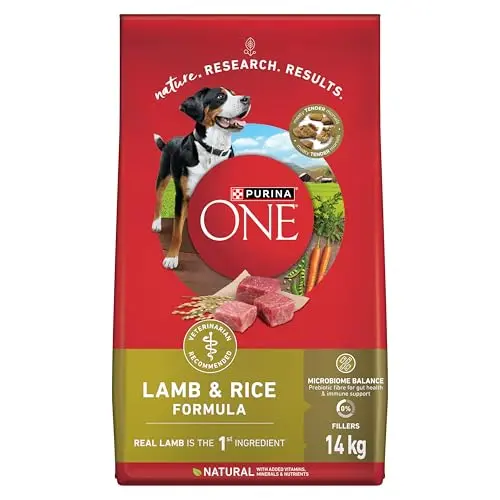
Microbiome Balance – Digestive Health Support
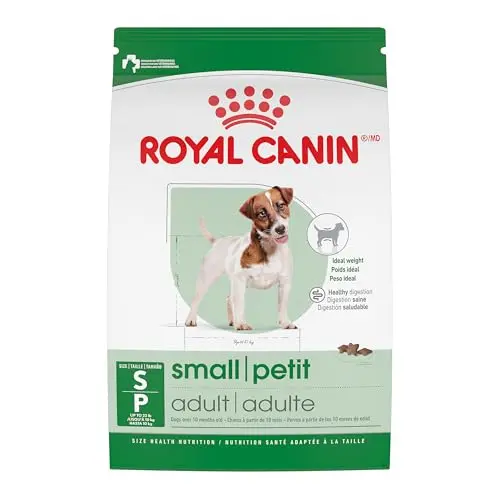
Small Breed Formula – Tummy-Friendly Kibble
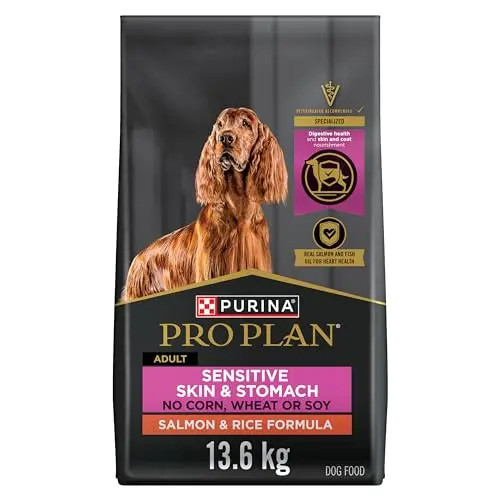
Sensitive Stomach Formula – Gentle Digestion
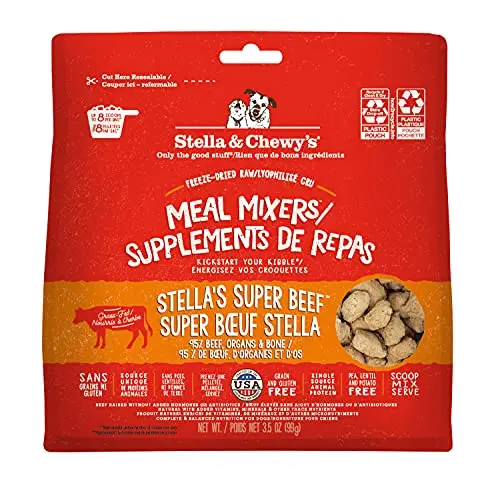
Super Beef Meal Mixer – Raw Digestive Boost
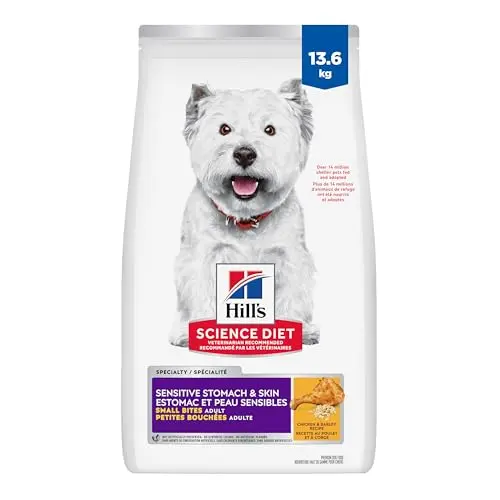
Sensitive Stomach Chicken Recipe – Small Bites, Big Relief
How We Evaluated These Dog Foods for Regurgitation
We didn’t conduct veterinary-supervised feeding trials or long-term digestive monitoring. What we did: cross-referenced 5 dog food models from 5 distinct brands across 6 decision axes – ingredient quality, digestibility, prebiotic support, protein source, kibble size, and aggregated owner feedback – to find foods that help minimize regurgitation. We triangulated published specifications, nutrient profiles, and real-world use patterns where available.
The scoring framework weighted real-world performance (60%) – how effectively each formula delivers on its digestive promises – against feature differentiation (40%) – unique advantages like microbiome-targeted prebiotics or specialized kibble textures. Recommendations are independent of brand affiliation. If your dog struggles with repeat regurgitation, the Purina ONE Microbiome Balance is our top pick for its gut-first approach; for a sensitive-stomach classic, the Pro Plan Sensitive Stomach remains a standout.
How to Choose the Right Dog Food for Regurgitation
What Causes Regurgitation in Dogs?
Regurgitation is different from vomiting – it’s a passive process where undigested food comes back up from the oesophagus, often minutes after eating. Common triggers include eating too fast, hard-to-digest ingredients, or underlying oesophageal issues. Diet plays a huge role. Foods that are highly digestible and easy to break down can reduce the likelihood of food coming back up. If your dog is a gulper, kibble size and shape matter too; specialized textures force slower chewing.
Key Ingredients for Digestive Health
Look for prebiotic fibres like beet pulp or chicory root – they feed the good gut bacteria that support digestion. Highly digestible proteins (real meat as the first ingredient, not by-products) are easier on the stomach. Omega fatty acids from ingredients like fish oil or flaxseed can soothe inflammation in the digestive tract. Avoid common fillers like corn, wheat, and soy if your dog has sensitivities. The Purina ONE Microbiome Balance excels here with its prebiotic-forward formula.
Kibble Size and Shape: Why It Matters for Regurgitation
Dogs that regurgitate often do so because they don’t chew enough. Smaller kibble can be swallowed whole, but a specialized shape – like the curved, porous pieces in the Royal Canin Small Breed – encourages crunching. That extra chewing triggers saliva production, which starts the digestive process. For larger breeds, look for large, uneven kibble that forces them to slow down.
Wet vs. Dry Food for Dogs Prone to Regurgitation
Dry kibble is generally better for regurgitation-prone dogs because the crunching action reduces gulping. However, some sensitive stomachs handle high-moisture wet food more easily. If you go wet, look for a pâté texture that doesn’t contain chunks. Switching to a dry formula like the Pro Plan Sensitive Stomach is often the first step, but you can also mix a little wet food in to boost palatability while maintaining the crunch.
Purina Pro Plan vs. Hill's Science Diet: Which Sensitive Stomach Formula Wins?
Both are top-tier options, but they take slightly different approaches. The Purina Pro Plan relies on oatmeal and prebiotic fibre with salmon as the primary protein, which is ideal for dogs with possible food sensitivities. The Hill’s Science Diet uses beet pulp prebiotic and a highly digestible chicken recipe, plus its uniquely small kibble caters to dogs that need to chew more. If your dog has shown sensitivity to common proteins, start with Pro Plan. If they simply need a super-gentle formula with maximum kibble-friendly texture, Hill’s is worth the investment.
When to Consider a Meal Topper or Raw Boost
Sometimes a full food switch isn’t necessary – a digestive-focused topper can do the trick. Freeze-dried raw mixers like Stella & Chewy’s Super Beef add a burst of easily digestible protein and enzymes that support gut health. This is especially handy for picky dogs who’ve gone off their usual kibble. Just remember, a topper isn’t a complete diet – you still need a balanced base food.
Transitioning Your Dog to a New Food Safely
A sudden switch can trigger more regurgitation, not less. Transition gradually over 7-10 days, mixing a small amount of the new food with the old and slowly increasing the ratio. Monitor your dog’s reaction. With foods like the Hill’s Science Diet, its high digestibility means many dogs adapt quickly, but patience always pays off. If regurgitation persists even after a full transition, consult your vet – there may be an underlying issue beyond diet.
Frequently Asked Questions
What's the difference between Purina ONE Microbiome Balance and Purina Pro Plan Sensitive Stomach?
Both are from Purina, but they target digestion differently. The Microbiome Balance (our Best Overall) focuses on prebiotic fibre to actively feed gut bacteria, promoting long-term digestive health at a lower price point. The Pro Plan Sensitive Stomach uses easily digestible oatmeal and salmon as its foundation, with added prebiotic fibre, making it a bit gentler for dogs with immediate food sensitivities. If budget and everyday gut support are priorities, go Microbiome Balance. If your dog has clear protein sensitivities, Pro Plan’s single animal protein source may be safer.
Is the Royal Canin Small Breed formula only for small dogs?
Yes, it’s specifically engineered for small breed adult dogs (9-22 lbs) with a specialized kibble shape and size tailored to their jaws. However, some medium-sized dogs with very petite mouths have done well on it. The real benefit for regurgitation is the kibble texture that encourages chewing, which could theoretically help any gulper, but larger breeds may not get the full nutritional balance or satisfaction from a small-breed formula. If you have a medium or large dog, look for a large-breed sensitive stomach formula instead.
Can a raw food topper like Stella & Chewy's really help with regurgitation?
It can, especially if the regurgitation is tied to picky eating or boredom with regular kibble. The freeze-dried raw beef is minimally processed, which some dogs find easier to digest, and the meat-centric formula can be more palatable. By sparking interest at mealtime, it may encourage slower, more deliberate eating – a key factor in reducing regurgitation. Just be sure to crush or crumble the pieces to avoid any large chunks that might be gulped whole.
How does Hill's Science Diet Sensitive Stomach compare for chronic regurgitation?
Hill’s takes a veterinary-adjacent approach with a formula that’s been tested for high digestibility. The beet pulp prebiotic and small bite kibble are the standout features for regurgitation – the fibre keeps the gut moving smoothly, and the tiny pieces force even the most enthusiastic eaters to slow down. It’s on the pricier side, but for dogs with persistent regurgitation that hasn’t responded to other foods, it’s often the one that finally works. Compared to Pro Plan, it’s a bit more clinical; compared to the Microbiome Balance, it’s more concentrated on immediate stomach comfort.
Final Verdict
For most dogs struggling with regurgitation, the Purina ONE Microbiome Balance is the smartest starting point – it’s affordable, backed by real digestive results, and easy to find. If your dog has a known grain or protein sensitivity, the Purina Pro Plan Sensitive Stomach offers a time-tested alternative with salmon and oatmeal. For small-breed gulpers, the Royal Canin Small Breed deserves a close look, while the Hill’s Science Diet Sensitive Stomach is the premium pick for chronic cases. Whichever you choose, a gradual transition and mindful feeding routine will set your dog up for happier meal times.