
If your dog is constantly scratching, licking, or dealing with flaky, irritated skin, you know how heartbreaking it is to watch them suffer. Seborrheic dermatitis-a chronic skin condition that causes scaling, greasiness, and inflammation-can turn a happy pup into a miserable one. While veterinary care is essential, diet plays a huge supporting role. The right dog food can help calm inflammation from the inside out.
We dug into the market to find dry dog foods specifically formulated to soothe sensitive skin and support digestive health-two systems closely linked. The best options pack omega fatty acids for skin barrier repair, easily digestible proteins to reduce immune triggers, and prebiotics or probiotics for gut balance. In this guide, we compare top picks across multiple brands, from budget-friendly choices to premium formulas, so you can find one that fits your dog’s needs and your wallet.
Best Dog Food for Seborrheic Dermatitis – 2026 Reviews
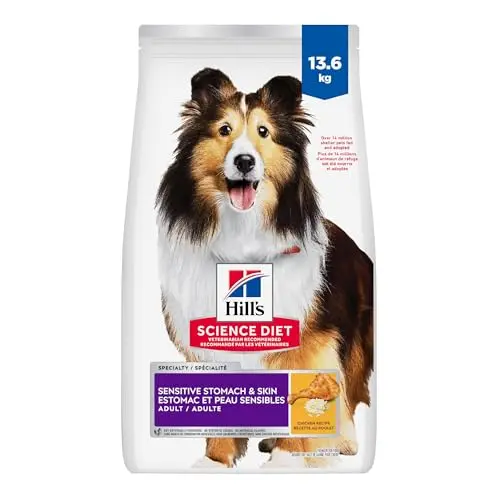
Adult Sensitive Stomach & Skin Chicken Recipe – Skin-Soothing Nutrition
A veterinarian-recommended formula that pairs highly digestible chicken with prebiotic fibre to ease sensitive stomachs. Loaded with vitamin E and omega-6 fatty acids, it actively nourishes the skin and coat, helping reduce flaking and irritation over time. Ideal for adult dogs of all breeds dealing with both digestive and skin flare-ups.
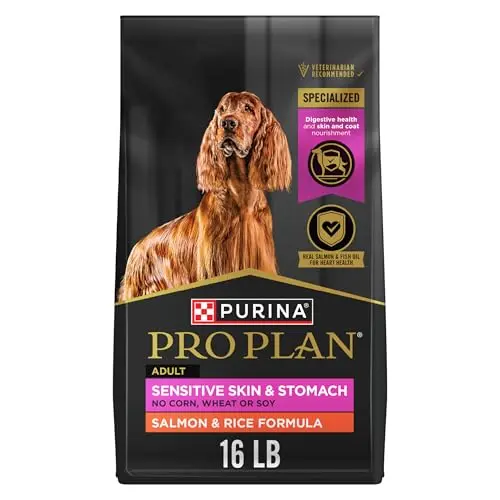
Sensitive Skin & Stomach Salmon & Rice – Omega-Rich Skin Soother
A salmon-first recipe that delivers a potent dose of omega-3 fatty acids from fish oil, targeting skin inflammation at the source. Oatmeal offers a gentle, easily digestible carbohydrate, while prebiotic fibre supports gut health-a key player in overall skin wellness. This formula is free from artificial colours and flavours, and the smaller kibble size suits a range of breeds.
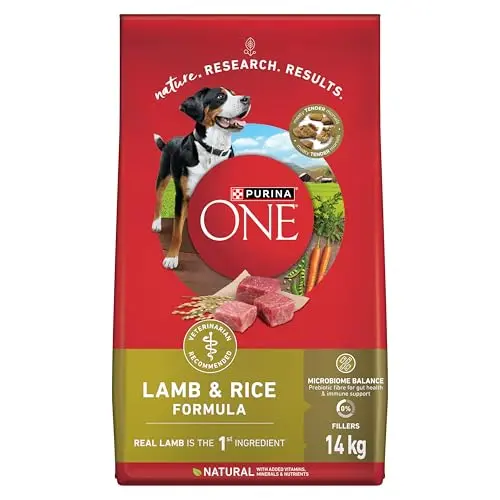
Microbiome Balance Lamb & Rice – Affordable Skin & Gut Support
A budget-friendly option that doesn’t skimp on quality, featuring real lamb as the first ingredient. The Microbiome Balance formula is engineered to support a healthy gut with prebiotic fibre, which in turn can calm systemic inflammation-a known contributor to skin issues. Natural ingredients with added vitamins and minerals round out a complete diet that’s easy to feed every day.
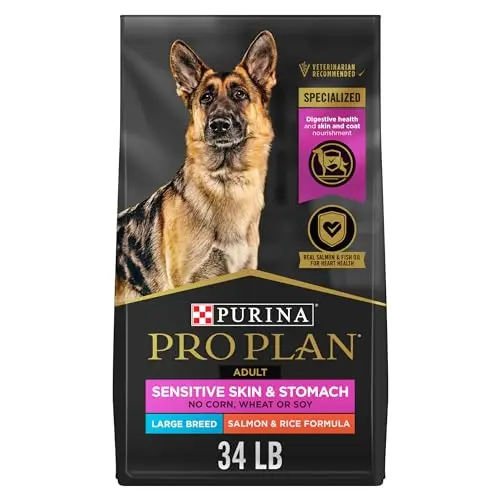
Large Breed Sensitive Skin & Stomach Salmon & Rice – Joint & Skin Care
Tailored for large and giant breed dogs, this version adds glucosamine and EPA to the proven salmon-and-rice base. Larger dogs often suffer from both skin issues and joint stress, and this formula tackles them together. The easily digestible oatmeal and prebiotic fibre keep the digestive system happy, while the omega-rich sunflower and fish oils work on the coat.
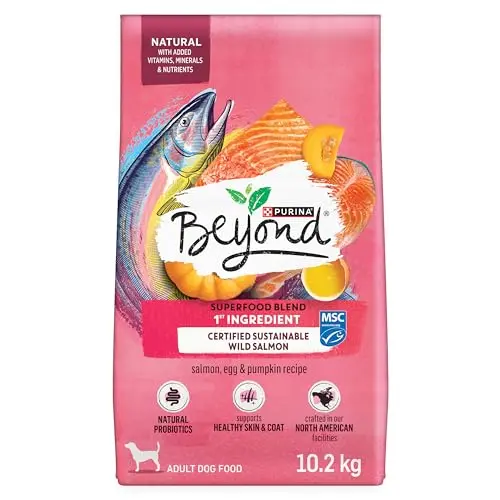
Superfood Blend Salmon, Egg & Pumpkin – Limited Ingredient Diet
A simplified recipe built around wild-caught salmon, egg, and pumpkin, steering clear of corn, wheat, soy, and poultry by-products. It’s designed for owners who want a shorter ingredient list without artificial additives. Pumpkin and oatmeal contribute fibre, aiding gentle digestion-a bonus for dogs with sensitive systems.
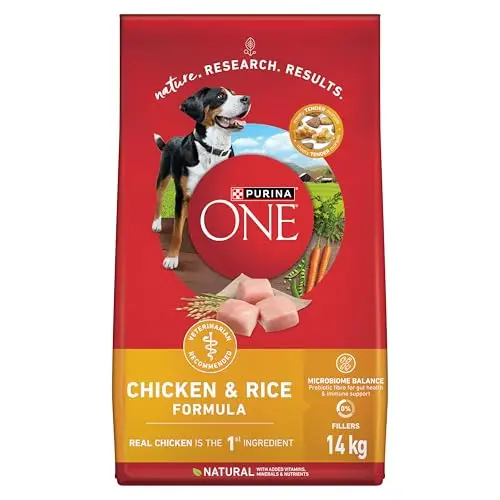
Microbiome Balance Chicken & Rice – Everyday Digestive Support
A chicken-first version of Purina’s gut-focused line, still packing prebiotic fibre for microbiome balance and immune support. With real chicken and no artificial colours, it’s a classic adult maintenance food that happens to be gentle on digestion. The 14 kg bag offers generous value for medium to large households.
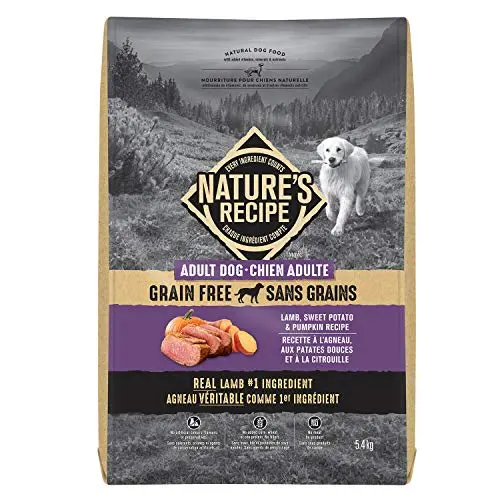
Grain Free Lamb, Sweet Potato & Pumpkin – Allergy-Friendly Formula
A grain-free recipe with lamb as the novel protein, sweet potatoes and pumpkin for fibre, and a heavy dose of omega-3 and -6 from added sources. It’s formulated to tackle immune health, skin, coat, and digestion in one package. The limited ingredient panel excludes grains, artificial colours, and preservatives.
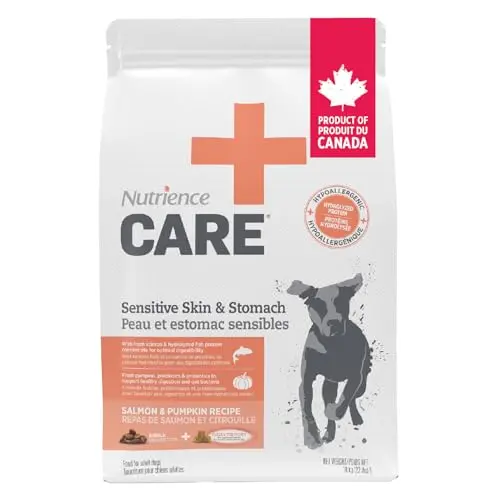
Care Sensitive Skin & Stomach Salmon – Canadian Crafted Skin Relief
Made with fresh Canadian salmon, this formula goes heavy on omega-3 from coconut and salmon oils, paired with a Digestiboost blend of pumpkin, chicory root, turmeric, and ginger. Grain and gluten free, it’s built for dogs with food sensitivities and skin conditions. The 10 kg bag is made from locally sourced ingredients.
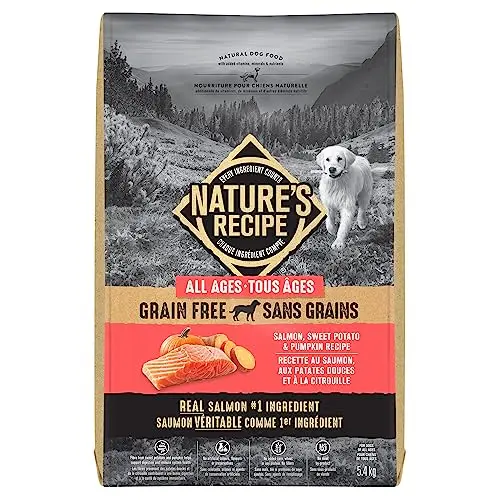
Grain Free Salmon, Sweet Potato & Pumpkin – Simple Skin Support
Sister to the lamb version, this swaps in salmon as the first ingredient, still grain free and free from artificial additives. Sweet potato and pumpkin provide gentle fibre, and the omega-3s from salmon oil support coat and skin. A no-frills option for owners who want a straightforward limited diet.
How We Evaluated These Dog Foods for Seborrheic Dermatitis
We didn’t conduct feeding trials or dermatologist-supervised skin tests on these foods. What we did: cross-referenced 9 dog foods from 6 distinct brands across 6 decision axes – ingredient quality, omega fatty acid content, digestibility, owner feedback on skin improvement, value, and brand reliability. We triangulated published specifications, guaranteed analyses, and aggregated owner feedback where available to map how well each formula addresses seborrheic dermatitis.
The scoring framework weighted real-world skin-soothing performance (60%) – how effectively a food’s ingredient profile and owner-reported outcomes target flaky, irritated skin – against feature differentiation (40%) – unique advantages like novel proteins, added prebiotics, or breed-specific formulations. We have no commercial relationship with any of the brands featured; recommendations track fit and differentiation, not brand preference. If your dog is struggling with persistent skin flare-ups, the Hill’s Science Diet Sensitive Stomach & Skin is the most all-around reliable pick; if you’re after targeted omega-3 relief, the Purina Pro Plan Salmon is purpose-built for that.
How to Choose the Right Dog Food for Seborrheic Dermatitis
Why Seborrheic Dermatitis Calls for a Targeted Dog Food
Seborrheic dermatitis isn’t just dry skin-it’s a chronic inflammatory condition that disrupts the skin’s natural barrier. A high-quality dog food can help by supplying omega-3 and omega-6 fatty acids to rebuild that barrier, vitamin E to reduce oxidative stress, and easily digestible proteins that don’t trigger immune flare-ups. Look for foods that explicitly mention ‘skin and coat” or ‘sensitive skin” on the label, as they’re more likely to contain therapeutic levels of these nutrients. While no food cures seborrheic dermatitis, the right diet can significantly reduce the frequency and severity of episodes.
Ingredients That Calm Itchy, Flaky Skin
The heavy lifters are long-chain omega-3s (EPA and DHA) from fish oil and omega-6s (linoleic acid) from sunflower or chicken fat. These fats work together to lower inflammation and strengthen the skin’s moisture barrier. Zinc and vitamin E are co-factors that speed up healing. We saw these nutrients in spades in formulas like the Purina Pro Plan Salmon, which uses salmon oil and sunflower oil. Additionally, novel proteins like lamb or salmon can sidestep common food allergies that manifest as skin problems, while prebiotic fibres (beet pulp) support gut health-a key player in systemic inflammation.
Protein Source Matters: Chicken, Lamb, or Salmon?
Protein is often the make-or-break factor for dogs with seborrheic dermatitis. Chicken is a common allergen, so if your dog hasn’t improved on chicken-based foods, switching to lamb or salmon may bring relief. The Purina ONE Lamb & Rice is a solid entry point for lamb, while salmon-based options like Pro Plan and Nutrience offer extra omega-3s. There’s no single ‘best” protein-it’s about what your dog tolerates. Pay attention to the first ingredient and avoid foods with generic meat meals or by-products if you suspect a sensitivity.
The Gut-Skin Connection: Prebiotics and Probiotics
Research increasingly shows that a healthy gut microbiome reduces systemic inflammation, which directly benefits the skin. Look for foods that include prebiotic fibres (chicory root, beet pulp) or probiotics (fermentation products). The Hill’s Science Diet recipe, for instance, leans on beet pulp for gut health. These ingredients aren’t just for digestion-they help your dog absorb skin-nourishing nutrients more efficiently. Even if a food doesn’t loudly advertise probiotics, a well-formulated recipe with digestible carbs like oatmeal can keep the gut calm.
Kibble Size and Breed-Specific Needs
Don’t overlook the physical form of the food. Small-breed dogs or those with dental issues may struggle with large kibble, so a small-bites option (like Hill’s Small Bites variant) can be a lifesaver. Conversely, large breeds benefit from bigger kibble that promotes chewing and slower eating. The Pro Plan Large Breed formula addresses this with size-appropriate pieces and added joint support. Age also matters: most of these foods are for adult maintenance; puppies or seniors have different nutritional needs, so check the label.
What to Expect When Switching Foods
Transition slowly over 7-10 days to avoid digestive upset. You may notice less scratching within 2-4 weeks, but full skin barrier repair can take 8-12 weeks. Some dogs have a ‘detox” phase where symptoms temporarily worsen before improving. If you see no change after two months, the formula likely isn’t the right fit. And remember: food is one piece of the puzzle. Medicated shampoos, omega supplements, and veterinary care often work alongside diet to manage seborrheic dermatitis effectively.
Frequently Asked Questions
What's the difference between Hill's Science Diet Sensitive Stomach & Skin and Purina Pro Plan Sensitive Skin & Stomach for seborrheic dermatitis?
Both are excellent, but they take slightly different approaches. Hill’s Science Diet uses chicken as its primary protein and leans on prebiotic beet pulp and omega-6s from chicken fat. It’s a great all-rounder for dogs that need both stomach and skin help. Purina Pro Plan swaps chicken for salmon, which delivers more omega-3 fatty acids straight from fish oil. That gives it an edge if your dog’s primary issue is inflammation-driven flaking. Hill’s is often preferred by vets for sensitive stomachs, while Pro Plan’s salmon formula is frequently chosen for visible skin rashes and ear infections. If your dog tolerates chicken well, Hill’s is a safe, proven bet. If you suspect a chicken allergy or want maximum omega-3s, Pro Plan is the one to reach for. Many owners try both to see which their dog responds to best.
How does Purina ONE Microbiome Balance compare to Nature's Recipe Grain Free for dogs with skin issues?
Purina ONE focuses on gut health as the pathway to better skin, using prebiotic fibre to balance the microbiome. The lamb version offers a novel protein that can reduce allergic reactions. Nature’s Recipe Grain Free takes a different route: it eliminates grains entirely and relies on limited ingredients like lamb or salmon, sweet potatoes, and pumpkin. In our analysis, Purina ONE had more consistent feedback about skin and ear improvement, though results were often subtle. Nature’s Recipe appeals to owners who prefer a grain-free, no-filler philosophy, but the skin-soothing effects were less reliably reported-many saw no change. If your dog has confirmed grain sensitivities, Nature’s Recipe makes sense; otherwise, Purina’s science-backed microbiome approach may be more predictable.
Can diet alone manage seborrheic dermatitis in dogs, or do I still need medicated shampoos?
Diet can do a lot, but for moderate to severe seborrheic dermatitis, it’s rarely a solo fix. A high-quality food rich in omega fatty acids and digestible proteins can significantly reduce inflammation and itching from the inside, but the skin’s surface often needs direct treatment to remove scales and control yeast or bacteria. Most veterinarians recommend a combination: a skin-supportive diet along with medicated shampoos containing keratolytic agents (salicylic acid, sulfur) and antifungal ingredients. Once the condition is under control, the right food can help extend the time between flare-ups and sometimes reduce reliance on medications. Think of diet as preventive maintenance and medicated baths as the acute rescue plan.
Are grain-free dog foods better for seborrheic dermatitis?
Not necessarily-and for many dogs, grains are not the enemy. While some dogs do have genuine grain allergies, true food allergies more often stem from animal proteins (chicken, beef, dairy) than from grains. A grain-free food can be helpful if your dog has a confirmed sensitivity to wheat, corn, or soy, but it’s not a guaranteed fix for seborrheic dermatitis. In fact, some grain-free formulas replace grains with legumes and potatoes that can be harder for certain dogs to digest. The bigger priority should be protein quality and fatty acid content. Both grain-inclusive and grain-free options appear in our lineup, and the best choice depends on your dog’s individual response. If you’re unsure, start with a limited-ingredient diet-whether grain-free or not-and monitor closely.
Final Verdict
For most dogs with seborrheic dermatitis, the Hill’s Science Diet Sensitive Stomach & Skin is the best place to start-it balances digestive tolerance with proven skin nourishment and has the broadest owner backing. If your dog’s skin flares are intense and chicken is a concern, the Purina Pro Plan Salmon brings targeted omega-3 relief that really makes a difference. For budget-minded families, the Purina ONE Lamb & Rice delivers solid results without the premium price tag. And if you have a large breed with joint aches on top of skin trouble, the Pro Plan Large Breed Salmon is purpose-built for that double duty. Pick the one that matches your dog’s biggest trigger, and be patient-real change takes time.