
That sinking feeling when your dog throws up his breakfast-again. You’ve tried different bowls, smaller portions, and maybe even hand-feeding, but the cycle of tummy trouble and messy cleanups keeps repeating. When vomiting becomes a pattern, the food you’re pouring into the bowl is often the best place to start making changes.
A sensitive stomach in dogs isn’t just about the occasional upset; it can be a daily struggle that leaves your pup uncomfortable, undernourished, and you stressed. The right diet can dramatically reduce vomiting episodes by focusing on easily digestible proteins, gut-friendly prebiotic fibres, and limited ingredients that avoid common triggers. In this guide, we’ve evaluated the best dog foods specifically formulated for sensitive stomachs and vomiting, comparing ingredient quality, digestive support, and real-world feedback to help you find a formula that stays down-and keeps your dog happy and healthy.
Best Dog Food for Sensitive Stomach Vomiting – 2026 Reviews
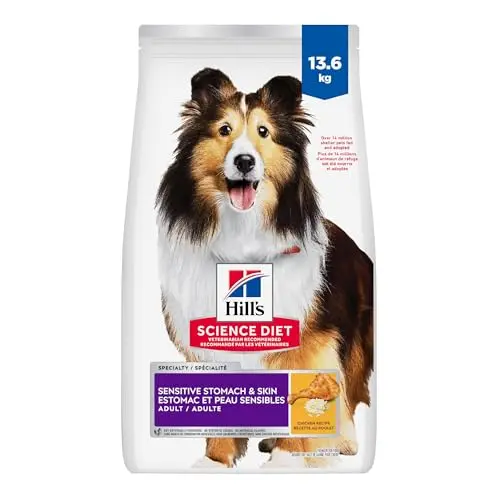
Sensitive Stomach & Skin Chicken Recipe – Gentle Digestion Support
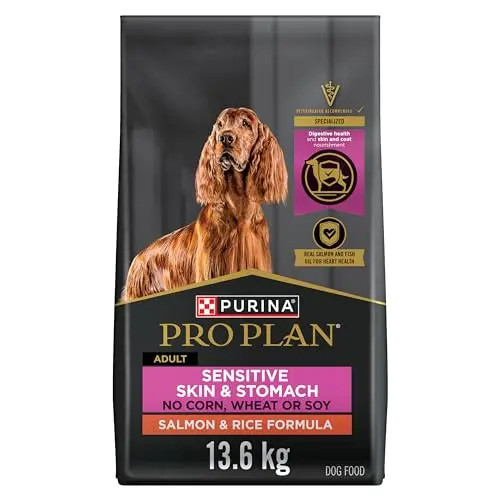
Sensitive Skin & Stomach Salmon & Rice – High-Protein Salmon Formula
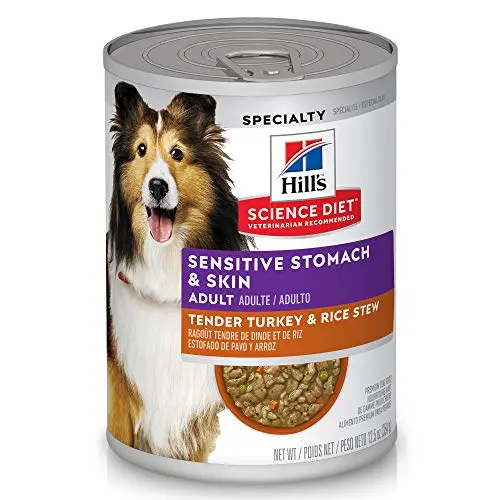
Sensitive Stomach & Skin Turkey & Rice Stew – Flavourful Wet Food
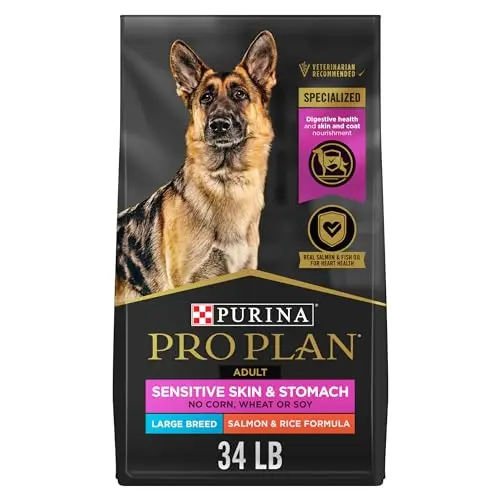
Large Breed Sensitive Skin & Stomach Salmon & Rice – Joint & Digestive Support
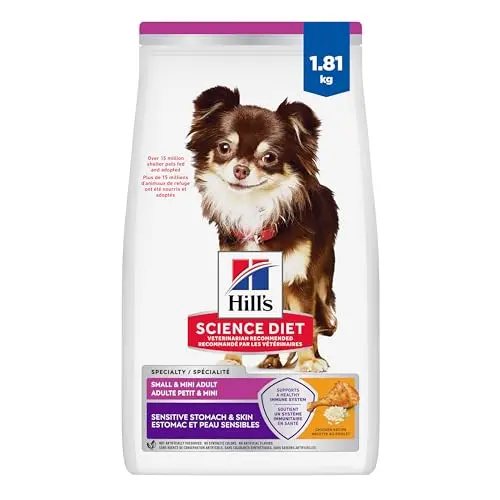
Small & Mini Chicken Recipe – Tailored for Tiny Tummies
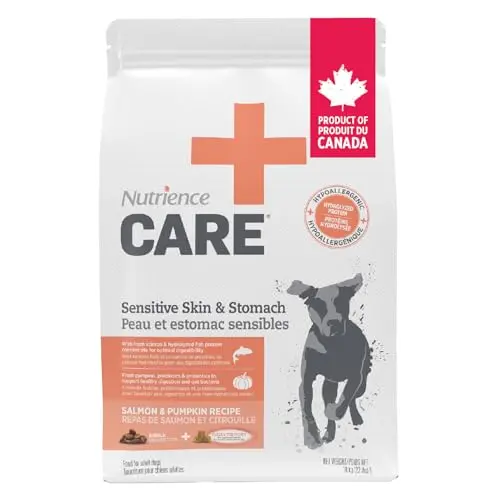
Care Sensitive Skin & Stomach Salmon – Grain-Free Canadian Recipe

True Solutions Digestive Care Chicken – Prebiotic Fiber Formula
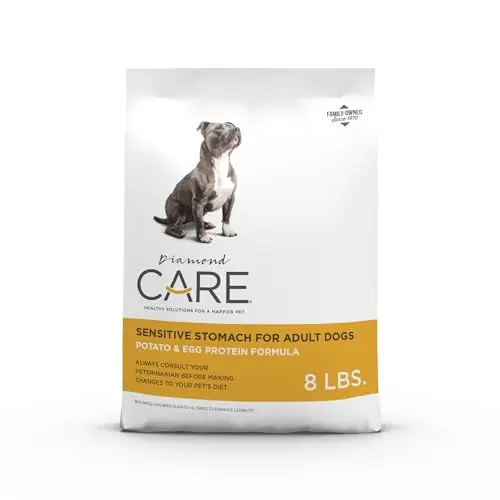
Sensitive Stomach Recipe – Limited Ingredient Diet
How We Evaluated These Dog Foods for Sensitive Stomach Vomiting
We didn’t run controlled feeding trials on dogs with chronic vomiting. What we did: cross-referenced 8 dog food models from 5 distinct brands across 7 decision axes-ingredient quality and sourcing, protein type and digestibility, prebiotic and probiotic content, limited ingredient approach, format (dry vs. wet), breed-specific formulation, and skin/coat health support. We triangulated published specifications, ingredient lists, aggregated owner feedback where available, and use-case fit against representative buyer profiles for sensitive stomach care.
The scoring framework weighted real-world digestive compatibility (60%)-how effectively each formula addresses vomiting and promotes gut health-against feature differentiation (40%)-unique technical advantages like novel proteins, guaranteed probiotics, or specialist formats. We have no commercial relationship with any of the brands featured; recommendations track fit and differentiation, not brand preference. If you’re struggling with frequent vomiting, the Hill’s Science Diet Sensitive Stomach & Skin Chicken is the most universally reliable pick; if fish-based nutrition appeals, the Purina Pro Plan Salmon & Rice is an excellent alternative.
How to Choose the Right Dog Food for Sensitive Stomach Vomiting
What to Look for in a Dog Food for Sensitive Stomachs and Vomiting
When your dog vomits regularly, the first thing to check is the ingredient list. Look for a named animal protein like chicken, salmon, or turkey as the first ingredient-not vague ‘meat meal.” Highly digestible carbohydrates such as rice, oat meal, or sweet potato put less strain on the gut than corn or wheat. Prebiotic fibres (beet pulp, chicory root) feed beneficial bacteria, while probiotics (live microorganisms) directly support digestion. Avoid artificial colours, flavours, and preservatives, which can trigger reactions. Finally, a limited ingredient panel-fewer overall components-reduces the chance of encountering a problem ingredient.
Dry vs. Wet Food: Which Is Easier on a Sensitive Stomach?
Both formats can work, and the best choice often depends on your dog’s preferences and hydration needs. Dry kibble is convenient, cost-effective, and its crunchy texture may help reduce plaque. The Hill’s Science Diet dry options use prebiotic fibre that forms gentle stools, while Purina Pro Plan relies on oat meal for digestibility. Wet food, like the Hill’s Science Diet Turkey & Rice Stew, offers higher moisture content, which can help if vomiting leads to dehydration or if your dog simply finds wet food more appealing. It’s also easier to chew for senior dogs or those with dental issues. Many owners successfully mix wet and dry to balance texture and nutrition.
The Role of Prebiotics and Probiotics in Digestive Health
Prebiotics and probiotics are different but complementary. Prebiotics are non-digestible fibres that serve as food for good gut bacteria-beet pulp in Hill’s Science Diet and oat meal in Purina Pro Plan are prime examples. By promoting a healthy microbiome, they improve stool quality and reduce inflammation. Probiotics are the live beneficial bacteria themselves. Diamond Care guarantees viable probiotics that survive the manufacturing process, while Nutrience Care includes pumpkin and chicory root as natural prebiotics, plus added probiotics. Together, they help regulate digestion and can lessen vomiting episodes over time.
Protein Sources: Does the Type of Meat Matter?
Yes-the protein source can make or break a sensitive stomach diet. Chicken is a common first choice because it’s widely available and generally well-tolerated, but it’s also a frequent allergen. Hill’s Science Diet’s chicken recipe works for many dogs, but if your dog continues to struggle, a novel protein like salmon or turkey may be key. Purina Pro Plan’s salmon formula, for instance, uses real salmon as a novel protein that reduces immune triggers. Nutrience Care’s fresh Canadian salmon and Diamond Care’s hydrolyzed salmon take the concept further by breaking proteins into smaller, less reactive pieces. If you haven’t tried fish-based diets, they’re a logical next step.
Limited Ingredient Diets: When Simplicity Helps
Sometimes the problem isn’t one ingredient-it’s the sheer number of them. A limited ingredient diet (LID) strips food back to the essentials: one animal protein, one or two carbohydrates, and minimal additives. Diamond Care’s Sensitive Stomach Recipe exemplifies this approach with hydrolyzed salmon, peas, and only a handful of other ingredients. This can help you identify triggers through an elimination trial. Blue Buffalo True Solutions also simplifies by avoiding corn, wheat, and soy, though it includes more supplemental ingredients. For dogs with multiple allergies or chronic vomiting of unknown origin, starting with an LID and then slowly reintroducing foods can pinpoint the problem.
Transitioning Your Dog to a New Food Without Upsetting Their Stomach
Even the best sensitive stomach food can cause issues if you switch too quickly. Plan for a 7- to 10-day transition: start with 25% new food mixed with 75% old for two days, then 50/50 for two days, then 75/25 for two days, before going fully to the new diet. This gives gut bacteria time to adjust. Watch stool consistency-if it becomes loose, slow the transition. Adding a spoonful of pureed pumpkin can also help firm things up during the switch. And remember, some dogs may take four to six weeks on a new food before vomiting episodes fully resolve, so patience is key.
Frequently Asked Questions
What's the difference between Hill's Science Diet Sensitive Stomach & Skin and Purina Pro Plan Sensitive Skin & Stomach?
Both are excellent choices, but they use different digestive-friendly carbohydrates and protein sources. Hill’s relies on beet pulp as its primary prebiotic fibre, while Purina Pro Plan uses oat meal. In terms of protein, Hill’s chicken recipe is poultry-based, while Pro Plan’s most popular version features salmon as a novel protein. Vet recommendations are strong for both, but Hill’s often gets the edge for chronic vomiting cases, while Pro Plan’s salmon formula stands out for dogs with concurrent skin issues thanks to the omega-3s from fish oil. Both offer 100% satisfaction guarantees, so you can try them with less risk.
Is wet food or dry food better for a dog that vomits frequently?
It depends on the cause. If vomiting is due to eating too fast or dehydration, wet food can help because its moisture content slows down eating and adds hydration. For digestive sensitivity unrelated to speed, dry food often provides more structured fibre to firm stools. Many dogs do best with a mix of both-dry for dental health and bulk, wet for palatability and hydration. The Hill’s Science Diet Turkey & Rice Stew is a well-regarded wet choice, while their dry chicken formula is the most reliable all-rounder. If you’re unsure, start with dry and add a spoonful of wet to see how your dog responds.
How does Nutrience Care Sensitive Skin & Stomach compare to Blue Buffalo True Solutions Digestive Care?
These two take slightly different paths to the same goal. Nutrience Care is grain-free, leaning on fresh Canadian salmon, pumpkin, and a blend of turmeric and ginger for natural anti-inflammatory benefits. It’s also Canadian-made, which may matter to some buyers. Blue Buffalo True Solutions includes grains (like brown rice) and uses a clinically proven prebiotic fibre as its headline feature, plus the antioxidant-rich LifeSource Bits. Nutrience may edge ahead if you suspect grain allergies, while Blue Buffalo is a strong daily maintenance option for stool quality. Both avoid corn, wheat, and soy.
Can I switch between the regular and large breed Purina Pro Plan sensitive stomach formulas?
Yes, but they’re optimized for different body sizes. The Large Breed formula adds glucosamine and EPA for joint support, which larger dogs need, and the kibble size is bigger. The regular formula is suitable for all breeds and sizes, with the same salmon-first, oat meal base. If you have a puppy that will grow into a large breed, you can transition to the large breed version around 12-18 months of age. Just do a gradual transition to avoid digestive upsets, and watch for any joint stiffness that might indicate it’s time to switch.
My dog has both skin and stomach issues-which food should I choose?
Look for a formula that explicitly supports both skin and coat health alongside digestion. All the foods reviewed here offer some degree of skin support via omega-6 and -3 fatty acids, but two stand out: Purina Pro Plan Sensitive Skin & Stomach Salmon & Rice and Nutrience Care Sensitive Skin & Stomach. The Pro Plan uses fish oil and sunflower oil to deliver high levels of omega fatty acids, with documented reductions in scratching and ear infections. Nutrience adds coconut oil for extra moisturizing benefits. If skin issues are severe, starting with a novel protein like salmon may address both problems at once, as food allergies commonly manifest in the skin.
Final Verdict
For the vast majority of dogs dealing with frequent vomiting, the Hill’s Science Diet Sensitive Stomach & Skin Chicken Recipe is the surest bet-it’s the formula vets recommend most, and it consistently delivers firmer stools and calmer tummies. If your dog thrives on fish or you want to try a novel protein, the Purina Pro Plan Salmon & Rice is an exceptional runner-up that brings joint and skin perks to the table. Picky eaters or dogs needing hydration will do best with the Hill’s Science Diet Turkey & Rice Stew, while large breed owners should look straight to the Purina Pro Plan Large Breed formula. Whatever you choose, give it time and transition slowly-your dog’s stomach will thank you.