
That little Shih Tzu has been scratching endlessly, and the ear infections keep coming back. You’ve tried wiping paws after walks and switching to a supposedly “hypoallergenic” food, but the licking hasn’t stopped. Food allergies are frustrating – and for flat-faced breeds prone to skin reactions, picking the right kibble feels like a guessing game.
The good news? A handful of formulas actually deliver on their allergy-friendly promises. The gap between a food that calms inflammation and one that triggers a flare-up often comes down to the protein source, the grain (or lack thereof), and the presence of targeted gut-support ingredients. We cross-compared the most relevant options across multiple brands to cut through the noise.
Whether your Shih Tzu battles itchy skin, loose stools, or both, this guide sorts the standout performers from the marketing fluff. Below, you’ll find the kibbles that earned their spot – and why the right choice matters more than the highest price tag.
Best Dog Food for Shih Tzu with Allergies – 2026 Reviews
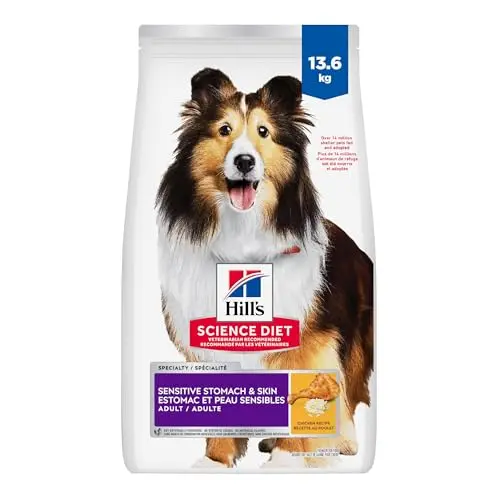
Adult Sensitive Stomach & Skin – Gentle Digestion & Coat Nourishment
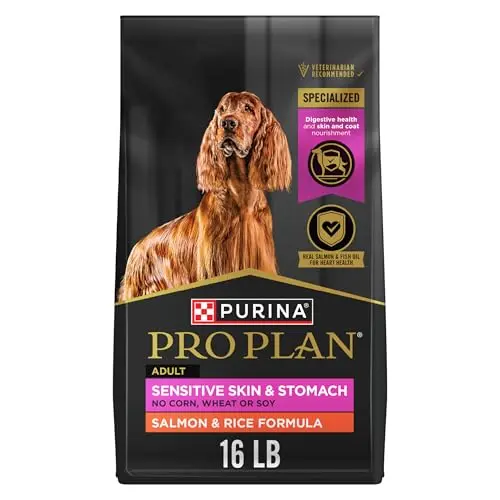
Sensitive Skin & Stomach Salmon & Rice – Omega-Rich Support
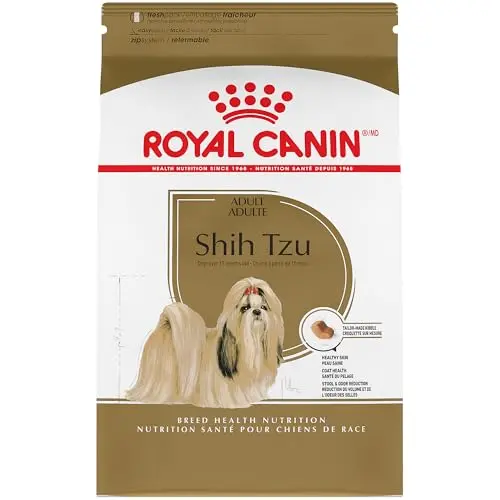
Shih Tzu Adult – Breed-Specific Kibble & Coat Care
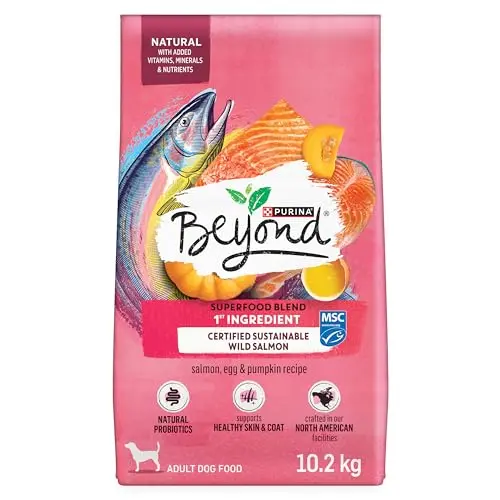
Superfood Blend Salmon & Pumpkin – Grain-Free Sensitive Formula
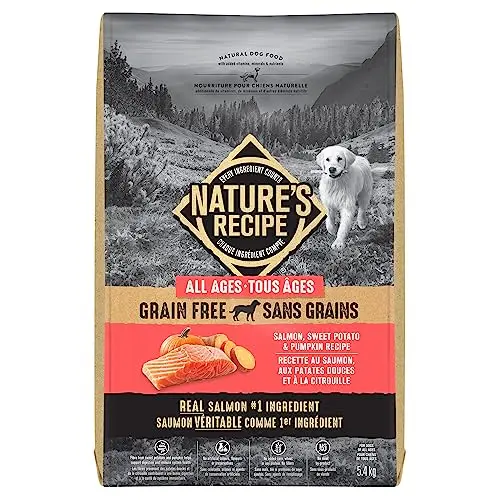
Grain Free Salmon & Pumpkin – Simple Ingredients for Allergy Relief
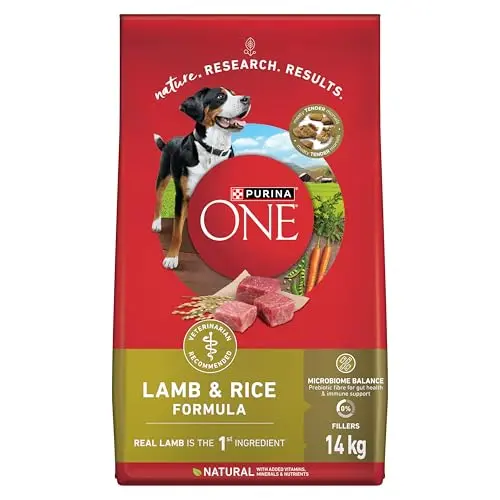
Lamb & Rice Microbiome Balance – Prebiotic Gut & Immune Support
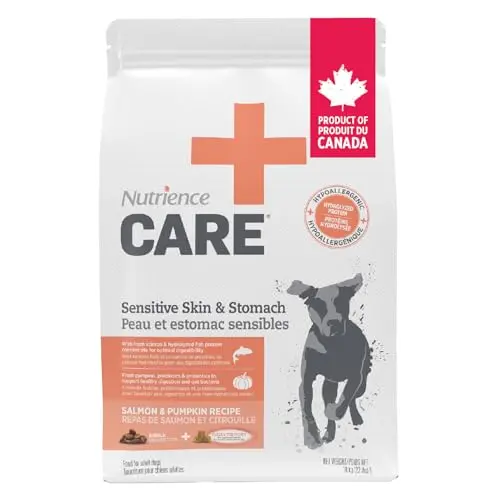
Care Sensitive Skin & Stomach Salmon – Canadian-Made Hypoallergenic
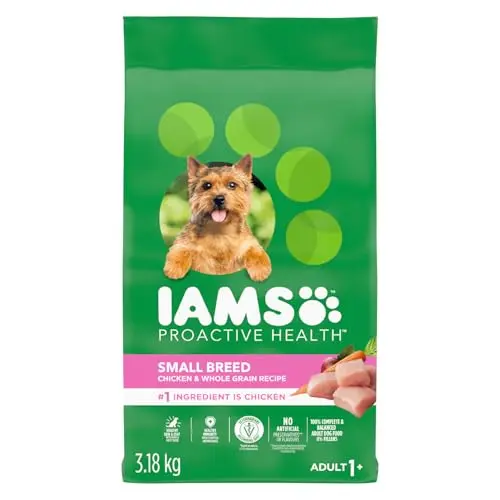
Proactive Health Small Breed Chicken – Budget-Friendly Small Kibble
How We Evaluated These Dog Foods for Shih Tzus with Allergies
We didn’t run controlled feeding trials or allergy elimination protocols. What we did: cross-referenced 8 dog food models from 8 distinct brands across 7 decision axes – ingredient quality, protein source, grain inclusion, sensitivity-specific formulation, breed fit, digestive health features, and owner feedback where available. We triangulated published specifications, ingredient lists, and aggregated real-world experiences to build a balanced, brand-blind assessment.
The scoring framework weighted real-world allergy relief (60%) – how consistently each formula calms skin, reduces itching, and firms up stools – against feature differentiation (40%) – unique benefits like novel proteins, prebiotics, or breed-specific engineering. We have no commercial relationship with any of the brands featured; recommendations track fit and differentiation, not brand preference. If your Shih Tzu battles chronic itching and digestive upset, the Hill’s Science Diet Sensitive Stomach & Skin is the standout choice; if skin inflammation is your #1 concern, the Pro Plan Sensitive Skin & Stomach edges ahead with its omega-rich salmon recipe.
How to Choose the Right Dog Food for Your Allergic Shih Tzu
Understanding Food Allergies in Shih Tzus
Shih Tzus are genetically predisposed to atopic dermatitis, and food triggers are a common piece of the puzzle. Watch for recurring ear infections, paw chewing, belly rashes, and loose stools – these are the classic tell-tales. A true food allergy is an immune response to a protein (usually chicken, beef, or dairy), while an intolerance often stems from grains or fillers. The first step is always working with your vet to rule out environmental causes, but swapping the diet is typically the next logical move.
Protein Sources: Why the First Ingredient Matters Most
The majority of canine food allergies are linked to the protein source, not the grain. If your Shih Tzu has been eating chicken-based kibble for years and suddenly develops itching, chicken could be the culprit. Switching to a novel protein like salmon, lamb, or duck can break the cycle. The label should have that novel protein listed first, not as a flavouring. Both the Pro Plan Sensitive Skin & Stomach and Beyond Superfood Blend anchor their recipes with salmon, making them solid starting points for elimination trials.
Grain-Free vs. Grain-Inclusive: Which Is Better for Shih Tzu Allergies?
The grain-free trend for allergies is overhyped. True grain allergies are rare; most dogs react to the protein or to storage mites. However, some Shih Tzus do show improvement on grain-free diets because these formulas often eliminate corn, soy, and wheat, which can be low-grade irritants. The grain-free picks like Nature’s Recipe and Nutrience Care are useful, but don’t assume a grain-inclusive food is automatically worse. The Hill’s Science Diet Sensitive Stomach & Skin includes gentle grains like barley and rice, and it works brilliantly for many allergy sufferers.
The Role of Omega Fatty Acids and Skin Support
Allergic reactions often express through the skin, so a formula rich in omega-3 and omega-6 fatty acids can help dial down inflammation. Sunflower oil (high in omega-6) is a star in the Pro Plan recipe, while salmon oil and coconut oil feature prominently in Nutrience Care and Royal Canin Shih Tzu. Look for these fats alongside vitamin E – they work synergistically to repair the skin barrier and reduce moisture loss, which in turn lessens itching.
Digestive Health: Prebiotics, Probiotics, and Fibre
A lot of allergy relief happens in the gut. Prebiotic fibres like beet pulp (in Hill’s Science Diet) and chicory root (in Nutrience Care) feed beneficial bacteria, strengthening the intestinal barrier against allergens. Probiotics add live microorganisms that can correct imbalance. The Purina ONE Microbiome Balance leans heavily into this science. For Shih Tzus with concurrent GI issues – soft stools, gurgly tummies – prioritizing digestive support can have a noticeable knock-on effect on skin health.
Breed-Specific Formulas: Hype or Help?
Royal Canin’s breed-specific approach isn’t just about marketing. The Shih Tzu Adult kibble shape is genuinely easier for a flat-faced dog to pick up and chew, and the nutrient profile targets the breed’s known skin and coat challenges. If your Shih Tzu doesn’t have a confirmed protein allergy and you want the convenience of a tailor-made solution, this is a low-risk entry point. Just remember it is chicken-based, so it’s not suitable for poultry-allergic dogs.
How to Transition Your Shih Tzu to a New Allergy Food
Switching foods cold turkey can backfire and worsen digestive symptoms. Plan a 7-10 day transition: mix 25% new food with 75% old for a few days, then 50/50, then 75/25, before going all-in. Keep a journal of itching, stool consistency, and energy during this period. Real improvement may take 8-12 weeks to fully manifest, so patience is key. If symptoms worsen dramatically, stop and consult your vet – it could be an ingredient sensitivity, not a transition issue.
Frequently Asked Questions
What's the difference between Hill's Science Diet Sensitive Stomach & Skin and Pro Plan Sensitive Skin & Stomach?
Both are excellent, but they take slightly different paths. Hill’s uses chicken as the primary protein and relies on prebiotic beet pulp and vitamin E to calm digestion and coat – it’s a great all-rounder if poultry isn’t a known trigger. Pro Plan swaps in salmon, adds sunflower oil for a bigger omega-6 punch, and incorporates oatmeal. That fish-based, omega-rich approach often produces faster skin relief, making it the stronger pick for itch-dominant allergies. If your Shih Tzu can tolerate chicken, Hill’s offers stellar GI stability; if skin is the main battle, lean toward Pro Plan.
Royal Canin Shih Tzu vs Nutrience Care: Which is better for allergies?
Royal Canin is breed-tailored and excellent for coat maintenance, but it’s chicken-based and not specifically a limited-ingredient allergy diet. It works well as a preventive and for Shih Tzus with mild skin issues. Nutrience Care is purpose-built for food sensitivities: grain-free, salmon-based, and loaded with anti-inflammatory ingredients like turmeric and ginger. For diagnosed or severe allergies, Nutrience likely offers more targeted relief. The trade-off is palatability – some dogs refuse Nutrience, whereas Royal Canin tends to be universally accepted.
Is grain-free always better for Shih Tzus with allergies?
Not necessarily. While grain-free diets remove potential irritants like corn and soy, the most common canine food allergies are to proteins, not grains. A grain-inclusive formula with a novel protein and added skin-support nutrients can be just as effective. Unless your vet specifically recommends grain-free, focus on the protein source and the presence of digestive aids first.
How do I know if my Shih Tzu has a food allergy or environmental allergy?
Environmental allergies often follow a seasonal pattern and cause paw licking, face rubbing, and underbelly redness. Food allergies are more likely to result in year-round ear infections, anal gland issues, and gastrointestinal symptoms. An elimination diet trial with a novel protein and carbohydrate source for 8-12 weeks is the gold standard for diagnosis. Always work with your vet to rule out other causes first.
Can a Shih Tzu be allergic to chicken?
Yes, chicken is one of the most common canine food allergens. If your Shih Tzu has been on a chicken-based diet and symptoms persist, switching to a salmon, lamb, or duck formula is a logical next step. Many of the top picks in our lineup, including Pro Plan and Beyond, are chicken-free for this reason.
Final Verdict
For most allergic Shih Tzus, the Hill’s Science Diet Sensitive Stomach & Skin still walks away with the Best Overall crown – it reliably calms upset stomachs and dull coats without breaking the bank or requiring a novel protein gamble. If your pup’s skin is the primary battlefield, opt for the omega-rich Pro Plan Sensitive Skin & Stomach Salmon & Rice. Want the comfort of a breed-specific blueprint? The Royal Canin Shih Tzu Adult kibble shape and coat complex are purpose-made. And for those committed to a grain-free path, Beyond Superfood Blend keeps ingredients wholesome and irritant-free. The right food won’t cure every allergy overnight, but it’s the single most powerful lever you can pull for a happier, scratch-free Shih Tzu.