
When your dog is under the weather, getting them to eat can feel like a battle. Their appetite may disappear, and you’re left worrying about nutrition while they turn their nose up at breakfast. The right food can make all the difference – it needs to be easy on a sensitive stomach, packed with digestible nutrients, and tempting enough to coax a sick pup to the bowl.
Not all dog foods are created equal for these moments. Some are loaded with fillers that upset a delicate gut, while others include targeted ingredients like prebiotics, pumpkin, and simple protein sources to support recovery. We’ve compared seven standout options from five brands – ranging from high‑protein kibbles to gravy‑rich wet foods – to help you find what’s best for your sick dog.
Whether you’re dealing with temporary stomach upset or a longer‑term digestive condition, our guide breaks down the features that matter most: gut‑health support, ingredient quality, and palatability. We’ll walk you through our top picks and what to consider when your canine companion needs extra care.
Best Dog Foods for Sick Dogs – 2026 Reviews
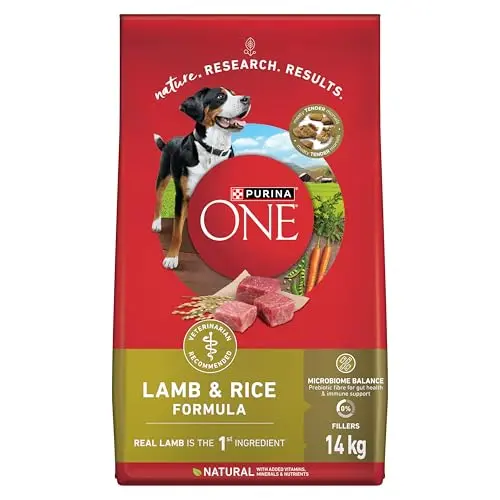
Microbiome Balance Lamb & Rice – Promotes Gut Health for Sick Dogs
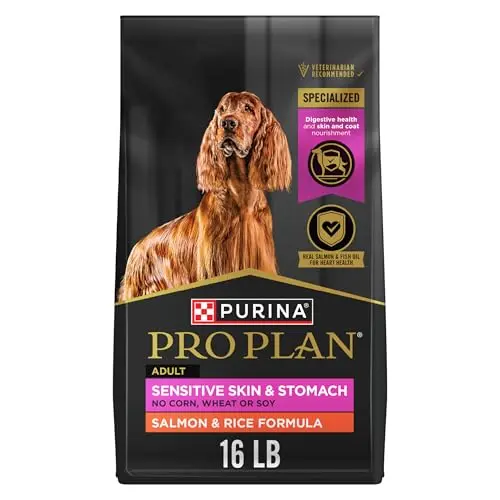
Sensitive Skin & Stomach Salmon & Rice – For Dogs with Digestive Sensitivities
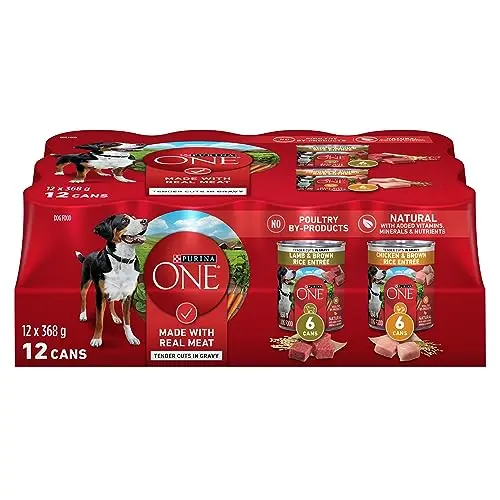
Tender Cuts in Gravy Variety Pack – Appetizing Wet Food for Sick Dogs
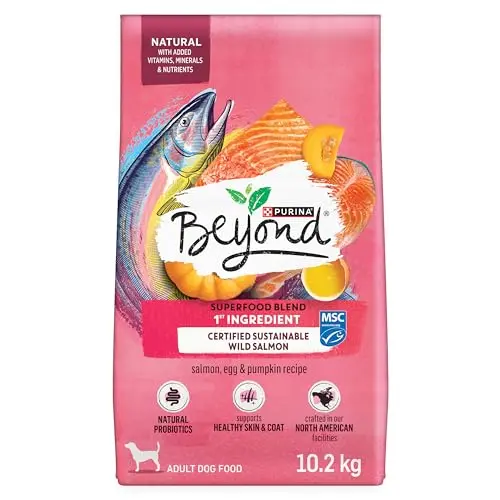
Superfood Blend Salmon, Egg & Pumpkin – Limited Ingredient for Sensitive Stomachs
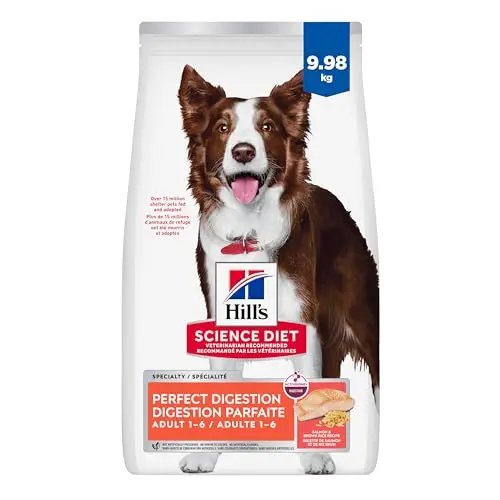
Perfect Digestion Salmon & Whole Oats – Promotes Digestive Regularity
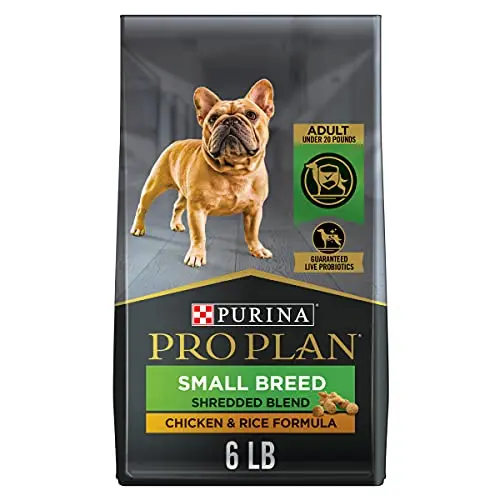
Savor Shredded Blend Small Breed – Probiotic Digestive Support for Small Dogs
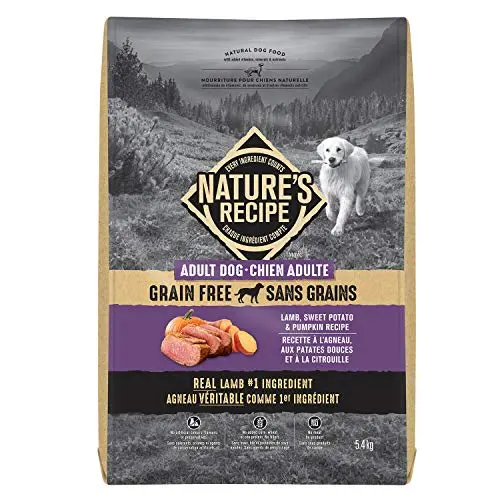
Grain Free Lamb, Sweet Potato & Pumpkin – Gentle on Sensitive Stomachs
How We Evaluated These Dog Foods for Sick Dogs
We didn’t run controlled vet‑supervised recovery trials. What we did: cross‑referenced 7 dog food models from 5 distinct brands across 5 decision axes – digestive health support, ingredient quality, palatability for sick dogs, ease of digestion, and owner feedback patterns. We triangulated published specifications, ingredient lists, and aggregated owner feedback where available to map each product against a typical sick‑dog profile.
The scoring framework weighted real‑world fit for sick dogs (60%) – how effectively each formula addresses the core struggles of an unwell pup – against feature differentiation (40%) – prebiotic/probiotic content, novel protein sources, and targeted digestive claims. We have no commercial relationship with any of the brands featured; recommendations track fit and differentiation, not brand preference. If you’re after a dry food that centres gut health, the Microbiome Balance Lamb & Rice is your match; if appetite is the bigger battle, the Tender Cuts in Gravy serves you better.
How to Choose the Right Dog Food for Sick Dogs
Key Nutrients for a Sick Dog's Recovery
When your dog is ill, their body needs easily accessible energy and building blocks for repair. Look for high‑quality protein – like real chicken, salmon, or lamb – listed first. Prebiotic fibres (such as beet pulp or chicory root) and probiotics help restore gut flora, which is often disrupted. Ingredients like pumpkin and sweet potato add gentle fibre to firm up stool, while omega‑3 fatty acids from fish oil reduce inflammation and support skin health, which can suffer during illness.
Digestibility: Why It Matters for Unwell Dogs
A food that’s hard to digest puts extra strain on an already stressed system. Choose formulas with simple carbohydrate sources like rice or oatmeal, and avoid common triggers like corn, wheat, and soy if your dog has known sensitivities. Limited‑ingredient diets reduce the risk of reactions, while grain‑inclusive options can work well for dogs without grain allergies – the right choice depends on your dog’s history.
Wet vs. Dry Food for Sick Dogs
This often comes down to your dog’s preference and specific needs. Wet food (like the Purina ONE Tender Cuts) has high moisture content, which helps with hydration – critical if your dog is vomiting or has diarrhoea. Its strong aroma can tempt picky eaters. Dry kibble, on the other hand, is convenient, helps with dental health, and often includes ingredients like probiotics that are shelf‑stable. You can also mix the two to get the best of both worlds.
How to Transition Your Sick Dog to a New Food
A sudden switch can worsen stomach upset. Gradually introduce the new food over 7-10 days: start with 25% new mixed with 75% old, then increase the ratio every few days. If your dog is vomiting or refusing food, slow down. Some dogs may need an even gentler transition, with small, frequent meals. Always consult your vet if symptoms persist.
Purina ONE Microbiome Balance vs Pro Plan Sensitive Skin & Stomach: Which for Sick Dogs?
Both are excellent, but they target slightly different needs. The Purina ONE Microbiome Balance has a broader prebiotic focus, aiming to improve overall gut flora – great for dogs with ongoing loose stools. The Pro Plan Sensitive Skin & Stomach adds omega‑3s for dogs whose stomach issues are linked to skin allergies. If your sick dog is also scratching, the latter may address the root cause; if it’s purely digestive, the former is more laser‑focused on gut health alone.
Ingredients to Avoid When Your Dog Is Recovering
Steer clear of artificial colours, flavours, and preservatives, which can irritate a sensitive gut. Fillers like corn and soy offer little nutritional value and may be harder to digest. Also, watch for vague meat meals or unnamed by‑products – opt for clearly identified proteins. If your dog has grain sensitivities, a grain‑free option like the Nature’s Recipe can be a safer bet, but not all sick dogs need grain‑free.
Frequently Asked Questions
What's the difference between the Purina ONE Microbiome Balance and the Pro Plan Sensitive Skin & Stomach?
Both are designed for digestive health, but the Purina ONE Microbiome Balance focuses on improving the gut microbiome with a prebiotic fibre blend, making it ideal for general stomach upset. The Pro Plan Sensitive Skin & Stomach adds omega‑3 fatty acids to target skin issues alongside digestion, so it’s better if your dog’s sickness includes itching or rashes. The Pro Plan also uses salmon as the sole protein, while the Purina ONE uses lamb – a difference that may matter for dogs with specific protein allergies.
How long should I feed my dog a sick‑dog‑specific food?
It depends on the cause. For short‑term illness like a stomach bug, a few weeks on a digestive‑support food can help, then gradually transition back to a regular diet. For chronic conditions (e.g., IBD, pancreatitis), your vet may recommend staying on a therapeutic diet long‑term. Watch your dog’s stool consistency and energy levels: once stools are firm and appetite returns, you can slowly reintroduce their normal food.
What wet food is best for a sick dog that won't eat?
The Purina ONE Tender Cuts in Gravy is a top pick because of its strong aroma and soft texture. The gravy makes it more appetizing, and the real meat pieces are easy to eat even for dogs with dental pain. You can warm it slightly to increase the smell. If your dog still refuses, try hand‑feeding or mixing a small amount with their usual food.
Can I feed my sick dog the same food as my healthy dog?
In many cases, a high‑quality digestive‑support food like the Hill’s Science Diet Perfect Digestion is suitable for both sick and healthy dogs. However, if your healthy dog has no digestive issues, you might not need the extra cost. The best approach is to feed the sick dog separately for a while, using a targeted formula, then assess whether a switch benefits the whole household.
Final Verdict
For most sick dogs, the Purina ONE Microbiome Balance is the answer – it nails gut‑health support without compromising on taste or value. If your dog’s stomach troubles come with skin issues, the Pro Plan Sensitive Skin & Stomach is a targeted upgrade. And when appetite is the biggest hurdle, the Purina ONE Tender Cuts in Gravy can turn eating from a struggle into a moment they look forward to. No matter which you choose, these picks give your pup the best shot at feeling better, one bowl at a time.