
If your little guy is constantly scratching, licking his paws raw, or dealing with on-and-off tummy troubles, finding the right food can feel like a guessing game. Small dogs-especially those under 20 pounds-seem to be overrepresented at the vet for itchy skin and digestive flare-ups. The culprits are often common allergens in kibble, but the right formula can dial back the misery.
We put three top contenders for small dogs with allergies under the spotlight, focusing on what really matters: high-quality protein that doesn’t trigger a reaction, omega fatty acids to calm itchy skin, and prebiotic fibre to support a sensitive gut. The end result isn’t a one-size-fits-all pick-it’s a clear roadmap to the food that best matches your dog’s specific needs.
Best Dog Foods for Small Dogs with Allergies – 2026 Reviews
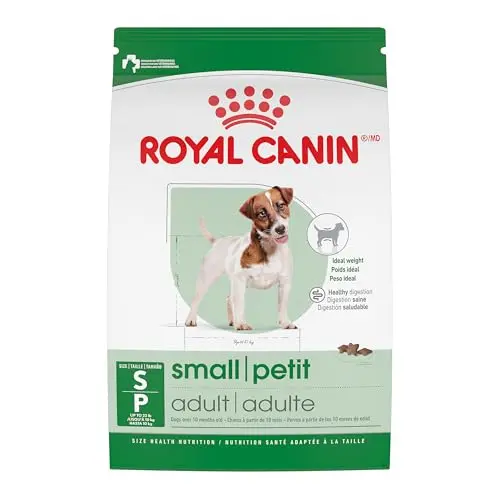
Size Health Nutrition Small Breed – Digestive & Skin Health
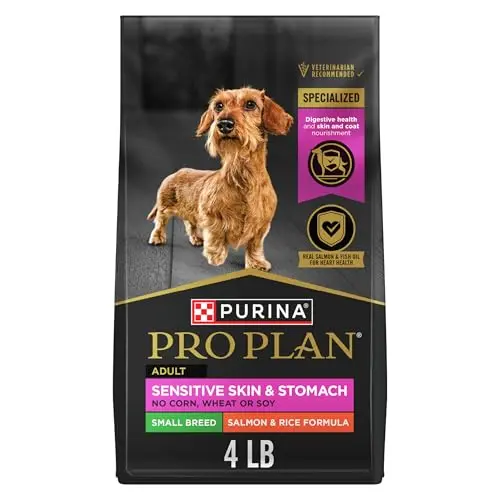
Sensitive Skin & Stomach Small Breed – Salmon & Rice
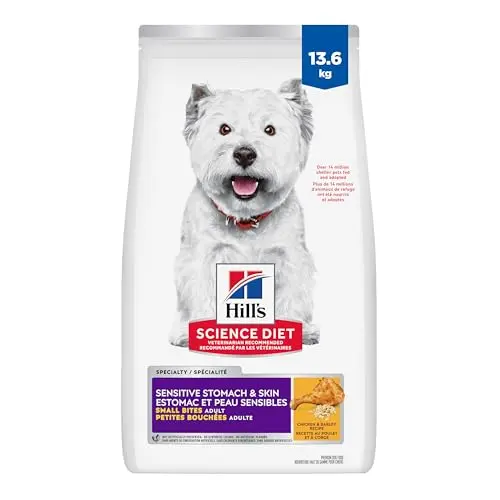
Sensitive Stomach & Skin Small Bites – Chicken Recipe
How We Evaluated These Dog Foods for Small Dogs with Allergies
We didn’t run allergy elimination trials in a controlled kennel. What we did: cross-referenced 3 top-rated formulas from 3 distinct brands across 5 decision axes-protein source and quality, fat and omega fatty acid levels for skin health, inclusion of prebiotic fibre for digestion, kibble size relative to small adult dogs, and the avoidance of common allergens like corn, wheat, and soy. We triangulated published ingredient lists and guaranteed analyses, aggregated owner feedback where available, and assessed how well each formula aligns with the needs of a small dog whose allergies manifest as itchy skin or digestive upset.
The scoring framework weighted real-world allergy management (60%)-how effectively the food calms symptoms in practice-against ingredient and feature differentiation (40%). We have no commercial relationship with any of the brands featured; recommendations track fit and differentiation, not brand preference. If your small dog’s allergies are skin-focused, the Pro Plan Sensitive Skin & Stomach Small Breed is the standout; if you need a well-rounded general health formula that still supports skin and digestion, Royal Canin Small Breed is an exceptional all-rounder.
How to Choose the Right Dog Food for Small Dogs with Allergies
Why Small Dogs Get Hit Harder by Food Allergies
It’s not your imagination-small dogs disproportionately struggle with food allergies and sensitivities. Their faster metabolisms mean they process food quickly, and their skin barrier is thinner relative to body size, making them more susceptible to irritants. Common culprits like chicken, beef, wheat, and dairy can trigger a cycle of inflammatory responses that show up as red ears, paw licking, or chronic diarrhoea. Finding a food that avoids these triggers is the first step, but for small breeds it’s equally important that the kibble is tiny enough to chew easily and that calories are dense to avoid overfeeding.
Protein Source: Single, Novel, or Hydrolyzed?
If your dog’s allergies are severe, the protein source is the single biggest lever you can pull. Chicken-the most common ingredient in dog food-is also one of the most common allergens. Switching to salmon (like in the Pro Plan formula) or a novel protein like rabbit can sidestep a reactivity chain. Some owners find that even within a species, certain breeds react differently; lab reports from owners of the Pro Plan Salmon & Rice often mention red, irritated skin clearing up after the switch. For the most severe cases, a prescription hydrolyzed protein diet may be necessary, but an over-the-counter sensitive stomach formula can solve a surprising number of cases.
Fats and Omega Fatty Acids: Calming the Itch
Omega-6 and omega-3 fatty acids are your dog’s internal moisturizer. They strengthen the skin’s barrier, making it less likely to react to environmental triggers, and they directly dial down inflammation. Look for named fat sources like sunflower oil (omega-6) or fish oil (omega-3). Both the Hill’s Science Diet and Royal Canin formulas pack a meaningful punch here; the Pro Plan relies heavily on sunflower oil for omega-6. For a small dog who licks his paws till they’re raw, enough omega-6 can literally be the difference between constant cone-wearing and a normal night’s sleep.
Digestive Health: Prebiotics and Fibre for Sensitive Stomachs
Allergy-prone dogs often have a compromised gut barrier-allergens get through the intestinal wall and kick off systemic inflammation. Prebiotic fibres like beet pulp (used by Hill’s) and other fermentable fibres nourish beneficial bacteria, helping to seal that barrier. You’ll also see results in the backyard: owners of all three foods report firmer stools, which is a solid sign that digestion is on the right track. If your dog’s allergies show up mostly as gastrointestinal distress-loose stools, gurgling stomach-prioritize a food with a strong prebiotic claim.
Royal Canin vs Pro Plan vs Hill's: Which Matches Your Dog?
If we strip away the labels, here’s where these three diverge: Royal Canin Small Breed is the best everyday diet for a dog whose allergy symptoms are mild and who needs support across weight, digestion, and skin simultaneously. It’s the Swiss Army knife. Pro Plan Sensitive Skin & Stomach Small Breed is the specialist-it exists to fix itchy skin and loose stools, and it uses a limited protein source to do it. Choose this when allergies are the loudest complaint. Hill’s Science Diet Small Bites is the gut-first option; if your dog’s allergies manifest as digestive sensitivity and you want a vet-validated solution that’s gentle, the small bites and prebiotic fibre make it the most soothing of the three. All are excellent; the tiebreaker is whether your dog molts more from his ears or his belly.
Other Factors That Can Make or Break Allergy Management
Kibble size matters more than you think. For a Chihuahua or Yorkie, even a slightly larger kibble can discourage eating, which spirals into inconsistent nutrition and flare-ups. All three foods here use a small, breed-appropriate kibble. Also watch for artificial colours, flavours, or preservatives-none of these formulas contain them. Finally, switching foods too fast can trigger the very symptoms you’re trying to fix. Plan on a 7- to 10-day transition, starting with 25% new food and gradually increasing. And if symptoms worsen, step back and consult your vet; sometimes apparent food allergies are actually environmental, and no diet alone will solve them.
Frequently Asked Questions
What's the difference between Royal Canin Small Breed and Pro Plan Sensitive Skin & Stomach Small Breed?
The core distinction is focus. Royal Canin is a comprehensive health formula that covers weight, digestion, and skin together-think of it as a wellness-focused diet for small dogs that also happens to support skin and coat. Pro Plan, on the other hand, is built around allergy relief. It swaps chicken (a common allergen) for salmon as the first ingredient, adds a higher level of omega-6 fatty acids specifically for skin and coat, and includes prebiotic fibre with digestive health as its primary mission. If your dog’s main issue is a rumbling stomach and itchy paws, Pro Plan is the more targeted choice; if you just want a solid all-rounder that won’t upset a sensitive system, Royal Canin is a safer bet.
How do I know if my small dog actually has a food allergy?
Classic signs include chronic ear infections, relentless paw licking, red or inflamed skin (especially around the belly and groin), and gastrointestinal upset like frequent soft stools or vomiting. But many symptoms overlap with seasonal allergies or insect bites. The most reliable way to identify a food allergy is an elimination diet trial under vet supervision-feeding a novel protein or hydrolyzed diet for 8-12 weeks and watching for improvement. In the meantime, switching to a sensitive skin and stomach formula like the ones here can provide relief while you work through the diagnosis.
Are these foods suitable for all small breed sizes, including toy breeds?
Yes, with a caveat. All three formulas feature small kibble sizes explicitly designed for miniature jaws; owners of Chihuahuas, Yorkies, and Pomeranians report their dogs eat them comfortably. However, the Royal Canin Small Breed formula is specifically calibrated for dogs weighing 9-22 pounds, making it especially appropriate for the mid-sized small dog. The Pro Plan Small Breed and Hill’s Small Bites are suitable for a broader weight range, including the tiniest teacups. Always monitor calorie intake-toy breeds can gain weight quickly, so portion control is key.
Can I mix wet and dry food for my allergic small dog?
Absolutely, and many owners of picky small dogs do this to boost palatability and hydration. Just make sure any wet food you add is also free of the same allergens you’re avoiding in the dry kibble. For example, if you’re feeding the Pro Plan salmon dry food, a complementary salmon-based wet food from the same line is ideal. Mixing can also stretch a bag further, but be mindful of extra calories-small dogs need surprisingly few, so adjust the total daily amount based on the combination’s calorie density.
Final Verdict
For most small dogs with mild to moderate allergy symptoms, the Royal Canin Small Breed is the best place to start-it balances skin, digestive, and weight support without pigeonholing you into a single symptom. When allergies are the primary battle, the Pro Plan Sensitive Skin & Stomach Small Breed is the most direct weapon for itching and gut issues, with a salmon-based recipe that’s a smart switch from chicken. And if your dog’s stomach is more trouble than his skin, the Hill’s Science Diet Small Bites delivers vet-backed digestive calm in a perfectly tiny kibble. Whichever you choose, pair it with patience during the transition-your dog’s relief might just be one bowl away.