
Helping your dog lose a few extra pounds is one of the best things you can do for their long-term health-but staring down the massive selection of weight-management foods can be overwhelming. Between breed-specific formulas, high-protein promises, and confusing calorie counts, it’s easy to second-guess whether you’re picking the right fuel for your pup’s weight-loss journey.
We surveyed the top options across brands like Hill’s Science Diet, Royal Canin, and Purina Pro Plan to find the foods that truly deliver on safe, sustainable weight management. Whether you’ve got a chunky Chihuahua or a hefty Labrador, our cross-brand roundup zeroes in on protein-to-fat ratios, satiety-boosting fibre, and joint-friendly additions that help your dog lose weight without losing muscle-so you can feel confident every scoop you serve is working for their waistline.
Best Dog Food for Weight Loss – 2026 Reviews
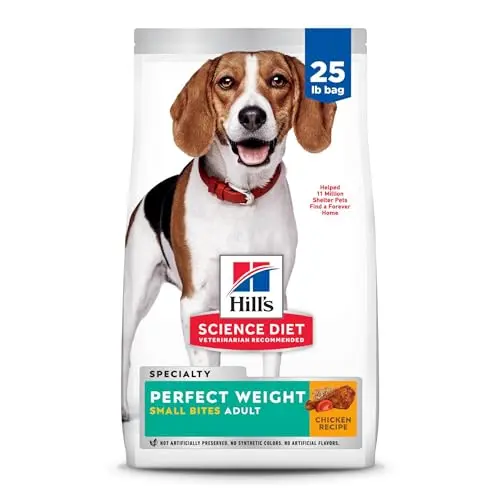
Perfect Weight Small Bites – Clinically Proven Weight Loss
The Hill’s Perfect Weight Small Bites formula is the all-around winner for most dogs on a weight-loss journey. Clinically proven to help over 70% of adult dogs shed pounds within 10 weeks, it packs lean muscle support and a tasty chicken recipe into a small kibble size that works for all breeds-not just tiny mouths. If you want a one-bag solution backed by serious data, this is your pick.
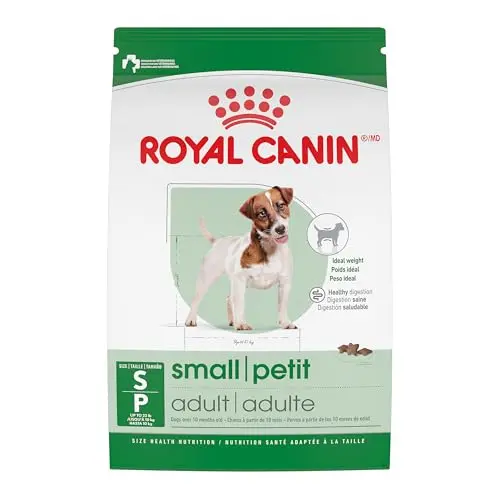
Size Health Nutrition Small Breed Adult – Tail-Wagging Weight Maintenance
Royal Canin’s formula is precision-engineered for small dogs up to 22 lbs, with a kibble shaped for tiny jaws and added L-carnitine to help maintain a healthy weight. It also delivers EPA and DHA for skin and coat health, making it a luxurious all-in-one for petite pups. If you’ve got a Yorkie or a Dachshund who needs to slim down, this is the tailor-made solution.
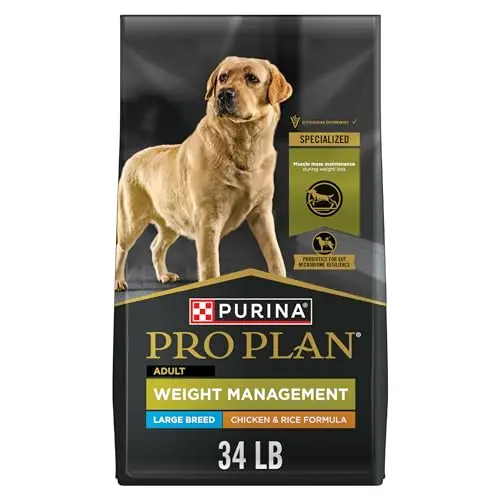
FOCUS Weight Management Large Breed – Joint-Friendly Slimdown
Purina Pro Plan’s large-breed formula combines a muscle-sparing protein-to-fat ratio with added glucosamine and EPA for joint support-critical for big dogs carrying extra weight. Real chicken is the first ingredient, and the inclusion of probiotics aids digestion. It’s a strong choice for breeds like Golden Retrievers or German Shepherds that need both weight control and joint care.
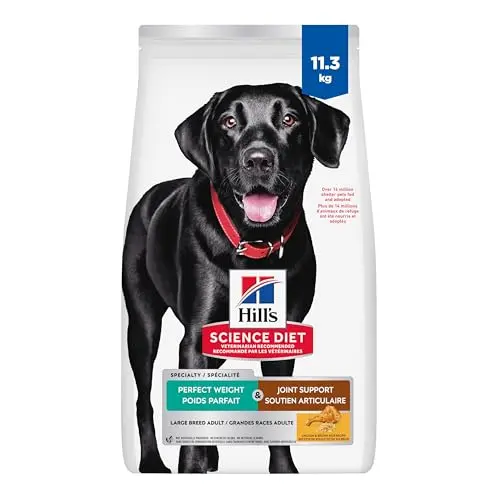
Perfect Weight & Joint Support Large Breed – Specialized Care for Big Pups
Another Hill’s option specifically crafted for large breeds, this formula doubles down on joint function and hip health alongside weight management. It uses a larger kibble to slow down eating and includes fish oil for mobility support. If your big dog’s weight is stressing their joints, this targeted recipe addresses both issues in one bag.
How We Evaluated These Dog Food for Weight Loss Options
We didn’t conduct controlled feeding trials or long-term weight monitoring in a veterinary lab. What we did: cross-referenced 4 weight-management dog foods from 3 distinct brands across 5 decision axes – protein content, fibre and satiety, breed-specific formulation, added supplements for joint and metabolic support, and owner-reported results. We triangulated published specifications, aggregated owner feedback where available, and use-case fit against the real-world goal of sustainable weight loss.
The scoring framework weighted real-world weight-loss performance (60%) – how effectively each formula supports healthy weight reduction as evidenced by clinical claims or ingredient profiles – against feature differentiation (40%) – unique advantages like breed targeting, joint support, or probiotic additions. We have no commercial relationship with any of the brands featured; recommendations track fit and differentiation, not brand preference. If you’re looking for a clinically proven all-breed option, the Hill’s Perfect Weight Small Bites leads the pack; if you have a small dog with specific needs, the Royal Canin Small Breed is purpose-built for you.
How to Choose the Right Dog Food for Weight Loss
Why Protein and Fibre Matter for Weight Loss
When cutting calories, you want your dog to feel full and satisfied, not hungry and lethargic. High-protein formulas help preserve lean muscle mass while your dog sheds fat, which keeps their metabolism humming. Look for real meat as the first ingredient-like chicken or lamb-rather than vague “meat meal”. Fibre, especially from sources like beet pulp or pumpkin, adds bulk without calories and promotes healthy digestion. Foods that skimp on fibre often leave dogs begging for more, undermining your weight-loss efforts. Aim for at least 25% protein and 5% fibre for an effective weight-management food.
Choosing Between Breed-Specific and All-Breed Formulas
Not all weight-loss foods are created equal for different sizes. Small breeds burn calories faster but can easily overeat; a food like Royal Canin’s with L-carnitine and a tiny kibble helps regulate intake. Large breeds often need extra joint support-since excess weight strains hips and elbows-so formulas with glucosamine and omega-3s, like Pro Plan’s, are smart. All-breed options like the Hill’s Small Bites offer convenience but may lack that tailored edge. If your dog has a known breed predisposition (e.g., Labs for joint issues), go breed-specific; otherwise, a proven all-breed food works great.
How to Read a Weight Management Dog Food Label
Ignore the marketing on the front and flip to the guaranteed analysis and ingredient list. Key metrics: crude protein (25%+), crude fat (8-12% for weight loss is typical), and crude fibre (4-7%). Check that an animal protein tops the ingredient list, not a filler like corn or wheat. Watch for “light” or “less active” labels-they sometimes mean fewer nutrients, not just fewer calories. Added supplements like L-carnitine or omega fatty acids are bonuses, not must-haves. And remember, feeding guidelines are just starting points; adjust portions based on your dog’s actual weight loss progress.
The Truth About L-Carnitine and Joint Supplements in Weight-Loss Diets
L-carnitine is a vet-recommended ingredient that helps transport fatty acids into cells to be burned for energy, essentially boosting metabolism. It’s a staple in weight-management formulas like Royal Canin’s, and while not magic, it supports fat utilisation. Joint supplements like glucosamine and chondroitin don’t directly cause weight loss, but they ease the pain and stiffness that can discourage exercise-so they’re indirectly helpful. If your dog is simply overweight without joint issues, don’t pay extra for these; focus on the core protein-fibre formula. But for senior or large-breed dogs, the added joint care is a worthwhile invesment.
Frequently Asked Questions
What's the difference between Hill's Perfect Weight Small Bites and Royal Canin Small Breed for weight loss?
Both are excellent, but they tackle weight differently. The Hill’s Perfect Weight Small Bites is a clinical powerhouse: over 70% of dogs lost weight in 10 weeks, and its small kibble suits any breed. It focuses on proven weight reduction with high protein. The Royal Canin Small Breed is more about weight maintenance tailored to tiny dogs-its L-carnitine and fatty acids support metabolism and skin health, but it’s not as aggressively positioned for shedding pounds. If your small dog needs to lose weight, start with Hill’s; if they’re at a healthy weight but prone to gain, Royal Canin’s preventive approach shines.
How does Purina Pro Plan Large Breed compare to Hill's Large Breed for weight loss and joint health?
Both target big dogs, but they lean on different strengths. The Purina Pro Plan FOCUS emphasises a muscle-sparing protein-to-fat ratio and adds probiotics for digestion, with a solid dose of glucosamine and EPA. It’s a well-rounded choice for active large breeds. The Hill’s Perfect Weight & Joint Support goes all-in on joint care-with glucosamine and chondroitin from natural sources-and uses a larger kibble to slow eating. It’s slightly more expensive but offers deeper joint support. Choose Pro Plan if your dog has a sensitive stomach; choose Hill’s if joint stiffness is the bigger concern.
Can weight management dog food really help my dog lose weight without extra exercise?
Yes-it’s the foundation of weight loss, but it works best paired with increased activity. Weight management foods are lower in calories and higher in fibre, so your dog feels full while consuming fewer calories. This calorie deficit alone can lead to gradual weight loss. However, exercise boosts metabolism and helps maintain muscle, so even a bit more walking will speed up results. If your dog can’t exercise much due to joint pain, a food with joint supplements (like Pro Plan or Hill’s Large Breed) can ease discomfort and encourage more movement, creating a positive feedback loop.
Is it okay to switch my dog's food to a weight-loss formula if they don't have a weight problem?
It’s generally not recommended unless your vet advises it. Foods designed for weight loss can be too lean in fat for active or working dogs, leading to energy dips or a dull coat. They may also lack certain nutrients like DHA for brain health. If you simply want to prevent weight gain, focus on portion control and a quality maintenance formula rather than a weight-loss one. Use a body condition score chart to assess your dog, and consult your vet before making a switch.
Final Verdict
For the vast majority of dogs, the Hill’s Perfect Weight Small Bites is our top recommendation-it’s clinically proven, works for most breeds, and the small kibble size is a welcome touch. If you’re caring for a petite pooch who needs precise weight maintenance, the Royal Canin Small Breed offers unmatched breed-specific tailoring. And for big dogs with achy joints, the Purina Pro Plan FOCUS Large Breed delivers dual-action weight and joint support at a friendlier price. Whichever you pick, pair it with consistent portion control and regular weigh-ins-that’s the real recipe for success.