
Your Westie’s scratching at their ears again-or maybe they’ve turned up their nose at breakfast two days running. These feisty little dogs are charmers, but they come with a well-known list of breed quirks: sensitive skin, picky digestion, and teeth that need all the help they can get. The right food doesn’t fix everything overnight, but it’s the single biggest lever you can pull to calm the itch, firm things up, and keep that tail wagging.
We’ve cross‑shopped the market for you, comparing the most promising dry dog foods for Westies across brands. The picks in this guide aren’t one‑size‑fits‑all-they’re weighted toward what actually matters for a small, high‑energy breed with a Westie‑specific health profile. From breed‑specific kibble to targeted formulas for skin, digestion, and teeth, here’s what separates the standouts from the also‑rans.
Best Dog Food for Westies – 2026 Reviews
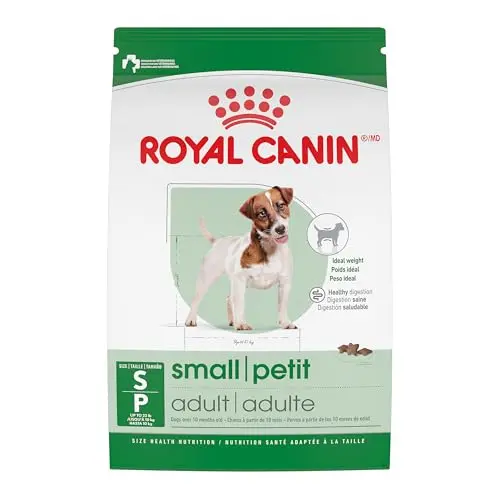
Small Breed Adult – Tailored Westie Wellness
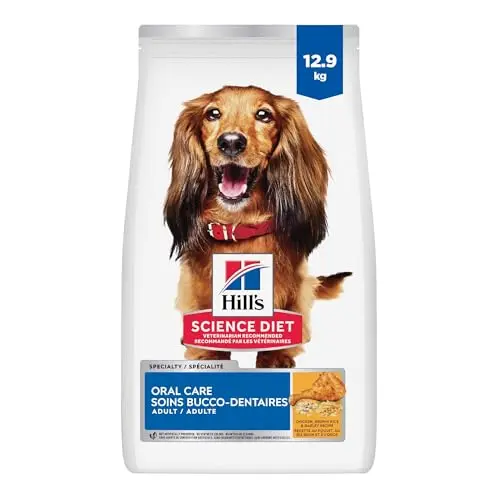
Adult Oral Care – Fresher Breath, Cleaner Teeth
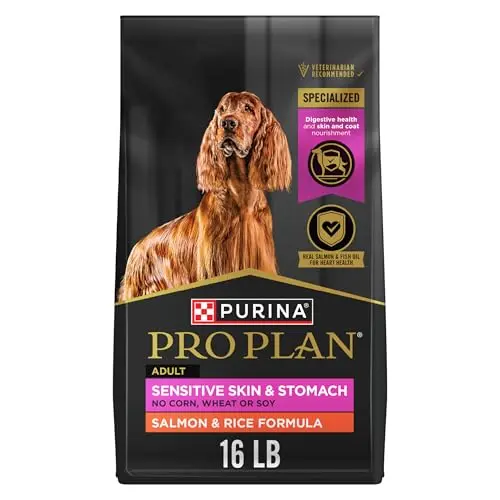
Sensitive Skin & Stomach Salmon & Rice – Allergy-Friendly Nutrition
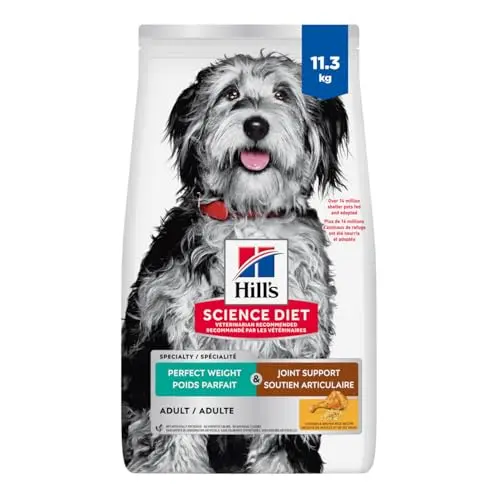
Perfect Weight & Joint Support – Lean Body, Mobile Westie

True Instinct Beef & Salmon – High Protein for Active Westies

Superfood Blend Salmon, Egg & Pumpkin – Natural, No Corn/Wheat/Soy
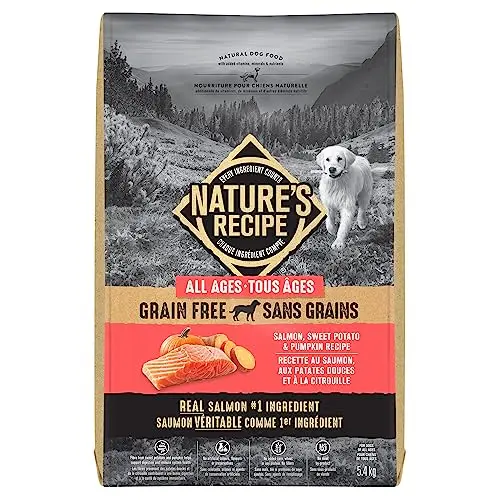
Grain Free Salmon, Sweet Potato & Pumpkin – Simple, Limited Ingredients

Life Protection Fish & Brown Rice – Omega‑Rich for Skin & Coat
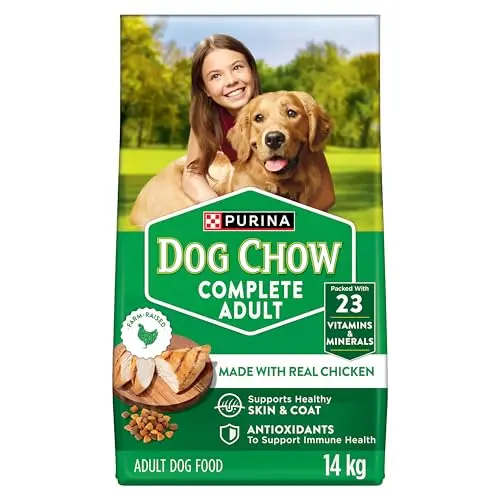
Complete Chicken – Simple, Honest Everyday Nutrition
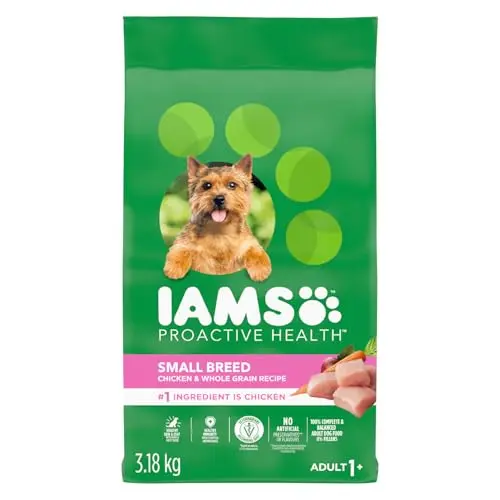
Proactive Health Small Breed – Affordable, Right‑Size Kibble
How We Evaluated These Dog Foods for Westies
We didn’t conduct long‑term feeding trials or veterinary blood panels. What we did: cross‑referenced 10 dog foods from 9 distinct brands across five decision axes-ingredient quality, kibble size and texture, targeted health support (skin, digestion, dental, weight), brand suitability for small breeds, and owner feedback where available. We triangulated published ingredient lists and nutritional profiles against the known health priorities of the West Highland White Terrier, pressure‑testing each food against what a breed‑specific diet actually needs to deliver.
The scoring framework weighted real‑world Westie fit (60%)-how well a food addresses the breed’s most common complaints, from itchy skin to finicky digestion to dental woes-against feature differentiation (40%)-unique formulation advantages like clinically proven oral care or weight‑loss track records. We have no commercial relationship with any of the brands featured; recommendations track what serves the Westie’s health profile, not brand preference. If your Westie’s biggest battle is all‑over itchiness, the Pro Plan Sensitive Skin & Stomach is the targeted answer; if you need one bag to cover the breed’s full checklist, the Royal Canin Small Breed Adult is the smartest starting point.
How to Choose the Right Dog Food for Your Westie
What to Look for in Dog Food for Westies
A Westie is not a generic small dog-they come with a built‑in blueprint of potential issues. That means you shouldn’t just grab any highly rated kibble. Start by looking for a food that explicitly targets at least one of the breed’s big three: skin and coat health, digestive support, or weight management. Breed‑specific or small‑breed formulas often nail the physical details-kibble size that actually fits a Westie’s jaw, plus nutrient profiles that match their metabolism. You’ll also want to check the ingredient panel for high‑quality animal protein as the first ingredient and avoid anonymous by‑products.
Beyond that, let your own dog’s history guide you. A Westie who’s constantly at the vet for ear infections probably needs a fish‑based, omega‑rich recipe. A chunky Westie needs weight control. A stinky‑breathed one? Dental formula. This isn’t about finding one ‘perfect” food; it’s about matching your Westie to the right formulation.
Kibble Size Matters: Why Small Breeds Need Small Bites
Westies have tiny, delicate jaws-they aren’t Labs. Large, rock‑hard kibble isn’t just difficult for them to chew; it can also be a choking hazard and may discourage eating. Small‑breed specific kibble is designed to be mechanically easier to manage, and the smaller pieces actually help promote chewing, which aids dental hygiene. If you choose an all‑breed formula, pay close attention to the physical piece size. Some brands, like Royal Canin and IAMS, put real engineering into their small kibble, while others just shrink a regular batch. Your Westie will thank you for the right‑sized crunch.
Managing Westie Skin Allergies Through Diet
Itchy, inflamed skin is the bane of many Westie owners, and diet plays a huge role. The two biggest dietary levers are omega fatty acids and protein source. Look for foods that name salmon, whitefish, or other cold‑water fish as the first ingredient-these provide natural omega‑3s that reduce inflammation. Avoid chicken or beef if you suspect a protein allergy, and consider limited‑ingredient formulas. Pro Plan Sensitive Skin & Stomach and Blue Buffalo Fish & Brown Rice both prioritize fish protein and skip common triggers. If your Westie’s skin clears up on a fish diet, you’ve found your answer.
Digestive Health: Ingredients That Help a Westie's Tummy
The Westie stomach can be a delicate ecosystem. We see it in complaints about loose stools, gas, and intermittent vomiting. The fix often comes from prebiotic fibres (like beet pulp or chicory root) and highly digestible carbohydrates like rice, oatmeal, or sweet potato. Pumpkin is another gut‑soothing superstar. Formulas like Pro Plan’s sensitive stomach recipe explicitly include prebiotic fibre, while Beyond’s pumpkin‑containing blend offers a natural approach. And don’t underestimate the power of a consistent, slow transition when switching foods-it can prevent the upset you’re trying to treat.
Dental Health: Does Your Dog's Food Help?
Westies are overachievers when it comes to tartar build‑up and gum disease. Some dry foods go beyond basic nutrition to actively clean teeth as they eat. The standout here is Hill’s Science Diet Oral Care, with its interlocking fibre technology that scrubs the tooth surface with every bite. It’s clinically proven and can meaningfully reduce the need for professional cleanings. Other foods simply rely on the crunch of kibble to provide a mild abrasive effect, which helps but isn’t nearly as powerful. If your Westie’s dental bills are climbing, a food like this is worth the switch.
Grain‑Free vs. Whole Grains: Which is Better for Westies?
This debate remains lively, but the truth is that most Westies do fine with high‑quality whole grains like brown rice or oatmeal-unless they’ve been diagnosed with a specific grain allergy. Grain‑free recipes, like Nature’s Recipe or Beyond’s superfood blend, swap in sweet potato and legumes. There’s no evidence that going grain‑free is inherently healthier for a Westie unless symptoms point that way. Be cautious of boutique grain‑free brands that rely heavily on peas and lentils, especially given concerns about dilated cardiomyopathy; the grain‑free picks in this guide use more traditional, balanced carb sources.
How to Switch Your Westie to a New Food
Slow and steady wins this race. A Westie’s digestive tract rebels against sudden change. Use the 7‑day transition: Day 1-2, 25% new food, 75% old; Day 3-4, 50/50; Day 5-6, 75% new; Day 7, 100% new. Watch for stool quality and appetite changes. If you’re moving to a prescription or therapeutic diet (like Hill’s Weight Management), a chat with your vet is wise. And if your Westie is a confirmed picky eater, pick a food with good palatability reviews, like Royal Canin or Purina ONE, and try warming it slightly or adding a tiny bit of warm water to release aromas.
Frequently Asked Questions
What's the difference between Royal Canin Small Breed and Hill's Oral Care for a Westie?
They serve different primary goals. Royal Canin Small Breed is a fully targeted, breed‑conscious formula: it manages weight with L‑carnitine, supports skin/coat with EPA/DHA, and the kibble is sized for small mouths. It’s a general wellness food tuned for small dogs. Hill’s Oral Care has one standout superpower: mechanically cleaning teeth via its interlocking fiber technology. It’s a great choice if dental disease is your Westie’s #1 problem, but it doesn’t specifically address skin or weight. Many owners actually rotate the two: Royal Canin most days, Hill’s Oral Care a few times a week for a dental boost.
Is Pro Plan Sensitive Skin & Stomach better than Blue Buffalo for Westies with allergies?
For Westies whose allergies manifest as itchy skin and digestive upset, Pro Plan Sensitive Skin & Stomach has the edge. It’s built around a single animal protein (salmon) and includes prebiotic fibre specifically for gut health. Blue Buffalo Life Protection Fish & Brown Rice also uses fish and avoids chicken, but it’s formulated for medium breeds-the kibble is bigger, and it includes LifeSource Bits that some dogs reject. If your Westie’s allergies are purely skin‑related and they handle grains fine, Blue Buffalo can work. But for the full skin‑and‑stomach double whammy, Pro Plan is more purpose‑designed.
Do Westies need grain‑free dog food?
Not unless they have a confirmed grain allergy, which is less common than protein allergies. Grains like oatmeal, rice, and barley are digestible carbohydrate sources that provide energy and fibre. A grain‑free diet for a healthy Westie offers no proven advantage and, in some formulations, may introduce other concerns (like high legume content). If your vet hasn’t identified a grain sensitivity, stick with a high‑quality grain‑inclusive food like Royal Canin or Pro Plan. Grain‑free can be a useful elimination‑diet tool, but it’s not a blanket ‘healthier” choice.
How often should I feed my adult Westie?
Twice a day is the sweet spot for most adult Westies. This helps maintain stable blood sugar, reduces begging, and can lower the risk of bloat. Measure portions precisely based on the food’s feeding guide-and remember that Westies are master manipulators when it comes to treats, so adjust the kibble amount if you train with high‑value snacks. If your Westie is notably active, you might split into three smaller meals, but two meals with a 12‑hour gap work well for weight management and digestion.
Final Verdict
For the Westie who needs one food that does the most, the Royal Canin Small Breed Adult is the clear anchor-it’s the only food that intentionally balances weight, skin, and digestion in a kibble that actually fits their mouth. If your Westie’s teeth are the crisis point, swap in Hill’s Oral Care and watch the tartar recede. For the allergy‑prone Westie, Pro Plan Sensitive Skin & Stomach is the specialist. And when budget is non‑negotiable, IAMS ProActive Health Small Breed covers the fundamentals affordably. Match the food to the Westie, not the other way around.