
If you share your home with a white dog, you know that their bright coat is both a joy and a challenge. Those endearing pinkish‑brown tear stains that often appear under the eyes of Maltese, Bichons, or Westies aren’t just cosmetic – they can hint at underlying dietary sensitivities. The right dog food can make a real difference, not just for tear staining but for overall skin health and digestion.
We set out to identify the best dog foods for white dogs by diving deep into ingredient lists, nutritional profiles, and real‑world feedback. We focused on formulas that promote a healthy skin and coat, support sensitive stomachs, and use high‑quality proteins. Whether your dog is a picky toy breed or an active companion, this guide will help you choose the right bowl to keep that snowy coat shining.
Best Dog Food for White Dogs – 2026 Reviews
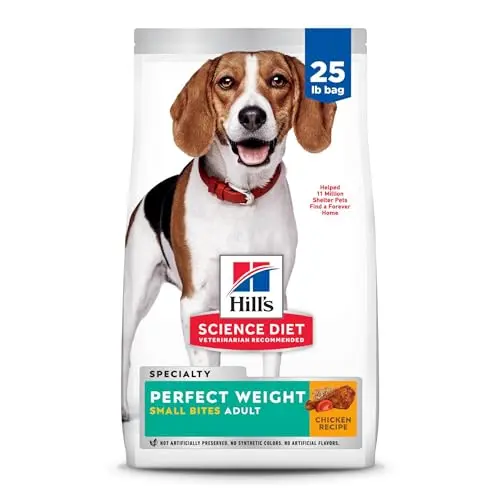
Perfect Weight Small Bites – Clinically Proven Weight Management for a Healthy Glow
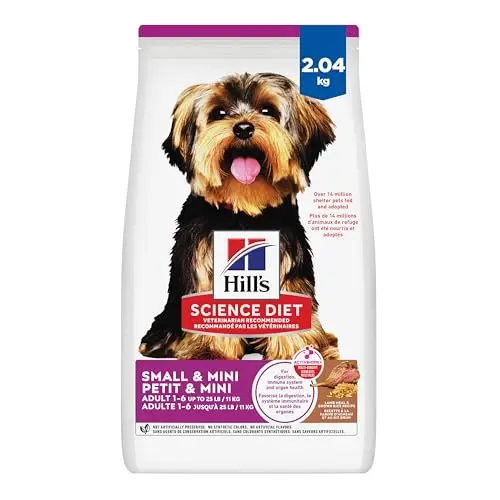
Small & Mini Lamb Meal & Brown Rice – Digestive Support for Tiny White Beauties
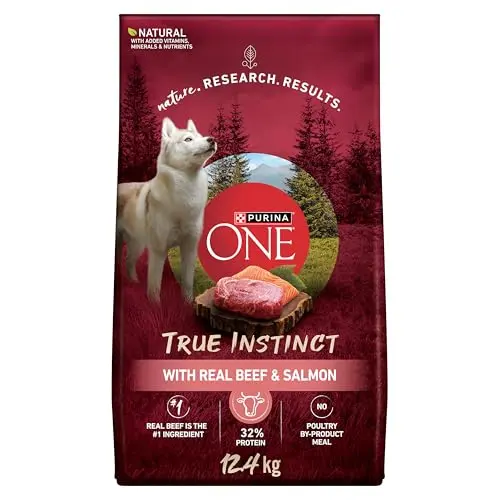
True Instinct Beef & Salmon – Muscle Support for Active White Dogs
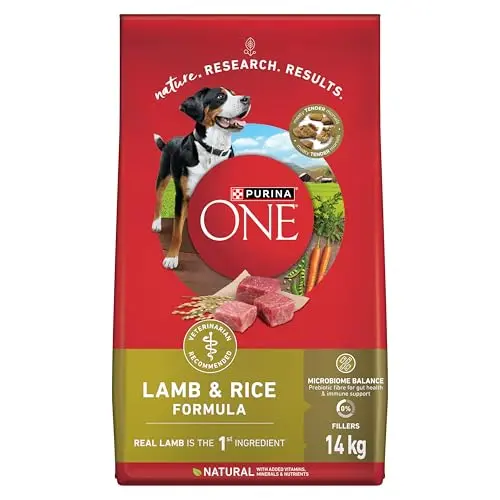
Microbiome Balance Lamb & Rice – Gut Health for a Brighter Coat
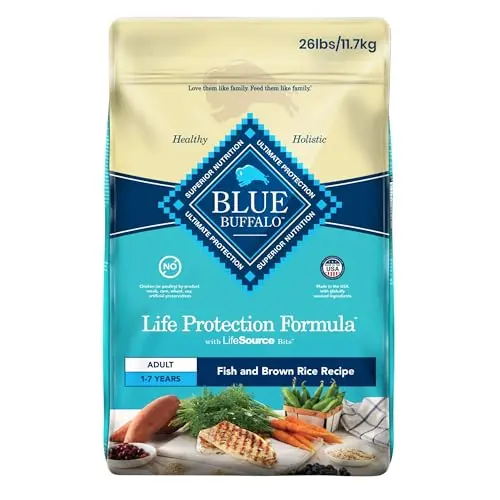
Life Protection Fish & Brown Rice – Omega‑Rich Foundation for Coat Health
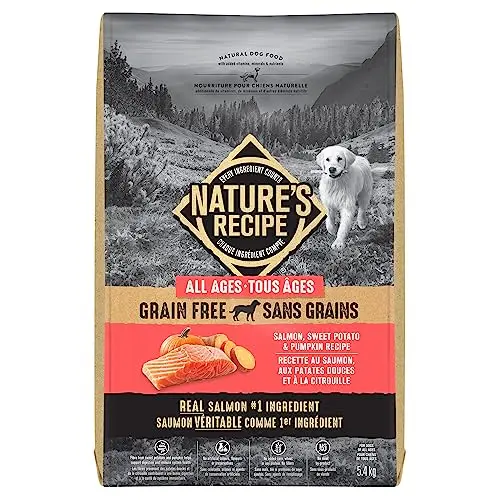
Grain Free Salmon, Sweet Potato & Pumpkin – Clean Eating for a Gleaming Coat
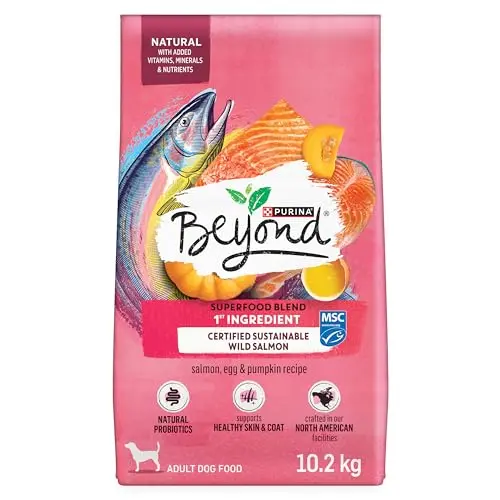
Superfood Blend Salmon, Egg & Pumpkin – Whole Food Nutrition for Sensitive Systems
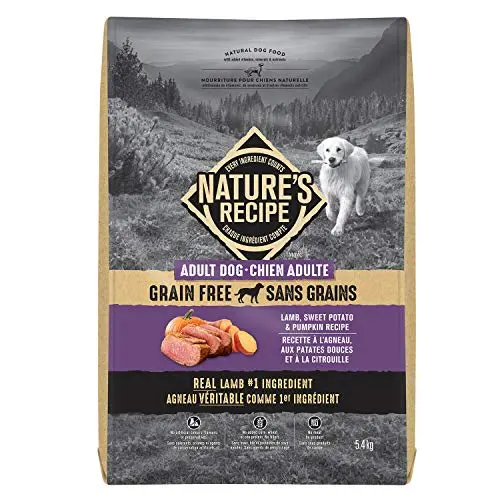
Grain Free Lamb, Sweet Potato & Pumpkin – Gentle Grain‑Free Option with Joint Support
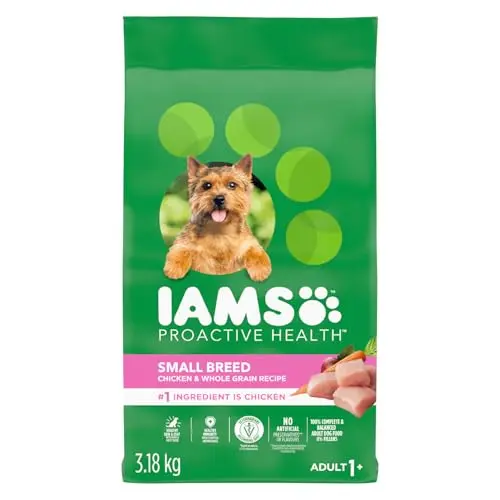
Proactive Health Small Breed Chicken & Whole Grain – Wallet‑Friendly Small‑Breed Staple
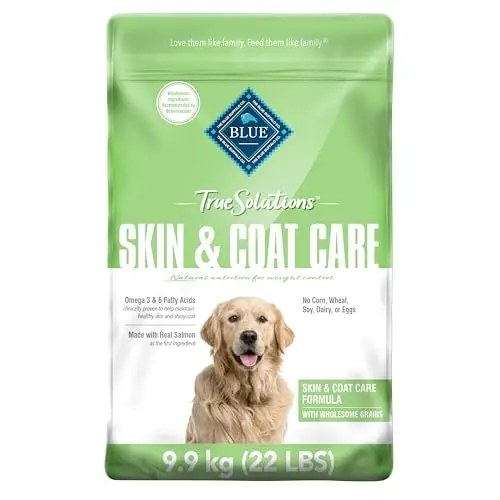
True Solutions Skin & Coat Care Salmon – Targeted Therapy for Tear Stains & Dry Skin
How We Evaluated These Dog Foods for White Dogs
We didn’t conduct controlled feeding trials or long‑term tear‑stain imaging. What we did: cross‑referenced 10 dog food formulas from 6 distinct brands across 7 decision axes – skin and coat support, digestive health, ingredient quality, breed size suitability, omega fatty acid content, protein sources, and real‑world owner feedback where available. We triangulated published ingredient lists, nutritional guarantees, and aggregated owner experiences to map each food against the specific needs of white dogs.
The scoring framework weighted real‑world fit for white dogs (60%) – how well a food addresses tear‑stain reduction, skin sensitivity, and digestive comfort – against feature differentiation (40%) – unique ingredients, clinical backing, or breed‑specific design. We have no commercial relationship with any of the brands featured; recommendations track fit and differentiation, not brand preference. If you’re looking for an all‑round food for a white dog, the Hill’s Science Diet Perfect Weight might be your match; if skin issues are the top priority, the Blue Buffalo True Solutions is purpose‑built for it.
How to Choose the Right Dog Food for White Dogs
What to Look for in Dog Food for White Dogs
When shopping for a white dog, you’re looking at the same fundamentals as any other dog – high‑quality protein, healthy fats, and digestible carbs – but with a sharper eye on ingredients that support skin and coat health. Omega‑3 and omega‑6 fatty acids, often from fish or flaxseed, are your best friends: they reduce inflammation and help maintain that bright, tear‑free coat. Look for foods that list a named meat (like salmon, lamb, or whitefish) as the first ingredient, and avoid artificial colours and preservatives that can trigger sensitivities.
Ingredients That Make a Difference for a White Coat
A shiny white coat starts from the inside out. Salmon and fish‑based recipes deliver direct doses of omega fatty acids, while eggs and flaxseed also contribute. Pumpkin and sweet potato are gentle fibres that support digestion – a settled stomach often means less facial staining. Antioxidants like vitamin E and zinc further support skin health. If your white dog struggles with tear stains, some owners also find that avoiding chicken or common allergens can reduce those rusty marks, though this varies from dog to dog.
Small Breed vs. Large Breed: Why Size Matters
Many white dogs – Maltese, Bichons, Westies – fall into the small breed category, so kibble size is a practical concern. Tiny mouths do better with small‑bite pellets, which also help with portion control. Small breed formulas also tend to have higher metabolic rates in mind, packing nutrient‑dense calories into every bite. If you have a larger white dog like a Samoyed or Great Pyrenees, a large‑breed formula with joint support ingredients is more appropriate.
Grain‑Free vs. Grain‑Inclusive: Which Is Right for White Dogs?
Grains can be a good source of energy and fibre, but some white dogs with food sensitivities do better without them. Grain‑free diets often replace grains with potatoes or legumes, and they can help reduce allergic reactions that manifest as itchy skin or ear infections. However, unless your dog has a confirmed grain allergy, a high‑quality grain‑inclusive food can be perfectly fine. The choice really hinges on your dog’s individual tolerance, so keep an eye on stool quality and skin condition when you switch.
Tear Stains and Diet: What Really Works
Tear staining in white dogs is often linked to excess tearing caused by genetics, blocked ducts, or food sensitivities. While no diet can guarantee stain‑free whiskers, foods that minimize inflammatory responses and support gut health can help. Many owners report improvement when switching to a limited‑ingredient or fish‑based diet free of common triggers like beef, dairy, or artificial additives. Probiotics and prebiotic fibres also play a supporting role by balancing the microbiome.
How to Transition Your White Dog to a New Food
A sudden switch can upset any dog’s stomach, so take 7 to 10 days to transition. Start with 25% new food mixed with 75% old, then gradually increase the new food every couple of days. For white dogs with delicate systems, extend the transition to two weeks. Watch for changes in stool, itching, or tear staining – these are your clues that the new food is (or isn’t) working.
Frequently Asked Questions
What's the difference between Hill's Science Diet Small & Mini and Blue Buffalo Life Protection for white dogs?
Both are excellent choices, but they target slightly different needs. The Hill’s Science Diet is laser‑focused on small breed digestive health, with pumpkin and easy‑to‑digest lamb, and its tiny kibble size is tailor‑made for toy mouths. The Blue Buffalo Life Protection uses whitefish as its primary protein, which naturally provides a higher dose of omega‑3s for skin and coat. If your white dog has a sensitive stomach, go with Hill’s; if you’re battling dry skin and want a shinier coat, lean toward Blue Buffalo.
Can dog food really reduce my white dog's tear stains?
Diet isn’t a magic bullet, but it can certainly help. Tear stains often worsen when a dog’s body is inflamed or reacting to a food trigger. By feeding a limited‑ingredient or fish‑based food that avoids common allergens, many owners see a noticeable reduction in staining over time. Improved gut health from prebiotics and probiotics also plays a role. That said, genetics and blocked tear ducts may still be the root cause, so diet is one piece of the puzzle alongside keeping the eye area clean.
How does Purina ONE True Instinct compare to Beyond Superfood Blend?
Both are from the Purina family but sit at slightly different tiers. True Instinct is all about high protein (32%) and muscle maintenance, with beef and salmon providing a robust amino acid and omega‑3 profile – perfect for active white dogs. Beyond Superfood Blend takes a more holistic, whole‑food approach, using wild‑caught salmon, eggs, and pumpkin to create a nutrient‑dense meal that feels closer to a raw diet. If your priority is muscle support and raw energy, True Instinct wins; if you want a broader spectrum of nutrients and a gentler recipe, Beyond is the pick.
Are grain‑free diets safer for white dogs with allergies?
They can be, but not necessarily for every dog. White dogs with confirmed grain allergies or sensitivities may indeed thrive on a grain‑free diet, which removes wheat, corn, and soy. However, protein allergies (like chicken or beef) are actually more common, so removing grains alone might not solve the issue. Always check the ingredient list for potential animal‑protein triggers. If you’re unsure, a limited‑ingredient trial is the best way to pinpoint the culprit.
Final Verdict
For most white dogs, the Hill’s Science Diet Perfect Weight offers the best balance – clinically proven weight management, small‑bite kibble, and a nutritional profile that supports a healthy glow from the inside out. If you have a tiny companion with a picky stomach, the Hill’s Science Diet Small & Mini is the gentle giant in a small bag. For targeted skin and coat rescue, Blue Buffalo True Solutions is the vet‑formulated specialist. And if you’re feeding an active white dog on a budget, IAMS Proactive Health Small Breed delivers solid nutrition at a price that’s hard to beat. However you choose, a happier, whiter coat is just a bowl away.