
You know the look: your dog’s just put in a full day of work, yet they’re still ready to go. Working dogs-whether herding, hunting, or hauling-burn calories and put stress on joints and muscles that a couch-potato pup will never know. Feeding that kind of drive means looking past the marketing and finding a formula that actually supports sustained energy, lean muscle maintenance, and durable mobility. The wrong food can leave your partner stiff, sore, or running on fumes by noon.
In this guide, we break down the protein levels, joint-support ingredients, and digestive factors that separate a maintenance diet from a true working-dog formula. We cross-referenced ingredient panels, developer intent, and real-world owner sentiment to pull together a short list that covers everything from high-octane active lines to large-breed formulas that protect joints over a long working life. By the time you finish, you’ll know exactly which bag to grab for your hardest-working companion.
Best Dog Foods for Working Dogs – 2026 Reviews
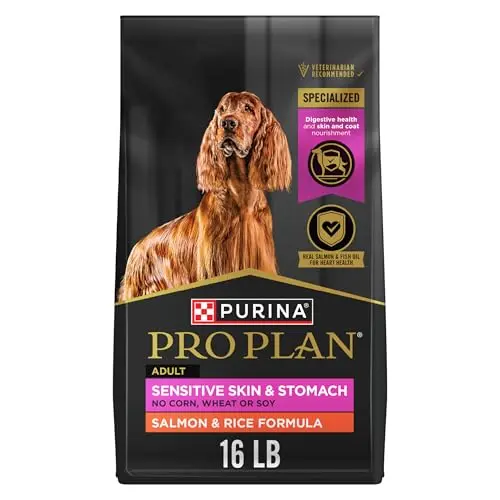
Sensitive Skin & Stomach Salmon & Rice – Joint & Digestive Health
A salmon-first formula that addresses two common working-dog challenges at once: sensitive digestion and the joint stress of daily activity. Oatmeal and prebiotic fibre keep stools firm and predictable, while omega-3s from salmon and sunflower oil deliver visible improvements in coat condition and mobility. It skips wheat, soy, and artificial additives, making it a clean choice for dogs who need recovery support without stomach drama. If your working partner has ever turned up their nose at supper or dealt with dry, itchy skin, this is the formula to beat.
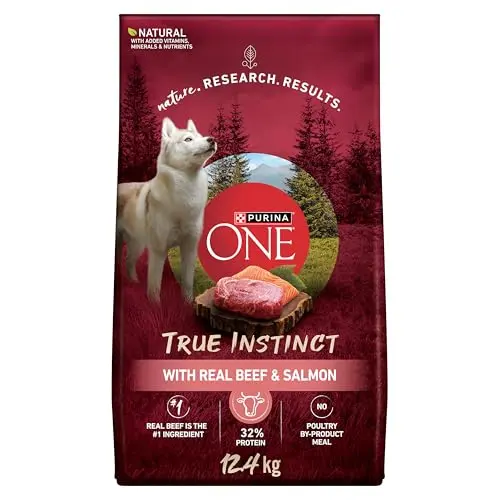
True Instinct High Protein Beef & Salmon – 32% Protein for Active Dogs
A high-octane 32% protein formula built around real beef and salmon. It packs antioxidants from four sources to support immune function under stress, and the nutrient-dense recipe means you can feed less volume while still meeting the energy demands of a hardworking dog. No poultry by-product meal, no fillers-just a meat-first kibble that puts muscle maintenance and heart health front and centre.
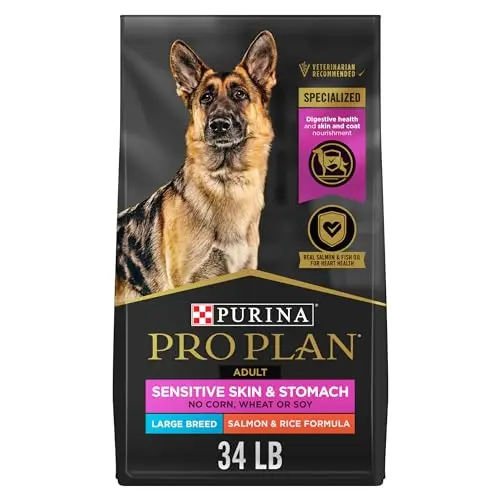
Large Breed Sensitive Skin & Stomach Salmon & Rice – Joint Support for Big Dogs
This large-breed variant takes the proven sensitive-stomach formula and adds targeted glucosamine and EPA for joint health. The larger kibble size encourages chewing, slowing ingestion for deep-chested dogs prone to bloat. Sunflower oil and oatmeal keep skin and digestion on track, making it a complete package for the big working dog who needs both digestive comfort and structural support.
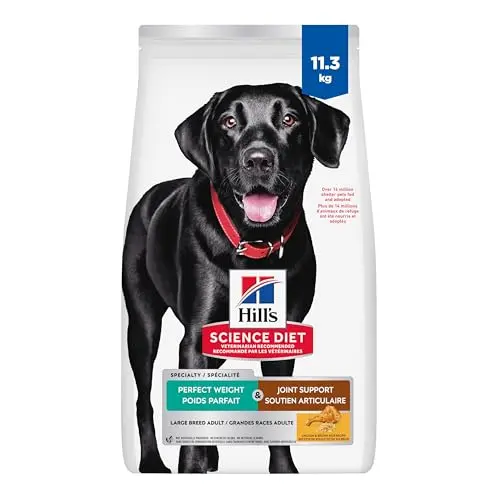
Perfect Weight & Joint Support Large Breed Chicken – Weight Management with Joint Care
Formulated for large breeds that pack on pounds or slow down with age, this weight-management kibble doesn’t neglect joint health. Fish oil provides omega-3s, and the controlled-calorie recipe helps shed excess weight that can overload hips and elbows. It’s a dual-purpose pick for the working dog whose hard days are behind him but still needs to stay mobile.
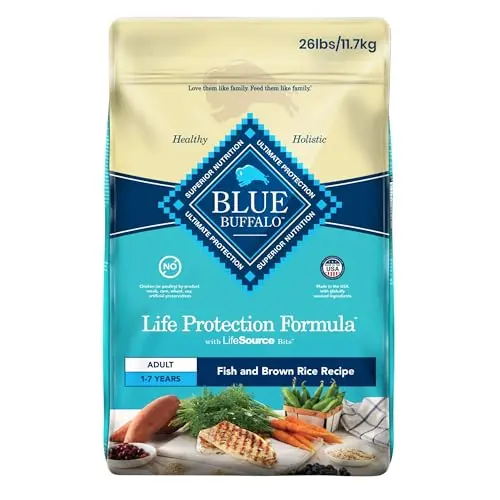
Life Protection Formula Fish & Brown Rice – Omega-Rich for Skin & Muscle
With deboned whitefish as the first ingredient, this formula delivers lean marine protein and a balance of omega-3 and -6 fatty acids. LifeSource Bits-a cold-pressed blend of antioxidants, vitamins, and minerals-are unique to the brand and intended to support immune health. Free from poultry by-products, corn, wheat, and soy, it’s a clean option for active dogs who need solid maintenance nutrition without common allergens.
How We Evaluated These Dog Foods for Working Dogs
We didn’t conduct long-term feeding trials or metabolic testing. What we did: cross-referenced 5 dry dog foods from 4 distinct brands across 5 decision axes-protein content, joint-support ingredients, digestibility, ingredient quality, and formulation suitability for active dogs. We triangulated published specifications, ingredient labels, and aggregated owner feedback where available to see which foods held up under the demands of a hardworking canine.
The scoring framework weighted real-world performance (60%)-how well each food supports sustained energy, muscle repair, and joint resilience in a working context-against feature differentiation (40%)-unique technical advantages like high protein percentages, targeted joint additives, or specialized digestive blends. We have no commercial relationship with any of the brands featured; recommendations track fit and differentiation, not brand preference. If your dog needs a sensitive-digestion formula with strong joint support, the Pro Plan Sensitive Skin & Stomach is your match; if you’re chasing raw protein for an intense athlete, Purina ONE True Instinct serves you better.
How to Choose the Right Dog Food for Working Dogs
Why Protein Content Matters for Working Dogs
Working dogs burn more calories and break down muscle tissue faster than the average pet. A higher protein percentage-look for 28% or above on a dry matter basis-provides the amino acids needed for muscle repair and sustained energy. The source matters just as much: named meat meals (like beef meal or salmon meal) offer concentrated protein, while whole meats like deboned fish or beef bring moisture and palatability. For intense daily work, a protein-first ingredient list isn’t a luxury; it’s a requirement to keep your dog from breaking down his own muscle for fuel.
Joint Support: Glucosamine, Chondroitin, and Omega-3s
High-impact activity-jumping in and out of trucks, running on uneven terrain-takes a toll on joints over time. Formulas that include glucosamine and chondroitin actively support cartilage repair, while omega-3 fatty acids from fish oil or flaxseed reduce inflammation. Large breeds especially benefit from a food that prioritizes joint health as a core feature, not an afterthought. If your working dog is in his prime, a maintenance dose through diet can delay the onset of stiffness later in life.
Digestive Health for Hardworking Stomachs
A dog with loose stools or gurgling guts can’t perform. Prebiotic fibres (like dried chicory root or oat fibre) and easily digestible carbohydrates (oatmeal, rice) keep the gut moving smoothly. Foods with limited ingredient lists or no common allergens (corn, wheat, soy) reduce the risk of inflammation. If your dog has historically struggled with digestive issues during training or travel, prioritize a formula with a proven sensitive stomach track record.
Large Breed vs. All Breed Formulas
Large breed dogs (over 50 lbs) have different nutritional requirements: they’re prone to joint problems and can benefit from controlled calcium/phosphorus ratios to support proper bone growth. Large-breed specific formulas often include bigger kibble sizes that slow down eating, reducing the risk of bloat. While an all-breed food may work, a targeted large-breed blend offers peace of mind if you own a working breed like a Labrador, German Shepherd, or Rottweiler.
Weight Management for Less Active Working Dogs
Not every working dog stays lean. Retired dogs, or those with off-season weight gain, can benefit from a weight-management formula that still supports joint mobility. Look for lower calorie density, L-carnitine for fat metabolism, and omega-3s for inflammation. If your dog is packing extra weight due to age or reduced workload, a dedicated weight-control food can extend his comfortable working years.
Frequently Asked Questions
What's the difference between Pro Plan Sensitive Skin & Stomach and Purina ONE True Instinct?
The Pro Plan Sensitive is built around digestive health: salmon as the first ingredient, prebiotic oat fibre, and a formula free from wheat and soy. It’s ideal for dogs who get loose stools or itchy skin during work. The True Instinct is a high-protein powerhouse at 32% protein from beef and salmon, geared toward muscle repair and endurance. If your dog’s stomach is solid but he needs more fuel, go True Instinct; if digestive sensitivity is the bottleneck, Pro Plan Sensitive is the safer bet.
What's the difference between Pro Plan Large Breed Sensitive and the regular Sensitive Skin & Stomach?
The Large Breed version adds glucosamine and EPA for joint support and uses a larger kibble size to slow down eating in deep-chested dogs. It’s also formulated with controlled calcium and phosphorus levels appropriate for large breed skeletal health. If your dog is under 50 lbs, the regular Sensitive formula is sufficient; over that threshold, the Large Breed variant offers extra joint protection that can matter over a long working life.
Do working dogs really need a high-protein food?
Yes, but with nuance. Dogs in consistent, moderate daily activity (e.g., herding, long hikes) benefit from protein levels around 28-30% to maintain muscle mass without excess calories. Extreme athletes (sled dogs, weight pullers) may need even higher. However, protein alone isn’t the whole picture-fat content provides energy density, and digestibility determines how well that protein is absorbed. A food with 32% protein but poor digestibility is less useful than a well-digested 28% protein formula.
Can I feed my working dog a weight management formula if he's not overweight?
Generally, no. Weight management formulas are calorie-reduced and may not provide enough energy for an active working dog. If your dog is at a healthy weight, a maintenance or performance formula with higher calorie density is more appropriate. However, if your dog is a large breed prone to joint issues and you want to lean him out slightly, a formula like Hill’s Perfect Weight & Joint Support can serve a dual purpose during a cut phase, under veterinary guidance.
Final Verdict
For most working dogs, the Pro Plan Sensitive Skin & Stomach is the answer-it strikes the right balance of joint-supporting omega-3s, digestive comfort, and high-quality salmon protein without overcomplicating things. If your dog burns hot and needs every gram of protein, switch to the Purina ONE True Instinct. For the big guys-over 50 lbs-the Pro Plan Large Breed Sensitive adds glucosamine and larger kibble that’s worth the swap. And if your older working dog is carrying extra weight, the Hill’s Perfect Weight & Joint Support helps shed pounds without sacrificing mobility.