
Small dogs come with big nutritional needs packed into tiny frames. Whether you’re raising a feisty Chihuahua puppy or caring for a senior Yorkie, the right kibble can make all the difference in their energy, coat, and overall health. But with so many brands claiming to be the best, how do you choose?
Kibble size is the most obvious factor – too large, and your dog struggles; too small, and they might inhale it. Beyond that, small breeds often need higher calorie density per cup, and many benefit from targeted formulas for digestion, joint health, or skin allergies. We cross-shopped the market to find kibbles that genuinely deliver for little mouths and metabolisms.
In this guide, we break down our top picks from leading brands, explain what to look for on the label, and help you match the right recipe to your dog’s life stage and sensitivities. You’ll walk away with a clear recommendation, whether you’re after all-around quality, puppy development, or a budget-friendly option that doesn’t cut corners.
Best Dog Kibble for Small Dogs – 2026 Reviews
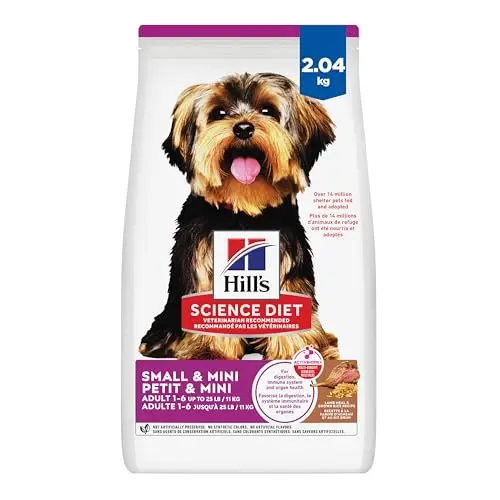
Adult Small & Mini Lamb Recipe – Gentle Digestion Support
A vet-recommended formula purpose-built for small and toy breeds, with easy-to-digest lamb and pumpkin to soothe sensitive stomachs. The tiny kibble is effortless for little mouths, making it our top pick for everyday feeding.
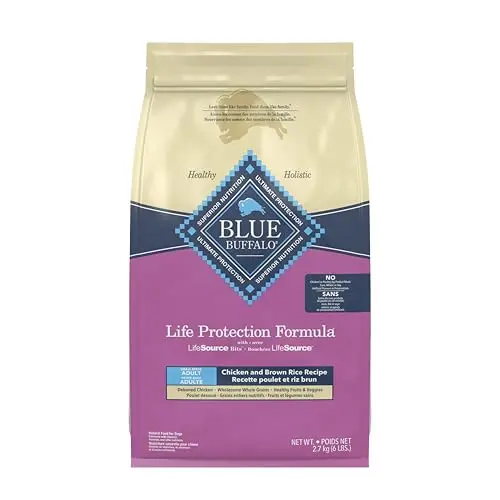
Life Protection Small Breed – Immune & Coat Support
Blue Buffalo delivers a protein-rich, antioxidant-packed option that goes beyond basic nutrition. The exclusive LifeSource Bits support immunity, while glucosamine and omega fatty acids keep joints and coats in top shape – a standout for overall wellness.
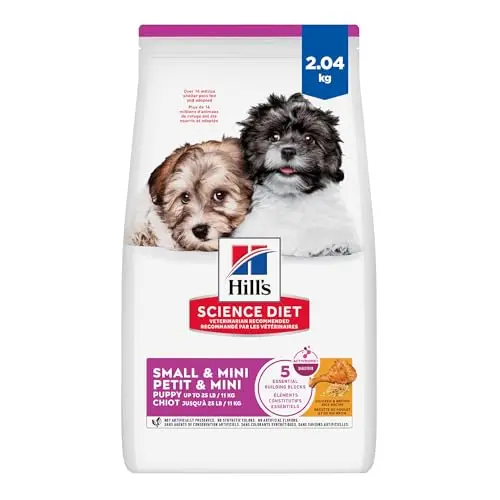
Puppy Small & Mini Chicken Recipe – Brain & Bone Development
Designed for growing pups up to a year old, this formula zeroes in on brain development and bone strength. The DHA from fish oil, paired with perfectly tiny kibble, makes it ideal for the smallest breeds.
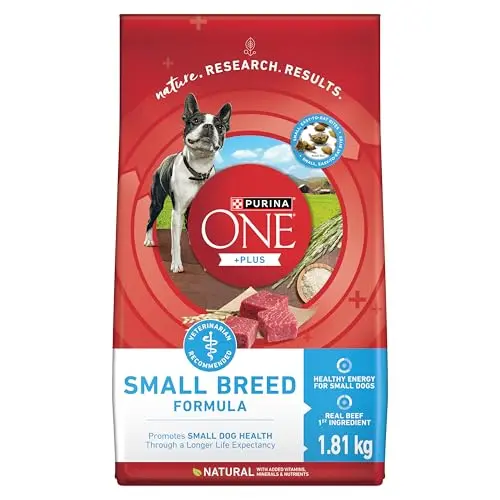
+Plus Small Breed Beef – High-Protein Value Pick
Purina ONE delivers a high-protein, real-beef-first recipe at a friendly price. The small, crunchy kibble supports dental health, while antioxidants and no artificial fillers keep it a cut above entry-level options.
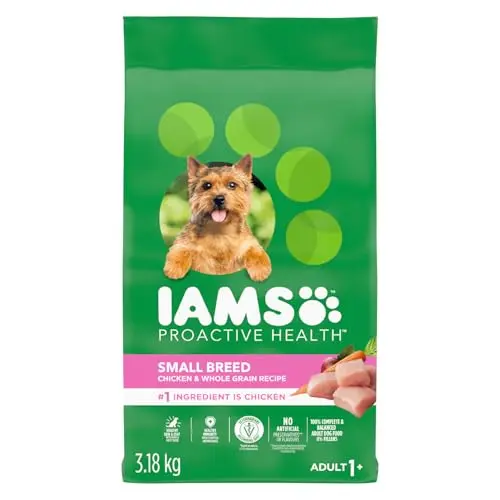
Proactive Health Small Breed – Digestive & Whole-Body Health
IAMS takes a straightforward, science-backed approach with smaller kibble tailored to dogs under 20 lbs. The recipe focuses on digestive health and overall well-being, without the premium price point.
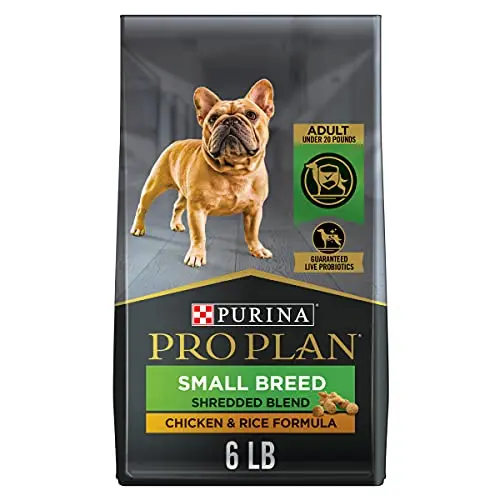
Savor Shredded Blend Small Breed – Texture & Probiotic Boost
Purina Pro Plan’s shredded texture and live probiotics set it apart. It’s protein-rich, highly palatable, and formulated to support digestive and immune health – a favourite among picky small dogs.
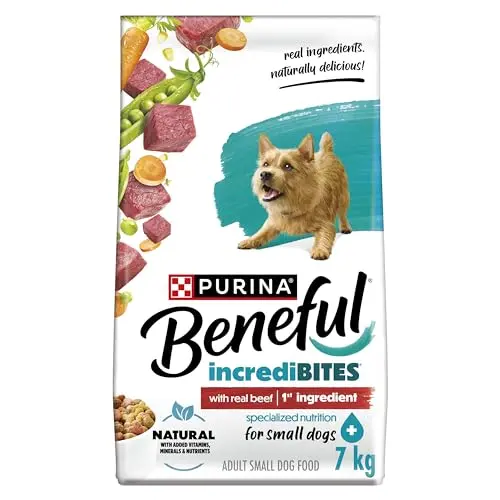
IncrediBites Small Breed Beef – Pleasing Texture & Taste
Beneful’s IncrediBites focus on fun, with tender and crunchy textures and visible bits of real carrots and peas. It’s a wallet-friendly option that doesn’t sacrifice protein or calcium for strong teeth and bones.
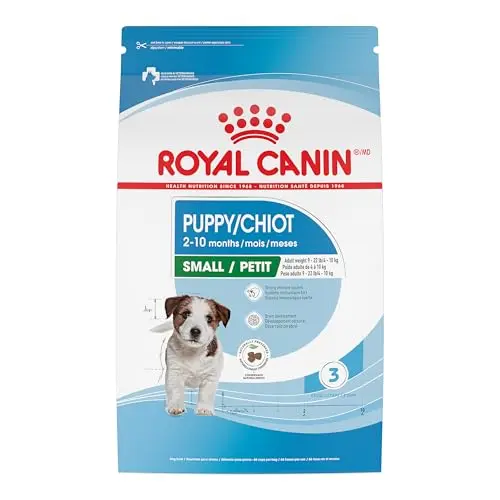
Small Puppy – Development & Immune Support
Royal Canin’s small-breed puppy formula is meticulously designed for the rapid growth phase between 2-10 months. The unique kibble shape and added DHA specifically target brain and immune system development.
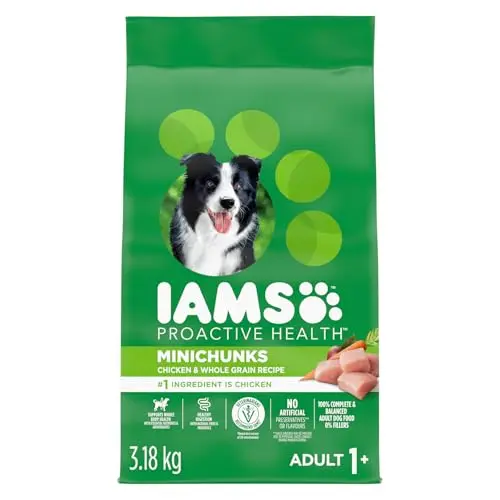
Proactive Health Minichunks – Budget-Friendly All-Breed Option
Though not small-breed specific, IAMS Minichunks offers a small kibble size suitable for many tiny mouths. It’s a cost-effective, easily accessible choice for households with mixed-size dogs.
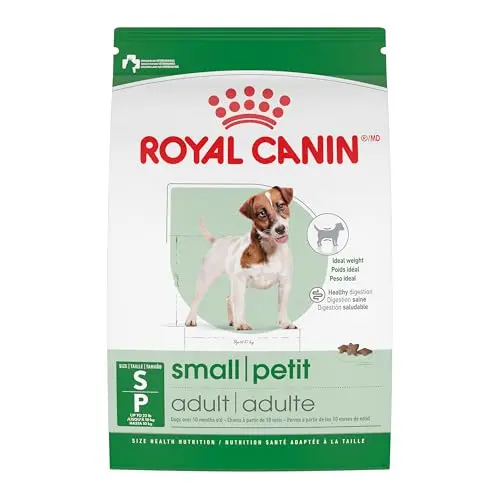
Small Breed Adult – Precise Weight & Bone Support
Royal Canin’s adult formula targets dogs 10 months to 8 years with a precise blend of nutrients for weight management and strong bones. Its unique, easy-to-chew kibble design caters to small jaws.
How We Evaluated These Dog Kibbles for Small Dogs
We didn’t run laboratory nutrient analysis or long-term feeding trials. Instead, we cross-referenced 10 dry dog food models from 7 distinct brands across five key decision axes: kibble size and texture, protein source and quality, life‑stage specificity (puppy vs. adult), digestive health support, and added functional ingredients like probiotics or joint supplements. We triangulated published ingredient lists, guaranteed analyses, and aggregated owner feedback where available to gauge real‑world palatability and digestibility.
The scoring framework weighted real‑world fit and owner‑reported outcomes (60%) – how well a kibble actually serves small dogs in day‑to‑day feeding – against feature differentiation (40%), such as unique nutritional additions or genuinely breed‑specific kibble design. We have no commercial relationship with any of the brands featured; our picks track performance and use‑case fit, not marketing spend. If you’re looking for a proven everyday kibble that’s gentle on tiny stomachs, the Hill’s Science Diet Adult Small & Mini Lamb Recipe earned our top slot; if you want a budget‑friendly option that still packs high‑quality protein, the Purina ONE +Plus Small Breed is a compelling alternative.
How to Choose the Right Dog Kibble for Small Dogs
Why Small Breed‑Specific Kibble Matters
Small dogs have faster metabolisms and tinier teeth, so kibble size and calorie density are critical. A Chihuahua can’t easily crunch a large‑breed kibble, and they need more calories per pound than a Labrador. Formulas labelled ‘small breed” adjust kibble dimensions and nutrient concentration to match, reducing the risk of choking or under‑nourishment. Look for bite‑sized pieces that encourage chewing rather than inhaling.
Life Stage: Puppy, Adult, or Senior
Puppies need DHA for brain development and balanced calcium for bone growth, while adults benefit from maintenance formulas that control weight and support joint health. If you have a puppy, choose a small‑breed puppy recipe – they’re denser in calories and specifically fortified. Once your dog hits about 12 months, transition to an adult formula. Senior small dogs (8+) often need lower phosphorus and added glucosamine; check for life‑stage appropriate options.
Protein and Ingredient Quality
Real meat as the first ingredient – chicken, lamb, or beef – signals a high‑quality protein source. Small dogs thrive on animal‑based proteins that support lean muscle and energy. Avoid formulas heavy in corn or wheat if your dog has sensitivities, though wholesome grains like brown rice and oatmeal provide gentle energy. A good kibble also lists named fat sources (chicken fat, fish oil) and avoids ambiguous ‘animal fat.”
Digestive Health and Sensitive Stomachs
Many small breeds are prone to digestive upset. Seek out prebiotic fibres (beet pulp, chicory root) or added probiotics that promote gut flora. Ingredients like pumpkin or flaxseed can soothe irritation. Observing stool quality is the best real‑world test – if you see consistently firm, well‑formed stools after switching, the formula likely agrees with your dog.
Added Functional Ingredients: Joints, Skin, and Immunity
Some kibbles go beyond basic nutrition with glucosamine and chondroitin for joint support, omega‑3 and ‑6 fatty acids for skin and coat health, and antioxidant blends (vitamins E, C, beta‑carotene) for immune defence. These aren’t essential for every dog, but if your breed is prone to allergies or luxating patellas, they can be worth the investment.
Comparing Hill's Science Diet vs. Blue Buffalo for Small Dogs
Both are premium choices, but they differ in philosophy. Hill’s emphasizes veterinary‑backed, precise nutrition with a strong focus on digestive health, often recommended for sensitive stomachs. Blue Buffalo adds LifeSource Bits for antioxidant delivery and includes glucosamine in most formulas, making it a favourite for owners concerned with joint and immune support. If your dog has a delicate gut, Hill’s might be the safer bet; if you want broader wellness coverage, Blue Buffalo is hard to beat.
Switching Foods Safely
Abrupt changes can cause diarrhoea. Transition slowly over 7-10 days: mix 25% new food with 75% old for 2-3 days, then 50/50, then 75/25, finally 100% new. Keep an eye on stool consistency – if it becomes loose, slow the transition. Always provide fresh water, especially when switching to a higher‑fibre formula.
Frequently Asked Questions
What's the difference between Hill's Science Diet Adult Small & Mini and Blue Buffalo Life Protection Small Breed?
Hill’s Science Diet focuses on digestive health with pumpkin and is often vet‑recommended for sensitive stomachs. Its kibble is slightly smaller and very uniform. Blue Buffalo, meanwhile, includes LifeSource Bits for antioxidant delivery and adds glucosamine for joint health. The Blue Buffalo formula also emphasizes omega fatty acids for skin and coat. Choose Hill’s if digestion is your priority; pick Blue Buffalo if you want broader wellness features like joint and immune support in one bag.
Is Royal Canin better than Purina Pro Plan for small breeds?
They take different approaches. Royal Canin engineers kibble shape and texture specifically for small jaws and offers precise nutrient ratios for weight and bone support. Purina Pro Plan’s Shredded Blend adds tender shredded pieces for picky eaters and includes guaranteed live probiotics. If your dog is particularly fussy about texture, Pro Plan may win; if you’re after meticulous, breed‑specific nutrient profiling, Royal Canin is tough to beat, though it does come at a higher cost per serving.
Do small dogs really need small‑breed‑specific food?
While you can technically feed a small dog a regular kibble, small‑breed formulas are more calorie‑dense and have smaller kibble sizes that are safer and easier to chew. Tiny dogs burn calories faster, so they need more energy per mouthful. The smaller pieces also reduce the risk of choking and promote chewing, which helps control tartar buildup. If you have a toy breed, small‑breed food is strongly recommended.
What's the best puppy food for small breeds?
Look for a puppy‑specific small‑breed formula with high‑quality protein, DHA from fish oil for brain development, and controlled calcium for proper bone growth. Our top pick is the Hill’s Science Diet Puppy Small & Mini, which balances all these elements with tiny, easy‑to‑manage kibble. Royal Canin Small Puppy is another excellent option for breed‑specific precision.
How much should I feed my small dog?
Always follow the feeding guide on the bag, which is based on your dog’s weight. Small dogs often need fewer cups per day but more frequently – splitting their daily portion into 2-3 meals can help prevent hypoglycemia, especially in toy breeds. Adjust based on activity level and body condition: you should be able to feel but not see the ribs, and there should be a visible waist when viewed from above.
Final Verdict
After comparing kibble size, ingredient quality, and owner feedback, the Hill’s Science Diet Adult Small & Mini Lamb Recipe emerged as our best overall pick: it’s digestible, perfectly sized, and trusted by veterinarians. If you’re watching your budget without giving up protein quality, the Purina ONE +Plus Small Breed delivers exceptional value. For owners wanting broad wellness coverage – joints, skin, immunity – the Blue Buffalo Life Protection Small Breed is a worthy step‑up. And if you’re raising a tiny puppy, the Hill’s Science Diet Puppy Small & Mini is purpose‑built for the job. Whichever you choose, your small dog will thank you with a wagging tail and a happy tummy.