
If your dog suffers from allergies, you know the drill: constant itching, paw licking, ear infections, and the never-ending search for a treat that doesn’t trigger a flare-up. Finding safe, enjoyable treats for an allergic dog can feel like navigating a minefield – one wrong ingredient and you’re back to square one. But with more brands than ever offering limited-ingredient, single-protein, and allergy-specific options, there has never been a better time to find a treat that works for your pup.
We surveyed the market’s most promising dog treats designed with allergic dogs in mind. From crunchy biscuits to soft training chews, each pick was evaluated for its ingredient list, allergy-focused formulation, and real-world owner feedback. Whether your dog needs a simple single-animal-protein snack or a comprehensive chew packed with omega‑3s and antihistamine‑supporting botanicals, this guide will help you narrow down the right choice.
Best Dog Treats for Dogs with Allergies – 2026 Reviews
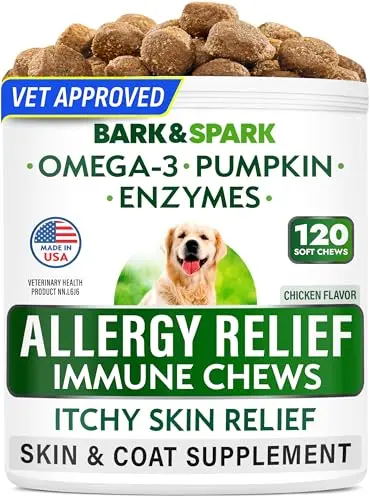
Allergy Support Chews – Omega-3, Pumpkin & Enzyme Soft Chews
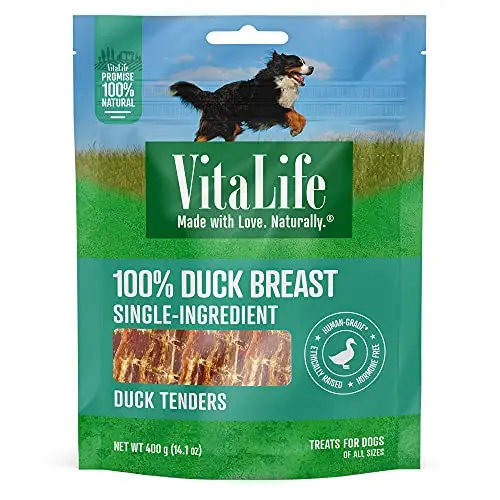
Duck Tenders – Single-Ingredient Duck Breast Strips
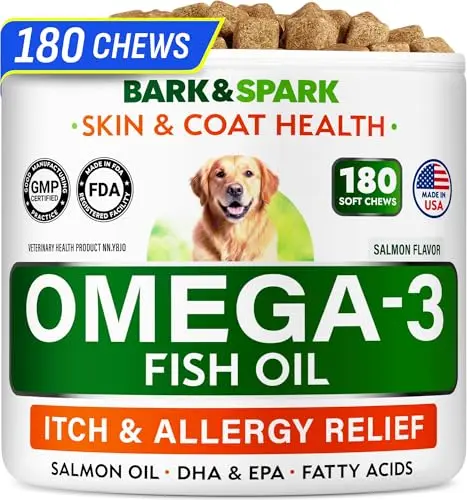
Omega 3 Fish Oil Chews – Salmon Oil, EPA & DHA Soft Chews
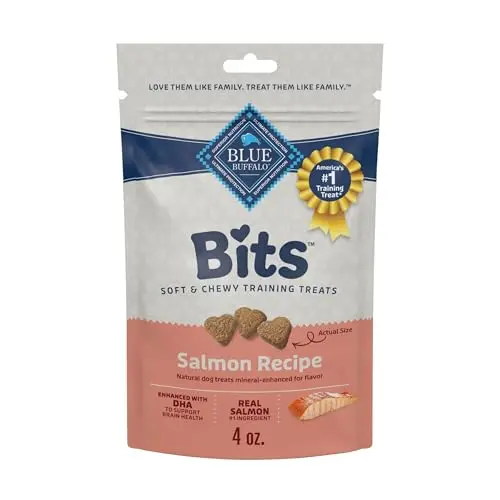
Bits Training Treats – Salmon Recipe Soft Bites
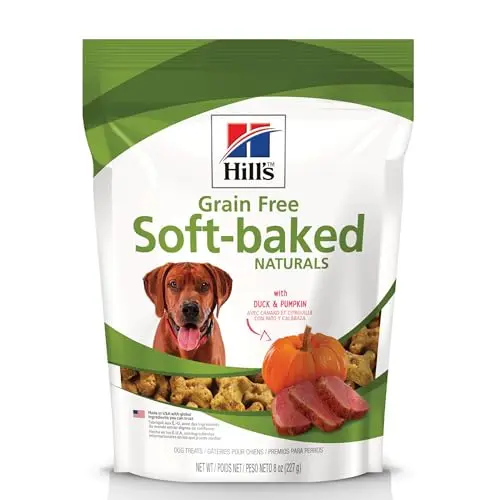
Grain‑Free Soft‑Baked Naturals – Duck & Pumpkin Recipe
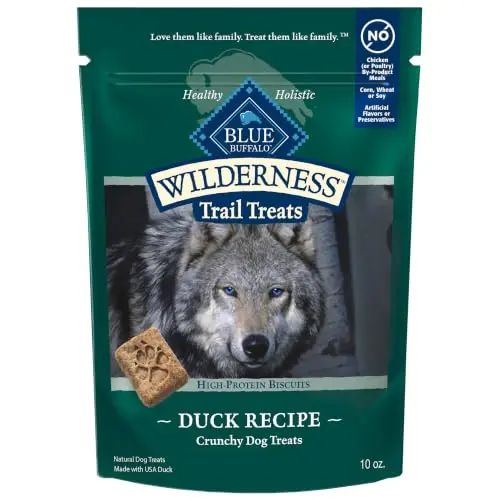
Wilderness Trail Treats – Duck Recipe Grain‑Free Biscuits
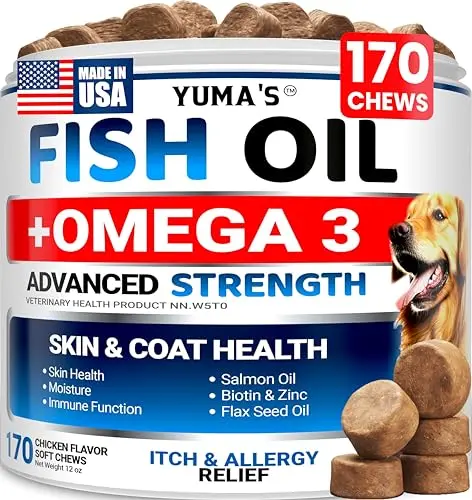
Omega 3 Fish Oil Chews – Salmon Flavor Soft Chews
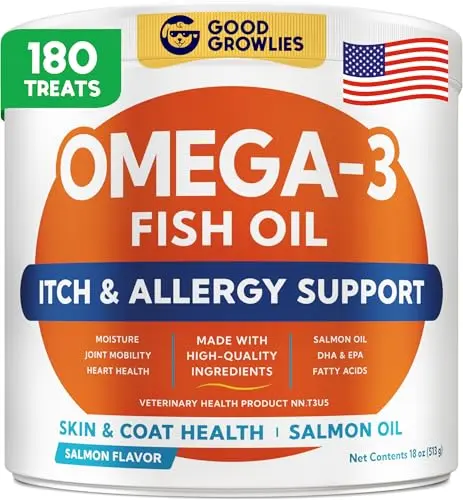
Omega 3 Alaskan Fish Oil Chews – Salmon Flavor Soft Chews
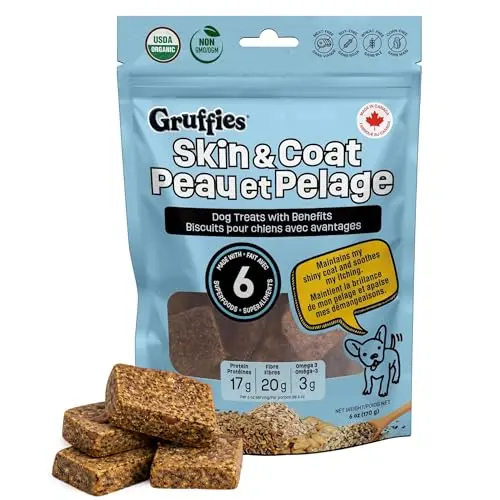
Skin & Coat Organic Biscuits – Peanut Butter with Superfoods
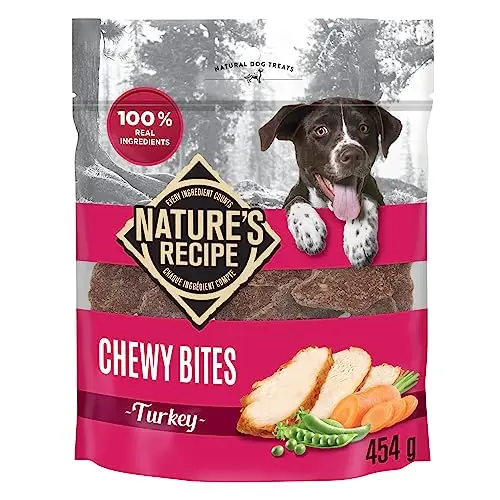
Chewy Bites – Turkey, Pea & Carrot Recipe
How We Evaluated These Dog Treats for Dogs with Allergies
We didn’t conduct controlled feeding elimination trials or allergy testing under veterinary supervision. What we did: cross‑referenced 10 dog treat models from 8 distinct brands across six decision axes – protein source and number of ingredients, inclusion of allergy‑targeted supplements (like omega‑3s, quercetin), artificial additive avoidance, texture and treat type, brand transparency and guarantees, and suitability for elimination diets or multiple sensitivities. We triangulated published ingredient panels, functional claims, and aggregated owner feedback where available to assess real‑world allergy tolerance.
The scoring framework weighted allergy‑relevant formulation (60%) – how directly each treat addresses itching, hot spots, or food sensitivity – against feature differentiation (40%) – unique advantages like single‑ingredient simplicity, dosage‑specific omega‑3 potency, or value per serving. We have no commercial relationship with any of the brands featured; recommendations track fit for allergic dogs, not brand preference. If your dog battles year‑round itchiness, the Bark&Spark Allergy Support Chews are the most complete solution; if you’re starting an elimination diet, the VitaLife Duck Tenders keep things reliably simple.
How to Choose the Right Dog Treats for Dogs with Allergies
Understanding Food Allergies in Dogs
Food allergies in dogs typically show up as itchy skin, ear infections, hot spots, or gastrointestinal upset, and they’re often triggered by proteins like beef, chicken, or dairy. The tricky part? You can’t guess the culprit; you need an elimination diet or veterinary diagnostics. When choosing a treat, simplifying the ingredient list is the first line of defence. Look for treats with a single animal protein source – ideally one your dog hasn’t been exposed to before, like duck, venison, or salmon. Avoid common filler grains (wheat, corn, soy) and ambiguous “meat meal” that could be a mix of proteins. If your dog’s symptoms are seasonal or environmental rather than food‑driven, allergy‑support supplements with omega‑3s and natural antihistamines like quercetin can be more helpful. The key is matching the treat to your dog’s specific allergy type, which a vet can help identify.
Single‑Protein vs. Multi‑Ingredient Treats
When you’re trying to pinpoint or avoid a trigger, single‑protein treats are gold. A treat like VitaLife Duck Tenders – made from just dried duck breast – eliminates the guesswork. If your dog does well on it, you know duck is safe. Multi‑ingredient treats, even high‑quality ones like the Bark&Spark Allergy Support chews, introduce several variables at once. That said, once you’ve identified safe proteins, a well‑formulated multi‑ingredient treat can actively support skin health with targeted nutrients. For dogs with multiple known allergens, single‑ingredient treats are the safest bet. For dogs with only environmental allergies, a multi‑ingredient support chew may offer more comprehensive relief. Always introduce one new treat at a time and watch for reactions over several days.
Grain‑Free and Limited‑Ingredient Diets: What Matters
Grains are not inherently bad for dogs, but they can be common allergens for some. Treats like Blue Buffalo Wilderness Trail Treats and Hill’s Grain‑Free Soft‑Baked Naturals ditch the wheat, corn, and soy, using potato or pea as a binder instead. While grain‑free can reduce potential triggers, it’s not a blanket solution. Some dogs react to pea protein or other legumes, so a limited‑ingredient diet (LID) – meaning just a few components overall – is often more powerful than just being grain‑free. Our top picks for a true LID approach are the VitaLife Duck Tenders and Blue Buffalo Bits Salmon. Look for a recognisable, short ingredient list, and don’t assume grain‑free equals hypoallergenic. Always read the full panel, and if your vet hasn’t flagged grain sensitivity, a grain‑inclusive but simple treat may still work perfectly.
Omega‑3s and Skin‑Focused Allergy Support
For dogs whose allergies manifest as dry, flaky skin, excessive shedding, or hot spots, omega‑3 fatty acids from fish oil are a proven ally. EPA and DHA help dampen the inflammatory response that drives itching and chewing. Supplements like the Bark&Spark Omega 3 chews or YUMA’S fish oil chews deliver a concentrated dose that you can’t get from protein treats alone. These are ideal for dogs with airborne or contact allergies, or as an add‑on to a limited‑ingredient treat. Look for a product that clearly states the milligrams of EPA+DHA per serving – you want at least 300‑500 mg for a medium dog to see a difference. Chews that also contain antioxidants (like turmeric or vitamin E) offer bonus skin‑barrier support. Just remember: these are supplements, not training treats, so factor their calories into your dog’s daily intake.
Bark&Spark Allergy Chews vs VitaLife Duck Tenders: Which for Your Dog?
Both are excellent, but they serve different allergy scenarios. Choose the Bark&Spark Allergy Support Chews if your dog has generalised itching, hot spots, or suspected environmental allergies. Its blend of omega‑3s, quercetin, bromelain, and pumpkin provides broad‑spectrum immune support and skin soothing in one package. It’s the more versatile choice for a dog whose allergy source isn’t pinned to a single food. Go with VitaLife Duck Tenders if you’re actively managing a food allergy or conducting an elimination diet. Its single‑ingredient simplicity eliminates any hidden triggers, giving you a zero‑risk treat while you identify safe proteins. If your dog is a picky eater, VitaLife’s real‑meat appeal often wins out. Ideally, you may even use the duck tenders daily and add the Bark&Spark chews as a targeted supplement during flare‑ups, but always check with your vet first.
Treat Texture and Size: More Than a Preference
Texture affects not just palatability but also usability and safety. Soft, chewy treats like Blue Buffalo Bits or Bark&Spark soft chews are perfect for quick training rewards and easy on the teeth of seniors and puppies. Crunchy biscuits like Blue Buffalo Wilderness Trail Treats can help with dental hygiene but are harder to portion and not ideal for small dogs. Chewy strips like VitaLife Duck Tenders offer a longer‑lasting chewing experience but need to be sized appropriately to prevent choking. If you have a tiny dog, always break treats into pea‑sized pieces. For large breeds, bigger biscuits or strips can be given whole, but monitor chewing. The right texture can also affect motivation – many dogs work harder for soft, aromatic treats. For dogs with mouth discomfort, go soft; for heavy chewers, a tougher treat can provide enrichment. Always match the treat’s form to your dog’s size, age, and dental health.
Frequently Asked Questions
What's the difference between the Bark&Spark Allergy Support chews and their Omega‑3 chews?
The Allergy Support chews go beyond omega‑3s: they include quercetin (a natural antihistamine), bromelain (for absorption), turmeric (anti‑inflammatory), and pumpkin – making them a true multi‑pronged allergy fighter. They’re designed to address itching, paw licking, and overall immune response. The Omega‑3 chews are a straightforward high‑potency salmon oil supplement (500 mg EPA+DHA per serving) focused on skin barrier health, coat quality, and joint support. If your dog’s symptoms are clearly skin‑centric and you want a simple omega‑3 boost, the Omega‑3 chews are a great pick. For more comprehensive allergy relief, the Allergy Support formula is the better choice.
Can single‑ingredient treats like VitaLife Duck Tenders really help with food allergies?
Absolutely. When a dog has a food allergy, the immune system reacts to specific proteins. By offering a treat that contains only one protein source – one your dog hasn’t been exposed to before – you eliminate the risk of triggering a known allergen. This is especially valuable during an elimination diet, where the goal is to strip the diet down to the bare essentials. VitaLife’s duck strips are just duck, with no added grains, fillers, or hidden ingredients, so they won’t contaminate the trial. Once you’ve confirmed duck is safe, they become a permanent, worry‑free reward. Just be sure to pair them with a corresponding single‑protein kibble if your dog is on a strict elimination plan.
Are grain‑free treats always better for dogs with allergies?
Not necessarily. While some dogs are allergic to grains like wheat or corn, protein allergies are far more common. Grain‑free treats remove those specific grains, which is helpful if your dog has a confirmed grain sensitivity, but they often replace them with legumes (peas, lentils) or potatoes – which can also cause issues in some dogs. A limited‑ingredient treat with a single protein and a carb source your dog tolerates is often more important than the grain‑free label. Many grain‑inclusive treats with simple, high‑quality ingredients can be just as well‑tolerated. Focus on the protein source and total ingredient count rather than using grain‑free as a shortcut for hypoallergenic.
How do I know if my dog's itching is from food or environmental allergies?
Environmental allergies (atopy) tend to be seasonal – scratching worsens when pollen counts rise or after walks in certain areas. You might also notice ear infections, paw licking after being outdoors, and a pattern of flare‑ups. Food allergies can be year‑round and often involve gastrointestinal signs like loose stools or vomiting alongside skin issues. The gold standard for diagnosing a food allergy is an elimination diet trial supervised by your vet, where you feed a novel protein and carbohydrate for 8‑12 weeks. If symptoms clear and then return when you reintroduce the old food, it’s likely a food allergy. Blood or saliva tests are not reliable. Treats during a trial must match the novel protein; a single‑ingredient treat like VitaLife Duck Tenders is ideal here.
Final Verdict
For most dogs battling allergies, the Bark&Spark Allergy Support Chews are the clear winner. They tackle itching at the source with a blend that goes far beyond basic salmon oil – quercetin, bromelain, turmeric, and pumpkin work together to calm the immune response and soothe the skin. If you’re managing a strict food allergy or running an elimination diet, the VitaLife Duck Tenders are your safest bet – one ingredient, zero guesswork. For a budget‑friendly training treat that still respects allergies, the Blue Buffalo Bits Salmon deliver fantastic value. And if your dog’s allergy fight is all about skin and coat, the Bark&Spark Omega 3 chews are a potent, chicken‑free supplement that shows real results. No matter which you pick, you’re equipping your pup with a smarter, safer treat.