
Finding the right treat for your small dog isn’t just about taste – it’s about size, dental health, and avoiding fillers. A treat that’s too large becomes a choking hazard; one that’s too hard can damage tiny teeth. And with so many brands touting limited ingredients, dental benefits, or training prowess, it’s easy to get lost in the aisle.
This guide sorts through the options across nine brands to zero in on what actually matters for small dogs. We priotized treats that are physically manageable for toy and mini breeds, offer dental or training advantages, and come with ingredient panels you can feel good about. Whether you need a daily dental scrub, a high-value training morsel, or a long-lasting distraction chew, we’ve mapped the picks to the job.
Best Dog Treats for Small Dogs – 2026 Reviews
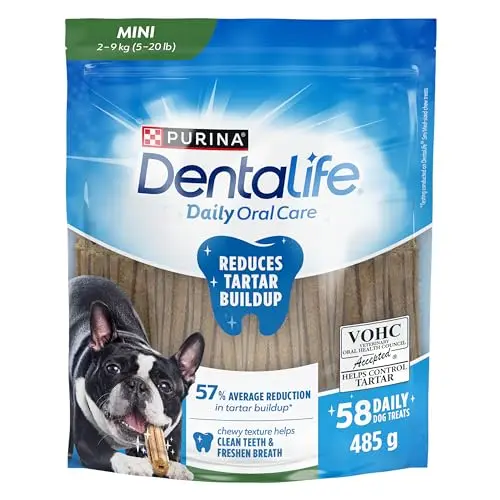
Daily Oral Care Mini Dental Chews – Tartar-Busting Ridges
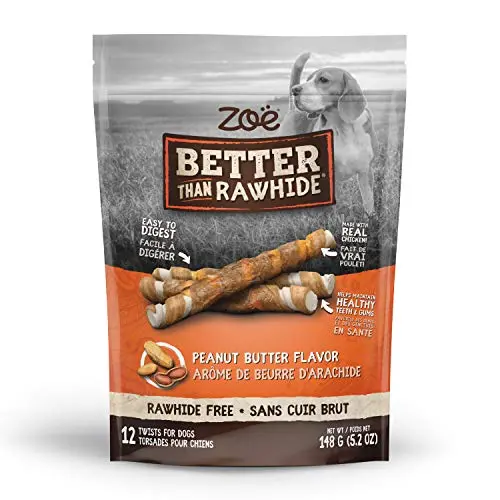
Better Than Rawhide Peanut Butter Twists – Rawhide-Free Chew
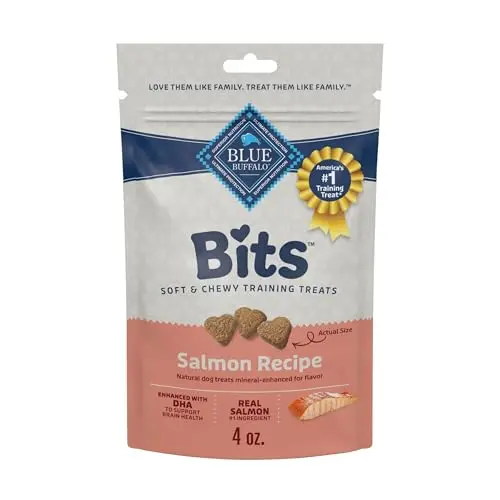
Blue Bits Salmon Training Treats – Tiny, Soft & DHA-Rich
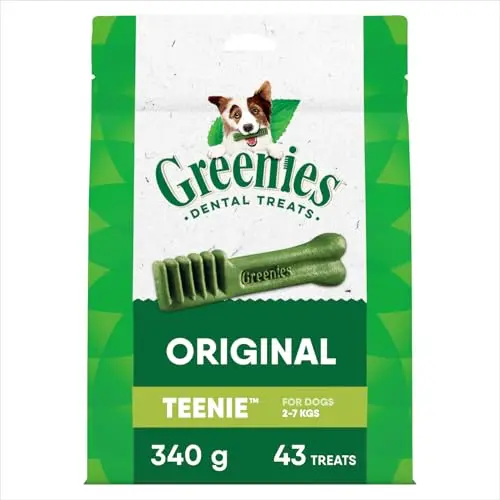
Teenie Original Dental Chews – Vet-Recommended Daily Care
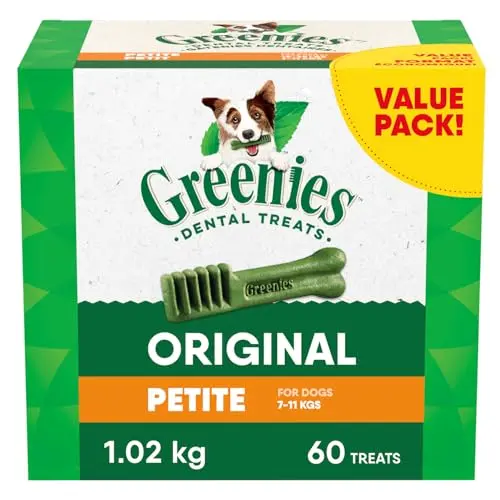
Petite Original Dental Chews – For Small Dogs 7-11 kg
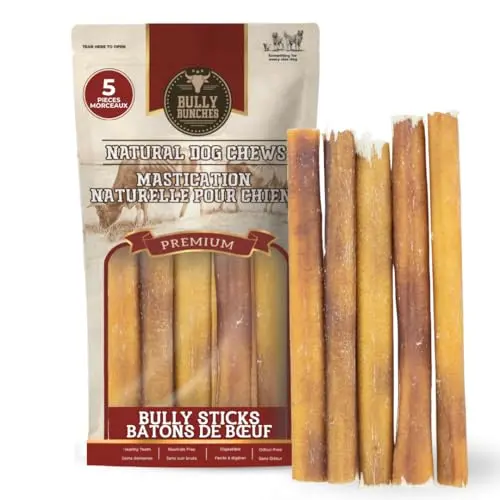
6-Inch Standard Bully Sticks – Odour-Free, Long-Lasting Chew
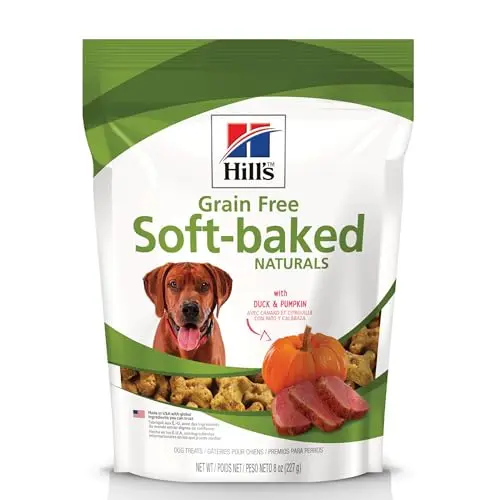
Grain-Free Soft-Baked Duck & Pumpkin Treats – Training or Snacking
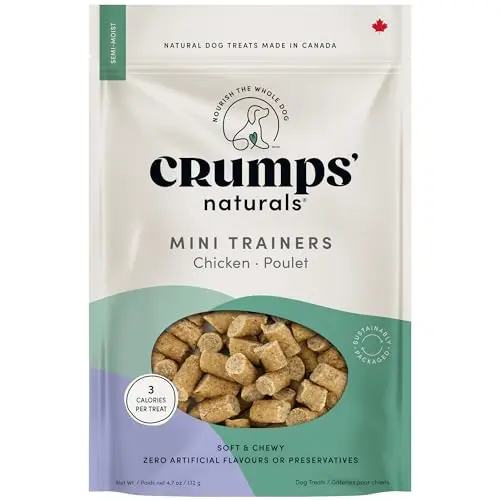
Semi-Moist Chicken Mini Trainers – Low-Calorie & Bite-Sized
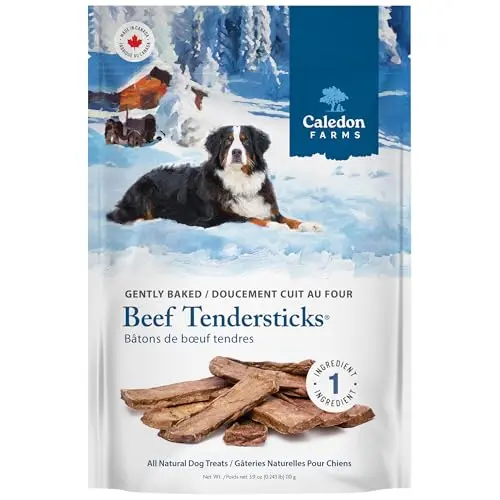
Beef Tendersticks – Single-Ingredient Canadian Jerky
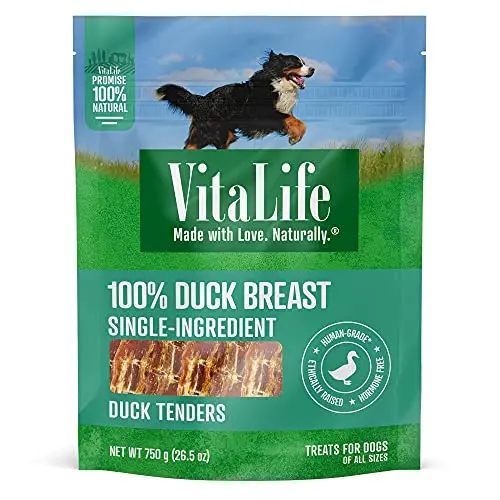
Duck Tenders – Single-Ingredient Duck Breast Fillet
How We Evaluated These Dog Treats for Small Dogs
We didn’t run controlled dental plaque assays or long-term palatability trials. What we did: cross-referenced 10 treat models from 9 distinct brands across 6 decision axes – treat type (dental chew vs training vs jerky), size appropriateness for small mouths, ingredient quality, dental efficacy, texture/chew duration, and aggregated owner feedback where available. We triangulated published specifications, use-case fit against representative small-dog profiles, and ingredient panel audits, then benchmarked each treat against the demands of toy and mini breeds.
The scoring framework weighted real-world fit (60%) – how well a treat matches a small dog’s mouth size, dietary needs, and daily routine – against feature differentiation (40%) – unique advantages like VOHC certification, single-ingredient simplicity, or DHA enrichment. We have no commercial relationship with any of these brands; recommendations track fit and differentiation, not brand preference. If you’re after proven dental care, the Dentalife Mini Chew leads, while the Zoe Twist is your budget-friendly rawhide alternative.
How to Choose the Right Dog Treats for Small Dogs
Why Size Matters: Matching Treats to Your Small Dog's Mouth
Small dogs have small mouths, and a treat that’s too large isn’t just inconvenient – it’s a choking risk. Look for treats specifically labelled for toy, mini, or small breeds. The ideal treat should be small enough to chew safely but large enough to promote chewing action, not immediate swallowing. Dental chews like Greenies Teenie or Dentalife Mini are calibrated for tiny jaws, while training treats like Blue Buffalo Bits are already bite-sized. For items like bully sticks or jerky, always supervise and consider breaking them down if needed.
Dental Chews vs. Training Treats vs. Chews: What's Right for Your Dog?
The treat aisle breaks down into three broad types. Dental chews (Greenies, Dentalife) are designed to scrub plaque and freshen breath; they’re daily-use items that double as oral care. Training treats (Blue Buffalo Bits, Crumps Naturals Mini Trainers) are tiny, soft, and high-value – meant for rapid reinforcement during obedience work. Long-lasting chews (bully sticks, rawhide alternatives like Zoe Twists, jerky) occupy your dog and satisfy the urge to gnaw. Most small-dog owners benefit from having at least one dental chew for health and one training treat for bonding.
Ingredient Quality: What to Look For (and What to Avoid)
Small dogs often have sensitive stomachs, so ingredient simplicity is key. Single-ingredient treats like Caledon Farms Beef Tendersticks or VitaLife Duck Tenders remove the guesswork. When scanning labels, prioritize named protein sources (salmon, duck, beef) over vague “meat meal,” and avoid artificial colours, flavours, and preservatives. Grain-free or limited-ingredient options (Hill’s Soft-Baked, Crumps Naturals) can help if your dog has allergies. Remember, “natural” on a bag doesn’t automatically mean healthy – check the actual ingredient list.
Greenies vs. Dentalife: Which Dental Chew Is Better for Tiny Teeth?
Both are excellent, but they work differently. Greenies rely on a flexible, chewy texture that bends under the gumline as your dog bites down. The Teenie size is ideal for dogs 2-7 kg, and the formula includes vitamins and minerals. Dentalife uses a rigid, ridged structure with a porous surface to physically scrape teeth. It carries the VOHC seal, which is harder to earn, and the mini size is slightly smaller than the Teenie, making it a better fit for true toy breeds. If your dog is a determined chewer, Dentalife may resist gulping better; if they’re picky, Greenies’ softer chew often wins. For a direct swap, the Dentalife Mini is our top dental pick, but the Greenies Teenie is a close second with a longer track record.
How to Use Treats for Training Without Overfeeding
Small dogs pack on calories fast, so treats should never exceed 10% of their daily intake. Low-cal training treats (Crumps Naturals at around 3 kcal per piece, Blue Buffalo Bits) let you reward frequently without weight gain. For larger items like a Dentalife chew, factor it into meal portions – these aren’t calorie‑free. If you’re doing a long training session, break treats into halves or quarters; even a pea-sized piece is enough for a tiny dog’s palate. The Blue Buffalo Bits are our favourite here because they combine palatability with DHA, but any of the small training options will work.
Frequently Asked Questions
How do Greenies dental chews compare to Dentalife for small dogs?
Both reduce tartar and plaque, but they take different approaches. Greenies use a bendable, chewy texture that flexes under the gumline, while Dentalife relies on a rigid, porous design with ridges that physically scrape teeth. Dentalife holds the VOHC seal, which is a third-party validation of effectiveness; Greenies are vet-recommended but don’t carry that specific certification. For dogs under 3 kg, Dentalife’s mini size is a hair smaller and less likely to be swallowed whole. However, Greenies’ Teenie chews are softer, which some picky eaters prefer. In practice, both are excellent – pick based on your dog’s chewing style.
Blue Buffalo Bits vs. Crumps Naturals Mini Trainers: which is better for training?
They’re both designed for training, but Blue Buffalo Bits have an edge with salmon as the first ingredient and added DHA for brain support. They’re slightly larger (still tiny) and softer, which makes them easy to break by hand. Crumps Naturals are lower in calories (about 3 kcal per piece) and are semi‑moist, staying pliable in a treat pouch. If your priority is a nutrient-dense reward with cognitive benefits, go Blue Buffalo. If you want the absolute lowest calorie option for high‑frequency training, Crumps is your pick.
Are bully sticks safe for small dogs?
Yes, provided they’re appropriately sized and supervised. Bully Bunches’ 6-inch standard is intended for small and medium dogs and is fully digestible, unlike rawhide. The risk isn’t the stick itself – it’s the small dog who might try to swallow the last inch. Always hold the stick or use a bully stick holder to prevent gulping. Take it away when it gets short, and choose a thickness your dog can’t bite off in large chunks. For very tiny dogs (under 2 kg), you might prefer a smaller diameter or a split bully stick to reduce the chewing effort.
Do small dogs really need dental treats?
Dental disease is the most common health issue in small dogs, and daily dental chews are one of the easiest ways to combat it. Greenies and Dentalife are designed to reach below the gumline where brushing often misses. While they’re no substitute for vet cleanings, they significantly reduce plaque and tartar buildup between visits. If your dog won’t tolerate toothbrushing, a VOHC‑accepted dental chew like the Dentalife Mini becomes even more important. Think of it as daily maintenance, not an occasional treat.
Can I give my small dog jerky or dehydrated meat treats?
Absolutely, as long as you pick a product with minimal processing. Caledon Farms Beef Tendersticks and VitaLife Duck Tenders are both single‑ingredient, made from whole muscle meat. The main consideration is texture: some jerkies can be very hard, making them tough for older dogs or those with dental issues. The Caledon sticks are relatively pliable; the VitaLife fillets can be torn by hand when portioning. Always check the sodium content (lower is better) and avoid any product with added sugars or smoke flavourings.
Final Verdict
For most small‑dog households, the Dentalife Mini Dental Chew is the treat to put on auto‑ship. It nails plaque prevention with a proven, VOHC‑backed design and is sized safely for the tiniest breeds. If you’re training, swap in the Blue Buffalo Bits for a DHA boost. And for the dedicated chewers who need to gnaw, the Bully Bunches bully stick is a clean, long‑lasting outlet. Whichever you choose, a thoughtful treat routine goes a long way toward a happy, healthy small dog.