
Feeding a big dog isn’t just about bigger portions. Large breeds have unique nutritional demands – from joint health to digestion – that call for a formula built around their size. A one-size-fits-all kibble often misses the mark on glucosamine, chondroitin, and the right calorie density to support a healthy frame without piling on the pounds.
We narrowed the field to dry dog foods that actually deliver on the big-dog promise: real meat protein, targeted joint support, and digestible ingredients that support long-term mobility. Whether you’re managing weight, guarding against hip issues, or simply wanting to keep your gentle giant in top shape, this guide will help you pick the right formula.
We evaluated options across top brands, focusing on large-breed-specific recipes. The three picks below represent the best you can buy for adult big dogs right now, covering everyday nutrition, weight control, and premium breed-specific feeding.
Best Dry Dog Foods for Big Dogs – 2026 Reviews
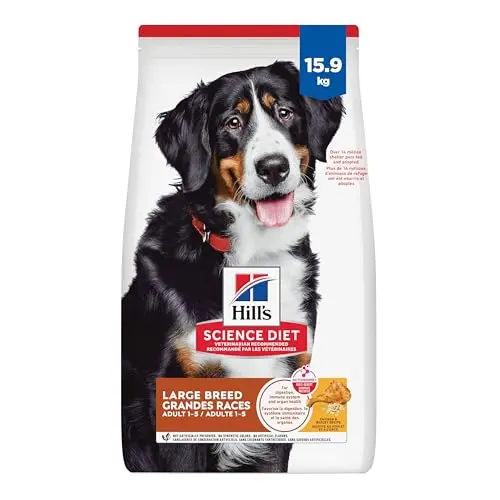
Adult Large Breed Chicken & Barley – Everyday Joint & Digestive Support
A comprehensive large breed adult formula that balances joint care, digestion, and skin health. With chicken as the primary protein and natural sources of glucosamine and chondroitin, it’s the default pick for most owners of big dogs.
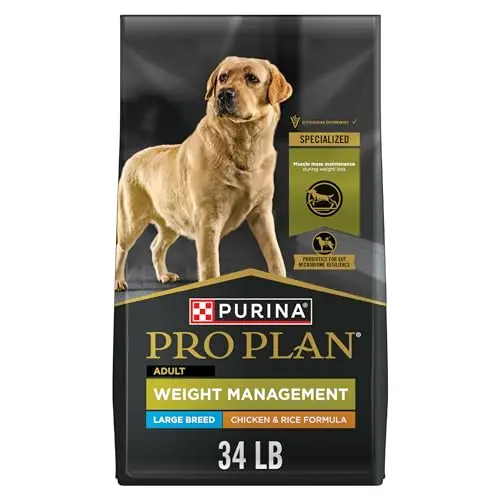
Weight Management Large Breed – Healthy Weight & Joints
A purpose-built weight control formula for large dogs. Real chicken anchors a recipe that balances protein with lower fat, plus added probiotics and glucosamine to keep joints comfortable while shedding pounds.
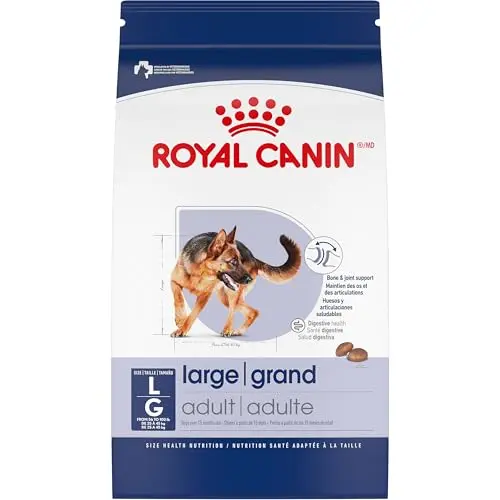
Large Breed Adult – Precision Kibble & Joint Health
A breed-specific large dog food with a unique kibble design and targeted nutrition for dogs weighing 56-100 pounds. Rich in fish oil, glucosamine, and chondroitin for skin, coat, and joint support.
How We Evaluated These Dry Dog Foods for Big Dogs
We didn’t conduct long-term feeding trials or clinical health assessments. What we did: cross-referenced three large breed dry dog foods from three distinct brands across five decision axes – joint health support, protein quality, ingredient digestibility, kibble size and shape, and breed-specific formulation. We triangulated published nutritional information, owner feedback where available, and use-case fit against representative big-dog profiles – from the overweight Labrador to the lanky Great Dane.
The scoring framework weighted real-world nutritional fit (60%) – how well each recipe addresses the unique demands of a large frame – against feature differentiation (40%) – the value-adds like enhanced joint supplements or digestive probiotics. We have no commercial relationship with any of the brands featured; recommendations track on-target nutrition and formulation, not brand preference. If you’re after an all-around large breed staple, the Hill’s Science Diet Large Breed is your match; if weight control is the priority, the Purina Pro Plan Weight Management serves you better.
How to Choose the Right Dry Dog Food for Big Dogs
Why Big Dogs Need Large Breed Formulas
Large breed dogs grow fast and put enormous stress on their joints over a shorter lifespan than small breeds. Adult large breed formulas typically contain controlled calcium and phosphorus levels to support steady bone development and include glucosamine and chondroitin for joint maintenance. They also manage calorie density so your dog doesn’t gain weight too quickly, which can strain hips and elbows. A regular adult food often lacks these tailored nutrient profiles, making a large-breed option a non-negotiable for many owners.
Joint Health: The Non-Negotiable for Big Dogs
Hip dysplasia and arthritis are top concerns. Look for ingredients like glucosamine hydrochloride, chondroitin sulfate, and omega-3 fatty acids (EPA and DHA) from fish oil. These aren’t cure-alls, but they help reduce inflammation and maintain cartilage. Many large breed foods now include them, but the quality and quantity vary. The Hill’s Science Diet Large Breed sources them naturally from chicken meal and barley, while Royal Canin adds isolated EPA/DHA.
Protein: Quality Over Quantity
Big muscles need amino acids, but excess protein without the right balance just turns into expensive urine. Prioritize named animal proteins like chicken, beef, or salmon as the first ingredient. Avoid vague meat meal or animal by-product meal as the sole source; they can be nutritious but lack traceability. All three picks here list real chicken or salmon first. The Purina Pro Plan Weight Management formula also includes poultry by-product meal, which is a concentrated protein source and entirely safe, but some owners prefer whole meat dominance.
Kibble Size and Shape Matters
Large dogs need kibble that encourages chewing, not inhaling. A kibble designed for small breeds can go down whole, increasing bloat risk. Royal Canin’s Large Breed Adult uses a ring-shaped kibble that physically forces dogs to bite down. Hill’s kibble is larger and crunchy. The right shape slows eating and promotes dental health through abrasive action. If your dog is a speed eater, prioritize kibble geometry.
Weight Management for the Bigger Frame
Extra pounds on a large dog are punishing on joints. If your dog is overweight, a dedicated weight management formula like the Purina Pro Plan Weight Management Large Breed can make a measurable difference. These diets typically have higher protein-to-fat ratios and added L-carnitine to burn fat. But even maintenance formulas can work if you control portions strictly. The Hill’s Adult Large Breed, for instance, isn’t labelled for weight loss, but its calorie density is moderate enough to maintain a healthy weight when fed by the guidelines.
Grain-Free vs. Grain-Inclusive for Large Dogs
The grain-free trend has subsided for large breeds, especially given potential links to dilated cardiomyopathy (DCM), though research is ongoing. All three foods here are grain-inclusive, using digestible carbohydrates like barley, rice, or oats. These provide steady energy and fibre. Unless your dog has a confirmed grain allergy – which is rare – a grain-inclusive large breed formula is typically the safer bet. The Beyond Superfood option isn’t included in this roundup due to its lack of large-breed-specific nutrition, even though it’s grain-free.
Frequently Asked Questions
What's the difference between Hill's Science Diet Large Breed and Royal Canin Large Breed?
Both are premium large breed adult foods, but they take different approaches. Hill’s uses chicken and barley as core ingredients and sources glucosamine and chondroitin naturally from chicken meal and grains. Royal Canin emphasizes kibble design (ring-shaped for chewing) and adds isolated fish oil and joint supplements. Hill’s tends to be more affordable and is widely recommended by general practice vets, while Royal Canin has a stronger breeder following. For palatability, owner feedback slightly favours Royal Canin, but both are highly digestible. If your dog is a picky eater or gulps food, try Royal Canin; for everyday balanced nutrition, the Hill’s Science Diet is the safer default.
Can I feed my large breed dog a regular adult formula instead of a large breed recipe?
Yes, but you’ll likely miss out on joint-supporting nutrients and may need to adjust portions carefully. Regular adult foods often have higher calorie densities and lower glucosamine/chondroitin. If you go this route, consider adding a separate joint supplement and closely monitor weight. Many owners do it with success, but large breed formulas like our top picks take the guesswork out. For big dogs, we recommend a food clearly labelled for large breeds unless your vet advises otherwise.
Is Purina Pro Plan Weight Management good for all large dogs?
It’s excellent for dogs that need to lose weight or maintain after weight loss. The high protein, lower fat ratio helps retain muscle while shedding pounds, and the built-in joint support is a bonus. However, it’s not ideal for very active large dogs like working breeds, who may need more calories, or for underweight dogs. If your dog is already at a healthy weight, a maintenance formula like the Hill’s Large Breed is a more appropriate daily ration. Always talk to your vet before starting a weight-loss diet.
How important is kibble size for big dogs?
Very. Large dogs that swallow small kibble whole are at higher risk of gastric dilatation-volvulus (bloat), a life-threatening emergency. A larger kibble forces chewing, which slows eating and reduces air intake. Royal Canin’s ring-shaped kibble is specifically engineered for this, but Hill’s larger kibble also works. If your dog is a speed eater, prioritize a large, irregular kibble shape and consider a slow-feed bowl.
Final Verdict
For the vast majority of big dogs, the Hill’s Science Diet Adult Large Breed is the clear winner – it nails joint support, coat health, and digestive ease without charging a premium. If your dog is carrying extra weight, swap it for the Purina Pro Plan Weight Management Large Breed, which delivers reliable weight loss with built-in joint care. And if you want a breed-specific diet with unbeatable palatability and a kibble designed for large jaws, the Royal Canin Large Breed Adult is worth the splurge.