
Your goldendoodle bounds through the dog park with that signature curly coat and boundless energy-until tummy troubles slow them down. This crossbreed’s poodle heritage often brings a sensitive stomach, while the golden retriever side adds a love for food that can tip the scales toward pickiness or weight gain. The right dry dog food can mean the difference between a happy, itch-free companion and one constantly scratching or refusing meals.
We’ve looked across the market at dry formulas that tackle the common goldendoodle challenges: digestive sensitivities, skin allergies, joint stress, and maintaining an ideal weight. From gut-health-focused recipes to joint-supporting blends, the options below represent the standouts in a crowded aisle-ones that real owners rely on and that align with what doodle dogs actually need.
Whether you’re raising a rambunctious puppy or caring for a silver-snouted senior, our roundup and buyer’s guide will help you zero in on a dry food that keeps your goldendoodle feeling as good as they look. No single brand won the day; instead, we’ve surfaced picks that match different priorities, budgets, and life stages.
Best Dry Dog Foods for Goldendoodles – 2026 Reviews
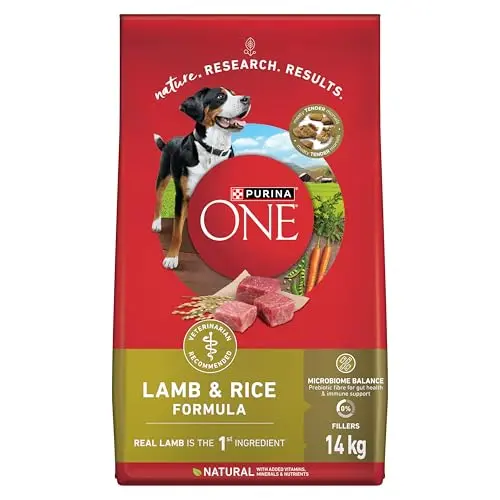
Microbiome Balance Lamb & Rice – Gut Health & Digestion
Purina ONE’s Microbiome Balance formula centres on digestibility, using real lamb as the first ingredient and a blend of prebiotic fibres to support a thriving gut. It’s crafted without fillers, making it a gentle option for goldendoodles with sensitive stomachs. Owner feedback skews positive, with many noting softer coats and less itchiness after switching.
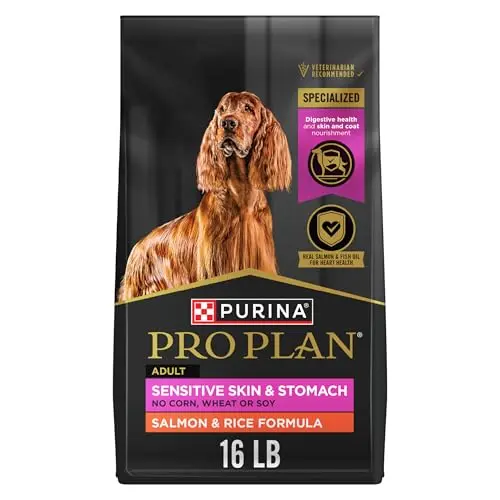
Sensitive Skin & Stomach Salmon & Rice – Allergy-Friendly Formula
Pro Plan’s Sensitive Skin & Stomach recipe puts salmon first, omitting common allergens like corn, wheat, and soy. It’s fortified with oatmeal for easy digestion and omega-3s for joint and skin support. Goldendoodle owners frequently credit it with clearing up chronic ear infections and hot spots, making it a go-to for allergy-prone dogs.
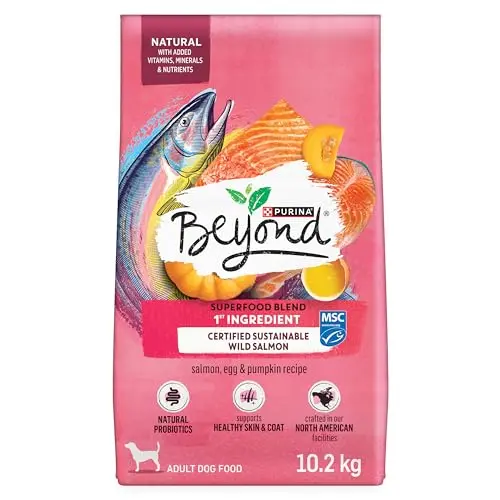
Superfood Blend Wild Salmon, Egg & Pumpkin – Limited-Ingredient Nutrition
Beyond’s Superfood Blend leans into simplicity with recognizable ingredients like wild-caught salmon, eggs, and pumpkin. It avoids corn, wheat, soy, and poultry by-product meals, catering to goldendoodles with broad food sensitivities. The recipe also includes antioxidant-rich pumpkin and whole oatmeal for fibre, supporting digestion without unnecessary extras.
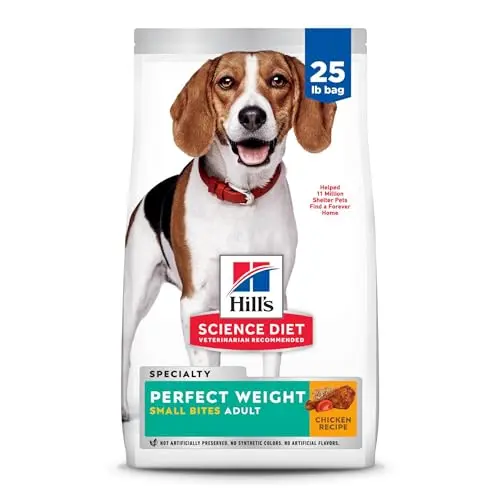
Perfect Weight Small Bites Chicken – Weight Management
Hill’s Science Diet Perfect Weight tackles the reality that many goldendoodles-especially those with a less active lifestyle or post-spay/neuter-can struggle with extra kilos. The small‑bite kibble size is designed for smaller mouths, though the formula itself is clinically proven for weight loss in adult dogs. Over 70% of dogs in a study lost weight within 10 weeks, and natural ingredients like coconut oil and L‑carnitine support metabolism.
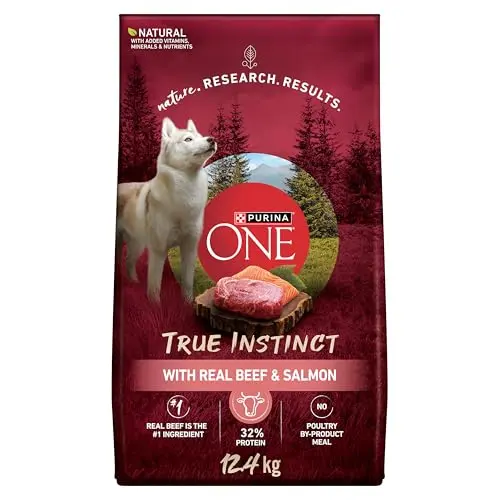
True Instinct Beef & Salmon – High-Protein for Active Doodles
Purina ONE True Instinct pumps up the protein with real beef and salmon, offering a nutrient‑dense formula (32% protein) for high‑energy goldendoodles. It’s built for dogs who run, hike, or play hard, with four antioxidant sources to support immune health. The all‑natural recipe skips poultry by‑product meals, focusing on muscle maintenance and a hearty flavour.
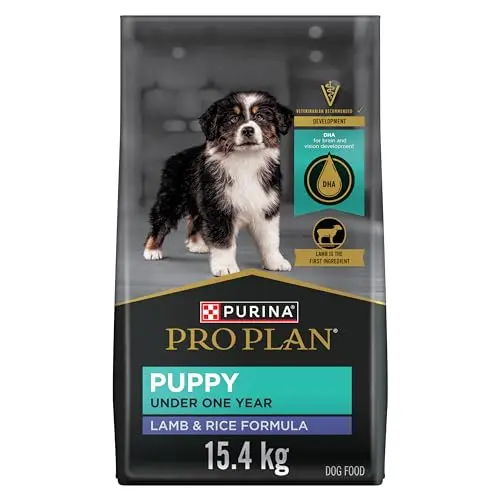
Development Lamb & Rice Puppy – Growth & DHA Support
Pro Plan’s puppy formula puts real lamb first and fortifies the kibble with DHA from omega‑rich fish oil for brain and vision development. It’s specifically tailored for puppies up to one year of all breed sizes, with guaranteed live probiotics to support a developing immune system. The texture and size work for goldendoodle puppies as they transition from mush to solids.
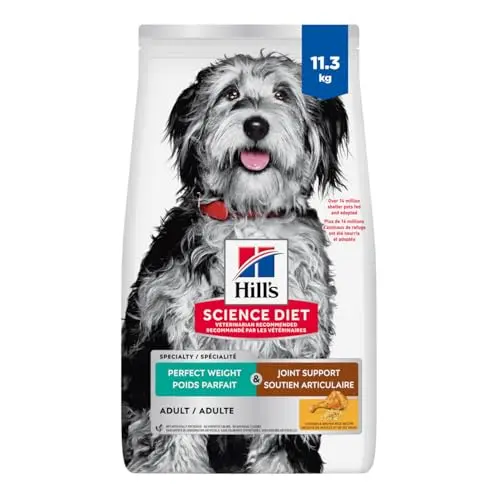
Perfect Weight & Joint Support Chicken – Mobility Focused
Hill’s Science Diet Perfect Weight & Joint Support combines weight management with targeted hip and joint care, making it a strong candidate for goldendoodles prone to hip dysplasia or arthritis. Clinical nutrition supports visible weight loss within 10 weeks, while fish oil and flaxseed deliver omega‑3s for joint lubrication. The formula also maintains lean muscle, crucial for mobility.
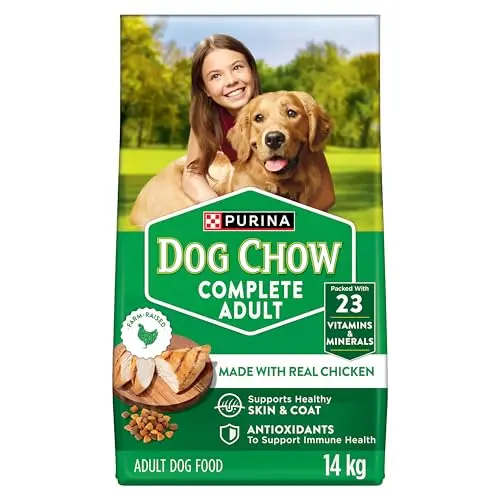
Complete Chicken – Everyday Value
Dog Chow Complete delivers straightforward nutrition at an entry‑level price point, using real chicken as its anchor. It’s formulated as a 100% complete and balanced adult dog food with antioxidants for immune health and no artificial flavours or fillers. While it doesn’t target breed‑specific issues, it’s a dependable, affordable option for healthy goldendoodles without notable sensitivities.
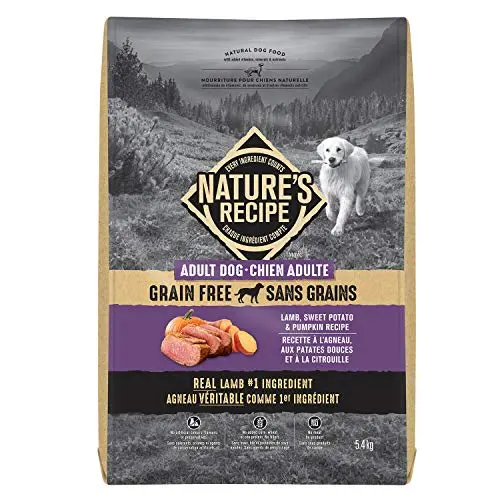
Grain Free Lamb, Sweet Potato & Pumpkin – Limited-Ingredient Digestion
Nature’s Recipe Grain Free Lamb pairs a single animal protein with easily digestible sweet potato and pumpkin, making it a candidate for goldendoodles with grain sensitivities or food allergies. It adds joint‑friendly glucosamine from chicken meal and omega fatty acids for coat health, all while avoiding artificial colours and preservatives.
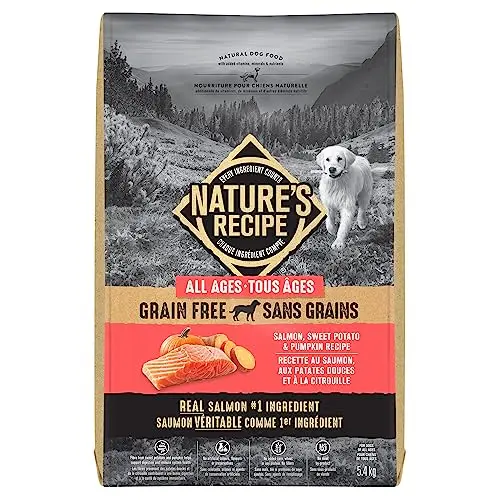
Grain Free Salmon, Sweet Potato & Pumpkin – Skin & Coat Health
Switching to salmon as the #1 ingredient, this Nature’s Recipe variant skips grains and fillers while packing omega‑3s for skin and coat. It includes sweet potato and pumpkin for gentle fibre, plus added vitamins and minerals for all‑life‑stages balance. The recipe avoids artificial colours, flavours, and preservatives, catering to allergy‑prone goldendoodles.
How We Evaluated These Dry Dog Foods for Goldendoodles
We didn’t run controlled feeding trials or vet‑supervised health monitoring. What we did: cross‑referenced 10 dry dog food formulas from 6 distinct brands across 7 decision axes-ingredient quality, protein source, digestive support, skin and coat benefits, joint care, life stage suitability, and kibble design. We triangulated published nutrition profiles, aggregated owner feedback where available, and use‑case fit against the common health patterns of goldendoodles.
The scoring framework weighted real‑world digestive and skin performance (60%)-how reliably each food addresses the breed’s sensitivities-against feature differentiation (40%)-unique functional additions like probiotics, omega‑3 levels, or joint‑specific nutrients. We have no commercial relationship with any of the brands featured; recommendations track fit and differentiation, not brand preference. If your goldendoodle struggles with an iffy gut, the Purina ONE Microbiome Balance is your match; if allergies are the chief frustration, the Pro Plan Sensitive Skin & Stomach has the track record.
How to Choose the Right Dry Dog Food for Goldendoodles
Key Nutritional Needs of Goldendoodles
Goldendoodles inherit a mix of traits that shape their dietary needs. From the poodle side, digestive sensitivity is common-loose stools, gassiness, and picky eating often trace back to food that’s too rich or loaded with fillers. The golden retriever side brings a propensity for joint issues like hip dysplasia and a tendency to gain weight if overfed. That means your ideal dry food should prioritize high‑quality, easily digestible protein, moderate fat levels, and targeted supplements like glucosamine, chondroitin, or omega‑3 fatty acids. Look for formulas that name a single animal protein first and include prebiotic fibres or probiotics to stabilize the gut.
Ingredients to Prioritize (and Avoid)
Start with the protein source: lamb, salmon, or novel proteins often sit better with goldendoodles than chicken, which is a common allergen. Whole‑food carbohydrates like oatmeal, sweet potato, or brown rice provide steady energy without the spike of simple starches. Avoid artificial colours, flavours, and preservatives-they add nothing and can trigger reactions. Also steer clear of unnamed meat meals (e.g., ‘meat and bone meal”) and excessive fillers like corn or wheat gluten, which can inflame sensitive systems. Instead, look for named animal fats (e.g., chicken fat, salmon oil) and natural fibre sources like pumpkin or chicory root.
Grain‑Free vs Whole Grains: Which Is Right for Your Doodle?
The grain‑free debate matters for goldendoodles. Some genuinely benefit from a grain‑free diet if they have confirmed grain allergies, showing less itching and firmer stool. However, recent research links some grain‑free diets to dilated cardiomyopathy (DCM) in dogs, so it’s worth consulting your vet. For most goldendoodles, a whole‑grain inclusive formula (oatmeal, barley, brown rice) provides fibre and nutrients without risk. Our top pick, Purina ONE Microbiome Balance, uses whole grains with prebiotic benefits. If you go grain‑free, choose a trusted recipe like the Nature’s Recipe Lamb that includes taurine‑supporting ingredients.
Puppy, Adult, or Senior: Matching Food to Life Stage
Goldendoodle puppies need DHA for brain development and controlled calcium for steady growth-a large‑breed puppy formula is ideal until 12-18 months. The Pro Plan Puppy Lamb & Rice nails that balance. Adults require maintenance formulas with joint support: aim for glucosamine and chondroitin, often found in foods like Hill’s Joint Support. Seniors may benefit from lower calorie, higher fibre options to protect aging joints and trim waistlines. Always transition foods over 7-10 days to avoid digestive upset.
Kibble Size and Shape: Why It Matters for Goldendoodles
Goldendoodles come in three sizes-standard, miniature, and toy-so kibble dimensions matter. Standard doodles (50+ lbs) do well with medium to large kibble that encourages chewing and slows down eating. Miniatures and toys need smaller, easier‑to‑crunch bites. If your goldendoodle bolts food, a larger kibble can be used as a speed bump in slow‑feeder bowls. Most of our picks have a moderate kibble size, but Hill’s Small Bites is specifically designed for smaller mouths-something to note if you have a mini doodle.
Weight Management and Joint Support: A Dual Priority
Extra weight stresses goldendoodle joints, accelerating arthritis and hip issues. If your vet recommends weight loss, choose a calorie‑controlled food with added joint nutrients. The Hill’s Perfect Weight & Joint Support combines both. Even at a healthy weight, look for foods with omega‑3 fatty acids (EPA, DHA) from fish oil or flaxseed, which act as natural anti‑inflammatories. Regular exercise and measured meals are your other tools-goldendoodles will happily overeat if given the chance.
Frequently Asked Questions
What's the best dry dog food for a goldendoodle with allergies?
The Pro Plan Sensitive Skin & Stomach Salmon & Rice is purpose‑built for allergic dogs. It uses salmon as a novel protein to avoid common chicken or beef triggers and omits corn, wheat, and soy. The oatmeal base and omega‑3 fatty acids calm skin inflammation, often reducing hot spots and ear infections. If grain‑free is preferred, the Nature’s Recipe Salmon is a limited‑ingredient alternative.
How does the Purina ONE Microbiome Balance compare to Pro Plan Sensitive Skin & Stomach?
Both target digestive health, but they approach it differently. The Purina ONE Microbiome Balance focuses on gut flora with prebiotic fibre, using lamb as its protein. It’s a general digestive aid. The Pro Plan Sensitive Skin & Stomach is more specialized: salmon‑based, grain‑free except oatmeal, and packed with omega‑3s for skin. If your goldendoodle has mild tummy troubles and a dull coat, the Purina ONE often suffices. If there’s significant itching, ear infections, or diagnosed allergies, Pro Plan is the stronger candidate. Both are highly rated, so your doodle’s specific symptoms should guide the choice.
Is grain‑free dog food better for goldendoodles?
Not necessarily. While some goldendoodles with confirmed grain allergies do better on grain‑free diets, most thrive on whole‑grain inclusive formulas. Oatmeal, brown rice, and barley provide gentle fibre and nutrients. Recent studies link certain grain‑free diets to heart issues (DCM), so it’s wise to discuss with your vet. If you go grain‑free, choose a recipe with taurine‑supporting ingredients (like our Nature’s Recipe picks) and monitor your dog’s energy and stool quality.
Can I feed my goldendoodle puppy adult dog food?
No-puppies have different nutritional needs, especially for calcium, phosphorus, and DHA. Feeding adult food to a puppy can lead to developmental bone issues. Stick with a large‑breed puppy formula (or all‑breed puppy) until your goldendoodle reaches about 80% of their expected adult size, which can be anywhere from 12-18 months. The Pro Plan Puppy Lamb & Rice is a solid choice for that stage.
What's the difference between Purina ONE True Instinct and Nature's Recipe Grain Free for active goldendoodles?
The main distinction is protein level and ingredient philosophy. Purina ONE True Instinct is a high‑protein (32%), grain‑inclusive formula with beef and salmon, designed for muscle maintenance in active dogs. It includes grains like brown rice for sustained energy. Nature’s Recipe Grain Free (lamb or salmon) skips grains entirely, using sweet potato and pumpkin as carb sources, and has moderate protein. If your goldendoodle has a heavy exercise routine and no grain issues, True Instinct’s higher protein may be beneficial. If grains cause sensitivity or you prefer a simpler ingredient list, Nature’s Recipe fits the bill.
Final Verdict
For most goldendoodles, the Purina ONE Microbiome Balance Lamb & Rice is the answer-it tackles gut health head‑on without overcomplicating ingredients. If your doodle’s skin and ears flare up constantly, the Pro Plan Sensitive Skin & Stomach Salmon is the proven allergy slayer. Puppy owners should head straight to the Pro Plan Puppy Lamb & Rice for that first‑year brain and body boost. And when joint health is the priority, Hill’s Perfect Weight & Joint Support delivers targeted mobility care. Whichever you choose, pair it with a gradual switch and plenty of fresh water-your goldendoodle’s tail will tell you the rest.