
If you’ve ever watched a hunting dog tear through a field at sunrise, you know they run on more than instinct – they need fuel that keeps pace with their drive. A diet that supports explosive energy, lean muscle, and joint resilience isn’t a luxury; it’s the difference between a dog that burns out by midday and one that’s still eager at dusk. Too many owners default to any kibble that says ‘active’ on the bag, but the gap between a maintenance-level food and a true performance formula is wide.
We sifted through the category’s most popular dry dog foods to find the ones that really earn their place in the hunting dog’s bowl. Our picks target the practical priorities: high protein-to-fat ratios, real meat as the first ingredient, and targeted joint support – not just marketing fluff. Whether your dog is a season-long gun dog, a weekend duck hunter, or a upland machine, this guide breaks down what to look for and which foods deliver in the field.
Best Dry Dog Food for Hunting Dogs – 2026 Reviews
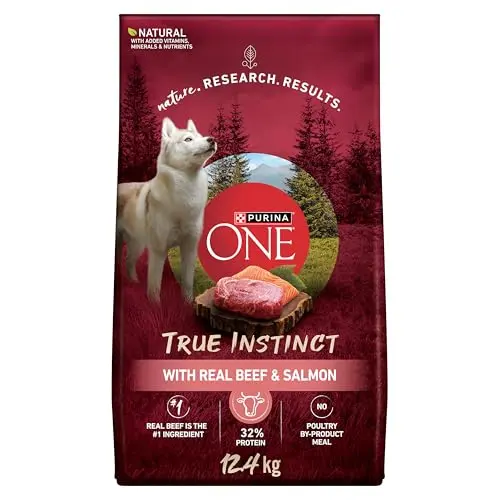
True Instinct High Protein Beef & Salmon – Fuel for Daily Driven Hunters
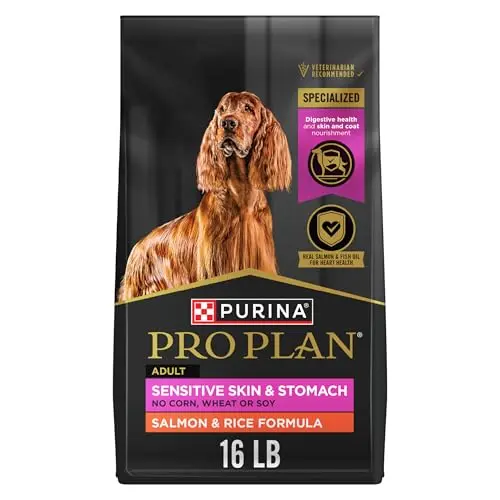
Sensitive Skin & Stomach Salmon & Rice – Gentle Fuel, Steady Stomachs
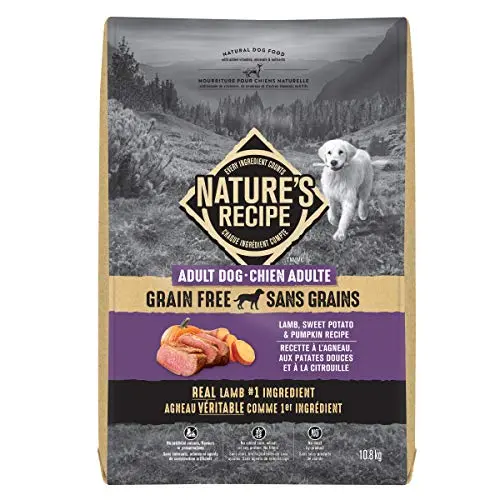
Grain Free Lamb, Sweet Potato & Pumpkin – Simple Goodness for Grain-Free Homes
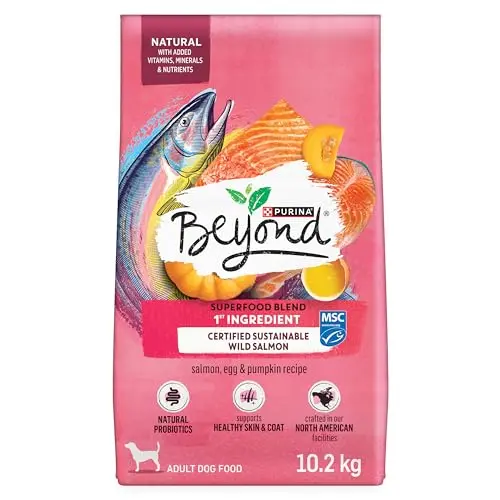
Superfood Blend Salmon, Egg & Pumpkin – Purist Fuel Without the Fillers
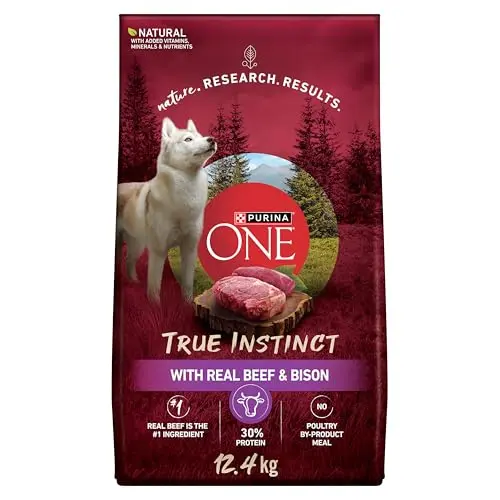
True Instinct High Protein Beef & Bison – Value Conscious Joint-Savvy Power
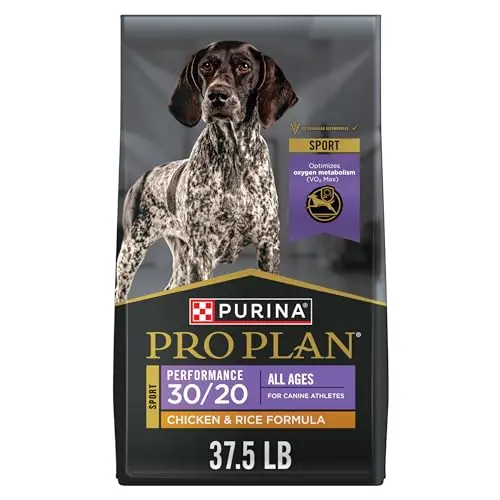
Sport Performance 30/20 Chicken & Rice – Purpose-Built Endurance for Elite Hunters
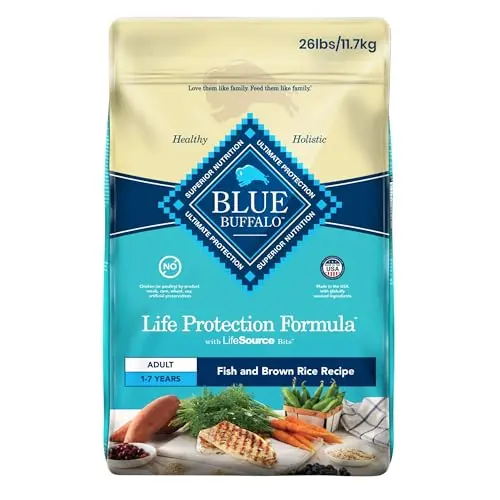
Life Protection Fish & Brown Rice – Wholesome Whitefish for Limited Ingredient Diets
How We Evaluated These Dry Dog Foods for Hunting Dogs
We didn’t run controlled feeding trials with working hunting dogs. What we did: cross-referenced 7 dry dog foods from 5 distinct brands across 6 decision axes – protein content, fat content, ingredient quality, joint support, digestibility, and price tier. We triangulated published nutritional profiles, scrutinized ingredient lists, and weighed owner feedback where available – focusing on dogs with a genuine need for sustained energy, muscle maintenance, and resilience in the field.
The scoring framework weighted real-world performance fit (60%) – how well each food aligns with the metabolic demands of a hunting dog – against feature differentiation (40%) – unique technical advantages like glucosamine inclusion, VO2 MAX optimization, or novel protein sources. We have no commercial relationship with any of the brands featured; recommendations track fit and differentiation, not brand preference. If you’re feeding a high-drive pointer that trains hard, the Sport Performance 30/20 is purpose-built for that life. For the everyday hunter that needs broad immune and muscle support, the True Instinct Beef & Salmon is a more accessible all-rounder.
How to Choose the Right Dry Dog Food for Hunting Dogs
Why Protein and Fat Ratios Matter More Than the Bag Says
Hunting dogs burn through calories at a rate that makes a pet dog’s diet seem like a snack. Protein builds and repairs muscle, while fat provides the dense, sustained energy needed for hours of work. A food marketed for ‘active’ dogs might only hit 25% protein and 12% fat – barely enough for a weekend wanderer. Look for protein levels of 30% or higher and fat content of at least 18% for hard-working dogs. The 30/20 ratio (protein/fat) has become a benchmark for performance formulas because it balances muscle support with energy density. But don’t just read the numbers – check where the protein comes from. Real meat (chicken, beef, salmon, lamb) as the first ingredient signals a high-quality source, not plant-protein fillers.
Real Meat First: Decode the Ingredient List Like a Pro
The first ingredient on the label tells you the primary protein source. Beef, chicken, salmon, lamb, bison – all good signs. Avoid unnamed ‘meat meal’ or ‘poultry by-product meal’ as a main ingredient, especially in a food for a dog you rely on. Whole grains like rice, oatmeal, or barley are fine for most dogs and provide energy, unless your dog has a specific grain sensitivity. If you’re going grain-free, look for sweet potato, peas, or lentils as carb sources, but note that grain-free doesn’t automatically mean better – it’s a preference. Ingredients like pumpkin (fibre), cranberries (antioxidants), and fish oil (omega-3s) are functional additions, not filler. And when you see ‘no artificial colours, flavours, or preservatives‘, that’s a sign the brand is prioritizing whole-food integrity.
Joint Health Isn't Optional: Look for Glucosamine and Omega-3s
A hunting dog’s joints absorb shock that you’ll never see – jumping into truck beds, pounding frozen ground, twisting through thick brush. Diets with added glucosamine (or natural sources like chicken and beef trachea) and omega-3 fatty acids (EPA/DHA) from fish oil actively support cartilage and reduce inflammation. The Purina ONE Beef & Bison is a standout here: it includes natural sources of glucosamine at a budget-friendly price. The Sport Performance 30/20 adds EPA and glucosamine together for a dual approach. Even if a food doesn’t shout about joint health on the front, check the ingredient panel for fish meal, salmon, or flaxseed – they’re delivering omega-3s that help in the long game.
When Your Hunting Dog Has a Sensitive Stomach
Nothing ruins a hunt faster than a dog with gurgling guts or explosive loose stools. Digestive sensitivity is common in high-strung or heavily worked dogs. If you notice recurring issues, look for a limited-ingredient diet with a novel protein like salmon or lamb, and a gentle carb source like oatmeal or sweet potato. Prebiotic fibres (like those in the Pro Plan Sensitive Skin & Stomach) feed beneficial gut bacteria and improve stool quality. Avoid foods with excessive fillers, artificial preservatives, or heavy grain mixes that can trigger inflammation. And remember, a drastic jump in protein or fat can upset an unadapted gut – transition any new food over 7-10 days by mixing with the current diet.
Grain-Free vs. Grain-Inclusive: Does It Matter for the Field?
Grain-free diets surged in popularity, but for most hunting dogs, grains are not the enemy. In fact, whole grains like brown rice and oatmeal provide steady energy and are well-tolerated by the canine digestive system. The decision often comes down to specific allergies or owner philosophy. If you choose grain-free, ensure the recipe uses quality carb sources like sweet potato, pumpkin, or legumes – not just a pile of pea starch. The Nature’s Recipe Lamb is a good example of a clean grain-free formula. But note that some grain-free foods may be lower in fat, so you may need to supplement with oil on heavy work days. There’s no performance advantage to going grain-free unless your dog is grain-intolerant.
Frequently Asked Questions
What's the difference between Purina Pro Plan Sport and Purina ONE True Instinct?
The main difference is precision vs. versatility. Pro Plan Sport is a targeted performance formula with a 30/20 protein-to-fat ratio, added glucosamine and EPA for joint support, and specific claims around VO2 MAX optimization – it’s built for dogs that train hard and need concentrated nutrition. Purina ONE True Instinct also delivers high protein (up to 32%), but it’s designed more as a daily active dog food with broad immune support (four antioxidant sources) and no poultry by-products. It’s easier to find and usually more affordable. If your dog is a weekend warrior or put up in warm weather, ONE might be enough. If you’re running trials or hunting in cold, punishing conditions, Sport gives a measurable edge in energy density and recovery support.
Can hunting dogs eat grain-free food and still perform well?
Yes, but with nuance. Grain-free diets can support a hunting dog as long as they’re properly formulated with adequate protein and fat. Many grain-free foods use legumes and potatoes as carbs, which can be fine – but you need to check the fat content, because some grain-free formulas may be lower in fat than a 30/20 performance diet. You might need to top with a fat source (fish oil, animal fat) during intense work. Also, if your dog has no grain sensitivity, there’s no proven performance advantage to going grain-free. The choice is often about digestive health and owner preference, not athletic output.
How does Purina ONE Beef & Salmon compare to the Beef & Bison formula for hunting dogs?
Both are high-protein options from the same line, but they split on a few features. Beef & Salmon lists beef first and includes salmon for omega-3s, and it packs 32% protein – slightly higher than the Beef & Bison’s 30%. The Beef & Bison formula specifically includes natural glucosamine for joint health and has larger, meaty morsels for taste appeal. For a hunting dog with no joint issues, the Beef & Salmon’s extra protein and omega-3s might give a slight edge. For a dog that’s older or prone to stiffness, the Beef & Bison’s built-in joint support makes it the smarter buy. In practice, both will fuel a working dog well; the deciding factor is whether you want to lean into joint care or max protein.
Should I feed my hunting dog differently during the off-season?
Absolutely. Activity level dictates portion size, not a different formula necessarily. A performance diet like the 30/20 formulas is designed for high output; feed it year-round but cut portions by 25-50% when the dog is less active to prevent weight gain. Some owners switch to a maintenance formula (higher in fibre, lower in fat) during the off-season, but if you’re feeding a single good-quality food, simply adjusting amounts works. The key is to monitor body condition – you should be able to feel but not see the ribs, with a defined waist. Exercise levels change, but the nutritional quality shouldn’t drop.
Final Verdict
For the broadest range of hunting dogs, the Purina ONE True Instinct Beef & Salmon earns the top spot – it combines high protein, real meat first, and immune support in a bag that won’t drain your wallet. If your dog demands peak endurance, the Pro Plan Sport 30/20 is the purpose-built answer, especially in cold weather or high-intensity training. For those who need a budget pick with joint health built in, the Purina ONE Beef & Bison is a smart buy. And if a sensitive stomach keeps your dog from thriving, the Pro Plan Sensitive Skin & Stomach solves that riddle without sacrificing quality. Fuel right, and your hunting partner will be there, eager as ever, at first light.