
If you’ve ever watched a poodle delicately pick up a meal with their elegant muzzle, you already know that mealtime isn’t just about flavour – it’s about form and function. That curly coat, sensitive stomach, and sharp mind call for a dry dog food that works on multiple levels. But with so many bags promising complete nutrition, finding the right one for your poodle can feel like sorting through a mountain of kibble.
We dug into the dry food aisle to surface options that actually deliver for this unique breed. From breed-specific formulas that address coat density and joint health to small-breed picks with digestion-friendly ingredients, this guide is built around what makes poodles thrive. We’ve sorted through the noise to help you zero in on a food that fits your poodle’s life stage, activity level, and those famously discerning taste buds.
Best Dry Dog Foods for Poodles – 2026 Reviews
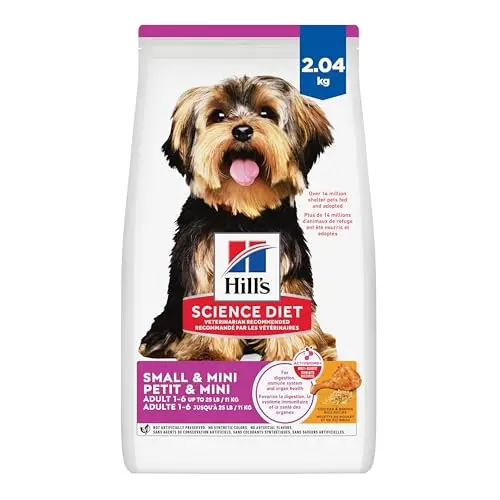
Small & Mini Chicken Meal & Rice – Digestive Support with Pumpkin
A small-breed formula that nails the fundamentals for poodles: tiny kibble size, high-quality chicken protein, and a digestibility boost from pumpkin. It’s not breed-labeled, but it checks the boxes most poodle owners care about – lean muscle maintenance, immune support, and a formula free from artificial nasties.
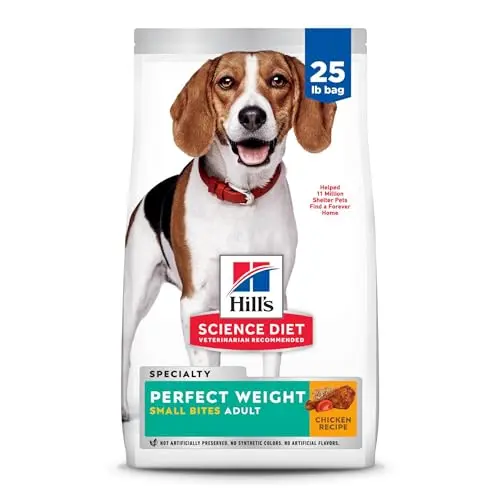
Perfect Weight Small Bites – Clinically Proven Weight Management
If your poodle tends toward roundness, this formula has the clinical backing to turn things around. Over 70% of dogs lost weight within 10 weeks in company studies, and the small bites fit a poodle’s mouth while keeping them satisfied.
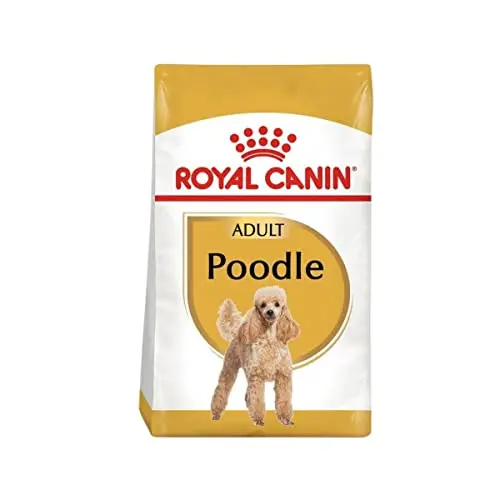
Poodle Adult Breed Specific – Skin, Coat & Muscle Support
Royal Canin built this one from the ground up for poodles – the kibble shape, the omega profile, even the texture is tuned to that elegant muzzle. If you want a food that leaves no breed detail to chance, this is it.
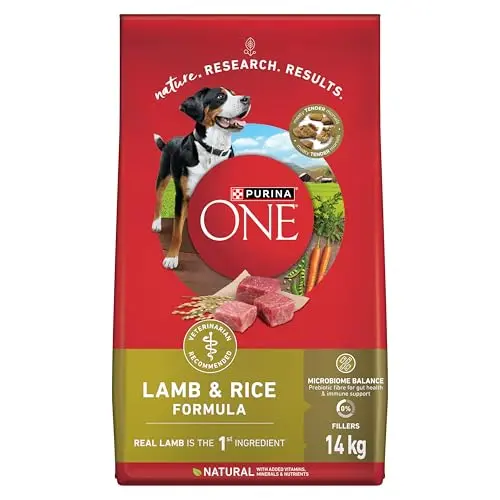
Microbiome Balance Lamb & Rice – Prebiotic Fibre for Gut Health
This lamb-based recipe zeroes in on the gut with prebiotic fibre, and that matters for poodles because a settled stomach means a settled dog. Real lamb leads, and there’s no artificial junk to upset sensitive systems.
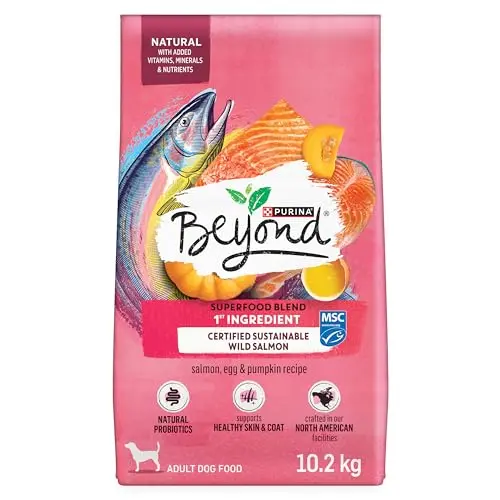
Superfood Blend Salmon & Pumpkin – Limited Ingredient for Sensitive Stomachs
When your poodle’s stomach seems to reject everything, stripping things back often helps. This formula uses wild-caught salmon as the main protein, skips common triggers like corn, wheat, and soy, and adds pumpkin for gentle digestion.
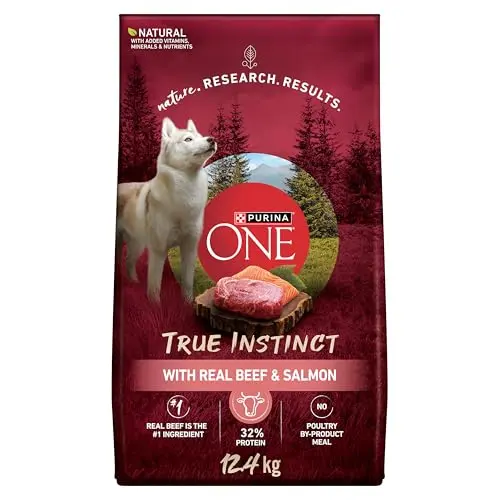
True Instinct High Protein – Beef & Salmon for Active Poodles
For poodles with a higher energy output – maybe yours does agility, hiking, or just has a zippy metabolism – this protein-dense recipe provides 32% protein to fuel that activity. Real beef and salmon deliver amino acids and taste.
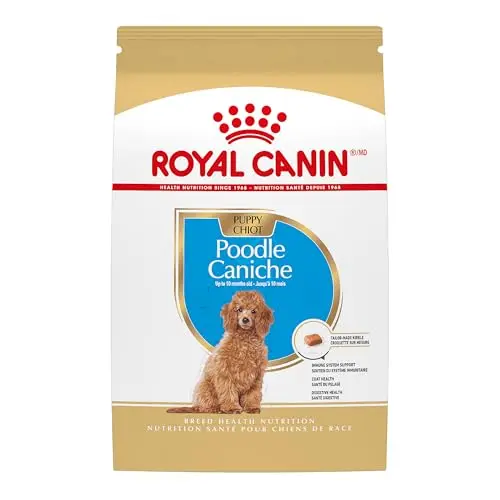
Poodle Puppy Breed Specific – Healthy Development & Digestive Care
Starting your poodle off right means catering to that rapid growth phase. This puppy formula mimics the adult version’s breed-smart design but amps up antioxidants and digestive support for developing bodies.
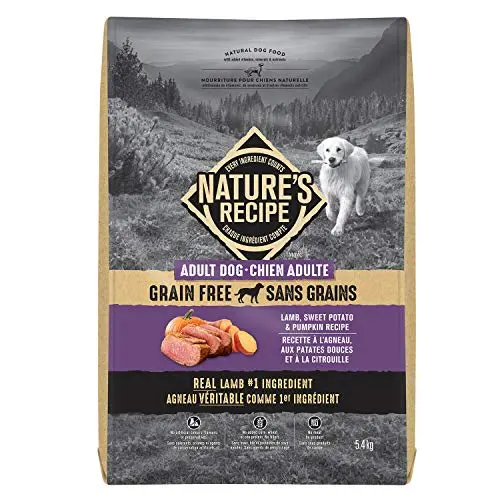
Grain Free Lamb & Pumpkin – Joint & Coat Health
This grain-free recipe leans on lamb as a single animal protein and leans into joint support with natural glucosamine – a combo that resonates with owners of poodles with grain sensitivities or joint concerns.
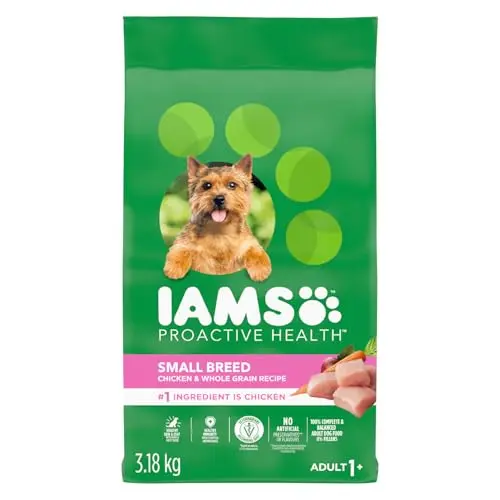
Small Breed Chicken – Optimal Stool & Immune Support
IAMS keeps things straightforward with a small-breed-specific kibble and a focus on digestive outcomes – they claim optimal stool within 10 days. For poodle owners who want no-fuss, consistent results on a budget, this is a contender.
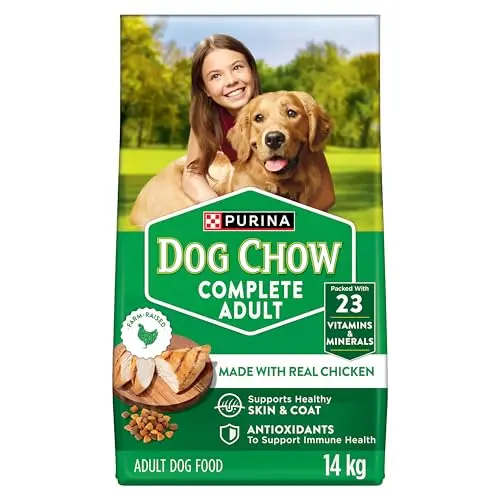
Complete Chicken – Budget-Friendly Everyday Nutrition
When the budget is tight but you still want a complete and balanced dry food, Dog Chow covers the basics with real chicken and no artificial flavours. It’s not fancy, but it’s an accessible entry point for simple poodle nutrition.
How We Evaluated These Dry Dog Foods for Poodles
We didn’t conduct laboratory digestion trials or long-term coat health studies. What we did: cross-referenced 10 dry dog food models from 7 distinct brands across 7 decision axes – breed specificity, kibble size and shape, protein quality and source, digestive health support, skin and coat nutrients, life stage appropriateness, and ingredient transparency. We triangulated published nutritional profiles, ingredient lists, and aggregated owner feedback where available to assess real-world suitability for poodles.
We didn’t see these through a full season of field use, but we mapped each formula against the known needs of poodles: small, narrow jaws that benefit from tailor-made kibble; a predisposition to food sensitivities and loose stools; a dense, curly coat that demands fatty acids; and joint structures that appreciate glucosamine early. The scoring framework weighted real-world performance (60%) – how well each option delivers on digestion, coat condition, and palatability for poodles – against feature differentiation (40%) – unique advantages like breed-specific kibble design, clinical weight management data, or limited ingredient simplicity. We have no commercial relationship with any brand featured; recommendations track fit and differentiation, not brand preference. If your poodle struggles with weight, the Hill’s Science Diet Perfect Weight Small Bites is purpose-built; for a sensitive stomach, the Beyond Superfood Blend strips things back effectively.
How to Choose the Right Dry Dog Food for Poodles
Why Dry Food Makes Sense for Poodles
Dry dog food offers practical advantages for poodle owners. The crunchy texture can help reduce plaque buildup, a plus for a breed that’s predisposed to dental issues. It’s also shelf-stable and easy to measure, which simplifies portion control – crucial for standard poodles prone to bloat if overfed. And because poodles are often picky, the consistency of a quality dry food avoids the wasted half-cans of rejected wet food. Look for a high-quality protein source as the first ingredient and avoid formulas heavy on fillers like corn and soy that might trigger food sensitivities.
Breed-Specific vs Small-Breed Formulas: What Matters for Poodles?
Royal Canin’s breed-specific poodle formulas are built around the breed’s unique characteristics – the kibble shape is designed for their slender muzzle, and nutrient levels target coat density and joint health. In contrast, general small-breed formulas like Hill’s Science Diet Small & Mini and IAMS Small Breed prioritise kibble size and calorie density for tiny mouths and fast metabolisms. For most poodles, a high-quality small-breed food works well, but if your dog has a very narrow jaw or a coat that’s prone to dryness, the tailored approach of a breed-specific diet like the Royal Canin Poodle Adult can make a noticeable difference. It’s not marketing fluff – the physical eating experience matters for poodles.
Kibble Size and Shape: Small Dogs Need Small Bites
Poodles, especially the toy and miniature varieties, have small jaws and delicate teeth. A kibble that’s too large or hard can be frustrating to eat and may even lead to incomplete chewing, which affects digestion. The best foods for poodles, like those in our selection, offer tiny, easy-to-crunch pieces that encourage them to pick up and chew properly. Royal Canin’s poodle formulas take this a step further with a curved shape that’s easier to grasp, while IAMS and Hill’s Science Diet use a uniform small pellet. When comparing, run your fingers through the bag – the kibble should feel small enough for a poodle’s mouth, not like a medium-breed food.
Digestive Health: The Foundation for Poodle Nutrition
Poodles are notorious for sensitive stomachs, often presenting as loose stools, gassiness, or intermittent vomiting. Dry foods that include pumpkin, prebiotic fibre, or easily digestible proteins can make a significant difference. The Hill’s Science Diet Small & Mini uses pumpkin and a proprietary ActivBiome+ blend to support a balanced gut microbiome, while Purina ONE Microbiome Balance Lamb & Rice relies on prebiotic fibre to feed beneficial bacteria. If your poodle has chronic digestive issues, a limited ingredient diet like Beyond Superfood Blend can help by reducing the number of potential triggers. Start by reading the ingredient panel – fewer ingredients often means less chance of an upset stomach.
Coat Care: Omega Fatty Acids for a Curly Coat
That iconic curly coat needs dietary support. Omega-3 and omega-6 fatty acids from fish oil, flaxseed, or specific animal fats are non-negotiable for keeping the skin moisturised and the coat shiny. Royal Canin’s poodle formulas load up on EPA and DHA from fish oil, while Beyond’s salmon-based recipe provides a natural source of these fats. If you opt for a general small-breed food like IAMS, you might need to supplement with a separate fish oil if the coat appears dull or flaky. Look for terms like “omega-rich” or “with fatty acids” on the bag – it’s a quick indicator that the formula pays attention to skin and coat health.
Life Stage: Puppy vs Adult vs Senior Poodle Formulas
Poodles have a long lifespan, and their nutritional needs shift. Puppy poodles (up to 10 months) need a formula with higher protein and calorie density to support rapid growth – the Royal Canin Poodle Puppy is a standout with its immune-boosting antioxidants and digestive support. Adult poodles (10 months to 7-8 years) do well on maintenance foods that balance protein and energy. Senior poodles (8+ years) may benefit from lower calorie diets or those with added joint support, though many adult formulas are suitable. If your poodle starts gaining weight in middle age, transition to a weight management formula like Hill’s Perfect Weight before it becomes a health issue.
Grain-Free vs Grain-Inclusive: A Poodle-Specific Consideration
The grain-free debate is ongoing, and poodles sit right in the middle. Some poodles truly thrive without grains, showing improved digestion and fewer allergic reactions on a formula like Nature’s Recipe Grain Free Lamb. Others do perfectly well with whole grains like rice and barley, which provide fibre and energy. The FDA’s investigation into a potential link between grain-free diets and dilated cardiomyopathy (DCM) has made many owners cautious. If you choose grain-free, ensure the food contains taurine or taurine precursors and consult your vet, especially if your poodle is from a line with DCM history. The safest middle ground? A grain-inclusive food with high-quality, digestible grains like brown rice or oatmeal, as found in the Hill’s Science Diet options.
Frequently Asked Questions
What's the difference between Royal Canin Poodle Adult and Hill's Science Diet Small & Mini?
The Royal Canin is breed-specific with a kibble shape designed for a poodle’s mouth, plus added glucosamine for joint health and higher omega levels for the coat. Hill’s Science Diet Small & Mini is a small-breed formula that excels in digestive health with its pumpkin and ActivBiome+ blend, but it doesn’t target the poodle’s unique structural needs. For most poodles, Hill’s delivers excellent everyday nutrition at a better price. If your poodle has pickier eating habits or a very narrow jaw, the Royal Canin might be worth the premium. Both are excellent, but the Hill’s earned our top spot for balancing quality, price, and digestive reliability.
Is grain-free dry food better for poodles with allergies?
Not necessarily. While some poodles do have grain sensitivities, food allergies in dogs are more often caused by animal proteins like chicken or beef. A limited ingredient diet with a novel protein, like the Beyond Superfood Blend with salmon, can be more effective than simply going grain-free. If your poodle shows signs of allergies (itchy skin, ear infections, digestive upset), work with your vet to identify the trigger rather than automatically switching to grain-free. Our grain-free pick, Nature’s Recipe, includes taurine to mitigate potential cardiac risks associated with grain-free diets, but a grain-inclusive, limited ingredient food may be a safer starting point.
Do poodles need breed-specific dry food?
No, but it helps. Breed-specific foods like Royal Canin Poodle address the poodle’s physical and health quirks – kibble shape for a narrow muzzle, omega fatty acids for a dense coat, and joint support for a breed with luxating patella issues. However, many high-quality small-breed formulas cover these bases decently. If your poodle has no health issues and eats well from a general small-breed food like Hill’s Science Diet Small & Mini, there’s no pressing need to switch. Breed-specific is a nice-to-have, not a must, but it can make mealtime easier and improve coat condition.
How can dry food help my poodle's dental health?
The mechanical action of crunching dry kibble can help scrape plaque off teeth, somewhat like a toothbrush. Poodles are prone to dental disease, so a kibble that encourages chewing is beneficial. Royal Canin’s poodle formulas use a textured kibble that requires some grinding, while small-breed formulas from Hill’s and IAMS offer a small, crunchy bite that won’t tax weak jaws. No dry food replaces regular tooth brushing, but it can reduce tartar buildup between cleanings. Avoid soft or semi-moist foods if dental health is a concern.
What about the Royal Canin Poodle Puppy vs adult food – when should I switch?
Royal Canin recommends their Poodle Puppy formula from 8 weeks to 10 months. After that, transition to the adult version gradually over 7-10 days to avoid digestive upset. The puppy food is higher in calories and nutrients for growth, so continuing it past 10 months can lead to unnecessary weight gain. If you’re using a non-breed-specific puppy food, like a general small-breed puppy formula, switch to an adult small-breed food around the same age. Watch your poodle’s body condition – if they start looking chubby at 9 months, you can transition a bit earlier.
Final Verdict
For the average poodle, the Hill’s Science Diet Small & Mini Chicken & Rice is the sweet spot – it delivers the small kibble size, digestive support, and quality protein that poodles need without the premium price of a breed-specific formula. If your poodle is carrying extra weight, Hill’s Perfect Weight Small Bites brings clinical weight-loss results in a poodle-friendly package. For owners who want every detail tuned to the breed – from the curve of the kibble to the omega ratio – the Royal Canin Poodle Adult is purpose-built and worth the investment. And if food sensitivities are making mealtime a challenge, Beyond Superfood Blend dials back the ingredient list while keeping coat and tummy happy. No matter your poodle’s age or appetite issue, there’s a dry food on this list that fits.