
Pug owners know that picking a dry food is about more than just filling a bowl. Those adorable flat faces come with breed-specific quirks: tiny mouths that need small kibble, sensitive stomachs that can turn meal time into a mess, and a tendency to pack on pounds if portions aren’t carefully managed. The right dry dog food can help with all three-if you know what to look for.
In this guide, we focused on dry formulas that tackle the pug trifecta: kibble size, digestive health, and weight maintenance. We looked across brands to compare protein sources, prebiotic blends, and limited-ingredient recipes so you can find a food that keeps your pug happy at mealtime and comfortable afterward.
Best Dry Dog Food for Pugs – 2026 Reviews
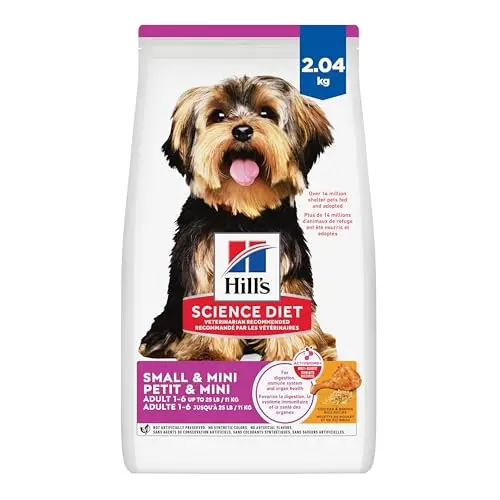
Adult Small & Mini Chicken Meal & Rice Recipe – Digestive Support in Small Kibble
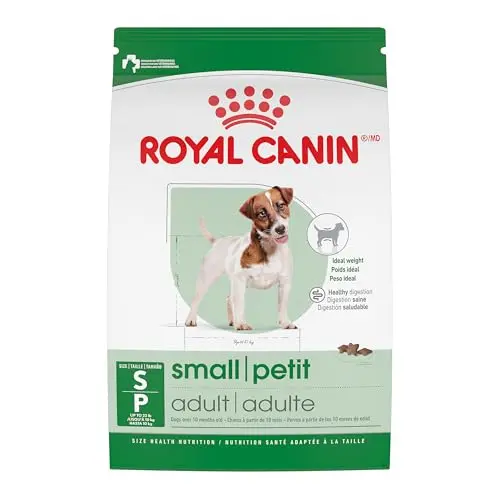
Small Breed Adult Dry Dog Food – Weight-Aware Nutrition for Mini Jaws
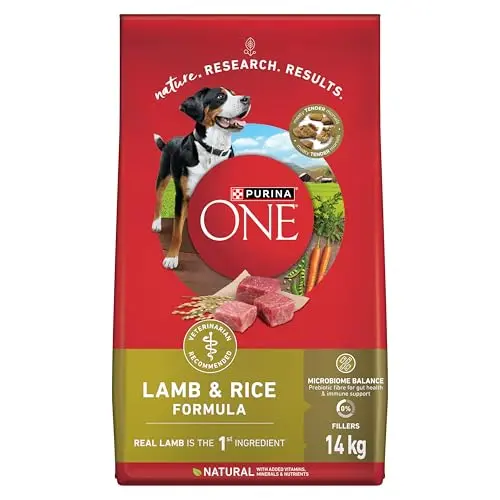
Microbiome Balance Lamb & Rice – Prebiotic Fiber for Gut Health
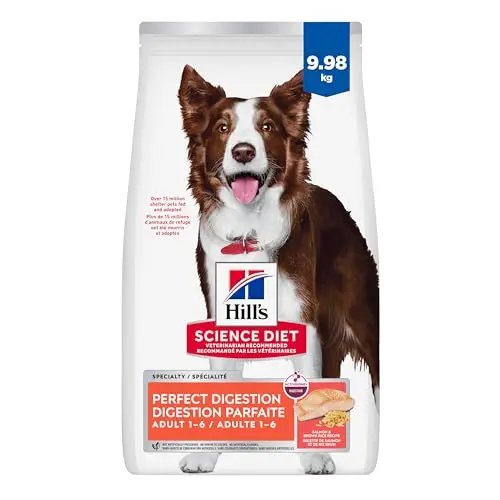
Perfect Digestion Salmon, Whole Oats & Brown Rice – Fast-Acting Digestive Relief
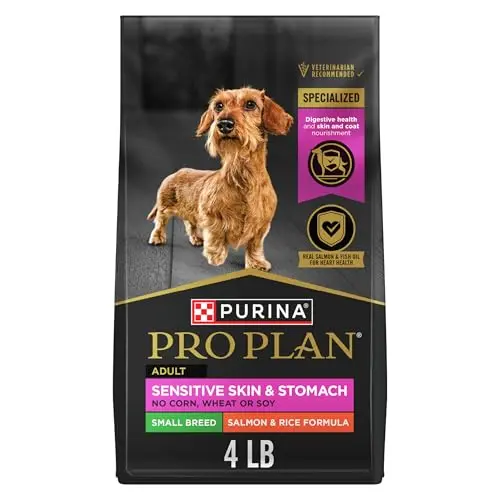
Sensitive Skin & Stomach Small Breed Salmon & Rice – Tailored for Tiny Tummies
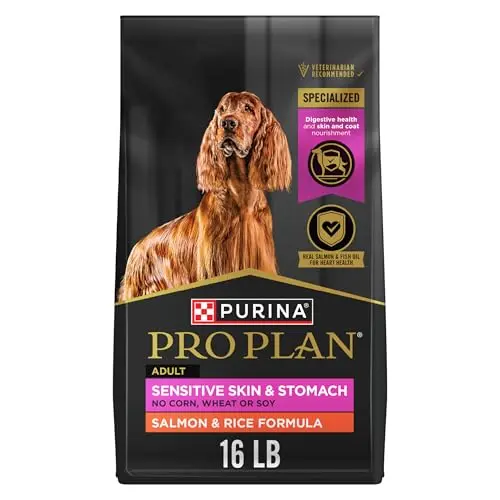
Sensitive Skin & Stomach Salmon & Rice – All-Breed Sensitive Option
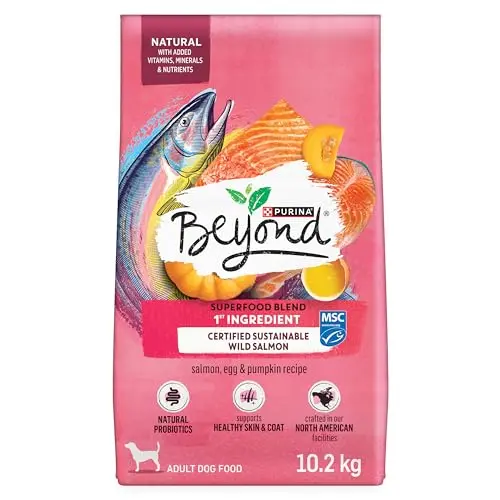
Superfood Blend Salmon, Egg & Pumpkin – Limited Ingredient for Sensitive Dogs
How We Evaluated These Dry Dog Foods for Pugs
We didn’t run controlled feeding trials or long-term digestibility studies. What we did: cross-referenced 7 dry dog food models from 5 distinct brands across 6 decision axes – kibble size and shape, protein source and quality, digestive-health ingredients (prebiotics, fiber), weight-management support, skin-and-coat additives, and ingredient-list transparency. We triangulated published nutritional specs, aggregated owner feedback where available, and pug-specific use-case fit against the breed’s common sensitivities.
The scoring framework weighted real-world pug suitability (60%) – how well each formula addresses flat-face anatomy, sensitive digestion, and weight control – against feature differentiation (40%) – unique advantages like specialized kibble design or fast-acting digestive claims. We have no commercial relationship with any of the brands featured; recommendations track fit and differentiation, not brand preference. If your pug needs an all-around performer, the Hill’s Science Diet Adult Small & Mini is the top pick; if weight is a bigger concern, Royal Canin Small Breed has the edge.
How to Choose the Right Dry Dog Food for Pugs
Why Dry Dog Food Works for Pugs
Dry kibble offers more than convenience – it can help manage a pug’s weight through precisely measured scoops and supports dental health by reducing plaque build-up in a breed prone to crowded teeth. Because dry food is shelf-stable, you can buy larger bags without worrying about spoilage, which is practical for a single-dog household. Look for formulas that pack nutrient-dense calories into small servings so your pug feels full without overeating.
Kibble Size Matters for Flat-Faced Breeds
Pugs have short muzzles and tiny teeth, so they need a kibble that’s easy to pick up and crunch. Kibble that’s too large gets left in the bowl or, worse, becomes a choking hazard. Many small-breed lines, like Royal Canin and Hill’s Small & Mini, create a smaller, flatter kibble shape specifically for miniature jaws. If you’re comparing products, a quick visual check of the kibble size in customer photos can help you avoid a bag your pug will struggle with.
Protein Sources and Pug Allergies
Pugs are known for food allergies and intolerances, so choosing the right protein source matters. While chicken is a common first ingredient, some pugs develop sensitivities to it. Alternatives like lamb, salmon, or whitefish can reduce the risk of itchy ears, paw licking, and loose stools. Foods like Pro Plan Sensitive Skin & Stomach Salmon use salmon as the main protein to sidestep chicken issues. If you’re unsure, a limited-ingredient diet like Beyond Superfood Blend can help you isolate triggers.
Digestive Health: Prebiotics and Fiber
A pug’s sensitive stomach can turn into a cycle of loose stools and gas without the right fiber. Look for prebiotic fibers like chicory root or the ActivBiome+ blend found in Hill’s Science Diet formulas, which feed beneficial gut bacteria. Pumpkin is another gentle ingredient that appears in many pug-friendly foods. Owners consistently report that switching to a food with added prebiotics and pumpkin, like Hill’s Perfect Digestion, leads to firmer stools within a week.
Managing Weight in Pugs
Pugs love food, but their compact frames put extra strain on joints and breathing, so weight control is critical. Some dry foods, like Royal Canin Small Breed, include L-carnitine to help the body convert fat into energy. Beyond checking for added metabolism boosters, pay attention to the calorie density listed on the bag. A food that’s too high in fat might require such tiny portions that your pug still acts hungry, so moderate fat levels are often a better fit.
What to Avoid in Dry Dog Food for Pugs
Steer clear of generic all-breed formulas with large kibble, excessive fillers like corn and wheat, and unnamed animal fats. Many pug owners also avoid poultry by-product meals, preferring whole protein sources. Artificial colours, flavours, and preservatives aren’t necessary in a complete diet and can occasionally trigger reactions. If your pug already has a known allergy, a grain-free or limited-ingredient recipe may be worth trying, but always confirm that the primary protein is a novelty for your dog.
Royal Canin Small Breed vs. Hill's Small & Mini: Which for Your Pug?
Both are excellent small-breed options, but they shine in different areas. Royal Canin emphasizes weight management with L-carnitine and offers a distinct kibble shape that many pugs seem to prefer. Hill’s leans harder into digestive health with ActivBiome+ and pumpkin. If your pug is lean but has stool issues, Hill’s gets the edge; if weight creep is the bigger concern, Royal Canin is the strategic pick.
Frequently Asked Questions
Is dry food better than wet food for pugs?
Both can work, but dry food tends to be more practical for pugs because the crunchy texture can help reduce tartar in a breed prone to dental issues. It’s also easier to measure accurate portions, which is crucial for weight control. That said, adding a small spoon of wet food can make a meal more enticing for picky eaters. A mixed approach often works well, but stick with a high-quality dry food as the base.
What's the difference between Hill's Science Diet Small & Mini and Royal Canin Small Breed?
Hill’s Science Diet Small & Mini focuses on digestive and immune health with ActivBiome+ and pumpkin, while Royal Canin Small Breed emphasizes weight maintenance with L-carnitine and special kibble design. Both use chicken as the primary protein, but Royal Canin’s formula also includes fatty acids for skin and coat. For pugs with loose stools, Hill’s may be better; for pugs that easily gain weight, Royal Canin is the more targeted choice.
Can pugs eat grain-free dry dog food?
Pugs can eat grain-free diets, but they aren’t necessarily better. Recent research has linked some grain-free foods to heart issues in dogs, so unless your pug has a confirmed grain allergy, a formula with whole grains like oats or brown rice is often easier to digest. Options like Hill’s Perfect Digestion use whole oats to support stool quality without cutting grains completely.
How do I switch my pug to a new dry food?
Transition slowly over 7-10 days to avoid digestive upset. Start with 25% new food mixed with 75% old food, then gradually increase the new food every couple of days. Pugs are sensitive, so a slow switch is essential. Also, watch for changes in stool, itching, or energy levels to confirm the new food is a good match.
Are all 'small breed' formulas fine for pugs?
Not always. While small-breed formulas have smaller kibble, which helps pugs, some may still contain common allergens like chicken or have high fat content that can lead to weight gain. Always check the ingredient list and consider your pug’s specific sensitivities. A small-breed food that also targets sensitive skin or digestion, like Pro Plan Sensitive Skin & Stomach Small Breed, is often a safer bet.
Final Verdict
For most pug households, the Hill’s Science Diet Adult Small & Mini is the smartest one-bag solution – it nails small kibble size, supports digestive health with pumpkin, and comes from a brand that’s consistently well-received. If your pug tends to pack on pounds, Royal Canin Small Breed has the weight-management edge with L-carnitine. And if skin and stomach issues are your daily battle, the small-breed-specific Pro Plan Sensitive Skin & Stomach hits the sweet spot. Pick based on your pug’s top concern, and you’ll both eat easier.