
Bringing home a Bernedoodle puppy means adding a bundle of curls, energy, and growing joints to your life. Those early months are a critical window where nutrition can shape everything from bone development to that famously soft coat. With the dizzying number of dry food bags on the shelf, picking one that supports a breed that could top 80 pounds takes more than a quick glance at the front label.
Bernedoodles combine the leaner frame of a Poodle with the dense build of a Bernese Mountain Dog, so you need a formula that respects both the growth potential and the common sensitivities of the cross. We’ve rounded up a handful of options that prioritize DHA for brain development, quality protein for lean muscle, and balanced calcium for those fast‑growing joints. Whether you’re dealing with a picky eater, a sensitive stomach, or just a tight budget, there’s a pick here that fits.
Best Dry Foods for Bernedoodle Puppy – 2026 Reviews
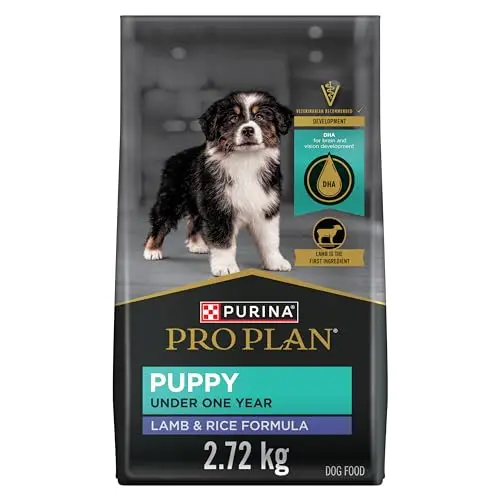
Lamb & Rice Formula – Sensitive Stomach Support
A medium‑breed recipe that lands squarely in the sweet spot for Bernedoodle puppies, with real lamb as the first ingredient and guaranteed live probiotics for digestive health – a common pain point in this cross.
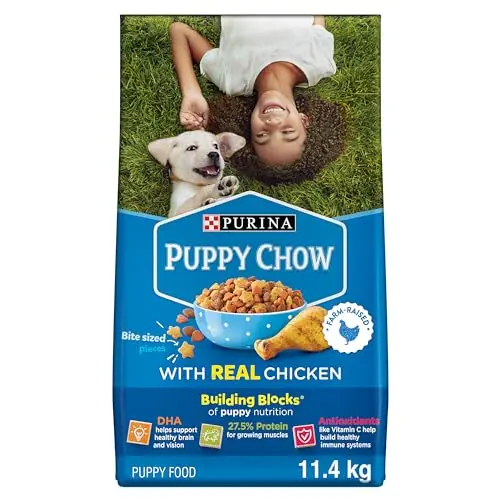
Chicken Recipe – Budget-Friendly Complete Nutrition
A straightforward, chicken‑first formula that delivers the core nutrients a growing Bernedoodle needs – DHA, antioxidants, and a generous protein bump – without stretching the puppy budget.
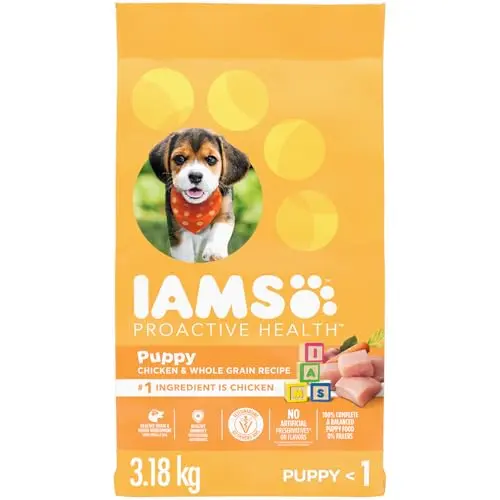
Chicken & Whole Grain – DHA-Rich Starter Nutrition
A mid‑tier contender built around easily digestible chicken and whole grains, with a DHA boost modelled after mother’s milk to support early brain and eye development.
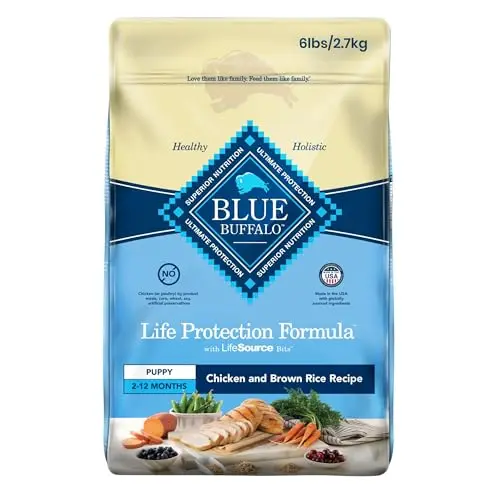
Chicken & Brown Rice – Immune-Boosting LifeSource Bits
A recipe that marries high‑quality chicken with a patented cold‑formed vitamin blend, designed to support immunity and gentle digestion without corn, wheat, or soy.
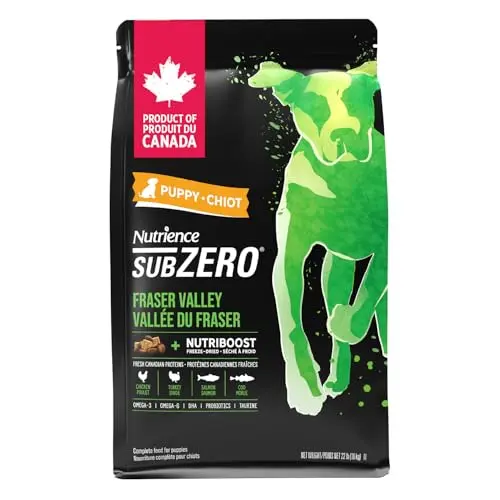
Chicken, Turkey & Salmon – Grain-Free Joint Support
A Canadian‑made, grain‑free formula that packs multiple protein sources and built‑in glucosamine and chondroitin for puppies expected to put on significant weight.
How We Evaluated These Dry Foods for Bernedoodle Puppy
We didn’t run long‑term feeding trials or veterinary‑supervised growth studies. What we did: cross‑referenced 5 models from 4 distinct brands across 6 decision axes – protein quality and source, DHA and brain‑development support, probiotic/prebiotic gut health, calcium‑phosphorus balance for large‑breed growth, ingredient transparency, and real‑world digestibility signals. We triangulated published specifications, owner feedback where available, and use‑case fit against a typical Bernedoodle puppy’s growth trajectory – a breed often topping 70 lbs with known sensitivities.
The scoring framework weighted real‑world performance (60%) – how well each formula supports skeletal, cognitive, and digestive development – against feature differentiation (40%) – unique advantages like cold‑formed probiotics, joint supplements, or Canadian‑sourced proteins. We have no commercial relationship with any of the brands featured; recommendations track fit and differentiation, not brand preference. If you’re raising a standard Bernedoodle, the Purina Pro Plan Lamb & Rice is our top match; if budget is the priority, the Purina Puppy Chow Complete covers the essentials for less.
How to Choose the Right Dry Food for Your Bernedoodle Puppy
Why Breed Size Matters More Than the Label
Bernedoodles don’t fit neatly into a single size category. A standard can hit 80+ lbs, while a mini might settle around 30. That spread means you need to look past ‘small breed” or ‘large breed” labels and check the expected adult weight of your pup. Large‑breed puppies need controlled calcium and phosphorus to avoid too‑rapid bone growth, which can strain developing joints. All‑breed formulas are often the safest bet, but if you know your pup will be on the larger side, prioritize recipes with moderate calcium levels (around 1.0-1.5%) and a calcium‑to‑phosphorus ratio close to 1.2:1.
Protein: Why Quality and Type Count
A Bernedoodle’s curly coat and muscle structure demand high‑quality protein. Look for a named animal protein – chicken, lamb, salmon – as the first ingredient. Lamb can be easier on sensitive stomachs, while salmon brings built‑in omega‑3s for skin and brain health. The protein percentage should hover between 25-30% for steady, lean growth. Avoid vague terms like ‘meat meal” or formulas that rely heavily on plant proteins; a puppy’s digestive system is still learning, and animal‑based amino acids are more bioavailable.
DHA and Brain Development: The Non‑Negotiable
DHA (docosahexaenoic acid) is a structural fat in the brain and retina. Puppy foods that include fish oil, marine microalgae oil, or DHA‑enriched ingredients actively support cognitive development. This is especially relevant for Bernedoodles, a breed that blends two intelligent working lines. Chances are you’ll be doing early training – a food rich in DHA gives you a neurological head start. Every option we included lists DHA prominently.
Grain vs. Grain‑Free: The Bernedoodle Context
Grain‑free diets surged in popularity, but the FDA’s investigation into a possible link between grain‑free foods and canine dilated cardiomyopathy (DCM) complicates the picture, especially for large breeds. Unless your vet has confirmed a grain allergy, whole grains like brown rice, barley, and oatmeal offer steady energy and gentle fibre – often better suited to a Bernedoodle’s digestion. If you do go grain‑free, pick a formula from a brand with robust quality control and consider a cardiology discussion with your vet.
Joint Support Starts Early
Bernese Mountain Dogs are prone to hip and elbow dysplasia, and that tendency can carry into Bernedoodles. While puppy foods aren’t expected to carry heavy joint supplements, spotting glucosamine and chondroitin on the ingredient panel is a bonus – it means the manufacturer is forward‑thinking about large‑breed growth. This is where the Nutrience formula carves out a niche; for the Purina Pro Plan pick, you’re getting it through natural cartilage in the lamb meal.
Purina Pro Plan Lamb vs. Blue Buffalo Chicken: Which for a Bernedoodle?
Both are solid, but they serve different priorities. The Pro Plan leans into digestive reliability with live probiotics and a single animal protein, making it a safer bet if you’ve seen loose stools or tummy rumbling. Blue Buffalo adds the immune angle via LifeSource Bits and avoids poultry by‑products, which appeals if you’re ingredient‑centric. If you have a mini Bernedoodle with no digestive flags, Blue Buffalo works; for a standard Bernedoodle with a sensitive gut, the Pro Plan is the steadier performer.
Frequently Asked Questions
What's the difference between the Purina Pro Plan Lamb & Rice and the Blue Buffalo Chicken & Brown Rice?
The core difference is the protein source and the probiotic approach. Purina Pro Plan uses lamb – often easier on sensitive stomachs – and pairs it with guaranteed live probiotics to support gut health. It’s a medium‑breed formula that still fits most Bernedoodles. Blue Buffalo features deboned chicken and adds its cold‑formed LifeSource Bits for an antioxidant and vitamin boost. It’s also free from poultry by‑product meals, corn, wheat, and soy. If digestive consistency is your top concern, the Purina Pro Plan has more focused gut support; if you want added immune‑system emphasis and a clean label, Blue Buffalo is the play.
What should I look for in a dry food for a Bernedoodle puppy?
Start with three non‑negotiables: DHA for brain and eye development, a named animal protein as the first ingredient, and a calcium‑to‑phosphorus ratio appropriate for large‑breed growth (aim for 1.0-1.5% calcium). Then match to your pup’s expected size – standard Bernedoodles benefit from moderate calcium and, ideally, some early joint support like glucosamine. If your pup shows digestive sensitivity, a lamb‑based or probiotic‑fortified formula can help. And don’t overlook kibble size – a tiny 8‑week‑old needs a piece they can chew, not choke on.
Is grain‑free better for a Bernedoodle puppy?
Not necessarily. Unless your puppy has a confirmed grain allergy, grain‑inclusive diets – with digestible whole grains like brown rice or oatmeal – tend to support steady energy and healthy stools. The current FDA investigation into grain‑free diets and canine heart disease makes it wise to approach grain‑free cautiously, especially for a large‑breed pup. If you still prefer grain‑free for other reasons, the Nutrience formula includes joint supplements and multiple proteins, but discuss the decision with your vet.
How do I switch my Bernedoodle puppy to a new dry food?
Go slow – mix the new food with the old over 7-10 days. Days 1-3: 25% new, 75% old; days 4-6: 50/50; days 7-9: 75% new, 25% old; day 10: 100% new. Bernedoodles can have sensitive stomachs, so watch for loose stool or appetite changes. Adding a spoonful of plain pumpkin can ease the transition. And always keep fresh water available, as dry food increases thirst.
Final Verdict
For the vast majority of Bernedoodle puppies, the Purina Pro Plan Lamb & Rice is the answer – it balances DHA, gut‑friendly probiotics, and high‑quality lamb protein without overcomplicating things. If the budget is front of mind, the Purina Puppy Chow Complete delivers the core brain and muscle nutrients at a fraction of the cost. And if you’re set on a grain‑free route with built‑in joint support for a standard Bernedoodle, the Nutrience Grain Free Subzero earns its spot. Whatever you pour into the bowl, you’re giving your pup a strong nutritional start – the rest is just belly rubs and training.