
Bringing home a Yorkie Poo puppy is equal parts joy and responsibility – especially when it comes to feeding. These tiny crossbreeds inherit the Yorkie’s petite frame and the Poodle’s intelligence, but their small mouths and sensitive stomachs can make mealtime a puzzle. A dry food that checks all the boxes – tiny kibble, gentle digestion, and brain-boosting nutrients – isn’t just convenient; it’s critical for those first few months of rapid growth.
We’ve sifted through the market to find formulas that actually work for dogs under 10 pounds. From kibble size that won’t frustrate a tiny muzzle to DHA-packed recipes that fuel cognitive development, these picks address the real-world needs of Yorkie Poo puppies. Whether you’re worried about a sensitive tummy or just want a trustworthy daily staple, this guide steers you toward the right bag.
Best Dry Food for Yorkie Poo Puppies – 2026 Reviews
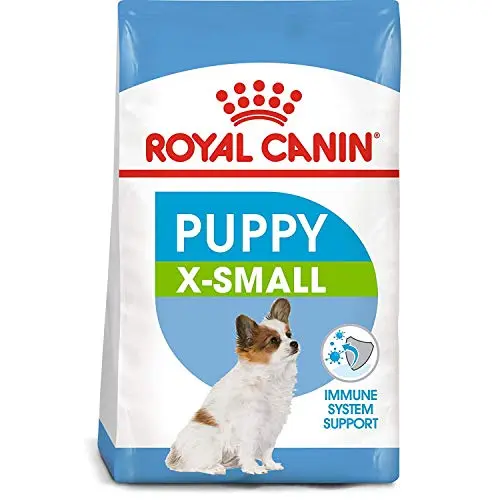
X-Small Breed Puppy – Tailored for Toy Breeds
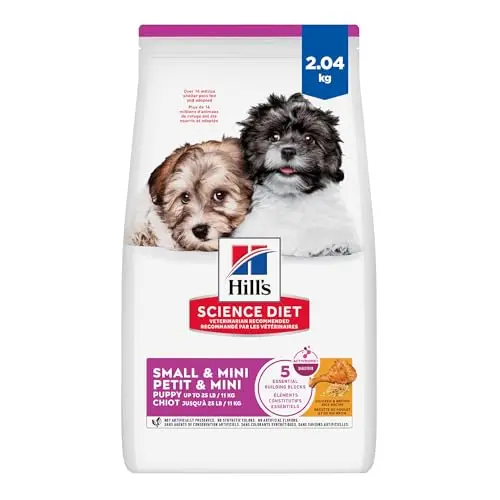
Small & Mini Chicken & Brown Rice – Balanced Nutrition for Small Breeds
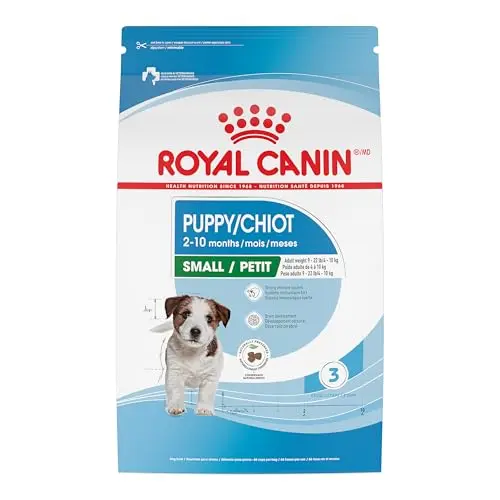
Small Puppy – For Puppies 9-22 lbs
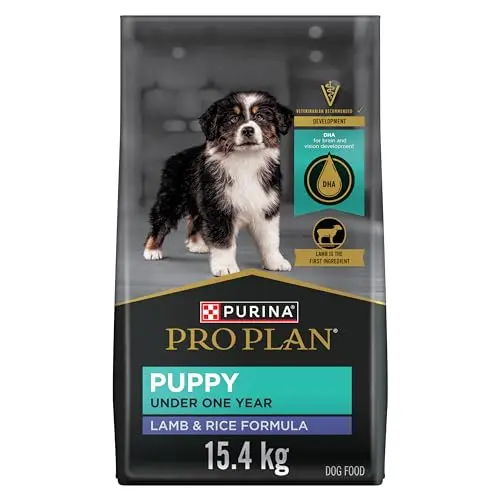
Development Lamb & Rice – Alternative Protein for Sensitive Puppies
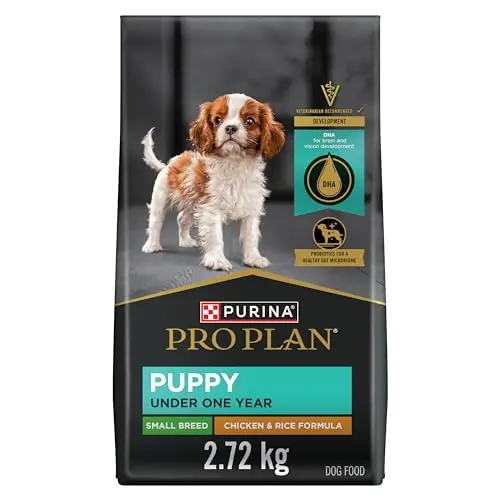
Small Breed Chicken & Rice – High-Protein Kibble for Active Pups
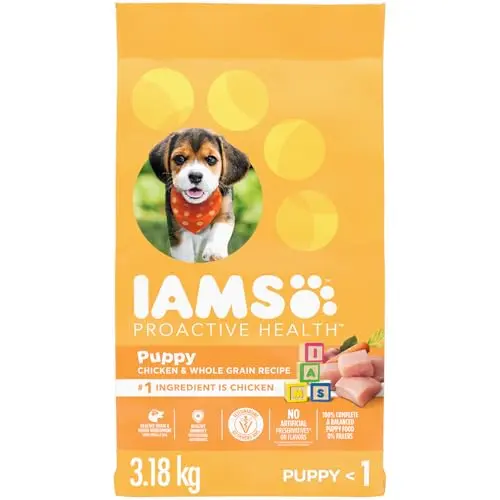
Proactive Health Chicken & Whole Grain – Budget-Friendly Nutrition
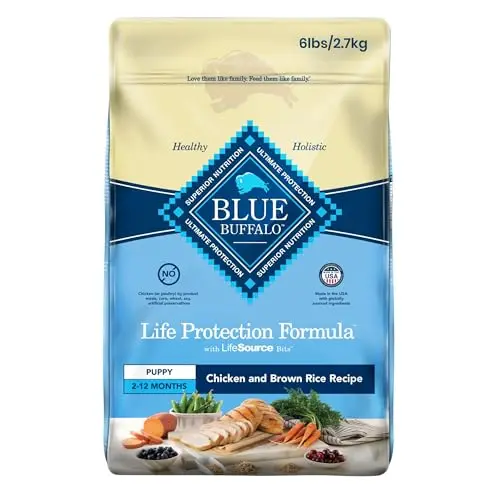
Life Protection Chicken & Brown Rice – Natural Ingredients for Puppies
How We Evaluated These Dry Foods for Yorkie Poo Puppies
We didn’t run controlled feeding trials or monitor long-term health outcomes. Instead, we cross-referenced 7 dry puppy food models from 5 distinct brands across 6 decision axes – kibble size, targeted breed size, protein source, digestive support (prebiotics/probiotics), DHA content for brain development, and ingredient quality. We triangulated published specifications, aggregated owner feedback where available, and use-case fit for Yorkshire Terrier-Poodle cross puppies under 12 months.
The scoring framework weighted real-world suitability for tiny breeds (60%) – how well each formula addresses the unique needs of a Yorkie Poo’s small mouth, rapid growth, and sensitive digestion – against nutritional differentiation (40%) – unique advantages like tailored antioxidants, alternative proteins, and clinically tested fibre blends. We have no commercial relationship with any of the brands featured; recommendations track fit and differentiation, not brand preference. If you’re looking for the most precisely engineered option, the Royal Canin X-Small Breed is your match; if digestive health is your top concern, the Hill’s Science Diet Small & Mini stands out.
How to Choose the Right Dry Food for Your Yorkie Poo Puppy
Kibble Size Matters: Why Tiny Bites Are Essential for Yorkie Poos
A Yorkie Poo’s tiny jaw and delicate teeth demand a kibble they can actually crunch. Standard puppy food chunks can be intimidating or even a choking hazard. Look for extra-small kibble or formulas explicitly labelled for toy or small breeds. Royal Canin’s X-Small Breed and Hill’s Science Diet Small & Mini both deliver pea-sized pieces that fit comfortably in a miniature mouth. Many owners report that their Yorkie Poos struggle with larger kibble, so prioritising size first can save you from rejected meals and unnecessary stress.
Protein Source: Chicken vs. Lamb for Small Breed Puppies
Chicken is a staple in most puppy foods – it’s lean, highly digestible, and packed with the amino acids growing muscles need. But some Yorkie Poos develop sensitivities to poultry, manifesting as itchy skin or loose stools. If you notice signs of intolerance, switching to a novel protein like lamb can make a dramatic difference. Purina Pro Plan’s Lamb & Rice formula uses real lamb as the first ingredient and adds live probiotics to soothe sensitive digestion. The key is to watch your puppy’s reaction during the first two weeks and adjust accordingly.
Digestive Health: Prebiotics, Probiotics, and Your Puppy's Tummy
Yorkie Poos are prone to delicate digestion, so a formula fortified with gut-supporting ingredients is worth its weight in gold. Prebiotic fibres – like the breakthrough blend in Hill’s Science Diet – feed beneficial bacteria, while live probiotics (found in Purina Pro Plan) directly replenish them. Both approaches result in firmer stools and less gas. If your puppy already struggles with tummy issues, prioritise a recipe with proven digestive support rather than one that simply claims to be ‘high-quality’. A gradual 7-day transition when switching foods also helps avoid upset.
Brain Development: The Role of DHA in Puppy Food
DHA (docosahexaenoic acid) is an omega-3 fatty acid crucial for cognitive and visual development during the rapid growth phase. Many puppy foods now include DHA from fish oil or algae, but the concentration can vary. Royal Canin and Purina Pro Plan prominently feature DHA in their recipes, while IAMS goes a step further by including 22 key nutrients found in mother’s milk. For a sharp, trainable companion, ensure your chosen food contains a meaningful DHA source – it’s an investment in your puppy’s learning ability for life.
Brand-Specific Formulas: Royal Canin vs. Hill's Science Diet for Yorkie Poos
Two of the most popular small-breed options illustrate different philosophies. Royal Canin X-Small is narrowly tailored to dogs expected to stay under 8 lbs, with an almost obsessive focus on kibble size and palatability. Hill’s Science Diet Small & Mini takes a broader small-breed approach but leans heavily on its proprietary prebiotic fibre blend for digestive health. If your Yorkie Poo is a guaranteed toy-sized adult, Royal Canin’s precision is hard to beat. If you’re dealing with frequent loose stools, Hill’s digestive focus may bring more day-to-day relief.
Bag Sizes and Budget: How to Choose the Right Amount
Small dogs eat less, so a 2-3 kg bag often lasts several weeks. Buying the smallest available bag of a new food lets you test acceptance without a huge commitment. Once you’ve confirmed your puppy thrives on a particular formula, larger bags (like Purina Pro Plan’s 15.4 kg Lamb & Rice) offer better long-term value. However, dry food can lose freshness after opening, so consider how quickly your pup will finish it. For a single Yorkie Poo, a mid-size bag that lasts a month strikes a practical balance between economy and freshness.
Frequently Asked Questions
What's the best dry food for a Yorkie Poo puppy with a sensitive stomach?
Our top pick is Hill’s Science Diet Small & Mini. Its prebiotic fibre blend is clinically shown to support a healthy gut microbiome, and owner feedback consistently reports firmer stools and less digestive upset. The small kibble is gentle on tiny mouths, and the formula avoids common irritants. If lamb is better tolerated, the Purina Pro Plan Lamb & Rice is a worthy alternative with live probiotics. Always transition slowly over 7-10 days when introducing a new food.
How is Royal Canin X-Small different from Royal Canin Small Puppy?
The main difference is target adult weight. Royal Canin X-Small Breed is designed for puppies expected to weigh under 8 lbs as adults, while Royal Canin Small Puppy targets 9-22 lbs. Kilocalorie density and kibble size are also finer-tuned in the X-Small version. For a typical Yorkie Poo, which often stays below 10 lbs, the X-Small formula is the more precise match, especially during the critical first 6 months. However, if your puppy is projected to be on the larger side (due to a bigger Poodle parent), the Small Puppy formula may suit better.
Is grain-free dry food necessary for Yorkie Poos?
Not necessarily. There’s no evidence that Yorkie Poos specifically require a grain-free diet. Many high-quality recipes like Hill’s Science Diet and Purina Pro Plan include wholesome grains like brown rice and oatmeal, which provide digestible energy and fibre. Grain-free diets have been linked to canine dilated cardiomyopathy (DCM) in some studies, so they aren’t generally recommended unless your puppy has a confirmed grain allergy. Focus instead on the overall ingredient quality and whether the formula addresses your puppy’s specific needs – grain inclusion isn’t a dealbreaker for most Yorkie Poos.
What's the difference between Hill's Science Diet Small & Mini and Purina Pro Plan Small Breed for Yorkie Poos?
Both are excellent small-breed chicken formulas, but they emphasize different strengths. Hill’s Science Diet Small & Mini centres on digestive health with a proprietary prebiotic fibre blend and antioxidant-rich ingredients. Purina Pro Plan Small Breed focuses on high protein (from real chicken) and includes guaranteed live probiotics. In practice, Hill’s tends to produce firmer stools for pets with loose digestion, while Purina Pro Plan often wins on palatability and energy support for active pups. If your Yorkie Poo is a picky eater with plenty of energy, Pro Plan may edge ahead; if they struggle with digestion, Hill’s is the safer bet.
How often should I feed my Yorkie Poo puppy dry food?
Very young puppies (8-12 weeks) benefit from four small meals a day to keep their energy and blood sugar stable. From 3-6 months, you can drop to three meals, and by 6-12 months, two meals daily is typical. Always follow the feeding guide on the bag based on your puppy’s weight, but adjust based on body condition – you want to feel the ribs with a thin layer of fat, not see them. Divide the daily portion evenly, and leave the food down for 15-20 minutes before removing uneaten kibble to establish a routine.
Final Verdict
For the vast majority of Yorkie Poo puppies, the Royal Canin X-Small Breed is our top recommendation – it’s purpose-built for tiny dogs with precise kibble and a comprehensive nutrient profile. If digestive sensitivity is your biggest concern, the Hill’s Science Diet Small & Mini and its prebiotic blend can bring real relief. For those needing a chicken-free option or a larger economy bag, the Purina Pro Plan Lamb & Rice is a smart switch. Whichever you choose, a gradual transition and close monitoring will set your pint-sized pup up for a healthy, happy start.