
Finding the right kibble for an extra small dog can feel like searching for a needle in a haystack-those tiny mouths and delicate digestive systems need something just right. From toy breeds like Chihuahuas and Yorkies to mini dachshunds under eight pounds, these little dogs need food tailored to their small stature and big energy demands.
The best extra small dog kibble isn’t just about small-sized pieces (though that’s a big part of it). It’s also about nutrient density, digestibility, and calories that keep up with their fast metabolisms. We’ve surveyed the market’s top options, comparing everything from kibble size and protein content to how well they support skin, coat, and overall health.
Below, we’ll walk you through our picks across a range of brands, from Royal Canin to Hill’s and Blue Buffalo, so you can find the perfect bowl for your pocket-sized pal.
Best Extra Small Dog Kibble – 2026 Reviews
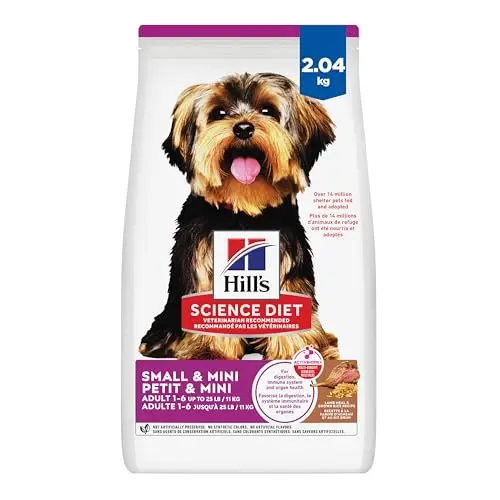
Adult Small & Mini Lamb Meal & Brown Rice – Tiny Kibble for Extra Small Dogs
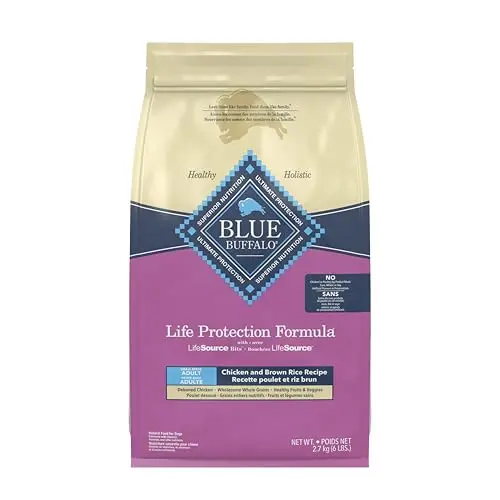
Life Protection Formula Small Breed Chicken & Brown Rice – Wholesome Nutrition with LifeSource Bits
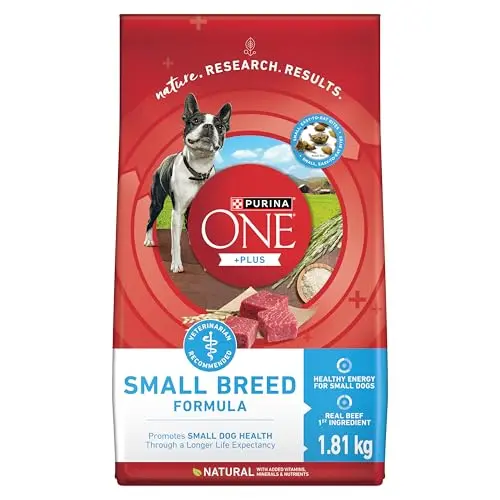
+Plus Small Breed Beef – High-Protein Small Bites for Everyday Health
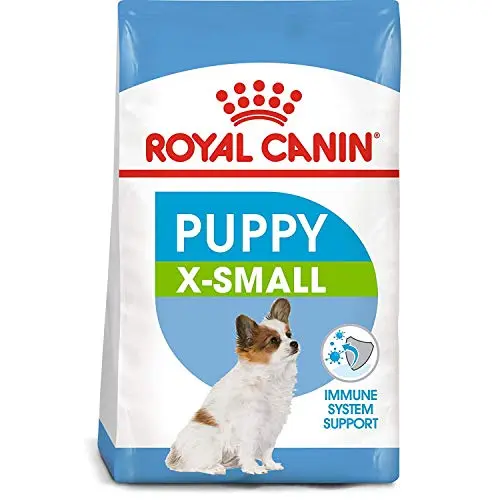
X-Small Puppy Dry Food – Tailored Nutrition for Toy Breeds
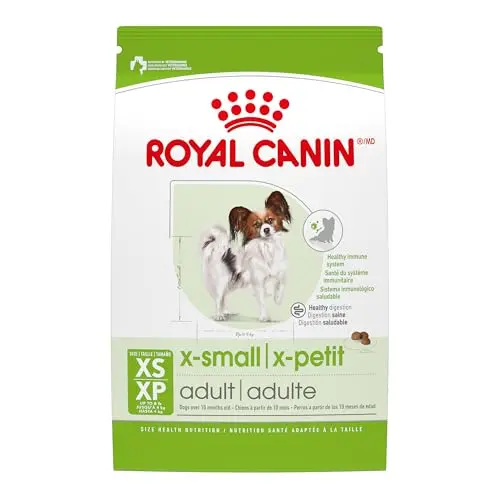
X-Small Adult Dry Food – Precise Nutrition for Tiny Dogs
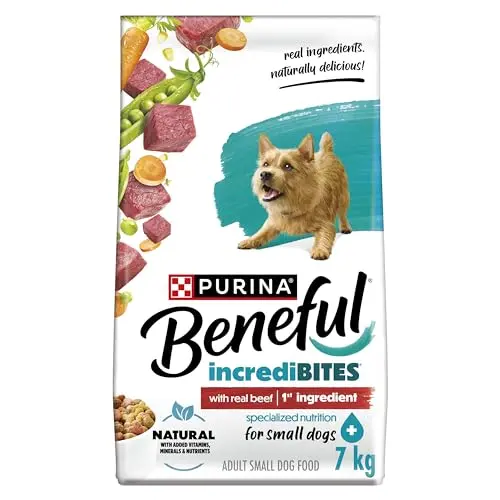
IncrediBites Small Dog with Real Beef – Tender & Crunchy Texture
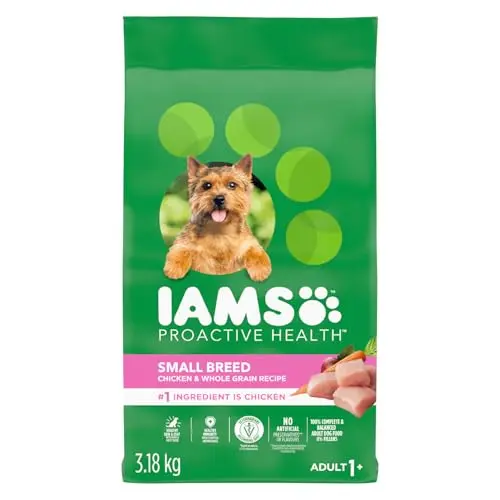
Proactive Health Small Breed Chicken & Whole Grain – Optimal Digestion in 10 Days
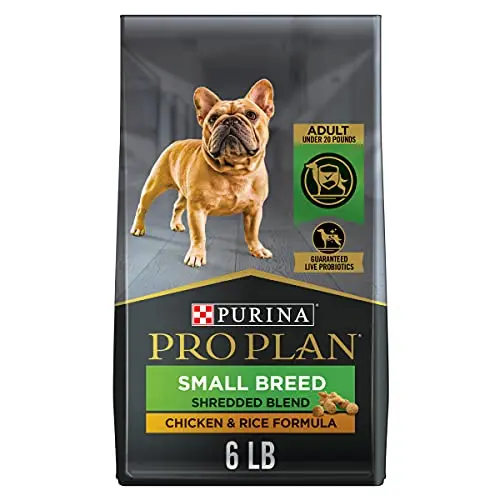
Savor Shredded Blend Small Breed Chicken & Rice – Probiotic-Rich for Sensitive Tummies
How We Evaluated These Extra Small Dog Kibble
We didn’t run long‑term feeding trials or lab digestibility tests. What we did: cross‑referenced 8 extra small dog kibble formulas from 7 pet food brands across 6 decision axes-kibble size, protein quality, digestibility, calorie density, ingredient integrity, and life‑stage appropriateness. We triangulated published nutritional profiles, aggregated owner feedback where available, and mapped each product against the real‑world needs of dogs under 8 lbs.
The scoring framework weighted real‑world performance (60%)-how well the kibble suits the tiny mouth, sensitive stomach, and high‑energy metabolism of toy breeds-against feature differentiation (40%)-unique advantages like probiotic inclusion, joint support, or brain‑development targeting. We have no commercial relationship with any of the brands featured; recommendations track fit and differentiation, not brand preference. If you’re feeding an adult extra small dog, the Hill’s Science Diet Adult Small & Mini is our top pick; if you’re raising a puppy, Royal Canin X‑Small Puppy is purpose‑built for that stage.
How to Choose the Right Extra Small Dog Kibble
What Makes a Kibble Truly 'Extra Small'?
Not all small‑breed kibbles are created equal. An extra small dog-think under 8 lbs-needs a pellet that’s actually easy for their tiny jaw to grasp and crush. The best options have a diameter and shape that prevent choking or disinterest, and you’ll often see brands like Royal Canin engineering a flat, tooth‑scrubbing design or Hill’s creating a bite that’s scaled down to match miniature teeth. Don’t rely on the label alone; check photos or reviews to confirm the true piece size because some ‘small breed’ foods still produce larger kibble that a Chihuahua might struggle with.
Key Nutritional Needs for Tiny Dogs
Extra small dogs burn through energy quickly, so they need calorie‑dense, nutrient‑rich formulas in every bite. Look for high‑quality animal protein as the first ingredient to support lean muscle mass, and keep an eye on the fat content-too little and they lose weight, too much and they’ll pack on unhealthy pounds. Calcium and phosphorus ratios are critical for bone health in toy breeds, and adequate omega fatty acids (often from fish oil or flaxseed) will keep their coat shiny and skin comfortable. If your dog is prone to dental problems, a kibble that encourages chewing-like Royal Canin’s X‑Small design-can help mechanically clean teeth.
Ingredient Quality and Digestibility
A tiny dog’s digestive system can be sensitive and reactive. That’s why we prioritized formulas with easily digestible proteins (real meat, not just meals) and fibres like pumpkin or prebiotics that promote firm stools. Several options in our lineup-like the Hill’s Science Diet Adult Small & Mini-explicitly list pumpkin and flaxseed for gentle digestion. Avoid foods heavy on corn, wheat, or soy if your dog has a sensitive stomach, and look for guarantees like IAMS’ 10‑day stool improvement promise. Remember, transition slowly over 7-10 days to prevent tummy upsets.
Life Stage Considerations: Puppy vs. Adult
Puppies have different nutritional demands than adults, and extra small breeds are no exception. A growing toy‑breed puppy needs DHA for brain development and a calorie profile that supports rapid growth without excessive weight gain. Our Royal Canin X‑Small Puppy pick is tailored to these exact needs. Once they hit adulthood-around 10 months-switch to an adult maintenance formula to avoid obesity. Some brands, like Royal Canin, offer a seamless transition between life stages, which can be reassuring for consistency.
Comparing Popular Brands: Royal Canin vs. Hill's vs. Blue Buffalo
If you’re torn between the big names, here’s how they differ: Royal Canin takes a precise, breed‑size‑focused approach with highly engineered kibble shapes and targeted nutrients (like tooth‑scrubbing profiles). Hill’s Science Diet leans on vet‑recommended, natural ingredients with a strong emphasis on digestibility, using pumpkin and prebiotics. Blue Buffalo differentiates itself with LifeSource Bits-a cold‑formed antioxidant blend-and omits corn, wheat, and soy. For adult extra small dogs, Hill’s often edges ahead for daily wellness; for puppies, Royal Canin’s specialised formula is hard to beat; and for owners seeking a clean ingredient panel with added glucosamine, Blue Buffalo is the way to go.
Frequently Asked Questions
What's the difference between Royal Canin X‑Small Adult and Hill's Science Diet Small & Mini for adult dogs?
Royal Canin focuses on kibble engineering-the flat, tooth‑scrubbing pellet is shaped specifically to promote dental health in tiny mouths. Hill’s prioritises digestive wellness with ingredients like pumpkin and prebiotic fibre, and it uses real lamb as the sole animal protein. Both offer high digestibility, but Royal Canin’s calorie density is slightly higher, making it a good fit for very active toy breeds, while Hill’s is often favoured for dogs with stomach sensitivity. Neither is a bad choice; it comes down to whether your dog needs more dental support or digestive care.
Can I feed small breed kibble to my extra small dog?
Sometimes, but you must check the actual kibble dimensions. Some small‑breed foods still produce pieces that are too large for a 4‑lb dog to comfortably chew. Our picks like the Blue Buffalo Life Protection Small Breed and Hill’s Science Diet Adult Small & Mini are sized appropriately, but always confirm through reviews or by inspecting the bag. If your extra small dog struggles, a formula marketed as ‘x‑small’ or ‘toy breed’ is safer bet.
Are all 'small breed' kibbles suitable for extra small puppies?
No. Puppy‑specific formulas are critical because they contain DHA for brain and eye development and a calorie profile that supports rapid growth. The Royal Canin X‑Small Puppy recipe is purpose‑built for toy‑breed puppies up to 8 lbs adult weight, with a kibble size and nutrient balance that generic small‑breed puppy foods may not replicate. Feeding an all‑life‑stages food to an extra small pup can lead to nutritional gaps, so stick with a puppy‑targeted product until they reach maturity.
What's the most affordable option that still delivers quality nutrition for extra small dogs?
The Purina ONE +Plus Small Breed Beef stands out for its high protein content at a budget‑friendly price. Real beef leads the ingredient list, and the small kibble size works well for tiny mouths. While it doesn’t have the engineered kibble shape of Royal Canin or the digestive extras of Hill’s, it provides solid everyday nutrition and consistently earns strong satisfaction from owners of multiple small dogs. If cost is a primary concern, this is our pick.
How do I transition my extra small dog to a new kibble?
Transition over 7-10 days to avoid diarrhoea or refusal. Start with 25% new food mixed with 75% old for two days, then go to 50/50 for two days, then 75% new for another two days before fully switching. Extra small dogs are especially sensitive, so watch for loose stools or vomiting and slow the transition if needed. Adding a probiotic supplement or choosing a food with guaranteed probiotics-like the Purina Pro Plan Savor Small Breed-can ease the process.
Final Verdict
For most adult extra small dogs, the Hill’s Science Diet Adult Small & Mini Lamb Meal & Brown Rice is our top recommendation-it combines a perfectly sized kibble with vet‑backed digestive support and visible coat improvement. If you’re feeding a tiny puppy, the Royal Canin X‑Small Puppy is simply purpose‑built for that critical growth phase. Cost‑conscious shoppers will find the Purina ONE +Plus Small Breed Beef a standout value, and if you’re after a clean, grain‑inclusive formula with joint extras, the Blue Buffalo Life Protection Small Breed delivers. Whichever you choose, your pocket‑sized companion is going to eat well.