
Bringing home a 6-week-old puppy is equal parts joy and anxiety-especially when you’re staring down an aisle of puppy food options that all claim to be ‘complete and balanced.’ At this age, your pup is in a critical growth window, transitioning from mother’s milk to solid food, so the right nutrition can set the foundation for lifelong health. But with formulas ranging from breed-specific kibbles to all-breed blends, where do you even start?
We surveyed the top puppy foods across major brands to find options that cater to the unique needs of very young puppies. The best food for a 6-week-old puppy isn’t just about protein and fat percentages-it’s about digestibility, kibble size, and whether the formula includes development-specific nutrients like DHA for brain growth and probiotics for gut health. Whether you’re raising a tiny toy breed or a future gentle giant, the right pick is out there, and we’ll help you narrow it down.
In this guide, we’ll walk you through seven standout options, from budget-friendly staples to breed-tailored recipes, so you can feed your new best friend with confidence.
Best Food for 6 Week Old Puppy – 2026 Reviews
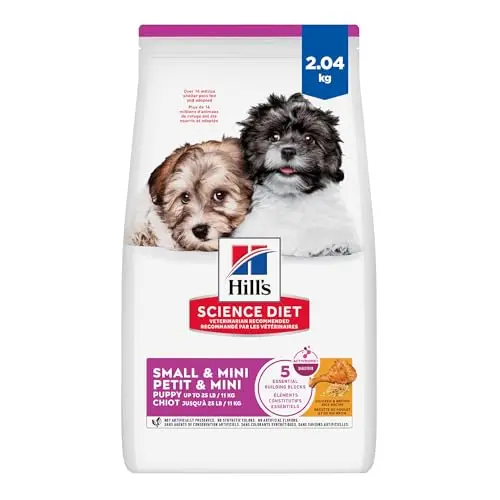
Puppy Small & Mini Chicken & Brown Rice – Brain & Immune Support for Small Breeds
Formulated with DHA from fish oil for brain and eye development, plus an antioxidant blend for immune support, this small-breed recipe delivers veterinary-recommended nutrition in easy-to-chew kibble. Real chicken is the first ingredient, and the prebiotic fibre helps maintain gentle digestion-a must for a 6-week-old’s sensitive stomach.
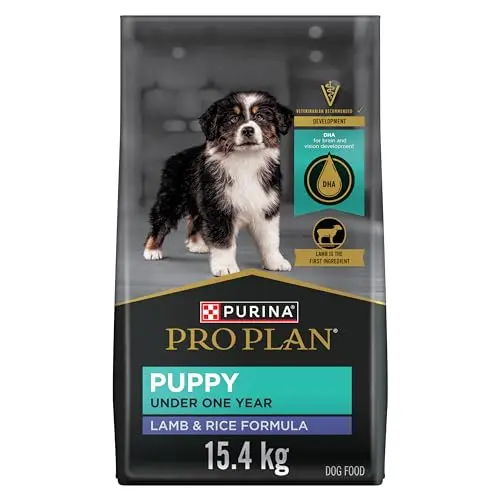
Lamb & Rice Formula – All-Breed Puppy Nutrition
Real lamb is the #1 ingredient in this protein-rich recipe that’s designed for growing puppies of any breed size. It includes guaranteed live probiotics for digestive and immune health, plus DHA from omega-rich fish oil to nourish brain and vision development. The larger bag size also offers excellent value for multi-puppy households.
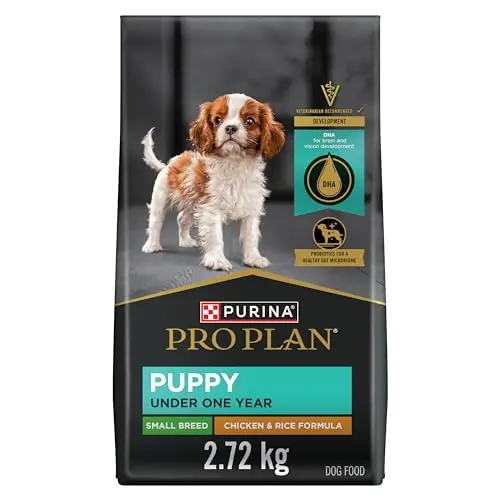
Small Breed Chicken & Rice – High-Protein Tiny Kibble
Tailored for highly active small dogs, this chicken-first recipe packs 27.5% protein to fuel growing muscles. The bite-sized kibble is miniature enough for even toy breeds, and the inclusion of DHA and probiotics rounds out a thoughtful developmental profile. It’s a solid pick for Yorkshire Terriers, Chihuahuas, and other pint-sized pups.
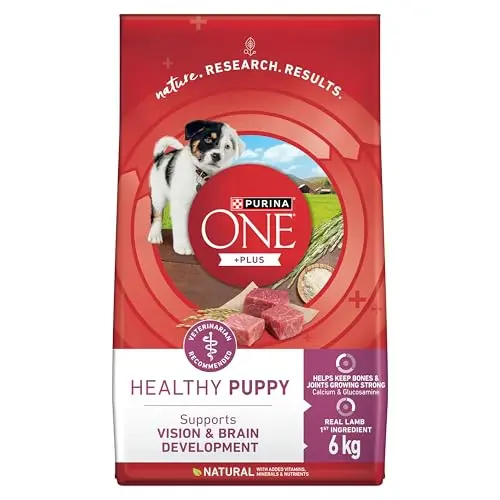
Healthy Puppy Lamb & Rice – SmartBlend Nutrition
This all-breed formula puts real lamb front and centre, supported by DHA for vision and brain development and a dual-defence antioxidant blend. It avoids fillers and artificial flavours, offering a step up from basic puppy chow without the premium price tag. The medium-sized kibble works well for most growing puppies.
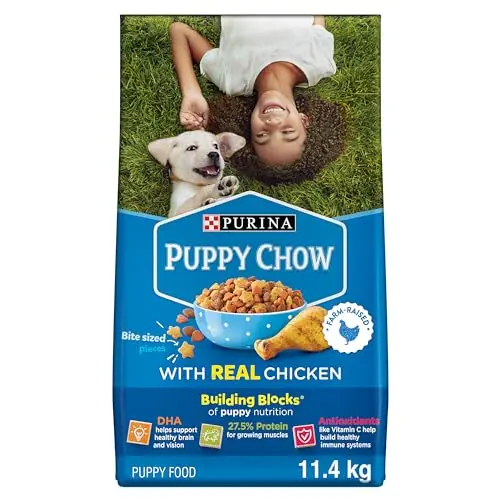
Complete Chicken Recipe – Budget-Friendly Growth
Farm-raised chicken leads this straightforward formula that focuses on the basics: 27.5% protein for muscle development, DHA for healthy brain and vision, and antioxidants like Vitamin C to build a strong immune system. It’s a widely available, no-fuss option that’s been a mainstay for generations of puppy raisers.
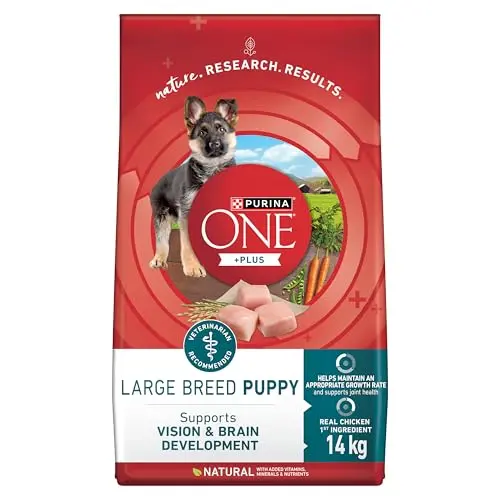
Large Breed Chicken Formula – Joint & Bone Support
Designed specifically for puppies expected to tip the scales at over 50 pounds as adults, this chicken-first recipe includes natural sources of glucosamine to help support healthy joints. DHA from fish oil supports brain and vision development, while the SmartBlend of antioxidants bolsters the immune system.
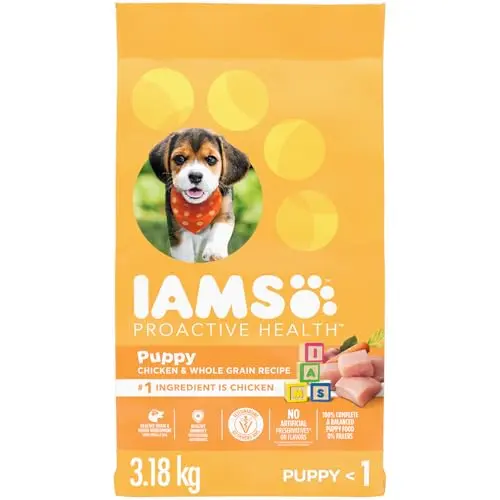
Proactive Health Chicken & Whole Grain – Nutrient-Rich Starter
This budget-friendly formula mimics some of the nutritional benefits of mother’s milk with omega-3 DHA and 22 key nutrients. It uses easily digestible chicken and whole grains, and promises optimal stool quality within 10 days. A solid entry-level pick for first-time puppy parents.
How We Evaluated These Food for 6 Week Old Puppy
We didn’t run controlled feeding trials or long-term health monitoring. What we did: cross-referenced 7 puppy food models from 5 distinct brands across the dimensions that matter most for a 6-week-old-ingredient quality, kibble size, breed suitability, digestibility, and developmental nutrients. No single food works for every puppy, so we weighed protein sources, DHA levels, and probiotic inclusion against what developing bodies need in this narrow weaning window.
The scoring framework split into real-world fit (60%)-how well a formula matches a very young puppy’s digestive and size requirements-and feature differentiation (40%), which rewarded breed-specific tailoring and distinctive nutritional add-ins. We had no commercial relationship with any of the brands featured; every recommendation reflects how each product stacks up against the specific needs of a 6-week-old puppy, not brand loyalty. If you’re raising a tiny breed, the Hill’s Science Diet Small & Mini is our top pick; if you need an all-breed option, the Purina Pro Plan Lamb & Rice is a versatile alternative.
How to Choose the Right Food for Your 6-Week-Old Puppy
Understanding Your Puppy's Nutritional Needs at 6 Weeks
At six weeks, a puppy is still in the weaning phase and has triple the energy requirements of an adult dog per pound of body weight. The food you choose must pack a lot of nutrition into small, easily digestible portions. Look for high-quality animal protein as the first ingredient, and ensure the formula is rich in DHA, a fatty acid found in mother’s milk that drives brain and eye development. A balance of calcium and phosphorus is also critical for steady bone growth without stressing developing joints.
Ingredient Quality: What to Look For
Not all puppy foods are created equal. Prioritize those with real meat, poultry, or fish leading the ingredient deck rather than by-product meals. Whole grains like rice and oatmeal offer gentle energy for sensitive stomachs, while fruits and vegetables contribute natural antioxidants. Steer clear of artificial colours, flavours, and preservatives-these can trigger sensitivities in young pups. If a bag lists ‘corn syrup’ or generic ‘animal fat’ high up, it’s a red flag.
Kibble Size and Texture for Tiny Mouths
For a 6-week-old, kibble size matters as much as the recipe itself. Small and toy breeds in particular need miniature pieces that they can bite and swallow safely. Some owners soak dry kibble in warm water for the first week or two to create a porridge-like consistency, but starting with a small-breed specific formula often eliminates that step. The Purina Pro Plan Small Breed is a standout for its bite-sized nuggets.
Breed-Specific vs. All-Breed Formulas
While an all-breed formula like the Purina Pro Plan Lamb & Rice works beautifully for mixed litters or unknown backgrounds, breed-specific recipes target the unique growth patterns of certain sizes. Large breed puppies benefit from controlled calcium levels and added glucosamine to support joint health, while small breeds need densely caloric kibble that doesn’t overfill tiny stomachs. If you know your puppy’s expected adult weight, lean toward a tailored option; if not, an all-breed choice is a safe bet.
Digestibility and Sensitive Stomachs
Many 6-week-olds experience loose stools or diarrhoea as their digestive systems adjust to solid food. Probiotic-fortified foods, like those with guaranteed live cultures, can ease this transition. Lamb-based recipes also tend to be gentler on the stomach than chicken for some puppies. If you notice persistent digestive upset, a gradual 7-day transition between foods is recommended-and always consult your vet if symptoms persist.
DHA, Probiotics, and Other Puppy-Specific Nutrients
Beyond protein, certain additives make a tangible difference. DHA from fish oil supports cognitive development and vision; look for it in the guaranteed analysis. Probiotics foster a healthy gut microbiome, which in turn strengthens the immune system. Antioxidants like vitamins C and E round out the protective shield. Foods that include these extras-like the Hill’s Science Diet Small & Mini-often justify a slightly higher price with a more complete nutritional profile.
Balancing Budget and Quality
Puppy food can range from under $20 to over $100 per bag. While premium brands often use higher-quality ingredients and targeted research, budget-friendly lines from reputable manufacturers still meet AAFCO standards. The key is to avoid the cheapest, generic options that rely heavily on fillers, and instead land in the mid-tier where you’re paying for real meat and added DHA but not steep marketing premiums. The Purina ONE and IAMS lines hit this sweet spot well.
Frequently Asked Questions
Can a 6-week-old puppy eat dry kibble?
Yes, but it often helps to start with soaked kibble for the first few days. At six weeks, most puppies have their baby teeth but may find hard, dry kibble challenging. Mix the kibble with warm water or puppy formula until it softens into a gruel, then gradually reduce the liquid over a week. The Hill’s Science Diet Small & Mini has especially small, crunchy pieces that soften quickly.
What's the difference between Hill's Science Diet Small & Mini and Purina Pro Plan Small Breed?
Both are excellent choices for tinier pups, but they differ in their flagship ingredients. Hill’s Science Diet leans on a veterinary-diet heritage with prebiotic fibre for gut health, while Purina Pro Plan Small Breed emphasizes higher protein from chicken and includes guaranteed live probiotics. The Hill’s kibble is slightly smaller, but both are sized for toy breeds. If your pup needs immune-focused digestion, Hill’s has the edge; if you want a higher protein kick, go Pro Plan.
Is Purina ONE Lamb better than IAMS ProActive Health for a 6-week-old puppy?
Both are solid mid-range choices, but Purina ONE Lamb edges ahead in ingredient quality with real lamb as the #1 ingredient and no by-product meals. IAMS is more budget-friendly and includes 22 key nutrients modelled after mother’s milk, though it relies on chicken by-product meal. For a puppy with a sensitive stomach, the lamb formula may be easier to digest; for maximum savings, IAMS still gets the job done.
When should I transition my puppy from milk to solid food?
Weaning typically begins around 3-4 weeks and wraps up by 7-8 weeks. At 6 weeks, your puppy should be eating mostly solid food, supplemented with a little water or formula if needed. A high-quality, nutrient-dense kibble ensures they don’t miss the milk’s developmental benefits. The Purina Pro Plan Lamb & Rice is a popular all-around choice for this stage.
Final Verdict
For most 6-week-old puppies, the Hill’s Science Diet Small & Mini is our top pick-it nails the small kibble size, DHA-rich recipe, and digestive gentleness that very young pups need. If you’re raising a mixed-breed or simply want one food for all, the Purina Pro Plan Lamb & Rice is a versatile, protein-packed alternative. Budget-conscious buyers will appreciate the no-frills value of Purina ONE Lamb, while large breed owners should look to the Purina ONE Large Breed for joint-conscious growth. Whatever your puppy’s size or your budget, the right food is out there-and this list gets you started.