
When your Bernese Mountain Dog’s stomach is off, you notice. The rumbling, the reluctance to eat, or worse – the urgent trips outside. It’s distressing for both of you. Finding a food that doesn’t trigger these episodes can feel like solving a puzzle with too many pieces. That’s where we come in. We’ve cut through the marketing noise to focus on formulas designed to be gentle on the gut without sacrificing the nutrition a big, active breed needs.
The right recipe can make all the difference – balancing easily digestible proteins, thoughtful fibre sources, and skin-supporting nutrients that often go hand-in-hand with stomach sensitivity. Below, we break down the most relevant options across brands, so you can choose with confidence and get your pup back to happy, comfortable meals.
Best Dog Foods for Bernese Mountain Dogs with Sensitive Stomachs – 2026 Reviews
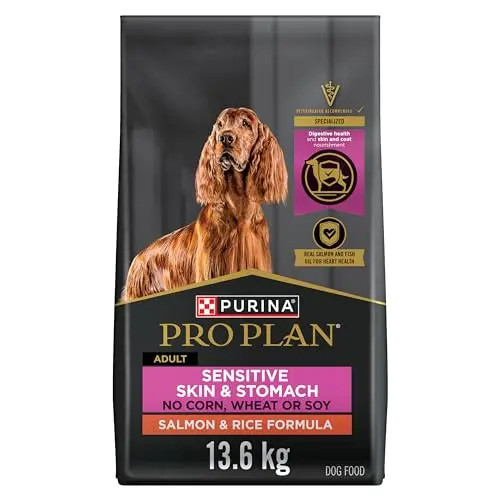
Sensitive Skin & Stomach Salmon & Rice Formula – Digestion Support
A reliable crowd-pleaser, this salmon-based recipe skips artificial additives while packing in omega fatty acids and easily digestible oats. It’s built for dogs with recurring tummy trouble and lackluster coats, giving you a single solution to both. The prebiotic fibre gives healthy gut bacteria a boost, and real salmon leads the ingredient list for lean muscle support.

Sensitive Stomach & Skin Chicken Recipe – Prebiotic Support
Built on decades of veterinary-backed research, this chicken and barley blend uses beet pulp prebiotics to soothe digestion and vitamin E to nourish the skin. It’s a go-to for owners who want a brand their vet likely feeds at home. The formula is highly digestible, meaning less work for a stressed GI tract, and it’s made with natural ingredients.
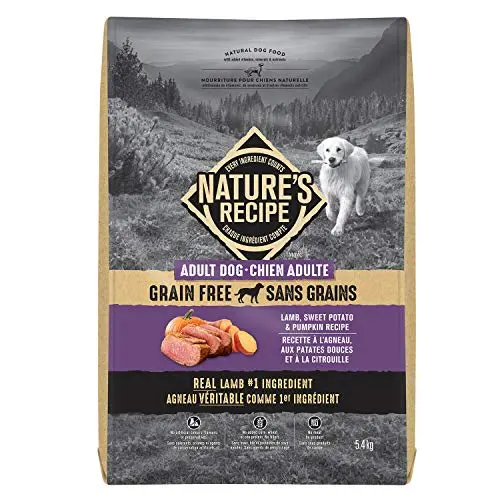
Grain Free Lamb, Sweet Potato & Pumpkin Recipe – Digestive Support
This limited-ingredient, grain-free formula leans on lamb as a single animal protein, sweet potato for slow-release energy, and pumpkin for its well-known gut-soothing properties. It’s a cleaner recipe for dogs that react to grain or need a simpler ingredient panel. No artificial additives, just a short list of what works.

Cravin' Cricket Recipe – Hypoallergenic Insect Protein
For dogs with multiple protein allergies, cricket offers a completely novel, highly digestible protein source that’s also eco-friendly. This baked kibble is limited-ingredient, hypoallergenic, and designed specifically for sensitive stomachs. It’s a bold choice that makes sense when traditional meats haven’t worked.

Sensitive Skin & Stomach Duck, Salmon & Pumpkin Wet Food
When moisture matters as much as ingredients, this wet food delivers. With duck and salmon as the protein duo, plus pumpkin for fibre and salmon oil for omega-3s, it’s a hydrating, limited-ingredient meal that coats a sensitive stomach gently. Perfect for dogs who struggle with dry kibble alone.
How We Evaluated These Dog Foods for Bernese Mountain Dogs with Sensitive Stomachs
We didn’t conduct controlled feeding trials with a panel of Bernese Mountain Dogs. What we did: cross-referenced 5 formulas from 5 distinct brands across 7 key decision axes – protein source novelty, fibre type, fat quality, ingredient transparency, breed-size suitability, digestibility claims, and real-world owner feedback where available. We triangulated published nutritional profiles, analysed ingredient panels for gut-soothing components, and weighed the collective experience of owners against the intended use case.
The scoring framework weighted real-world digestive performance (60%) – how consistently a formula resolved stomach issues according to available data – against feature differentiation (40%) – unique attributes like novel proteins, baking process, or formulation specifics. We have no commercial relationship with any of the brands featured; recommendations track fit and differentiation, not brand preference. If you need a dependable all-rounder, the Purina Pro Plan Sensitive Skin & Stomach is your match; if you’re navigating suspected grain or chicken sensitivities, the Nature’s Recipe Grain Free serves you better.
How to Choose the Right Dog Food for a Bernese Mountain Dog with a Sensitive Stomach
Why Digestion Matters So Much for Bernese Mountain Dogs
Bernese Mountain Dogs are a large, deep-chested breed with a genetic predisposition to bloat and gastric issues. A sensitive stomach isn’t just inconvenient – it can be a sign that their digestive system isn’t handling ingredients well, leading to chronic discomfort. Because they’re also a breed that can develop allergies over time, food sensitivities often show up as stomach upset alongside skin problems. The right diet needs to be easily digestible, with a careful balance of protein, fat, and fibre that doesn’t overwhelm their system. Look for formulas that explicitly address stool quality and gut health, not just generic nutrition claims.
Protein Sources: Novel vs. Traditional – Which Is Gentler on the Stomach?
Traditional proteins like chicken and beef are common allergens for many dogs, and switching to a novel protein – one your dog hasn’t eaten before – can be transformative. Lamb, duck, and fish are popular alternatives, while insect protein (like cricket) is an even more radical departure that works for extreme cases. The Purina Pro Plan Salmon & Rice uses wild-caught fish, a protein naturally rich in omega-3s that also calms inflammation. For dogs with multiple allergies, Jiminy’s Cravin’ Cricket offers a single, unfamiliar protein that the immune system is unlikely to react to. Always introduce any new protein source gradually over 7-10 days to avoid shocking the system.
The Fibre Factor: Prebiotics, Pumpkin, and Beet Pulp
Fibre isn’t just about regularity; it’s the fuel for your dog’s gut microbiome. Prebiotic fibres like beet pulp (found in Hill’s Science Diet) and chicory root feed beneficial bacteria, improving nutrient absorption and stool consistency. Pumpkin is a popular natural soluble fibre that soothes the gut lining and helps both diarrhea and constipation. In the Nature’s Recipe Grain Free formula, sweet potato and pumpkin work together to provide gentle, non-irritating bulk. When comparing foods, look for named fibre sources rather than vague ‘plant fibre’ and opt for formulas with multimodal fibre blends that address the entire digestive tract.
Grain-Free vs. Whole Grains: What's Better for a Sensitive Berner?
Whole grains like oats and barley can be excellent for sensitive stomachs because they provide gentle, soluble fibre that coats and calms the GI tract. The Purina Pro Plan includes oat meal, which is notoriously easy to digest. However, some dogs do have genuine grain sensitivities, in which case a grain-free recipe like Nature’s Recipe or a limited-ingredient wet food might resolve issues. Grain-free doesn’t inherently mean ‘better’ – it simply replaces grains with other carb sources like sweet potato or peas. If your dog has confirmed grain allergies, a grain-free pick is safest; otherwise, whole grains can be a useful tool in your digestive toolkit.
Wet Food, Dry Kibble, or a Mix? Texture and Hydration
The format of the food can impact digestion too. Dry kibble is convenient and calorie-dense, but some dogs with sensitive stomachs benefit from the added moisture of wet food, which mimics a more ancestral diet and is softer on the gut. The Nutrience Wet Food can be a game-changer for dogs that tend to vomit or have trouble digesting dry pieces, or it can be used as a topper to increase palatability. Many Berner owners find success with a combination: dry food for dental health and sustained energy, with a spoonful of wet food mixed in to boost hydration and flavour. Just be sure to adjust total calorie intake accordingly.
Transitioning to a New Food Without Upset Stomachs
Even the best formula can cause a flare-up if you switch too fast. A 10-day transition is the gold standard: days 1-4 mix 25% new food with 75% old; days 5-8 go 50/50; days 9-10 serve 75% new and 25% old, then fully switch. Monitor stools daily. If the new food includes higher fibre or a novel protein, extend the transition by a few days. Using a digestive supplement like plain canned pumpkin during the switch can help buffer the change. If you see persistent loose stools after two weeks, the new food may not be the right fit – and that’s okay, sometimes you need to try another formula.
Frequently Asked Questions
What's the difference between Purina Pro Plan Sensitive Skin & Stomach and Hill's Science Diet Sensitive Stomach & Skin?
Both are excellent, but they address sensitivity from slightly different angles. Purina Pro Plan uses salmon as its first ingredient and oat meal for fibre, delivering a fish-based omega-3 boost that actively reduces inflammation – great for dogs with allergic skin flare-ups. Hill’s Science Diet relies on chicken and barley with beet pulp prebiotics, leaning more heavily on veterinary research to support the gut barrier. If your Berner does well on poultry and you value clinical development, Hill’s is a strong pick. If you suspect a chicken allergy or want the anti-inflammatory edge of fish, go with Purina.
Is a grain-free diet better for a Bernese Mountain Dog with a sensitive stomach?
Not necessarily. Many Bernese Mountain Dogs digest whole grains like oats and barley perfectly fine, and these grains can provide soothing, soluble fibre that helps regulate the gut. Grain-free diets replace those grains with legumes or potatoes, which can sometimes cause gas or soft stools if introduced too quickly. That said, if your dog has been diagnosed with a grain allergy or consistently improves on a grain-free recipe, options like Nature’s Recipe Grain Free are a safe bet. The key is observing your individual dog’s reaction – there’s no universal rule.
How does Jiminy's cricket protein compare to traditional meats for digestion?
Cricket protein is a complete, highly digestible animal protein that’s genuinely novel to most dogs. In digestibility studies, insect protein scores above 80%, placing it on par with high-quality chicken or beef. For dogs with developed allergies to common livestock proteins, it offers a clean slate – the immune system sees it as a new, non-threatening substance. The baking process also results in a kibble that breaks down easily in the stomach. While the per-pound cost is higher, its targeted use for allergy management can save on vet bills in the long run.
Can I feed my Bernese Mountain Dog wet food exclusively for stomach issues?
Yes, although it’s more common to use wet food as a topper or 50/50 mix. A wet food like Nutrience’s Sensitive formula can be fed as a complete meal; it offers excellent hydration and a soft texture that’s often better tolerated by dogs with acute GI distress. The main downside for a large breed is volume – you’ll go through cans quickly, and the cost can add up. Many owners find a middle ground: feed a high-quality sensitive-stomach dry kibble as the base and top with a spoonful of wet food for flavour, moisture, and an extra digestive boost.
How can I tell if my Bernese Mountain Dog's stomach issues are food-related?
Food sensitivities often show up as intermittent soft stools, gas, burping, or vomiting shortly after meals. Skin issues like itching, redness, or hot spots can accompany digestive signs. If symptoms appear consistently after eating and improve when you temporarily switch to a bland diet (like boiled chicken and rice), food is a likely culprit. Keep a food diary and consider a limited-ingredient novel protein diet for 8-12 weeks as a diagnostic trial. If the stomach issues disappear and reappear when you reintroduce old foods, you have your answer. Consult your vet to rule out underlying conditions like EPI or parasites.
Final Verdict
For the vast majority of Bernese Mountain Dogs with touchy stomachs, the Purina Pro Plan Sensitive Skin & Stomach Salmon & Rice is the best place to start – it combines a clean protein, digestion-friendly oats, and a robust prebiotic that delivers real results. If you’re managing a tighter food budget without wanting to compromise on gut support, the Hill’s Science Diet Sensitive Stomach & Skin is a close second with strong vet backing. For dogs that seem reactive to grains or chicken, the Nature’s Recipe Grain Free Lamb offers a simpler, fibre-rich path. And when allergies run deep, don’t overlook the Jiminy’s Cricket – it’s a genuine breakthrough for tough cases. Your Berner will tell you which one works; you just have to listen.