
Bringing home a Cavalier King Charles Spaniel puppy is a heart-melting experience, but between those velvety ears and eager eyes lies one big question: what’s the best food to fuel their growth? These little charmers mature into 13-18 lb adults, and the nutritional foundation you lay in their first year can influence everything from heart health to that silky coat. With so many brands claiming to be the best, it’s easy to feel lost in a sea of bags and buzzwords.
That’s where we come in. We’ve sifted through the options from major brands, focusing on what actually matters for a Cavalier – appropriate kibble size for tiny mouths, brain-boosting DHA, easily digestible ingredients, and a protein profile that builds lean muscle. Whether you’re a first-time owner or a seasoned breeder, our guide cuts through the noise to help you pick a food that fits your pup’s needs and your lifestyle. No marketing fluff – just an honest look at the top puppy foods on the market.
Best Foods for Cavalier Puppies – 2026 Reviews
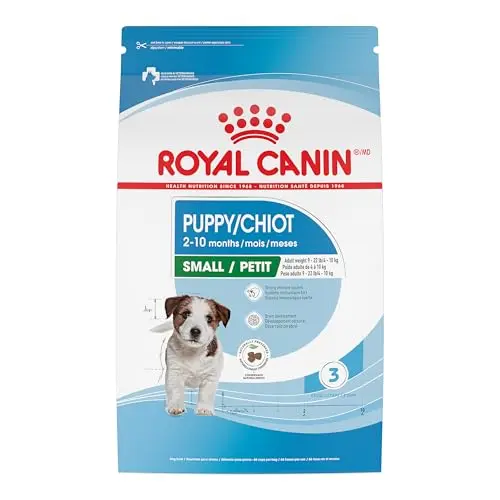
Small Puppy – Tailored Nutrition for Cavalier Growth
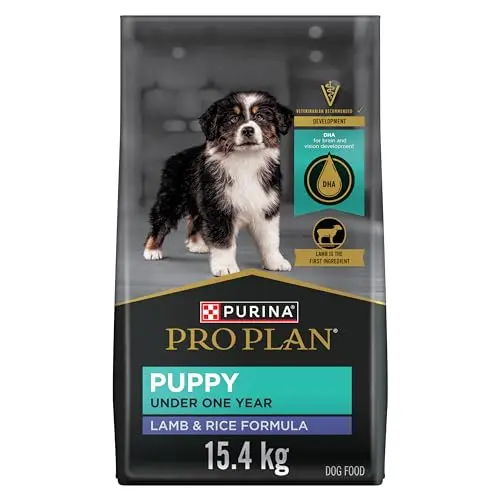
Development Lamb & Rice – Large Bag Value for Growing Puppies
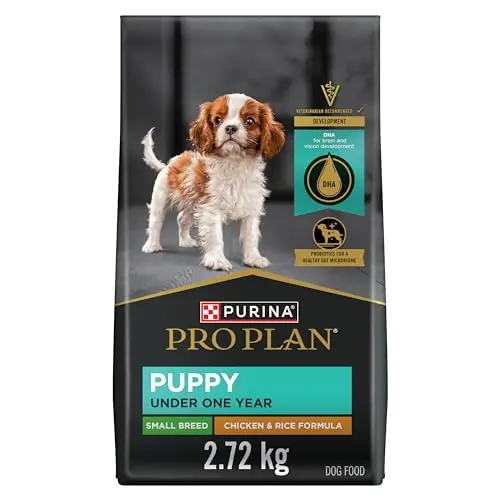
Small Breed Chicken & Rice – Small Kibble for Tiny Mouths
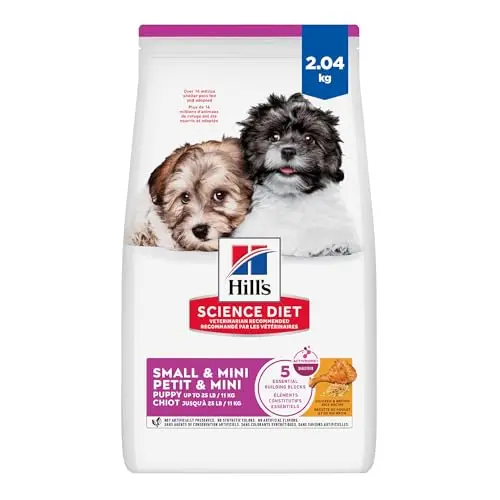
Small & Mini Chicken & Brown Rice – Vet-Recommended for Small Breeds
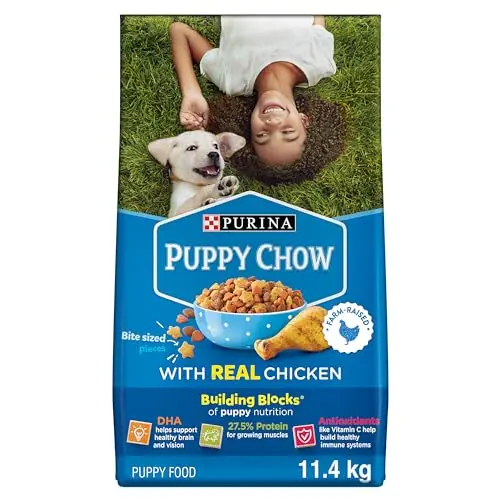
Complete with Real Chicken – Budget-Friendly All-Pup Nutrition
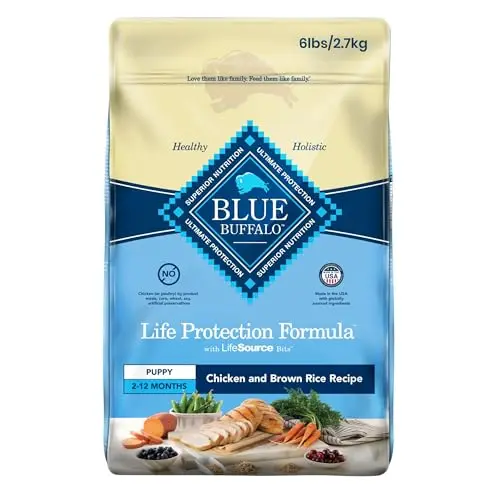
Life Protection Chicken & Brown Rice – LifeSource Bits for Immune Support
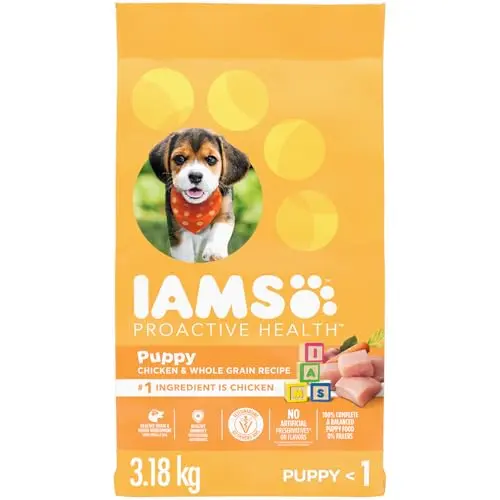
Proactive Health Chicken & Whole Grain – Smart Starter for Small-Medium Puppies
How We Evaluated These Foods for Cavalier Puppies
We didn’t run these foods through a veterinary feeding trial or long-term cohort study. What we did: cross-referenced 7 puppy foods from 6 distinct brands across five decision axes – breed size specificity, kibble texture, DHA and fatty acid profile, protein quality, and digestive support. We triangulated published AAFCO statements, ingredient lists, and aggregated owner experience where available. The scoring framework weighted real-world performance (60%) – how well each food meets a Cavalier’s developmental needs – against feature differentiation (40%), like targeted probiotic blends or exclusive antioxidant technology. We have no commercial relationship with any of the brands featured; recommendations track fit and differentiation, not brand preference. If you want a food that matches your Cavalier’s growth curve from the start, the Royal Canin Small Puppy is the frontrunner; for a budget-friendly alternative that still covers the nutritional bases, Purina Puppy Chow offers remarkable value.
How to Choose the Right Food for Your Cavalier Puppy
Understanding Your Cavalier Puppy's Nutritional Needs
Cavalier King Charles Spaniels are a small breed with a moderate growth rate, reaching adulthood between 9 and 12 months. Their food must deliver controlled energy to avoid rapid growth that could strain developing joints. Look for a recipe with high-quality animal protein as the first ingredient to support lean muscle, and balanced calcium and phosphorus for strong bones. Fat levels typically range between 15-20% in dry matter, providing concentrated energy without risking obesity. Because Cavaliers are prone to mitral valve disease, a diet rich in omega-3 fatty acids (DHA/EPA) is thought to support cardiovascular health, though more research is needed. AAFCO certification for growth is non-negotiable – it guarantees the food meets the minimum nutritional requirements for puppies.
Kibble Size and Texture: Why It Matters for Small Breeds
Cavalier puppies have petite jaws and small teeth, so kibble size directly affects how safely and eagerly they eat. Pieces that are too large can lead to choking or frustration, while overly tiny bits may not provide enough crunch for dental benefits. Brands that target small or toy breeds generally produce kibble under 12mm in diameter. Foods like the Royal Canin Small Puppy are engineered with a specific texture and size for this demographic. If you’re considering an all-breed formula, check customer feedback or manufacturer details; some, like the Pro Plan Lamb & Rice, happen to have manageably small kibble despite not being marketed as small-breed specific. When in doubt, the smaller the better for the first few months.
The Role of DHA and Omega Fatty Acids in Brain Development
DHA (docosahexaenoic acid) is an omega-3 fatty acid critical for brain and vision development during puppyhood. It’s naturally found in mother’s milk, and high-quality puppy foods often supplement it through fish oil, marine microalgae, or egg products. Studies suggest that puppies fed DHA-rich diets show improved cognitive function and trainability. For a Cavalier, a breed known for its gentle, people-pleasing nature, optimal brain development only enhances that bond. Look for DHA listed explicitly on the guaranteed analysis or ingredient deck – the Royal Canin Small Puppy and Purina Pro Plan formulas are particularly transparent about DHA content.
Probiotics, Prebiotics, and Digestive Health in Puppy Food
A puppy’s GI tract is still maturing, making digestive support a key differentiator. Probiotics are live beneficial bacteria that colonize the gut, while prebiotics act as fuel for those bacteria. Together they promote firmer stools, better nutrient absorption, and a stronger immune system. Foods fortified with guaranteed live probiotics, like the Pro Plan lines, ensure the cultures survive shelf-life and processing. If your Cavalier has a sensitive stomach – a common concern in the breed – starting with a recipe that includes digestible grains and a probiotic blend can ease the transition. Avoid foods with vague ‘animal by-products’ and excessive fillers, which can trigger inflammation.
Price Tiers and Bag Sizes: Which Approach Fits You?
The puppy food market spans from budget-friendly staples to premium, vet-formulated options. Lower-priced brands like Purina Puppy Chow and IAMS still meet AAFCO standards and include DHA, making them viable for short-term use or multi-dog households. Mid-range picks such as Purina Pro Plan balance cost with targeted benefits like live probiotics. At the top, Hill’s Science Diet and Royal Canin command a higher price for research-heavy formulations and breed-specific design. However, a larger bag doesn’t always mean better value – check the cost per day, not just the sticker price. Smaller bags let you rotate proteins or test sensitivities without waste. Ultimately, the ‘best’ food fits your budget while delivering consistent, species-appropriate nutrition from trusted manufacturers.
Frequently Asked Questions
What's the difference between Royal Canin Small Puppy and Purina Pro Plan Small Breed formula?
Both are excellent, but they take slightly different approaches. Royal Canin Small Puppy is engineered for a specific weight range (9-22 lbs adult), so kibble size, nutrient density, and the shape of the pieces are all tailored to small-breed anatomy. It includes marine microalgae oil for a direct DHA source and a prebiotic blend for digestion. Purina Pro Plan Small Breed focuses on high protein for active small dogs and uses guaranteed live probiotics for gut health. Its kibble is also tiny, but the formula is less explicitly weight-classed. Both offer strong antioxidant packages, but Royal Canin leans more heavily into breed-specific research, while Pro Plan emphasizes overall protein and immune support. If you want the most precise growth plan, Royal Canin edges ahead; if you value robust probiotic content and possibly a lower per-day cost, Pro Plan is a solid alternative.
Is Blue Buffalo Life Protection a good choice for Cavalier puppies compared to Hill's Science Diet?
Both have their strengths, but the fit depends on your priorities. Hill’s Science Diet Small & Mini is formulated under veterinary oversight with a focus on clinical nutrition – its DHA levels and mineral balance are carefully calibrated for small breeds. It’s often recommended by vets for steady growth and precise nutrient delivery. Blue Buffalo Life Protection appeals to owners who want a natural, grain-inclusive recipe free from corn, wheat, and soy, with its standout LifeSource Bits providing a cold-pressed antioxidant kick. However, Blue Buffalo positions this formula for medium breeds, so the kibble can be slightly larger. For a Cavalier, Hill’s is the more conservative, breed-appropriate choice, while Blue Buffalo works if you prioritize cleaner label and don’t mind monitoring kibble size. Both are high quality, but Hill’s has a slight edge in targeted small-breed research.
How do I know if a puppy food is right for my Cavalier's sensitive stomach?
Look for easily digestible protein sources (like chicken or lamb meal) listed first, and avoid recipes with a long list of cheap fillers or by-products. A food that includes prebiotic fiber (e.g., beet pulp, fructooligosaccharides) or guaranteed live probiotics can help stabilize the gut flora. Start with a smaller bag and transition slowly over 7-10 days. If your puppy shows consistent loose stools, excessive gas, or skin irritation after two weeks, consider switching proteins – lamb and rice formulas, such as the Pro Plan Development Lamb & Rice, are often gentler. Cavalier puppies can also benefit from omega-3s to soothe inflammation. If symptoms persist, consult your vet; a limited-ingredient or prescription diet might be necessary.
Can I feed my Cavalier puppy a large-breed puppy food?
Generally, no. Large-breed puppy foods are formulated with a lower caloric density and a specific calcium-phosphorus ratio to slow growth and prevent skeletal disorders like hip dysplasia. Feeding that to a small breed like a Cavalier could result in undernutrition or inadequate energy, leaving your puppy sluggish and underweight. Cavalier puppies need a small or all-breed puppy food that provides sufficient energy and nutrients for their faster relative growth rate. Stick to recipes that target small breeds or are labelled for ‘growth of puppies of all sizes’ with proven results in smaller dogs. If you’re ever unsure, a quick check of the AAFCO statement on the bag will confirm.
Final Verdict
For most Cavalier puppies, the Royal Canin Small Puppy is the clear winner – it nails the breed-specific nutrition, kibble design, and DHA-rich brain support that this breed thrives on. If you’re watching your budget but still want a complete, protein-packed diet, the Purina Puppy Chow Complete delivers surprising value without cutting crucial corners. And for those willing to invest in a veterinary-backed formula with proven digestibility, the Hill’s Science Diet Small & Mini is a premium pick that pays off in coat quality and steady growth. No matter which you choose, starting with a food that puts real meat and DHA first will set your Cavalier up for a healthy, happy start.