
Bringing home a litter of newborn puppies is equal parts joy and worry-especially when it comes to feeding. Whether you’re supplementing a large litter or starting the weaning process, choosing the right puppy food can make a profound difference in those critical first weeks. The wrong kibble can upset tiny tummies or fail to deliver the brain-building nutrients that neonates need most.
That’s why we’ve combed through the major brands to find puppy foods that actually work for the smallest, most vulnerable eaters. From kibble size and DHA content to probiotic digestive support, we compared the features that matter when you’re raising a newborn puppy. Our picks below span a range of budgets and breed sizes, so you can find the right fit without second-guessing every ingredient list.
Best Puppy Food for Newborn Puppies – 2026 Reviews
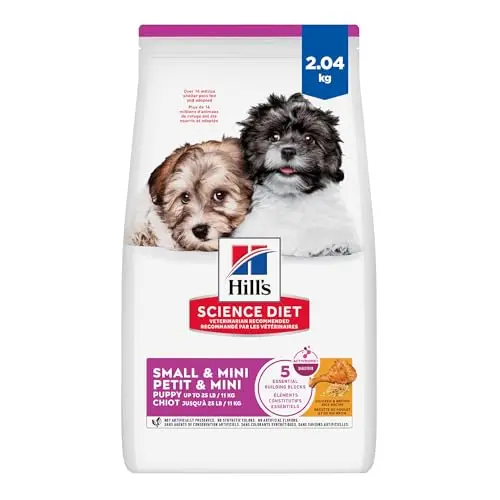
Small & Mini Puppy Chicken & Brown Rice – Brain & Bone Development
A veterinarian-recommended formula designed specifically for small and toy breeds, this dry puppy food provides balanced nutrition with DHA from fish oil for brain and eye development. The tiny kibble size makes it easy for newborn puppies transitioning to solid food.
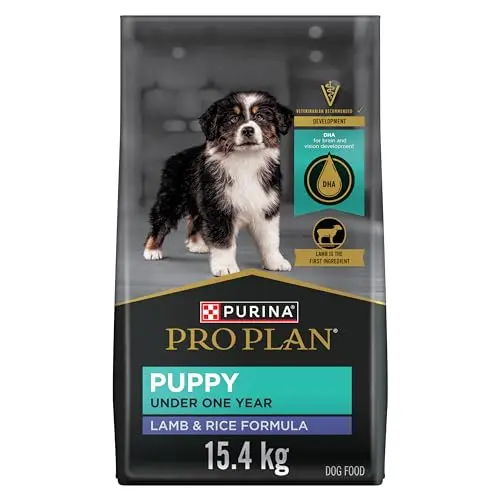
Development Lamb & Rice – All-Breed Large Bag Value
A high-protein lamb and rice recipe that works for puppies of all sizes, this food delivers DHA for brain development and live probiotics for digestive health. The 15.4 kg bag offers outstanding value for raising multiple puppies or a single large-breed dog.
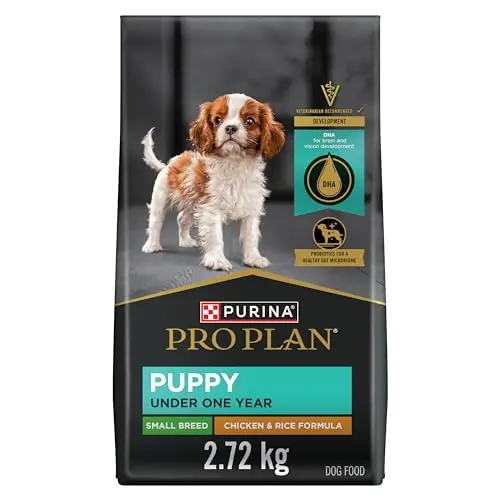
Small Breed Chicken & Rice – Probiotic Digestive Health
Specially formulated for small breed puppies, this chicken and rice recipe packs high protein and DHA into a tiny kibble. The added live probiotics support immune and digestive health during the critical weaning stage.
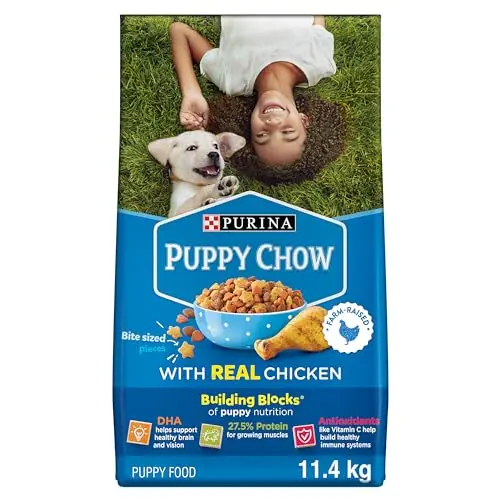
Complete with Real Chicken – Affordable Balanced Nutrition
A budget-friendly puppy food that doesn’t skimp on essentials like DHA and antioxidants. The chicken-based formula provides 27.5% protein for growing muscles, making it a solid entry-level choice for newborn puppies.
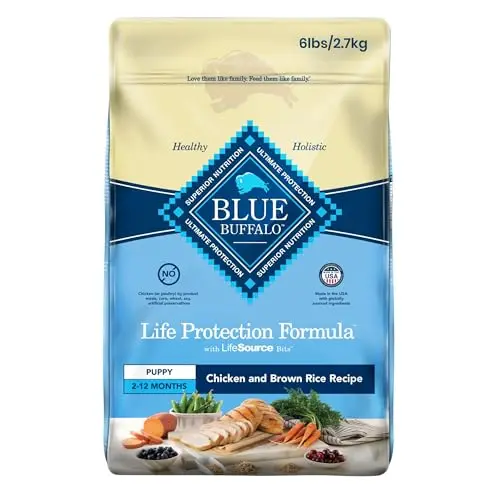
Life Protection Chicken & Brown Rice – Antioxidant-Rich Bits
Blue Buffalo’s puppy formula features real chicken and exclusive LifeSource Bits-antioxidant-packed cold-formed nuggets-to support a strong immune system. The DHA, ARA, and choline promote brain and eye development.
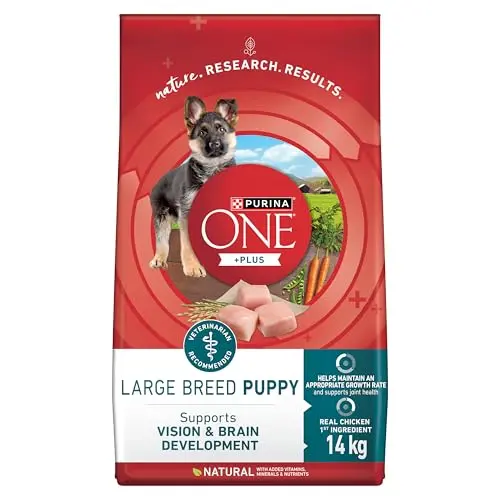
Plus+ Large Breed Chicken – Joint & Brain Support
Formulated for large breed puppies, this chicken-based food adds natural glucosamine for joint health alongside DHA for brain development. The easily digestible rice-based recipe is gentle on growing digestive systems.
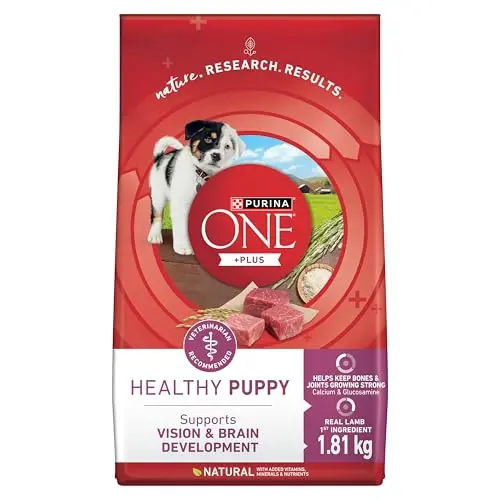
Plus+ Healthy Puppy Lamb – Gentle on Stomachs
A lamb-based formula that’s easy on sensitive puppy tummies, combining DHA for brain development with easily digestible rice and oatmeal. The 1.81 kg bag is ideal for trying out or for very small litters.
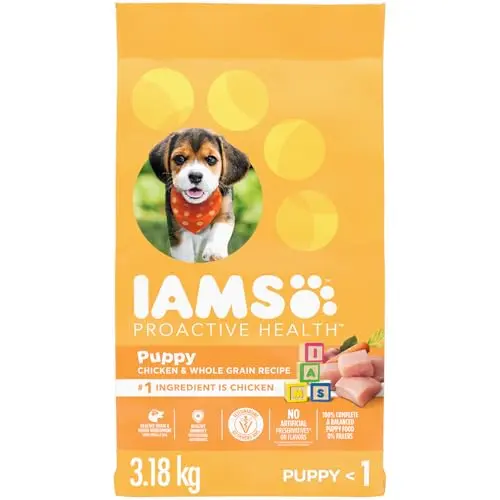
Proactive Health Chicken & Whole Grain – Budget-Friendly Starter
IAMS’ puppy formula emphasizes digestibility and stool quality, with omega-3 DHA and 22 key nutrients modeled after mother’s milk. It’s an approachable, no-fuss option for first-time puppy owners.
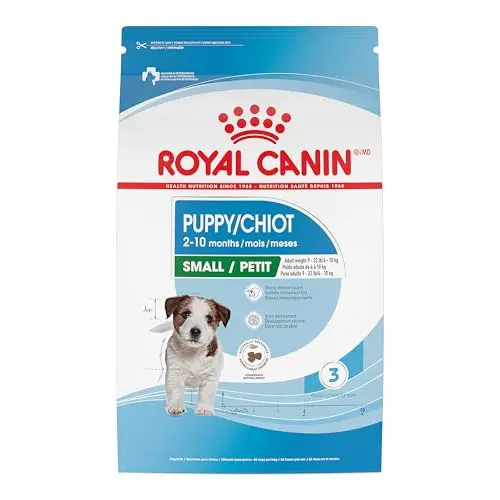
Small Breed Puppy – Tailored Brain & Digestive Support
Royal Canin’s small breed formula is meticulously designed for puppies 2-10 months with an expected adult weight of 9-22 lbs. It supports brain development, immune health, and digestive balance with a crunchy kibble texture.
How We Evaluated These Puppy Foods for Newborn Puppies
We didn’t run lab nutrient analysis or controlled feeding trials with newborn puppies. What we did: cross-referenced 9 puppy food models from 7 distinct brands across 5 decision axes – kibble size, DHA content, digestibility, protein quality, and breed-specific formulation. We triangulated published specifications, aggregated owner feedback where available, and use-case fit against the needs of newborn puppies transitioning to solid food.
The scoring framework weighted real-world performance (60%) – how well each food supports early development – against feature differentiation (40%) – unique ingredients like probiotics or glucosamine. We have no commercial relationship with any of the brands featured; recommendations track fit and differentiation, not brand preference. If you’re raising a small breed newborn, the Hill’s Science Diet Small & Mini is your match; if you need a bulk value for a litter, the Pro Plan Lamb & Rice rises to the top.
How to Choose the Right Puppy Food for Newborn Puppies
Kibble Size: The First Critical Decision
Newborn puppies have tiny mouths, so kibble size is often the make-or-break factor. A food that’s too large can be ignored or even cause choking. Look for formulas labelled ‘small bites’ or explicitly designed for toy and miniature breeds. For medium and large breeds, a slightly larger kibble is fine, but during the transition to solids, smaller pieces help build confidence. When in doubt, soak the kibble in warm water or puppy formula to soften it.
DHA and Brain Development
DHA (docosahexaenoic acid) is a fatty acid crucial for neurological development. It’s found naturally in mother’s milk, and most quality puppy foods now supplement it from fish oil or algae. For newborn puppies just starting on solids, a DHA-rich formula can help replicate that maternal advantage, supporting sharper vision and cognitive function later on.
Digestibility: Probiotics and Gentle Fibres
Puppy tummies are sensitive, and the wrong food can cause diarrhoea, constipation, or refusal to eat. Prebiotic fibres like beet pulp or chicory root and live probiotics help establish healthy gut flora. If your newborn puppy has soft stools or gas, choose a food with easily digestible ingredients like rice and oatmeal, and avoid large amounts of peas or legumes until their digestion matures.
Breed Size Matters: Tailored Nutrition from Day One
Large breed puppies grow rapidly and need controlled calcium-to-phosphorus ratios to prevent joint issues. Their food should also include glucosamine and chondroitin for early joint support. Small breed puppies, conversely, need more calorie-dense food because they burn energy faster and have smaller stomachs. Using an all-breed food is possible, but breed-specific formulas are safer if you know your puppy’s expected adult size. For large breeds, the Purina ONE Large Breed is purpose-built from day one.
Hill's Science Diet vs. Royal Canin: Which Small Breed Formula Wins?
Both brands are veterinarian favourites, but they take different approaches. Hill’s Small & Mini prioritizes prebiotic fibre for digestion and balances minerals for bone growth, while Royal Canin Small Breed uses a precise kibble design and adds taurine for heart health. For the smallest newborns, Hill’s slightly smaller kibble and stronger owner feedback on stool quality give it the edge. If you prefer a breed-specific nutrient profile backed by extensive research, Royal Canin is a compelling alternative.
Wet vs. Dry Food for Newborn Puppies
Newborn puppies often take to wet food more readily because of its aroma and soft texture. However, dry kibble can be soaked to create a porridge-like consistency, and it helps with dental development later on. A mixed approach-moistened dry food in the early weeks, graduating to dry-works best for most litters. No matter which you choose, ensure the food is specifically formulated for puppies, not adult dogs.
Frequently Asked Questions
What's the difference between Purina Pro Plan Lamb and Chicken for small breeds?
The two formulas share the same developmental goals-DHA for brain support and probiotics for digestion-but the protein source sets them apart. The chicken recipe is poultry-based and often slightly higher in protein, while the lamb recipe uses a novel animal protein that’s gentler on sensitive stomachs. If your small breed puppy has shown signs of chicken intolerance or you simply want variety, the lamb option is a safe bet. For the average puppy, both perform excellently.
When should I start feeding a newborn puppy solid food?
Most puppies can begin the weaning process around 3-4 weeks of age. At that point, you can offer a soupy mixture of warm water or puppy milk replacer with dry kibble, gradually reducing the liquid over the next two weeks. By 6-8 weeks, they should be eating mostly dry or lightly moistened food. Always monitor their weight and stool to ensure the transition is going smoothly; if diarrhoea appears, slow down the weaning pace.
Can newborn puppies eat dry kibble, or do they need wet food?
Newborn puppies can eat dry kibble that has been thoroughly soaked into a mushy consistency. This gives them the nutrition of dry food with the palatability of wet. Many breeders prefer this method because it’s more cost-effective and introduces the texture early. Wet food is slightly more convenient and aromatic, but it’s not nutritionally necessary if you’re soaking a complete and balanced dry formula.
How does Royal Canin compare to Hill's Science Diet for small breed puppies?
Both are top-tier choices, but the differences boil down to ingredient transparency and processing goals. Hill’s uses a prebiotic fibre blend that many owners report producing firmer stools, while Royal Canin employs a more tailored approach to kibble shape and a slightly different nutrient profile with added taurine. Hill’s tends to be slightly more affordable, while Royal Canin commands a premium for its breed-specific research. For newborn small breeds, Hill’s Science Diet Small & Mini typically wins on value and owner satisfaction.
Do I need a different food for large breed puppies?
Yes, large breed puppies have a higher risk of developmental joint disorders if their calcium intake isn’t carefully controlled. A large breed puppy food will contain lower calcium and phosphorus, plus added glucosamine and chondroitin. Using an all-breed food for a Great Dane or Labrador is possible but riskier. Our dedicated pick, Purina ONE Large Breed, takes the guesswork out of it.
Final Verdict
For most newborn puppies, Hill’s Science Diet Small & Mini is the answer – it nails the critical trifecta of tiny kibble, DHA brain support, and digestible ingredients. If you’re stretching a budget or raising a litter, the Pro Plan Lamb & Rice delivers outstanding bulk value. And for large breed puppies, Purina ONE Large Breed is purpose-built with joint health in mind. No matter which you choose, starting with a product formulated for your puppy’s size will give them the healthiest start possible.