
Feeding a tiny dog comes with its own set of challenges. Those miniature jaws and fast metabolisms demand a diet that’s not just nutrient-dense but also physically manageable. Whether you have a teacup Chihuahua or a pint-sized Pomeranian, the right dog food can mean the difference between a thriving, energetic companion and a pup who picks at their bowl or suffers from digestive upset.
Kibble size is often the first hurdle-pieces that are too large or too hard can turn mealtime into a chore. But beyond that, ingredients and life-stage formulation play a huge role. From puppyhood through the senior years, tiny dogs benefit from targeted nutrition that supports everything from joint health to skin and coat. In this guide, we’ve cut through the noise across several major brands to bring you the top options for your pint-sized pal.
We’ve analysed seven stand-out formulas, comparing kibble size, ingredient quality, life-stage appropriateness, and real-world owner feedback to help you find the perfect match. Whether you’re after a premium all-rounder, a recipe for a sensitive stomach, or a wallet-friendly staple, there’s a pick here for every tiny dog.
Best Dog Food for Tiny Dogs – 2026 Reviews
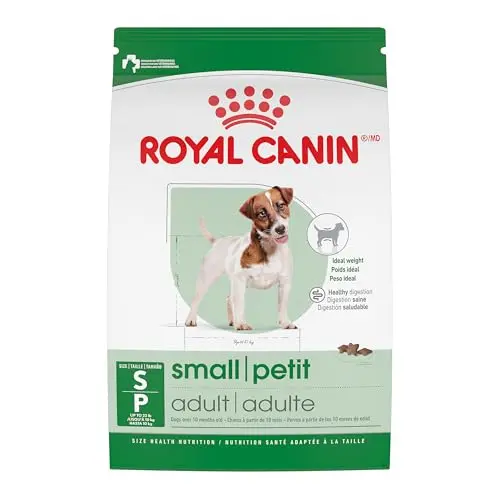
Size Health Nutrition Small Breed – Tailored Nutrition for Tiny Dogs
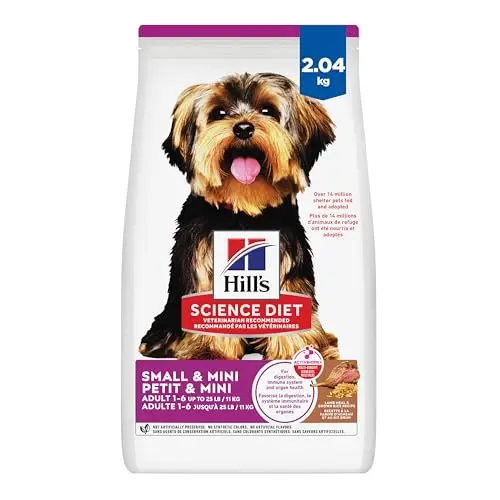
Science Diet Small & Mini Lamb Meal & Brown Rice – Sensitive Stomach Formula
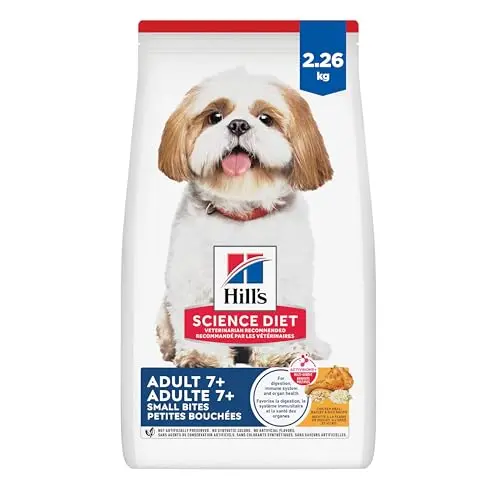
Science Diet Senior 7+ Small Bites – Age-Defying Nutrition
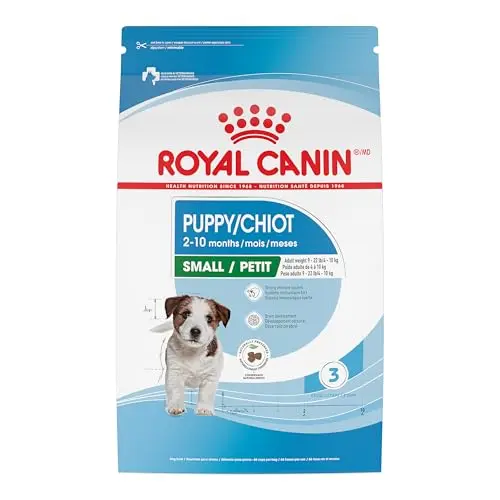
Size Health Nutrition Small Puppy – Brain & Immune Support
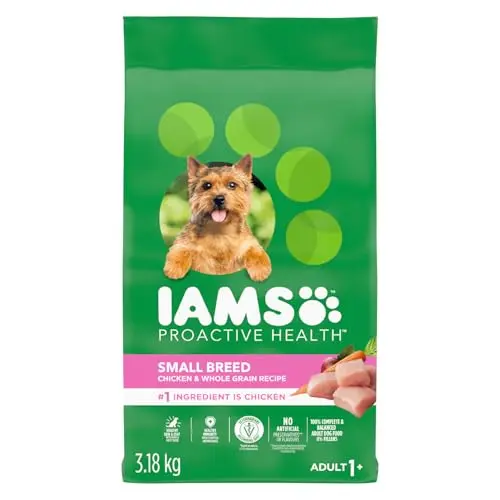
Proactive Health Small Breed Chicken & Whole Grain – Value Nutrition
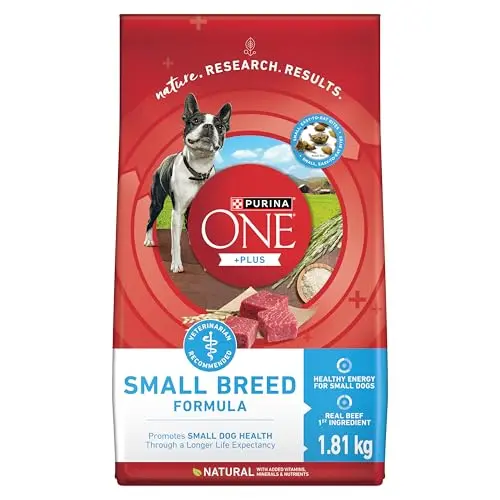
+Plus Small Breed Beef – Real Beef First
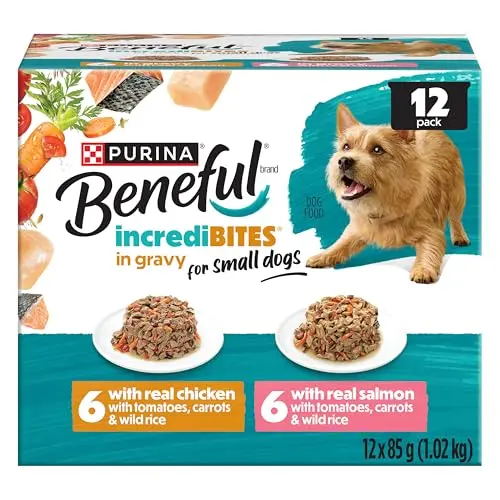
Incredibites Wet Food Variety Pack – Gravy-Laden Meal Topper
How We Evaluated These Dog Foods for Tiny Dogs
We didn’t run long-term feeding trials or laboratory digestibility tests. What we did: cross-referenced 7 dog foods for tiny dogs from 5 distinct brands across 6 decision axes – kibble size, ingredient quality, digestive support, life stage specificity, palatability signals, and value. We triangulated published specifications, aggregated owner feedback where available, and use-case fit against the unique needs of tiny breeds.
The scoring framework weighted real-world performance (60%) – how well each food meets the demands of miniature jaws and fast metabolisms – against feature differentiation (40%) – unique formulations and small-breed-specific design. Our recommendations track fit and differentiation, not brand preference. If you’re feeding a typical tiny adult, the Royal Canin Size Health Nutrition Small Breed is your match; if your dog has a sensitive stomach, the Hill’s Science Diet Small & Mini serves you better.
How to Choose the Right Dog Food for Tiny Dogs
What to Look for in Dog Food for Tiny Dogs
When shopping for tiny dog food, the first thing to check is kibble size. Pieces that are too large or dense can be difficult for small mouths to pick up and chew, leading to frustration and inadequate nutrient intake. Look for formulas labelled ‘small breed’ or ‘mini’ – they feature physically smaller, often softer, pellets. Next, scrutinise the ingredient list. Real, named meat (like chicken, lamb, or salmon) should be the first ingredient, followed by wholesome grains or vegetables. Avoid foods heavy on fillers like corn, wheat, or soy, which offer little nutritional value and can trigger allergies.
Finally, consider any breed-specific sensitivities. Many tiny breeds are prone to dental issues, luxating patellas, and hypoglycaemia, so a diet that supports joint health and provides steady energy through high-quality protein and complex carbs is essential. If your dog has known allergies or a sensitive stomach, lean toward limited-ingredient or easily digestible recipes, such as those featuring lamb and pumpkin.
Kibble Size: Why It Matters for Tiny Dogs
For a toy breed, the physical dimensions of their food can be a deal-breaker. Kibble that’s too large can cause choking hazards or simply get ignored. The best foods for tiny dogs have kibble pieces under 0.5 cm in diameter, designed to be easily grasped and crushed. Brands like Royal Canin and Hill’s Science Diet engineer their small-breed kibble to be not only smaller but also textured for easier chewing. If you’re switching from a regular adult food to a small-breed formula, you’ll likely notice your dog eating more comfortably and finishing meals faster.
Digestive Health Considerations for Small Breeds
Tiny dogs often have sensitive digestive systems. They can be prone to acid reflux, pancreatitis, and inconsistent stool quality. Look for ingredients known to be easy on the stomach: pumpkin is a natural source of fibre that firms up stool; prebiotics like chicory root or fructooligosaccharides foster beneficial gut bacteria; and lamb is frequently tolerated better than chicken for allergy-prone pets. The Hill’s Science Diet Small & Mini, with its lamb meal and pumpkin, is a prime example-in fact, if digestive upsets are your main concern, the Science Diet Small & Mini is the targeted pick.
Wet vs. Dry Food: Which Is Better for Tiny Dogs?
Both formats have their place. Dry kibble is convenient, cost-effective, and can help reduce plaque through the mechanical action of chewing-important for breeds predisposed to dental issues. However, tiny dogs with missing teeth or very small jaws might find wet food easier to eat. Wet food also adds much-needed hydration, which can be a boon for dogs that don’t drink enough water. Many owners find the best strategy is a mixed approach: a high-quality dry food as the base, supplemented with a wet topper like Beneful Incredibites to boost palatability and water intake.
Life Stage Nutrition: Puppy, Adult, and Senior Tiny Dogs
Tiny puppies grow rapidly and need calorie-dense, nutrient-packed meals to support brain and immune development. Look for puppy-specific formulas with DHA, like the Royal Canin Small Puppy. As they mature, adult small breeds maintain energy with a balance of protein and fat while controlling calories to prevent obesity-a common issue. For seniors, the focus shifts to easily digestible proteins, joint-supporting nutrients, and controlled phosphorus levels for kidney health. The Hill’s Science Diet Senior 7+ Small Bites is a leading choice there, delivering senior-specific perks in tiny, tender kibble.
Budget-Friendly vs. Premium Options: What You Get
Price doesn’t always correlate with quality, but there are real differences. Premium brands like Royal Canin and Hill’s invest heavily in formulation and breed-specific research, which shows in their ingredient synergy and digestive outcomes. Budget-friendly lines like IAMS and Purina ONE still provide complete nutrition without fillers or artificial additives-they just might not have the same level of micronutrient refinement. If you’re on a tighter budget, the Purina ONE +Plus Small Breed is a standout that puts real meat first without breaking the bank.
Frequently Asked Questions
What's the difference between Royal Canin Small Breed and Hill's Science Diet Small & Mini?
Both are top-tier dry foods pitched at tiny dogs, but they differ in philosophy. Royal Canin uses a breed-specific approach, engineering its kibble shape for miniature jaws and relying on L-carnitine for weight management and a precise nutrient profile for skin and coat. It’s highly palatable and works especially well for generally healthy adults. Hill’s Science Diet Small & Mini, on the other hand, leans heavily into digestive health, using ingredients like pumpkin and flaxseed and a lamb-based protein that’s gentler on sensitive stomachs. If your tiny dog has no digestive issues, the Royal Canin is a fantastic all-rounder; if stomach upsets are common, the Hill’s is the safer bet.
Is wet food better for tiny dogs than dry food?
How do I transition my tiny dog to a new food?
Can I feed my tiny dog adult food if they are a puppy?
Final Verdict
For the typical tiny dog, the Royal Canin Size Health Nutrition Small Breed is our top recommendation-it nails the balance of tailored kibble design, digestive support, and palatability that keeps small dogs thriving. However, if your pup struggles with a sensitive stomach, the Hill’s Science Diet Small & Mini is a gentler, vet-backed alternative. Budget-conscious owners will find the Purina ONE +Plus Small Breed delivers real beef first without costing a fortune, and for tiny seniors, the Hill’s Science Diet Senior 7+ Small Bites is purpose-built for their changing needs. Whichever you choose, your tiny companion will benefit from food designed with their unique physiology in mind.