
Finding the right food for a small adult dog can feel like a puzzle. Their tiny mouths, fast metabolisms, and sometimes picky palates mean a standard kibble just doesn’t cut it. You need something that packs a nutritional punch in a pint-sized package – and those little jaws deserve a kibble they can actually chew.
We cross-shopped the market to identify the best adult dog foods for small breeds, zeroing in on formulas that balance high-quality protein with digestible carbs, while paying close attention to kibble size and shape. Whether you’re worried about maintaining a healthy weight, soothing a sensitive stomach, or simply pleasing a finicky eater, this guide will help you pick a food that fits your small dog’s unique needs.
Best Adult Dog Food for Small Dogs – 2026 Reviews
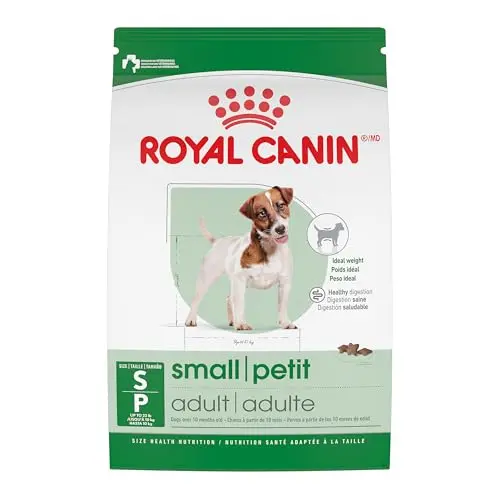
Small Breed Adult Dry Dog Food – Weight Maintenance & Skin Support
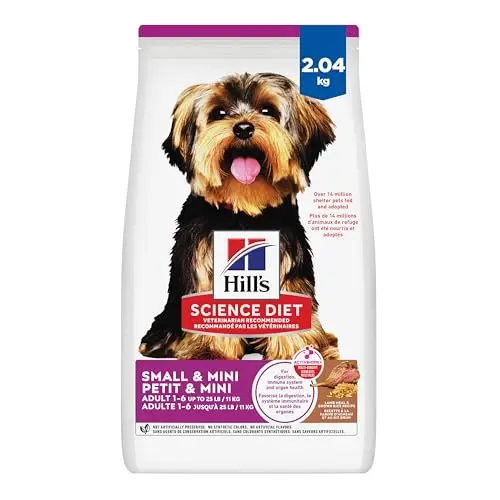
Small & Mini Lamb Meal & Brown Rice – Digestive Health with Pumpkin
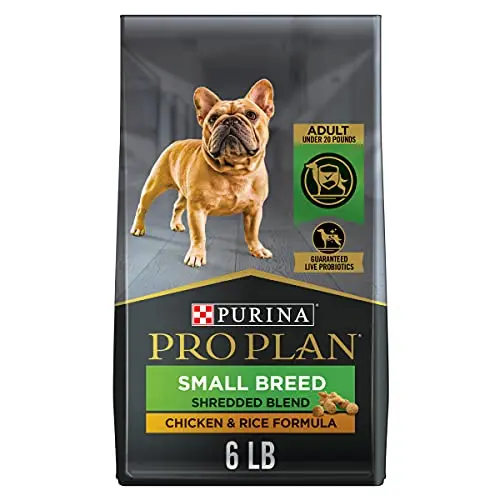
Savor Shredded Blend Small Breed Chicken & Rice – Texture & Probiotic Support
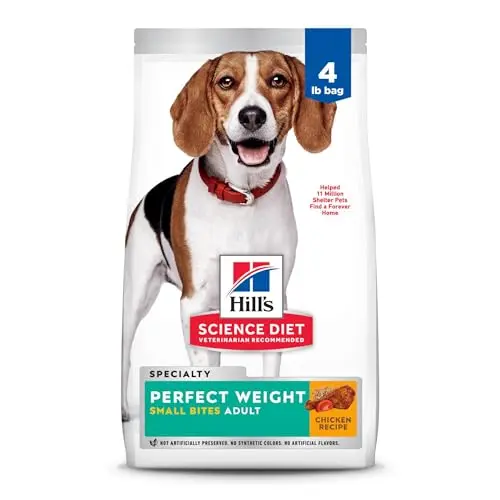
Perfect Weight Small Bites Chicken – Clinically Proven Weight Management
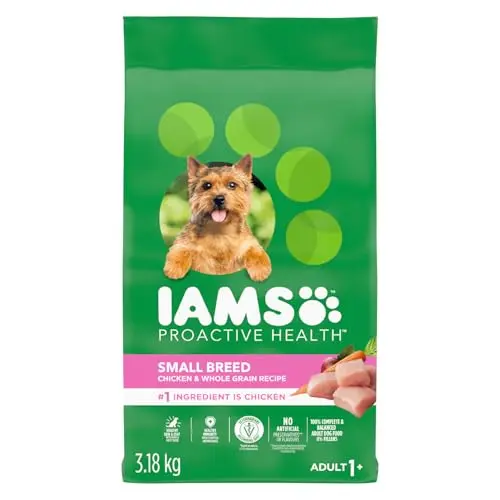
Small Breed Chicken & Whole Grain – Value & Digestive Health
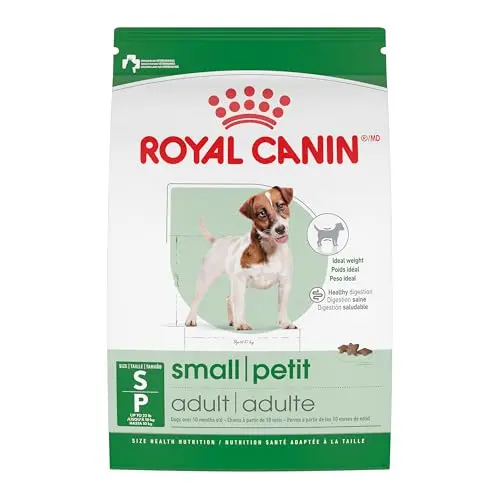
Small Breed Adult Dry Dog Food – Strong Bones & Digestive Health
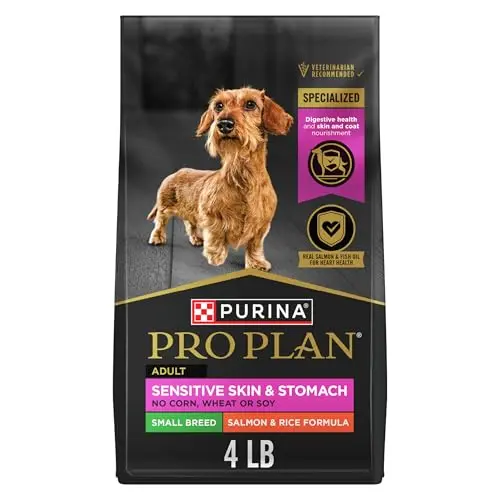
Sensitive Skin & Stomach Small Breed Salmon – Gentle on Digestion
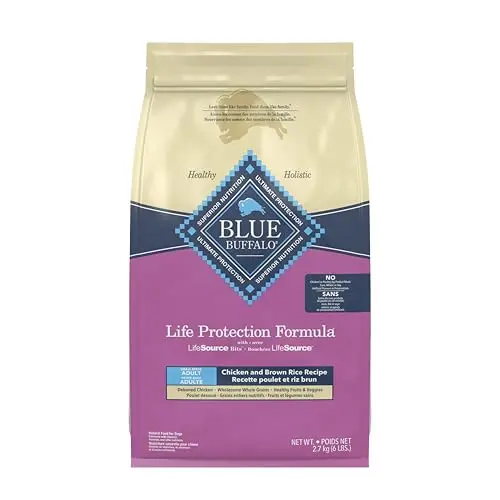
Life Protection Small Breed Chicken & Brown Rice – Immunity & Skin Support
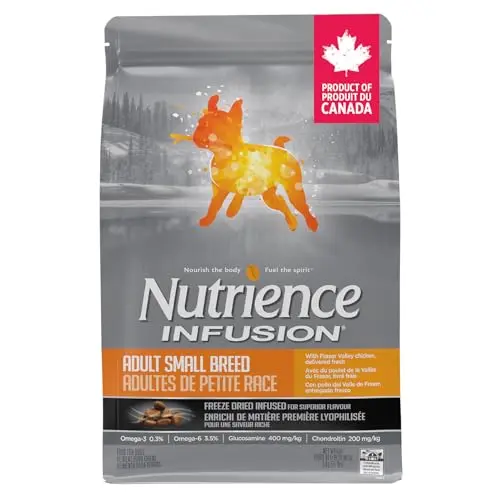
Infusion Small Breed Chicken – Freeze-Dried Infused for Palatability
How We Evaluated These Adult Dog Food for Small Dogs
We didn’t run lab feeding trials or long-term palatability studies. What we did: cross-referenced 9 small-breed adult dog foods from 6 distinct brands across 5 decision axes – nutritional density, kibble size, digestive health support, ingredient quality, and special functional benefits like probiotics or omega fatty acids. We triangulated published nutritional analyses, aggregated owner experiences where available, and use-case fit against the specific demands of small adult dogs.
The scoring framework weighted real-world performance (60%) – how well each formula delivers on its stated use case for small breed adults – against feature differentiation (40%) – unique technical advantages like LiveSource Bits, freeze-dried infusion, or clinically proven weight loss. We have no commercial relationship with any of the brands featured; recommendations track fit and differentiation, not brand preference. If you’re looking for a well-rounded, vet-endorsed daily diet, the Royal Canin Small Breed Adult is your match; if digestive health is the priority, the Hill’s Science Diet Small & Mini serves you better.
How to Choose the Right Adult Dog Food for Small Dogs
Why Adult Dogs Need a Specialized Diet
Once a dog hits adulthood (around 10-12 months for small breeds), their nutritional requirements shift. They no longer need the high growth calories of puppyhood, but they still need a diet that supports lean muscle maintenance, joint health, and metabolic efficiency. Small breeds are prone to obesity as they age, so calorie density and portion control become critical. Look for foods formulated specifically for adult maintenance, not all-life-stages, unless you’ve confirmed the calorie content with your vet. A good adult formula will often include ingredients like L-carnitine to aid metabolism and maintain a healthy weight.
Kibble Size and Shape for Small Mouths
Small dogs have smaller jaws and can struggle with large or hard kibble. The right kibble size and texture not only makes eating easier but can also promote dental health by encouraging chewing. Brands like Royal Canin and IAMS intentionally design small, uniquely shaped pieces that are easier to pick up and crunch. Avoid foods where the kibble is uniform and large; instead, look for terms like ‘small bites’ or ‘mini kibble’. Some foods, like Purina Pro Plan Savor, add shredded pieces for texture variety, which can help entice picky eaters.
Calorie Density and Portion Control
Small breed dogs have faster metabolisms but smaller stomachs, so they need calorically dense food in smaller volumes. That said, it’s very easy to overfeed them, leading to weight gain. Check the feeding guidelines on the bag, but always adjust based on your dog’s activity level and body condition. Foods with higher protein and fat can be more satiating, reducing begging. If your small adult is already overweight, consider a weight management formula like Hill’s Perfect Weight, which uses lower calorie density and added fibre to keep your dog full without excess calories.
Digestive Health and Common Sensitivities
Small dogs are often sensitive to dietary changes and can suffer from loose stools or vomiting. Choosing a food with digestible ingredients, like lamb, oatmeal, or rice, can make a difference. Many top picks include prebiotic fibres (such as beet pulp or pumpkin) and probiotics to support a healthy gut. If your dog has known food allergies or a sensitive stomach, a limited ingredient diet with a novel protein like salmon (as in Purina Pro Plan Sensitive Skin & Stomach) can help. Always transition to a new food slowly over 7-10 days to give the digestive system time to adapt.
Comparing Top Brands: What to Look For
When you stack up the big names – Royal Canin, Hill’s, Purina – you’ll see they each take a slightly different approach. Royal Canin focuses on breed-specific precision, with kibble engineered for jaw structure. Hill’s Science Diet leans heavily on vet-endorsed clinical research, especially for weight and digestive health. Purina Pro Plan offers variety in texture and often leads with live probiotics. If you’re torn, consider what your dog values most: if they’re a picky eater, Nutrience’s freeze-dried infusion might be the edge you need. For budget-minded consistency, IAMS covers the basics well.
Budget vs. Premium: When to Spend More
Premium foods like Royal Canin or Hill’s can stretch your wallet, but they often bring targeted solutions – for example, specific kibble designs, unique protein sources, or clinically proven results. Mid-range and budget options like IAMS still offer complete nutrition and can be perfectly adequate for many small adult dogs. Spending more is worthwhile if your dog has a specific health concern (e.g., weight control, allergies) that a budget food doesn’t address. However, don’t assume a higher price tag always means better quality; read the ingredient list and look for a formula that aligns with your dog’s individual needs.
Frequently Asked Questions
How does Royal Canin Small Breed compare to Hill's Science Diet Small & Mini?
Both are top-tier brands, but they focus on different strengths. Royal Canin prioritizes kibble design tailored to small jaw mechanics and includes L-carnitine for weight maintenance, while Hill’s uses high-quality lamb meal and pumpkin for enhanced digestibility. Royal Canin tends to emphasize skin and coat health, whereas Hill’s leans into digestive support. If your dog has a very small mouth or tends to be picky, Royal Canin’s specialized shape may win; if stool quality or stomach sensitivity is the issue, Hill’s is often the better bet.
Is grain-free dog food better for small dogs?
Not necessarily. While some small dogs thrive on grain-free diets, many do just fine with wholesome grains like brown rice or oatmeal, which provide energy and fibre. The FDA has investigated potential links between grain-free diets and canine dilated cardiomyopathy (DCM), though the connection is still being studied. Unless your small dog has a diagnosed grain allergy, a grain-inclusive formula from a reputable brand like IAMS or Royal Canin is nutritionally sound. Focus more on the quality of ingredients and whether the overall formula suits your dog’s specific needs.
What should I look for in a food for an adult small breed with a sensitive stomach?
Choose a food that emphasizes limited ingredients and digestible proteins, like salmon or lamb. Look for added prebiotic fibres (pumpkin, beet pulp) and probiotics to stabilize gut flora. Avoid recipes with common triggers like corn, wheat, or soy if your dog has shown sensitivities. The Purina Pro Plan Sensitive Skin & Stomach is purpose-built for this, using salmon as a novel protein and oatmeal for gentleness. Always transition slowly, and consider a veterinary diet if symptoms persist, as chronic issues may require a prescription formula.
Can I feed my small dog regular adult dog food?
You can, but it’s not ideal. Standard adult dog foods often have larger kibble sizes that are too big for small mouths, leading to choking hazards or picky eating. They may also have lower calorie density, meaning your small dog would need to eat a larger volume to get the same energy – tough to do with a tiny stomach. Small breed formulas are concentrated with higher fat and nutrient density to match their fast metabolisms. So while regular adult food isn’t harmful, a small breed-specific formula is designed to optimize their health.
What's the difference between Purina Pro Plan Savor and Purina Pro Plan Sensitive Skin & Stomach?
The main difference is the protein source and target benefits. Savor uses chicken and features a shredded texture for picky eaters, plus probiotics for general digestive health. Sensitive Skin & Stomach swaps in salmon as the first ingredient and includes oatmeal and sunflower oil specifically to soothe skin irritation and calm upset stomachs. If your small adult dog just needs a flavourful meal with digestive support, go Savor. If they show signs of allergies or chronic itching, the Sensitive formula is the more therapeutic pick.
Final Verdict
For the vast majority of small adult dogs, the Royal Canin Small Breed Adult delivers everything you need in one bag – tailored nutrition, weight support, and a kibble that actually fits their mouths. If budget is top of mind, the IAMS Small Breed covers the essentials at a gentler price. For dogs struggling with extra pounds, the Hill’s Perfect Weight is our targeted pick. And if your pup turns up its nose at standard fare, the Nutrience Infusion might just win them over with its freeze-dried kick. Whichever you choose, you’re making a solid move for your companion’s health.