
Standing in the pet food aisle, staring at rows of bags promising everything from shiny coats to perfect poop, it’s easy to feel paralysed by choice. The truth is, most dogs need a well-rounded diet that covers the basics-quality protein, balanced nutrients, and easy digestion-without overcomplicating things. That’s the sweet spot we’re after: an all-around dog food that works for your average, healthy adult dog.
We surveyed the options across major brands, weighing ingredients, nutritional balance, and real-world digestibility to find the ones that deliver complete, everyday nutrition. Whether your dog is a picky eater or a garbage disposal, our 2026 reviews will help you cut through the noise and pick the right bag.
Best All Around Dog Foods – 2026 Reviews
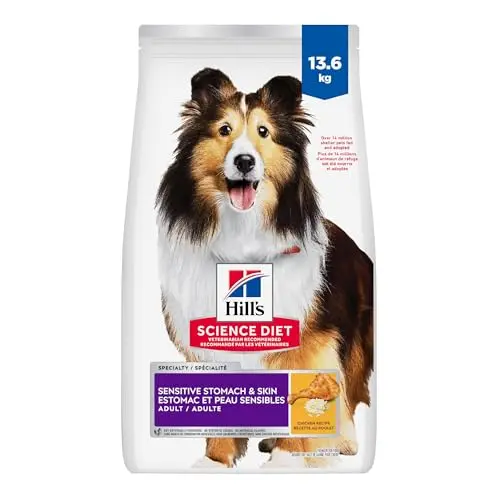
Adult Sensitive Stomach & Skin – Gentle on Digestion, Rich in Omega-6s
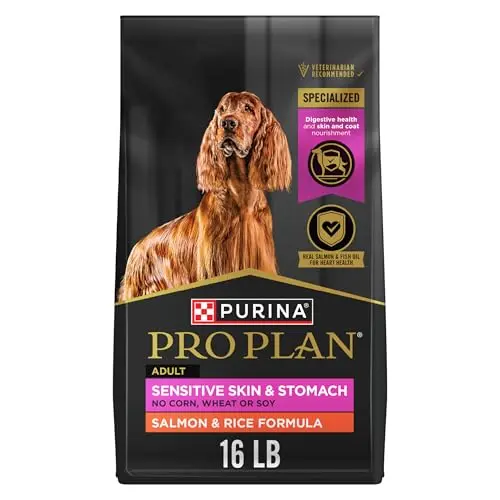
Sensitive Skin & Stomach Salmon & Rice – Omega-Rich, Easily Digestible
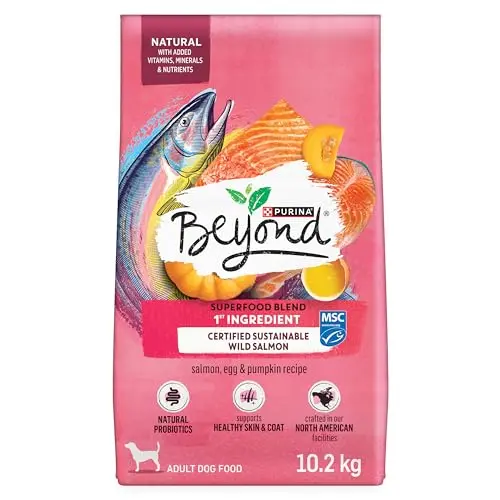
Superfood Blend Salmon, Egg & Pumpkin – Natural Superfood Nutrition
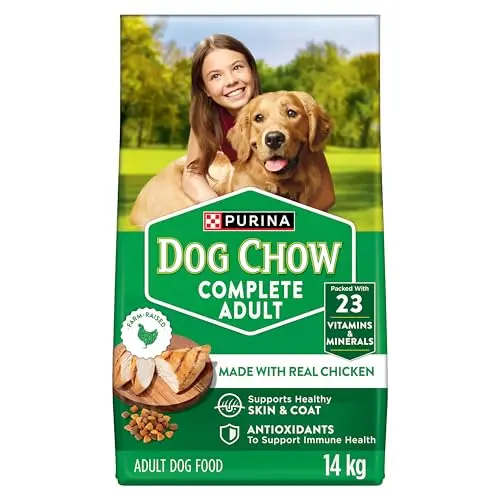
Complete Chicken – Everyday Balanced Nutrition at a Good Price
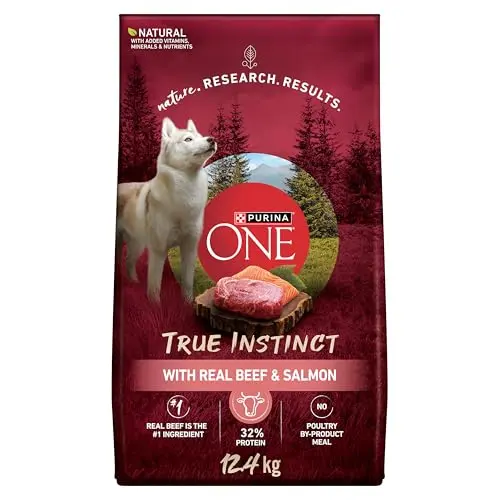
True Instinct Beef & Salmon – High Protein for Active Dogs
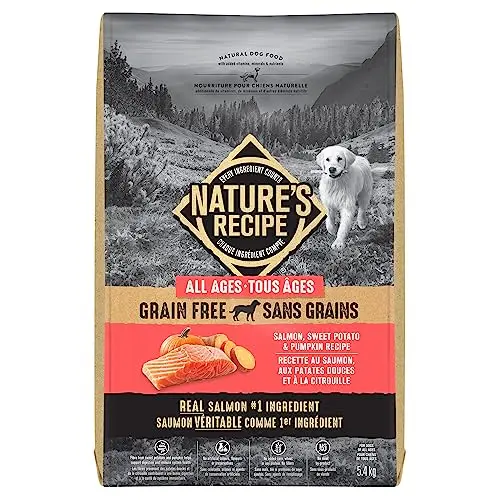
Grain Free Salmon, Sweet Potato & Pumpkin – Omega-Rich for Skin & Coat
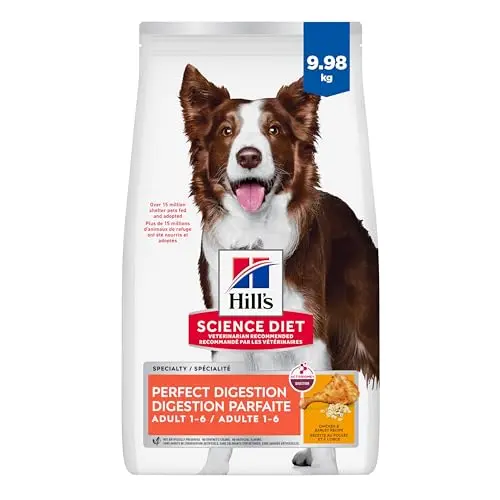
Perfect Digestion Chicken, Brown Rice & Oats – ActivBiome+ for Stool Quality
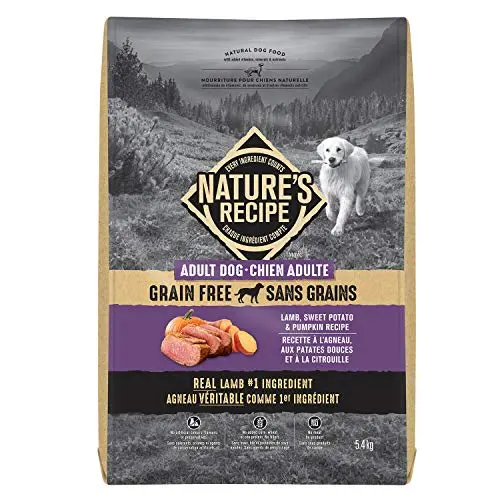
Grain Free Lamb, Sweet Potato & Pumpkin – Limited Ingredient Diet
How We Evaluated These All Around Dog Foods
We didn’t run controlled feeding trials in a kennel. What we did: cross-referenced 8 all-around dog foods from 6 distinct brands across five decision axes-ingredient quality, protein source, digestibility, skin and coat support, and overall nutritional completeness. We triangulated published specifications, ingredient panels, and owner feedback where available to gauge real-world performance.
The scoring framework weighted real-world results (60%)-how consistently these foods deliver on digestion, stool quality, and coat condition-against feature differentiation (40%)-unique blends like ActivBiome+, specific omega ratios, and novel proteins. We have no commercial relationship with any brand featured; recommendations track fit and differentiation, not brand preference. If you’re after a vet-trusted daily driver, the Hill’s Science Diet Sensitive Stomach & Skin is our top pick; if budget is the priority, Dog Chow Complete does the job admirably.
We mapped protein sources against common canine dietary needs, audited fibre and prebiotic claims, and benchmarked additive-free promises against published nutritional adequacy statements. The result? A lineup that spans price points and dietary philosophies, all anchored by the principle that a good all-around food should keep your dog healthy without overcomplicating meal time.
How to Choose the Right All Around Dog Food
What Makes a Dog Food 'All Around'?
An all-around dog food should cover the nutritional bases without leaning too hard into a fad. Look for a named animal protein as the first ingredient-chicken, beef, salmon, lamb-not a vague “meat meal.” The formula should be complete and balanced per AAFCO standards, with a mix of protein, fats, carbohydrates, vitamins, and minerals. Avoid fillers like corn gluten meal if your dog has sensitivities, but remember that grains can be a healthy energy source for many pooches.
Protein and Fat: What's the Right Balance?
Adult dogs generally thrive on 18-25% protein and 8-15% fat, though active dogs may benefit from higher protein. The source matters: a single animal protein can be easier on stomachs, while blended proteins (beef and salmon) offer a broader amino acid profile. For dogs with skin issues, omega fatty acids from salmon or sunflower oil can make a visible difference in coat shine.
Digestibility: The Gut Check
If your dog’s stool is consistently loose or rock-hard, the food may not agree. Prebiotic fibres (like beet pulp or pumpkin) and easily digestible carbs (rice, oatmeal) support gut health. Products like Hill’s Perfect Digestion and Pro Plan Sensitive Stomach specifically target this, but even an all-around food should have some digestive-friendly ingredients.
Grain-Free vs. Grain-Inclusive: Should You Go Grainless?
Grain-free has been a massive trend, but it’s not necessary for every dog. Unless your dog has a confirmed grain allergy, you’re probably fine with grains like brown rice or oatmeal. In fact, recent FDA investigations into canine DCM have made some owners cautious. If you do choose grain-free, products like Nature’s Recipe Salmon use sweet potato and pumpkin as carb sources, but weigh the decision with your vet.
Hill's Sensitive Stomach vs. Pro Plan Salmon: Which for Your Dog?
These two top the sensitive category. Hill’s uses chicken and a prebiotic fibre called beet pulp, with a focus on veterinarian endorsement. Pro Plan goes with salmon and oatmeal, adding omega-3s for joint health. If your dog has chicken sensitivities, Pro Plan is the obvious choice; if you want the vet-preferred standard, Hill’s takes it. Both have strong owner-reported results on digestibility.
Don't Overpay for Marketing Buzzwords
Terms like “holistic,” “ancestral,” or “superfood” don’t have regulated definitions. Focus instead on the ingredient list order and the nutritional adequacy statement. An affordable bag of Dog Chow Complete may outperform a premium “hypoallergenic” blend if your dog doesn’t actually have allergies. Our budget pick, Dog Chow Complete, proves that solid nutrition doesn’t need a luxury price tag.
Frequently Asked Questions
What's the difference between Hill's Sensitive Stomach & Skin and Pro Plan Sensitive Skin & Stomach?
Both target hindgut and skin health, but Hill’s uses chicken and beet pulp fibre while Pro Plan opts for salmon and oatmeal. Hill’s leans on its vet-recommended status and prebiotic fibre, whereas Pro Plan adds omega-3s from fish oil for joint support. If your dog has a chicken sensitivity, Pro Plan is the clear pick; if you want the brand most often fed by vets themselves, Hill’s edges it. Both have anti-allergy pedigrees-choosing often comes down to protein preference and price point.
Can grain-free dog food cause heart issues? What about Nature's Recipe?
The FDA has investigated a potential link between grain-free diets and dilated cardiomyopathy (DCM), though the science isn’t settled. Grain-free foods often replace grains with legumes or potatoes, which may affect taurine absorption. If you choose grain-free, opt for brands that don’t rely heavily on peas or lentils and include taurine supplementation. Nature’s Recipe Salmon uses sweet potato and pumpkin, which are lower-risk carb sources. Always consult your vet, especially for at-risk breeds.
How do I transition my dog to a new all-around food?
Switch gradually over 7-10 days: mix 25% new food with 75% old for two days, then 50/50, then 75/25, before going full new. This prevents digestive upset. For sensitive dogs, extend the transition to two weeks. Adding a probiotic supplement can help. If you start an ultra-digestible formula like Hill’s Perfect Digestion, you might see stool improvements within the first week.
Final Verdict
For most adult dogs, Hill’s Science Diet Sensitive Stomach & Skin is the all-around champ-it balances digestibility, skin support, and vet trust without overcomplicating the bowl. If you’re on a tighter budget, Dog Chow Complete covers the essentials for a fraction of the cost. Dogs with pronounced sensitivities should steer toward Pro Plan Sensitive Skin & Stomach, and the grain-free crowd gets a solid option in Nature’s Recipe Salmon. Feed well, and don’t overthink it-your dog will thank you.