
When dinnertime rolls around and your pup’s tail is wagging expectantly, you want to know the meal in their bowl covers all the nutritional bases. A balanced dog food isn’t just about filling their belly-it’s about delivering the right mix of proteins, fats, carbohydrates, vitamins, and minerals in proportions that support whole-body health day after day. With so many bags promising ‘complete and balanced’, it’s easy to feel overwhelmed by the choices.
That’s where we come in. We surveyed 10 of the most popular adult formulas from 8 leading brands, zeroing in on what separates a solid everyday kibble from a truly standout one. Whether your dog has a sensitive stomach, needs weight control, or just deserves the best nutrition for the money, this roundup breaks down protein quality, digestive support, and those extra nutritional touches that make a real difference.
Best Balanced Dog Foods – 2026 Reviews
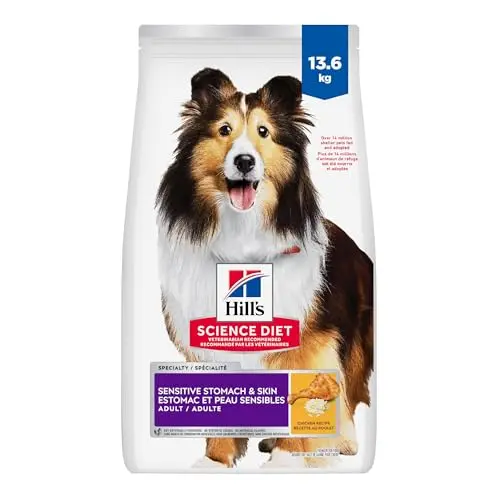
Sensitive Stomach & Skin Chicken Recipe – Gentle Digestion Support
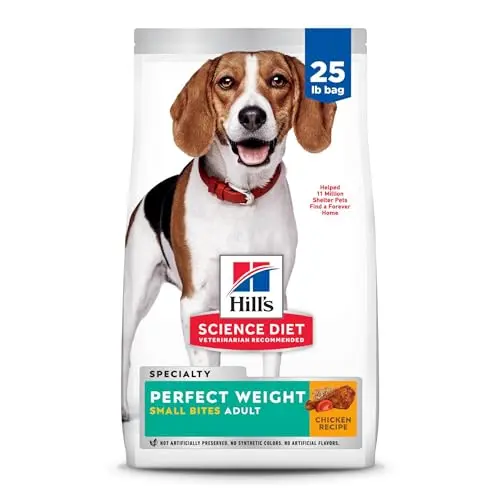
Perfect Weight Small Bites Chicken Recipe – Clinically Proven Weight Control
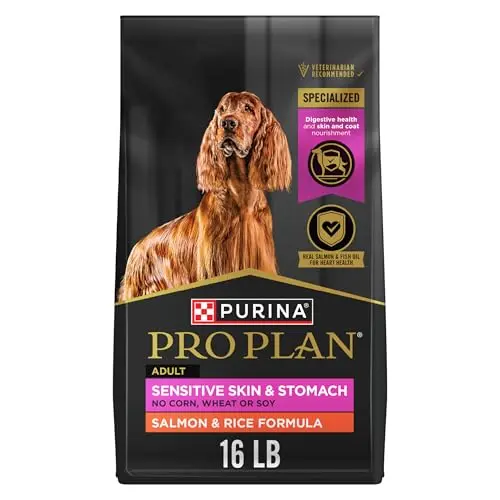
Sensitive Skin & Stomach Salmon & Rice – Omega-Rich Coat Care
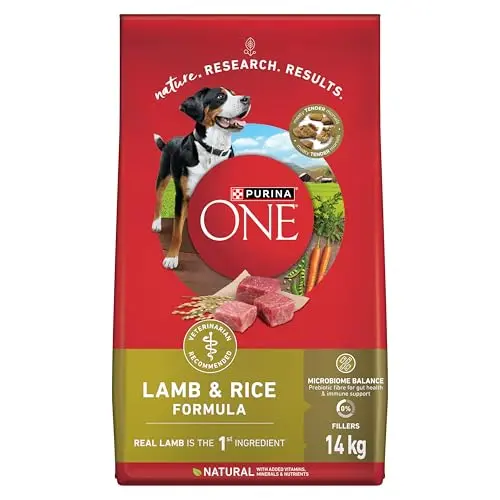
Microbiome Balance Lamb & Rice – Prebiotic Digestive Health
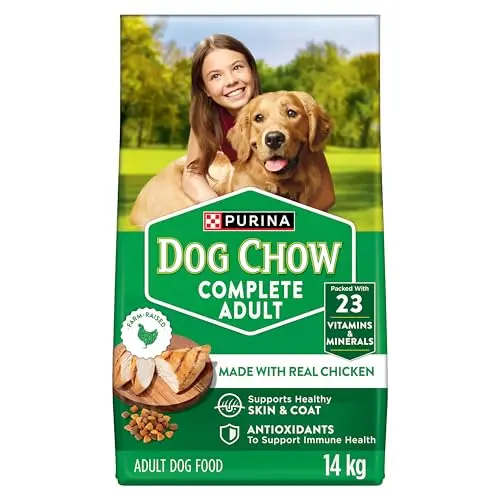
Complete Adult Chicken – Simple Everyday Nutrition

Superfood Blend Salmon, Egg & Pumpkin – Limited Ingredient Diet
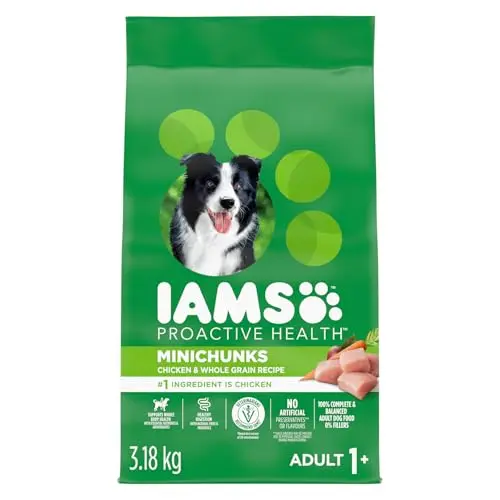
Minichunks Chicken & Whole Grain – Dental & Digestive Care
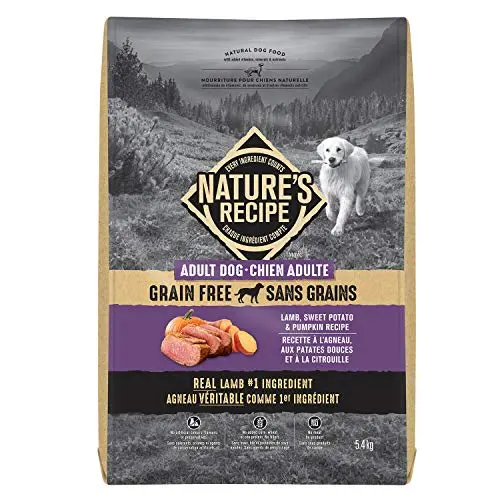
Grain Free Lamb, Sweet Potato & Pumpkin – Joint & Skin Support
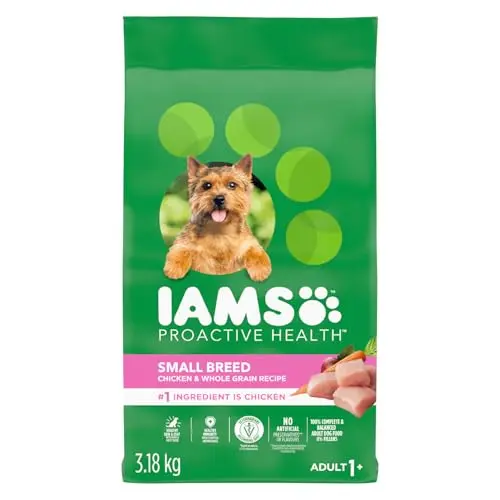
Small Breed Chicken & Whole Grain – Tailored Kibble for Little Dogs
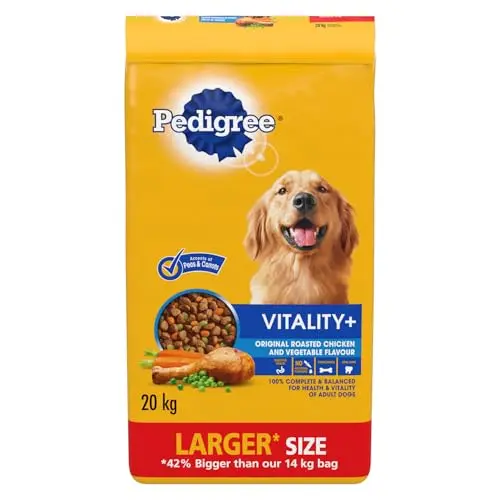
Vitality+ Roasted Chicken & Vegetable – Affordable Everyday Meal
How We Evaluated These Balanced Dog Foods
We didn’t run controlled feeding trials in our own kitchen. What we did: cross-referenced 10 balanced dog food models from 8 distinct brands across 6 key decision axes – protein quality, digestive health support, skin and coat benefits, added functional ingredients (like prebiotics or omega fatty acids), ingredient transparency, and owner satisfaction signals where available. We triangulated published nutritional data, ingredient lists, and real‑world feedback to map how each formula performs against the real needs of everyday dogs.
The scoring framework weighted real‑world fit and performance (60%) – how well a food actually supports a dog’s digestion, skin, weight, and vitality – against feature differentiation (40%) – unique formulation touches that set a product apart. We have no commercial relationship with any of the brands featured; recommendations track what delivers and for whom. If your dog struggles with a sensitive stomach, the Hill’s Science Diet Sensitive Stomach & Skin is the one you’ll want; if weight is the concern, the Hill’s Science Diet Perfect Weight is purpose‑built for it.
How to Choose the Right Balanced Dog Food
What Makes a Dog Food 'Balanced'?
A ‘complete and balanced’ label means the food meets minimum nutritional standards set by organisations like AAFCO, but not all balanced foods are created equal. True balance comes from a thoughtful ratio of animal‑based protein, healthy fats, digestible carbohydrates, fibre, vitamins, and minerals. Look for a named protein source first (chicken, lamb, salmon) rather than generic ‘meat meal’. Whole grains like brown rice or oatmeal often provide steadier energy and better digestion than refined flours. The best foods also include prebiotic fibre to nourish gut bacteria and omega fatty acids for skin and coat – these aren’t just bonuses, they’re part of what keeps a dog thriving day to day.
Protein Sources: Chicken, Lamb, or Salmon?
The protein foundation shapes everything from muscle maintenance to palatability. Chicken is the most common and generally well‑tolerated, but some dogs develop sensitivities over time. Lamb offers a slightly richer profile and can be a great rotation protein. Salmon brings omega‑3 fatty acids to the bowl, which directly support skin, coat, and joint health – a huge advantage for allergy‑prone or older dogs. The key is choosing a food where the named meat is the first ingredient and appears in a form your dog actually enjoys. If you’re not sure, starting with chicken then experimenting with lamb or salmon later is a safe path.
The Role of Prebiotics, Probiotics, and Fibre
Digestive health is the unsung hero of dog nutrition. Prebiotic fibres like beet pulp, chicory root, or oat fibre feed the good bacteria in the gut, improving stool quality and nutrient absorption. Some formulas, like Purina ONE Microbiome Balance, explicitly target the gut microbiome with a blend of prebiotics. Probiotics are less common in dry food because they can degrade during processing, but dried fermentation products sometimes appear. A healthy fibre blend also helps dogs feel full, which is crucial for weight management formulas like Hill’s Perfect Weight. If your dog has occasional loose stool or gas, a food with extra prebiotic support can make a noticeable difference.
Tailoring Food to Your Dog's Needs: Weight Control, Sensitivities, and More
Most adult dogs thrive on a standard balanced formula, but special diets exist for a reason. Weight management foods like Hill’s Science Diet Perfect Weight add L‑carnitine to support metabolism while reducing calorie density. For dogs with sensitive stomachs or itchy skin, Pro Plan Sensitive Skin & Stomach and Hill’s Sensitive Stomach & Skin use highly digestible ingredients and anti‑inflammatory nutrients. If your dog is simply a picky eater, flavour rotations or smaller kibble sizes (like IAMS Small Breed) can help. Match the formula to your dog’s most pressing health priority, not every possible health claim on the bag.
Ingredients to Look For (and Avoid)
A short, recognisable ingredient list is often a good sign. Prioritise whole meats, named fats (chicken fat, salmon oil), and quality carbohydrate sources like oatmeal or barley. Avoid artificial colours, flavours, and preservatives – they’re unnecessary and can trigger reactions in sensitive dogs. Foods that list ‘animal by‑product meal’ or vague ‘grain fractions’ are generally lower in quality. However, don’t fear all grains; whole corn and wheat are common allergens for some dogs, but many grains actually support gut health. If your dog has a confirmed grain allergy, grain‑free options like Beyond Superfood Blend or Nature’s Recipe Grain Free are worth a try, but these should be chosen intentionally, not by default.
Hill's vs. Purina vs. IAMS: Key Brand Differences
Three major players dominate the balanced dog food aisle, and each brings a distinct philosophy. Hill’s Science Diet invests heavily in clinical research and veterinary recommendations – their sensitive stomach and weight formulas are backed by feeding trials. Purina (including Pro Plan and Purina ONE) focuses on nutritional innovation, with products like the salmon‑based Sensitive Skin & Stomach or the microbiome‑balancing formulas. IAMS positions itself as a high‑value, practical choice, with breed‑specific kibbles and digestive aids at an accessible price. The best pick depends on your dog’s needs: go Hill’s for targeted solving, Purina for advanced functional nutrition, or IAMS for budget‑friendly reliability.
Spending Smart: What You Get at Different Price Tiers
Budget foods like Pedigree Vitality+ and Dog Chow Complete deliver complete nutrition at rock‑bottom cost, using more economical ingredients. Mid‑tier options (Purina ONE, IAMS) add prebiotics, better protein sources, and sometimes omega fatty acids. Premium foods (Hill’s, Pro Plan) layer on clinical research, novel proteins, and precise nutrient profiles. You don’t always need to buy the most expensive bag, but stepping up from the very cheapest often yields better coat condition, stool quality, and long‑term health. If your budget is tight, Dog Chow Complete is a perfectly respectable choice. For a little more, the digestive boost in Purina ONE Microbiome Balance can be worth the small premium.
Frequently Asked Questions
What's the difference between Hill's Science Diet Sensitive Stomach & Skin and Purina Pro Plan Sensitive Skin & Stomach?
Both are excellent for dogs with dual sensitivities, but they approach the problem differently. Hill’s relies on chicken as the protein and uses beet pulp prebiotic fibre plus omega‑6 fatty acids and vitamin E to calm the digestive tract and skin. Pro Plan uses salmon as the first ingredient and oatmeal as the carbohydrate, delivering a hefty dose of omega‑3s for stronger anti‑inflammatory effect. Pro Plan tends to have a more pronounced fishy aroma, which some dogs adore. Hill’s has deeper vet‑community credibility; Pro Plan often wins with owners of extremely itchy dogs. If your dog prefers chicken and you value clinical backing, go Hill’s. If skin issues dominate and your dog goes bonkers for fish, Pro Plan is the pick.
Is grain‑free dog food better for balanced nutrition?
Not necessarily. For most dogs, whole grains like oatmeal, brown rice, and barley provide valuable fibre and energy without digestive problems. The grain‑free trend surged due to concerns about grain allergies, but true grain allergies are rare in dogs. In some cases, grain‑free foods substitute grains with legumes or potatoes, which can lead to nutritional imbalances. If your dog has a confirmed grain allergy or sensitivity (diagnosed by a vet), choosing a grain‑free option like Beyond Superfood Blend or Nature’s Recipe Grain Free makes sense. Otherwise, a high‑quality grain‑inclusive food is often more balanced and cost‑effective.
How do I transition my dog to a new balanced food?
Switch gradually over about 7-10 days to avoid upset stomachs. Start with 75% old food and 25% new for the first two days, then 50/50 for two days, then 25% old food and 75% new for two days, before going fully to the new food. Watch for loose stool, vomiting, or refusal to eat – slow the transition if needed. This is especially important when moving to a food with higher protein or fibre, like Hill’s Science Diet Sensitive Stomach & Skin. The good news is most of these formulas are designed to be easy on the gut, so a careful switch usually goes smoothly.
What's the difference between IAMS Minichunks and IAMS Small Breed?
Both are chicken‑based, high‑protein dry foods with prebiotics, but the Small Breed formula is specifically calibrated for dogs under 20 lbs. The kibble size is even smaller than Minichunks, and the nutrient density is adjusted to match a small dog’s faster metabolism. If you have a toy or small breed, Small Breed is the better choice for jaw comfort and energy needs. For medium or large dogs, Minichunks offers similar nutritional value with a bit more flexibility. They share the same quality tier, so it’s purely about size and breed match.
How does Purina ONE's Microbiome Balance support gut health differently than regular prebiotics?
Many foods include a single prebiotic fibre source; Purina ONE goes a step further by formulating a specific blend of fibres (including oat fibre) aimed at feeding multiple types of beneficial gut bacteria. This broader approach can lead to a more diverse and resilient microbiome, which translates into better stool consistency, less gas, and improved immune function. While the effect is subtle day‑to‑day, over time owners often notice fewer digestive upsets compared to a standard chicken‑and‑rice formula. It’s a thoughtful feature at a mid‑tier price.
Final Verdict
For most adult dogs, the Hill’s Science Diet Sensitive Stomach & Skin checks every box: gentle digestion, skin‑soothing omega fatty acids, and a vet‑trusted track record. If your dog is carrying extra weight, the Hill’s Science Diet Perfect Weight is our targeted pick, while the Pro Plan Sensitive Skin & Stomach is the top choice for salmon‑loving dogs with stubborn skin issues. On a budget, Dog Chow Complete delivers honest, complete nutrition without compromise. Whichever you go with, the right balanced food will keep your pup thriving day in and day out.