
It’s a familiar scene: your favourite shoes gnawed, the couch corner frayed, or your pup obsessively licking a hot spot. Chewing is natural for dogs, but when it turns destructive, you need a safe, effective deterrent. Not all chew sprays are created equal, though. Some sting, stain, or simply lose their power after a few minutes. Others use harsh chemicals you’d rather keep off your pet and your home.
The best deterrents combine intense bitterness with pet-safe ingredients and long-lasting protection, giving you a reliable training ally. We scoured the market to find the standout options, weighing everything from ingredient transparency to real-world effectiveness. Whether you’re dealing with a teething puppy, a wound-licker, or a determined chewer, our guide will help you pick the right spray for your dog.
Best Chew Deterrents for Dogs – 2026 Reviews
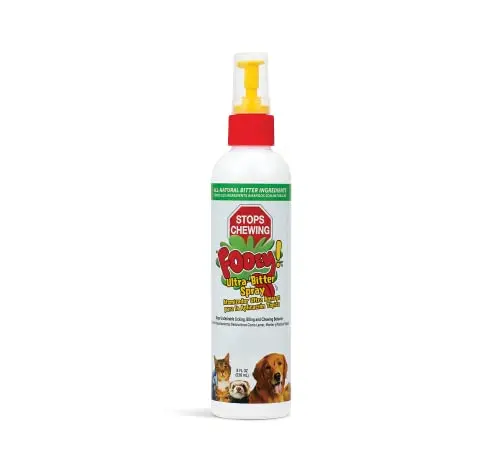
Ultra-Bitter Training Aid Spray – Most Intense Bitter Taste
Fooey!’s Ultra-Bitter Training Aid Spray claims the crown for sheer bitterness, using all-natural grapefruit skin extract and King of Bitters herb. It’s alcohol-, fragrance-, and dye-free, making it safe for direct skin contact and household surfaces alike. This 8 oz spray works indoors and out, and its neutral pH means it won’t damage furniture or fabrics.
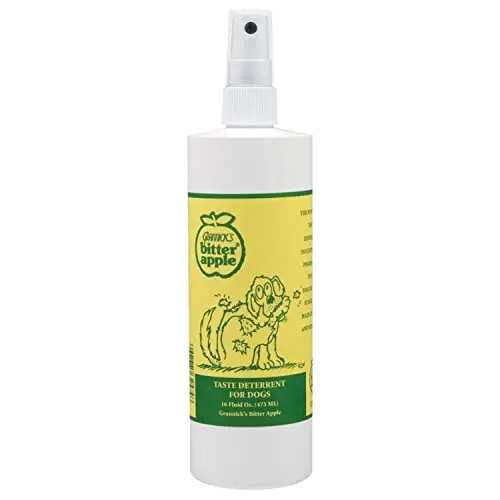
Bitter Apple Spray – Trusted Deterrent for Hot Spots
Grannick’s Bitter Apple is a longtime favourite among dog owners and vets. Its simple, non-toxic formula uses bitter principles and extracts to stop chewing, licking, and biting. The 16 oz bottle offers great value, and it’s particularly effective on hot spots, wounds, and bandages.
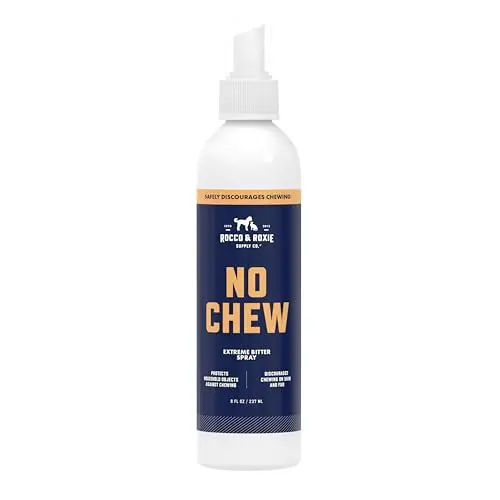
No Chew Extreme Bitter Spray – Calming Copaiba Care
Rocco & Roxie’s No Chew Extreme combines double-strength bitterness with soothing copaiba oil, making it a dual-action deterrent. The alcohol-free formula is safe for direct skin contact and has a long-lasting barrier that deters chewing for hours.
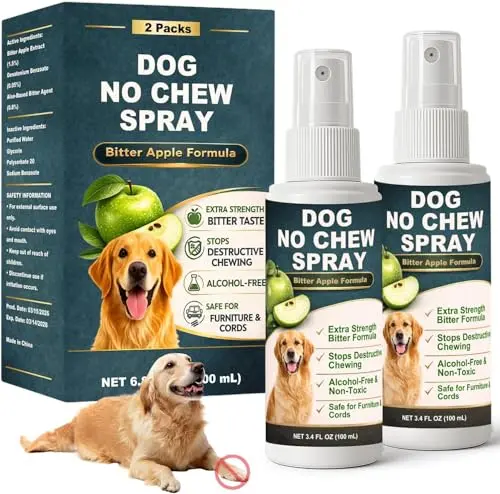
Bitter Apple Spray 2-Pack – Value Multi-Surface Protection
This 2-pack of bitter apple spray offers an affordable way to cover multiple rooms or training phases. The alcohol-free formula uses natural bitter agents and is safe for furniture, shoes, and cords. Each bottle is 200ml, giving you plenty of deterrent to work with.
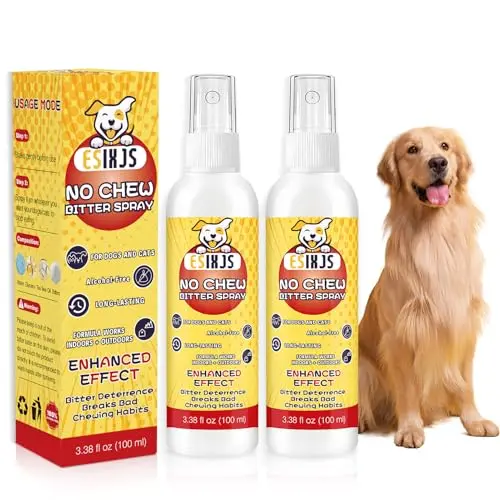
No Chew Spray – Alcohol-Free Gentle Formula
ESIXJS’s No Chew Spray uses a mild yet bitter blend to curb chewing, licking, and biting. It’s alcohol-free and designed to be gentle on skin and home surfaces alike, making it a safe choice for puppies and adult dogs.
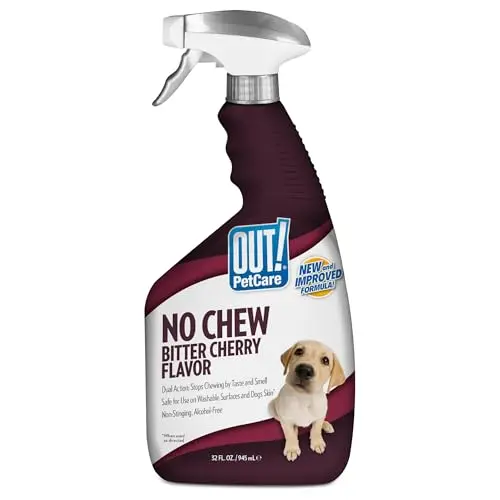
Bitter Cherry No Chew – Pleasant-Scented Home Protection
OUT! PetCare’s Bitter Cherry spray uses a cherry scent to mask the bitter taste for owners while deterring dogs. The alcohol-free, non-staining formula is safe for most surfaces and direct skin contact, making it a decent all-rounder for household use.
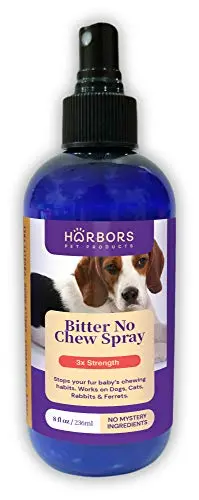
Bitter No Chew Spray – Triple Strength Denatonium
Harbor’s Bitter No Chew Spray boasts 3X the strength of standard deterrents, using denatonium-the most bitter substance known. The made-in-USA formula is vegan and cruelty-free, and it’s safe for both indoor and outdoor use on a wide range of surfaces.
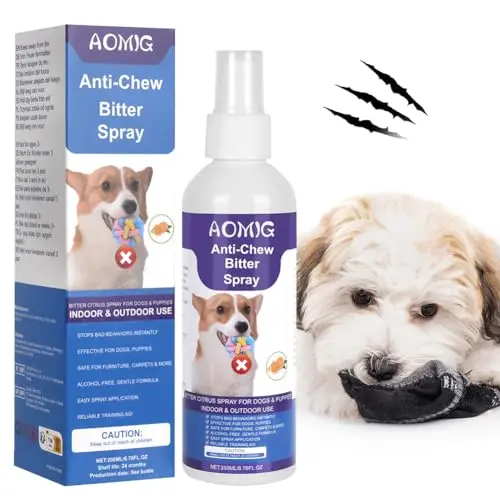
Bitter Apple Spray – Natural Long-Lasting Formula
AOMIG’s Bitter Apple Spray uses food-grade bitter apple extract and natural ingredients, free from alcohol and harsh chemicals. The 200ml bottle offers a long-lasting deterrent suitable for furniture, shoes, and cables inside and out.
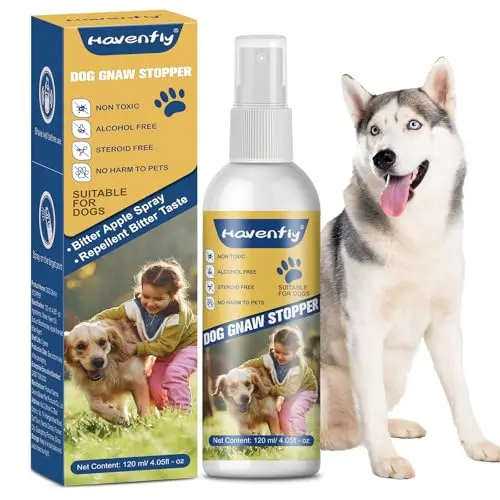
Dog Gnaw Stopper – Portable Corrective Spray
Havenfly’s Dog Gnaw Stopper uses a bitter apple taste in a compact 120ml travel-friendly spray. It’s alcohol-free and safe for various surfaces, aiming to protect furniture, shoes, and more from chewing.
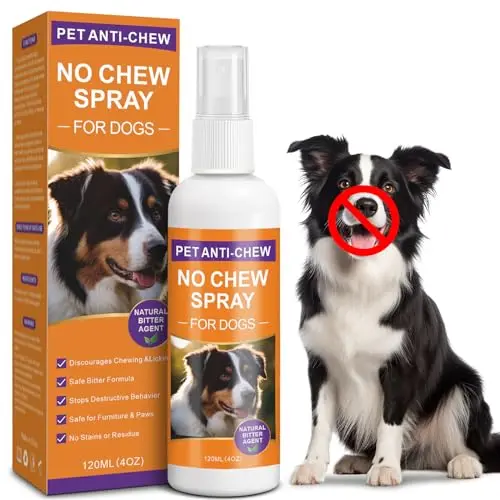
No Chew Spray – Citrus-Based Deterrent
YIQISUFA’s No Chew Spray relies on a blend of citrus and lemon essential oils with a natural bitter agent. The alcohol-free formula is designed to be gentle on surfaces and safe around pets when used as directed, though not directly on skin.
How We Evaluated These Chew Deterrents for Dogs
We didn’t run lab taste tests or long-term behavioural studies. What we did: cross-referenced 10 chew deterrent sprays from 10 distinct brands across 7 decision axes – bitterness intensity, ingredient safety, ease of application, staying power, skin sensitivity, versatility, and owner feedback where available. We triangulated published specifications, aggregated feedback, and mapped each product against common dog-chewing scenarios, from teething puppies to wound-lickers.
The scoring framework weighted real-world performance (60%) – how well a spray stops chewing in practice – against feature differentiation (40%) – unique benefits like soothing oils or odourless formulas. We have no commercial relationship with any of the brands featured; recommendations track fit and differentiation, not brand preference. If you need a proven all-rounder, the Fooey! Ultra-Bitter Spray is our top pick; for skin irritations, the Grannick’s Bitter Apple is a classic choice.
How to Choose the Right Chew Deterrent for Your Dog
How Bitter Sprays Deter Chewing
Chew deterrents work by making surfaces taste unbearably bitter, conditioning your dog to associate those items with a negative experience. The key is consistent application – spray the targeted object at least once a day during training, and reapply after cleaning or rain. Over time, many dogs learn to avoid those spots. However, taste aversion alone isn’t a cure; it works best alongside exercise, chew toys, and positive reinforcement to address the root cause of the chewing.
Ingredients: What to Look For and What to Avoid
The bitterness in sprays usually comes from natural extracts like bitter apple, grapefruit, or the herb King of Bitters, or from synthetic agents like denatonium. Alcohol-free formulas are gentler on your dog’s skin and won’t sting open wounds. Avoid sprays with harsh chemicals, artificial fragrances, or dyes if your pet has sensitivities. If you plan to spray directly on your dog’s fur or a hot spot, check that the product is explicitly labelled safe for skin contact, like the Fooey! spray.
Safety for Your Dog's Skin and Home
Most deterrents are safe on furniture, shoes, and cords, but always spot-test on a hidden area first, especially with fine fabrics or polished wood. For skin application, look for pH-neutral, non-toxic formulas. Never spray near your dog’s eyes, nose, or open wounds unless the product specifically says it’s safe. The Rocco & Roxie spray includes copaiba oil to soothe skin, making it a good option for post-surgery recovery.
Fooey! vs Grannick's Bitter Apple: Which Is Right for Your Dog?
Fooey! is the better all-rounder: it’s alcohol-free, odourless, intensely bitter, and safe for skin and surfaces alike. Grannick’s contains isopropanol, so it smells like rubbing alcohol initially but has a decades-long track record, especially for hot spots and bandage chewing. Choose Fooey! if you want a gentle yet powerful spray you can use anywhere, including on your dog. Grannick’s is the pick if you’re specifically targeting wound areas and don’t mind the alcohol scent.
Application Tips for Maximum Effectiveness
Shake the bottle well, then spray generously until the surface is damp-a light mist won’t cut it. For the first month, apply 3-4 times a day to build a strong aversion, then taper off as your dog learns. Always pair the spray with a firm ‘no’ or redirection to a chew toy. If your dog persists, reapply immediately. Remember, consistency is everything; missing a day can undo weeks of training.
When a Spray Alone Isn't Enough
Chewing can be a symptom of boredom, anxiety, or teething. If you’ve tried a reliable deterrent like Fooey! for three weeks without improvement, consider whether your dog needs more mental stimulation, longer walks, or puzzle toys. In some cases, consulting a veterinarian or professional trainer is the best next step. Sprays are a training aid, not a standalone solution.
Frequently Asked Questions
Do bitter sprays work for all dogs?
Not universally. While most dogs find the taste highly unpleasant, some determined chewers or breeds with strong food drive may push through. Success often depends on consistency and pairing the spray with positive reinforcement. If one brand doesn’t work, try another with a different bittering agent-denatonium vs. bitter apple, for example.
How do I apply a chew deterrent spray properly?
Shake the bottle, then spray a heavy, even coat on the object you want to protect. Avoid over-saturating fabrics. Reapply daily, especially after cleaning, rain, or heavy licking. For skin application, spray onto a cotton pad first and dab around (not on) sensitive areas. Always supervise your dog immediately after application to ensure they don’t ingest a large amount.
What's the difference between Fooey! and Grannick's Bitter Apple?
Fooey! is alcohol-free, odourless, and uses all-natural grapefruit and herb extracts. Grannick’s contains isopropanol (rubbing alcohol) and bitter principles. Fooey! is better for overall household use and direct skin contact because it won’t sting. Grannick’s has a solid reputation for targeting hot spots and bandages, and its larger 16 oz bottle is a good value if you’re treating multiple areas. Choose based on whether you prioritize a gentle formula (Fooey!) or a proven vet favourite (Grannick’s).
Can I use bitter spray directly on my dog's skin or fur?
Only if the product explicitly states it’s safe for skin. Alcohol-free formulas like Fooey! and Rocco & Roxie are designed for direct use on paws, fur, and hot spots. Avoid spraying near eyes, nose, or open wounds unless the label says otherwise. When in doubt, test on a small area first and watch for any redness or irritation.
Why did my dog keep chewing after I applied the spray?
It could be that the spray wasn’t strong enough, you didn’t reapply often enough, or the underlying behaviour is ingrained. Try a more concentrated formula like Fooey! or Rocco & Roxie, and apply more frequently at first. If your dog is chewing out of anxiety or boredom, the spray alone won’t fix it-address the root cause with exercise, enrichment, and possibly professional training.
Is Rocco & Roxie's No Chew safe for puppies?
Yes, it’s alcohol-free and gentle enough for puppies over 12 weeks. The copaiba oil can be soothing for teething discomfort, and the bitter taste helps deter chewing on inappropriate items. Use it sparingly and always under supervision, and pair it with plenty of appropriate chew toys to redirect the natural urge to gnaw.
Final Verdict
For most dogs, the Fooey! Ultra-Bitter Spray is the clear winner – its extreme bitterness, skin-safe formula, and odourless application make it a versatile and effective training tool. If your dog struggles with hot spots or bandage chewing, the Grannick’s Bitter Apple is a time-tested classic that targets those specific issues. And for pets with sensitive skin or post-surgical needs, Rocco & Roxie’s calming copaiba infusion adds soothing care while deterring chewing. No matter which you choose, consistent training combined with a reliable deterrent can transform destructive habits into peaceful coexistence.