
If your dog has ever turned down a treat because it upset their stomach – or worse, loved it and paid for it later – you know the struggle. Sensitive stomachs in dogs can turn treat time into a gamble, and choosing the wrong chew often means gas, diarrhea, or a miserable pup. But with the right chew, you can reward your dog without the messy aftermath.
We focused on two big decision axes: ingredient simplicity and targeted digestive support. Some chews work as functional treats packed with probiotics and prebiotics, while others are long‑lasting natural chews that are inherently easy on the stomach. This roundup cuts through the noise to help you pick the right one for your pup, whether they need daily gut maintenance or a safe, satisfying gnaw.
Best Chews for Dogs with Sensitive Stomachs – 2026 Reviews
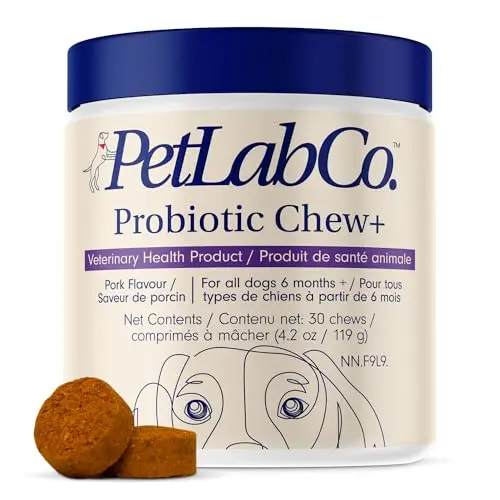
Probiotic Chews – Gut Health & Allergy Support
A popular probiotic chew that tackles gut health, yeast, and seasonal allergies in one tasty bite – loved even by fussy dogs.
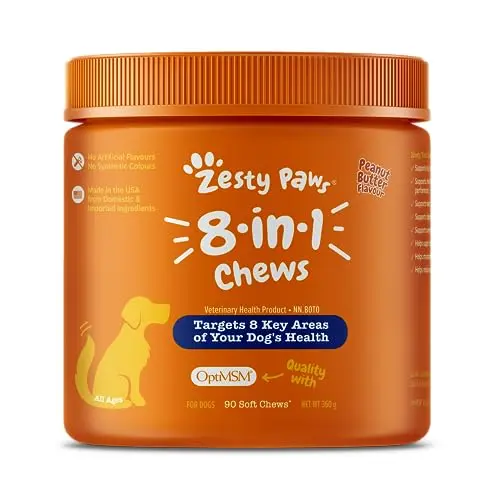
8-in-1 Multivitamin Chews – Comprehensive Daily Support
A broad‑spectrum multivitamin that sneaks in 500 million CFU of probiotics, giving sensitive stomachs a boost while covering joint, skin, and heart health.
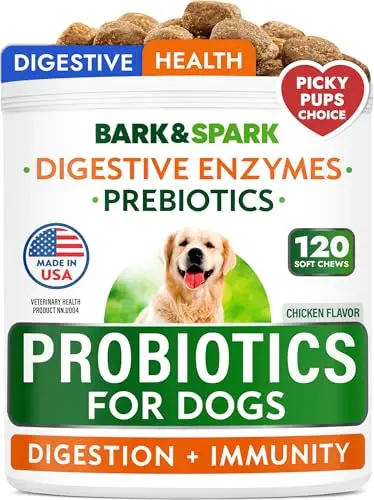
Probiotic Chews – Gas, Diarrhea & Upset Stomach Relief
A no‑nonsense probiotic aimed squarely at digestive relief – gas, diarrhea, and loose stools are its bread and butter.
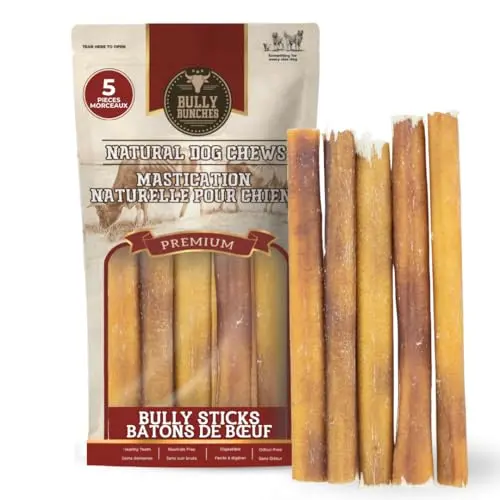
Premium Bully Sticks – Odour-Free, Long-Lasting Chew
A single‑ingredient, rawhide‑free bully stick that lets dogs gnaw happily while cleaning their teeth – entirely digestible and surprisingly low‑odour.

Yak Cheese Sticks – All-Natural, Long-Lasting Chew
Hard, Himalayan‑style cheese chews with only three ingredients – lactose‑free and long‑lasting enough to keep power chewers busy.
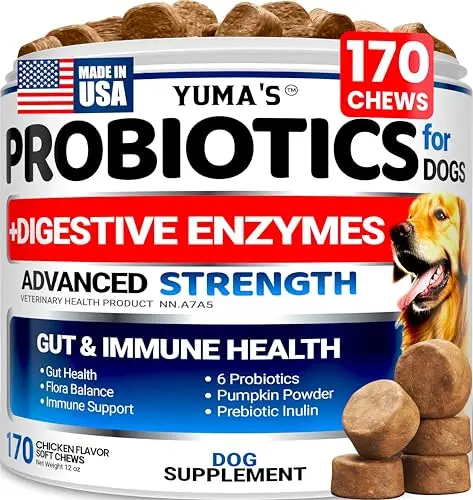
Probiotic Chews – Digestive & Immune Support
A vet‑formulated probiotic chew that relieves digestive discomfort while packing a generous 170‑count supply.
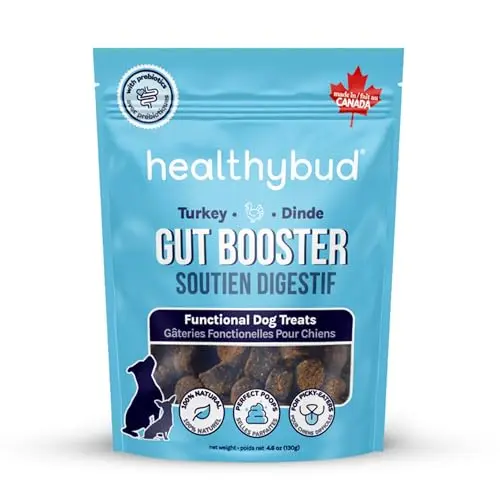
Gut-Friendly Soft Chews – Digestive & Stool Support
A Canadian‑made, turkey‑liver treat that slips prebiotics and digestive enzymes into a high‑value soft chew – perfect for training or meal toppers.
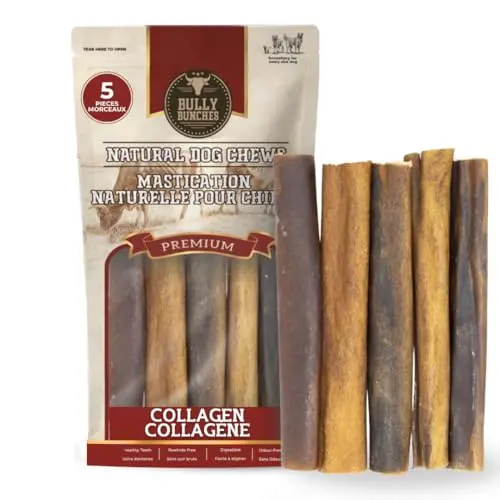
Beef Collagen Chews – Healthy Joint & Digestive Support
A single‑ingredient collagen chew that supports joints and coat while being gentle on digestion – no rawhide, no fillers.
How We Evaluated These Chews for Dogs with Sensitive Stomachs
We didn’t conduct veterinarian‑supervised digestion trials or long‑term stool monitoring. What we did: cross‑referenced 8 chews from 5 distinct brands across six decision axes – ingredient quality, targeted digestive ingredients, owner feedback patterns, protein source simplicity, chew longevity, and overall safety for sensitive stomachs. We audited published specifications and formulation claims, triangulated aggregated owner feedback where available, and benchmarked each product against a representative sensitive‑stomach buyer profile.
The scoring framework weighted real‑world digestive performance (60%) – how reliably the chew settles stomachs or avoids causing upset – against feature differentiation (40%) – unique formulations, ingredient transparency, and additional benefits like joint or skin support. Our recommendations map fit and performance, not brand preference. If your dog battles loose stools, the PetLab Co. Probiotic Chews are our top pick; if you’d prefer a multitasking option, the Zesty Paws 8‑in‑1 brings broader daily support.
How to Choose the Right Chews for Dogs with Sensitive Stomachs
What Makes a Chew Suitable for Dogs with Sensitive Stomachs?
A chew that works for a sensitive stomach does more than just taste good – it minimizes triggers while actively supporting digestion. The first factor is ingredient simplicity: a single‑protein chew like a bully stick or yak cheese removes the guesswork introduced by multi‑ingredient recipes. The second is the presence of functional digestive ingredients – probiotics, prebiotics, pumpkin, or digestive enzymes – that help regulate gut flora. Third, the chew must be fully digestible, meaning it breaks down completely in the stomach without hardening or swelling, the way rawhide can. Finally, look for limited or no common allergens like chicken, beef, or grain, especially if your dog has identified food sensitivities. A chew that checks all these boxes turns treat time into a gut‑healthy habit instead of a digestive gamble.
Supplement‑Style Chews vs. Long‑Lasting Natural Chews
Chews for sensitive stomachs generally fall into two camps: soft, treat‑style supplements packed with probiotics and enzymes, and hard, long‑lasting natural chews like bully sticks, collagen sticks, or yak cheese. Supplements like the PetLab Co. Probiotic Chews deliver a concentrated dose of gut‑supporting ingredients in a quick snack – ideal for daily maintenance and dogs who need active digestive intervention. Long‑lasting chews, on the other hand, keep a dog busy while being inherently gentle on the stomach. They’re perfect for mental stimulation and dental health. The two aren’t mutually exclusive; many owners mix a morning probiotic chew with an afternoon yak stick for the best of both worlds.
Key Ingredients That Soothe Sensitive Stomachs
When scanning ingredient lists, prioritize probiotics (CFU counts matter – 500 million and above is a solid target), prebiotic fibres like inulin or pumpkin, and digestive enzymes (amylase, bromelain, protease). Probiotics repopulate the gut with beneficial bacteria, prebiotics feed them, and enzymes break down food to ease the digestive workload. Ingredients like turmeric and ginger offer natural anti‑inflammatory support. In natural chews, look for single‑source proteins (beef, yak, turkey) and avoid artificial binders, preservatives, or mystery meat meals. A product like the Zesty Paws 8‑in‑1 combines multiple beneficial ingredients, while a Mighty Paw Yak Cheese sticks to just three items – both can work, depending on your dog’s needs.
How to Introduce a New Chew Without Upsetting Your Dog's Stomach
Even the gentlest chew can cause a reaction if introduced too quickly. Start with a tiny portion – maybe a quarter of a soft chew or a few minutes of gnaw time on a bully stick – and observe your dog’s stool over 24 hours. Gradually increase the amount if all goes well. For probiotic chews, note that some dogs may experience temporary looser stools or gassiness as their microflora adjusts; this often resolves within a few days. If you’re trying a natural chew, always supervise and take away the end piece before it becomes a choking hazard. Avoid introducing multiple new chews at once so you can pinpoint the culprit if a reaction occurs.
Yak Cheese vs. Bully Sticks: Which Is Easier on a Sensitive Stomach?
Both yak cheese and bully sticks are excellent single‑ingredient options, but they suit slightly different dogs. Yak cheese is lactose‑free after curing and tends to last longer with power chewers, making it ideal for dogs who need extended engagement. It’s also a novel protein for dogs used to beef or chicken. Bully sticks are softer, higher in protein, and more quickly digested, which can be gentler if your dog’s stomach rejects harder treats. The answer often comes down to chewing style: heavy chompers do well with yak cheese, while gentler grazers or older dogs often prefer a bully stick. Both are rawhide‑free and fully digestible, placing them miles ahead of conventional processed chews.
Frequently Asked Questions
What's the difference between the PetLab Co. Probiotics and the Bark&Spark Probiotics?
Both are probiotic‑focused soft chews designed to support digestion and stool quality, but they differ in emphasis. PetLab Co. offers eight strains of probiotics and includes inulin, honey, and pumpkin in a pork‑flavoured base – it leans heavily toward overall gut and immune health, with a side of allergy relief. Bark&Spark pairs six strains with digestive enzymes and fibre, targeting gas, diarrhea, and constipation more explicitly. Bark&Spark provides 120 chews per jar, making it the more budget‑friendly choice per day, while PetLab’s higher strain count may appeal if your dog has broader allergy or yeast concerns.
Can I give my dog both a probiotic chew and a long‑lasting natural chew in the same day?
Yes, many dogs benefit from the combination. A morning probiotic chew like the Bark&Spark Probiotic Chews delivers targeted gut support, while an afternoon yak cheese or bully stick satisfies the need to gnaw without introducing fillers. Just monitor total calorie intake, and if your dog’s stomach is especially reactive, introduce them separately to gauge tolerance.
Are yak cheese chews truly safe for dogs with sensitive stomachs?
Yak cheese chews made from just milk, salt, and lime juice are generally well‑tolerated because the curing process removes lactose and they contain no grains, fillers, or artificial additives. The Mighty Paw Yak Cheese Sticks, for example, are a limited‑ingredient option that many sensitive‑stomach dogs handle without issue. However, since they are very hard, they’re not ideal for dogs with dental problems, and you should always supervise to prevent choking on small end pieces.
How quickly can I expect a probiotic chew to improve my dog's digestion?
Some dogs show firmer stools within a few days, but a typical adjustment period is one to two weeks. During the first few days, you might even notice temporary gas or softer stools as gut flora shifts – this is normal. If you don’t see improvement after three weeks, a different strain profile or a higher CFU count might be needed. Consistency is key: give the chew at the same time each day, ideally with a meal.
What's better, a bully stick or a collagen chew for a dog with a sensitive stomach?
Both are fully digestible and single‑ingredient, but they serve slightly different purposes. A bully stick is high‑protein, lasts longer, and aggressively scrapes tartar – better for heavy chewers and dental health. A collagen chew is softer, gentler on the jaw, and provides joint‑supporting proteins, making it a good pick for older or less powerful chewers. If your dog’s stomach reacts to beef, yak cheese might still be an alternative; if beef is fine, try a bully stick first and watch stool quality.
Final Verdict
For most dogs with sensitive stomachs, the PetLab Co. Probiotic Chews are the clear winner – they combine an 8‑strain probiotic punch with a taste dogs don’t argue with. If you want one chew that covers joints, skin, and digestion, go with the Zesty Paws 8‑in‑1. For a pure, long‑lasting gnaw that won’t upset a tender tummy, the Bully Bunches Bully Sticks are our favourite natural pick. And if budget is top of mind, the healthybud Gut‑Friendly Soft Chews deliver solid digestive support without the price tag. Whichever route you choose, a stool‑friendly chew turns treat time back into a tail‑wagging affair.