
Feeding a dog well without draining your bank account is something every owner wrestles with. You want high-quality nutrition, recognizable ingredients, and a formula that supports your dog’s health, but it’s easy to assume that means paying a premium. The good news? There are plenty of cost-effective options that don’t cut corners, whether you’re looking for a budget-friendly staple or a value-packed formula that rivals pricier brands. We set out to find the ones that truly deliver the best bang for your buck across a range of needs and life stages.
In this guide, we’re focusing on what makes a dog food genuinely cost-effective – not just cheap, but ingredients, digestibility, and targeted benefits per dollar. You’ll find picks for sensitive stomachs, small breeds, seniors, and high-energy dogs, all from a roster of trusted names. Our aim? To help you cut through the marketing noise and choose a food you can feel good about feeding, day in and day out.
Best Cost Effective Dog Foods – 2026 Reviews
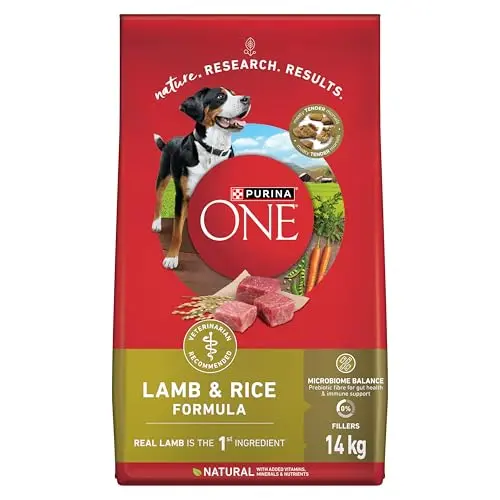
Microbiome Balance Lamb & Rice – Gut Health & Immune Support
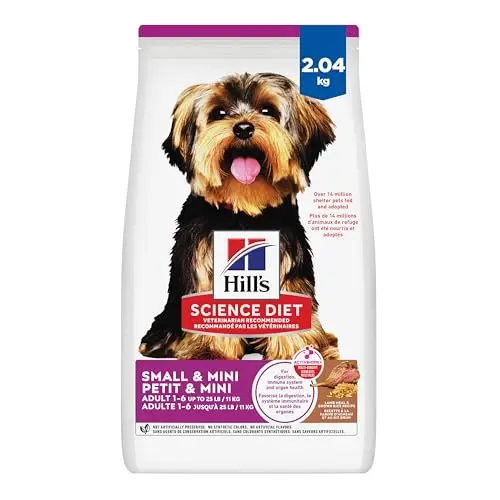
Small & Mini Lamb Meal & Brown Rice – Tailored for Small Breeds
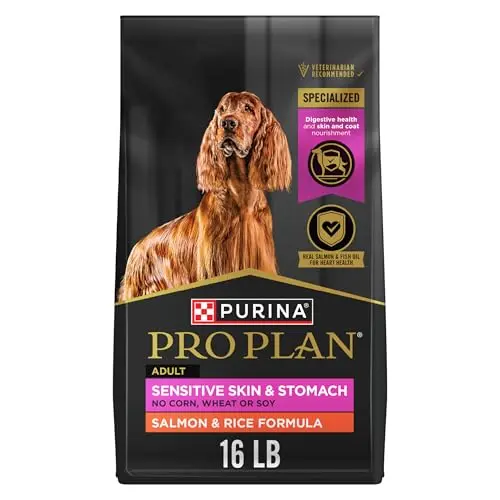
Sensitive Skin & Stomach Salmon & Rice – Relief for Reactivity
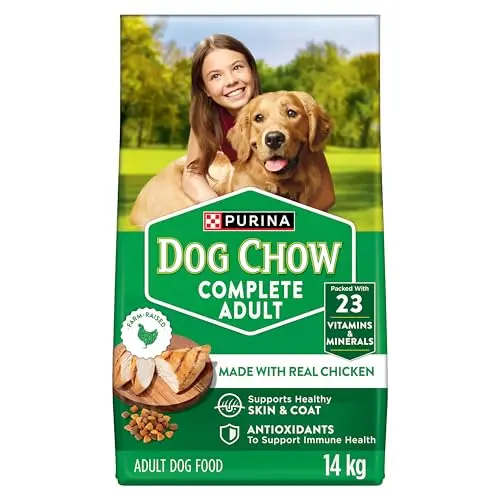
Complete Chicken – Affordable Everyday Nutrition
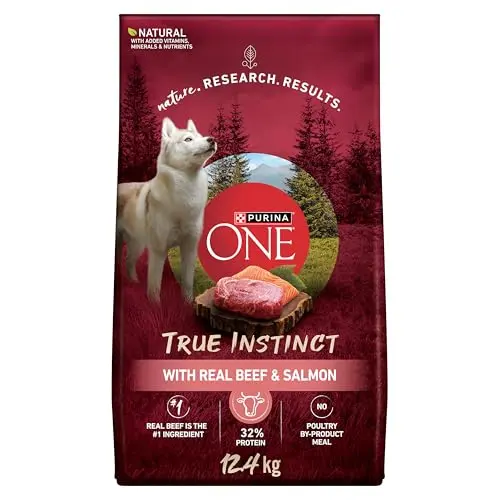
True Instinct Beef & Salmon – High-Protein Power
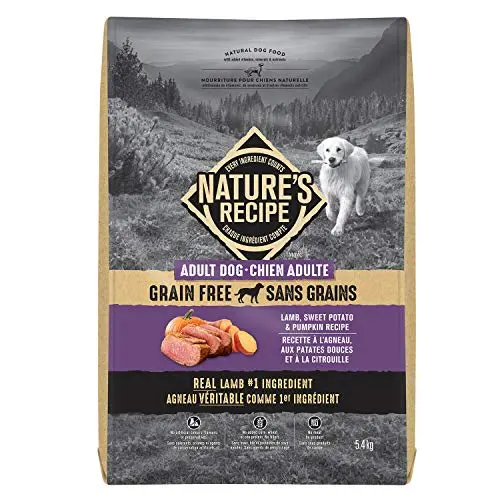
Grain Free Lamb & Sweet Potato – Limited Ingredient Diet
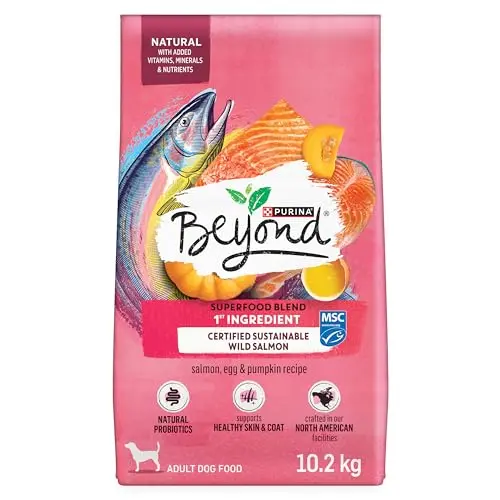
Superfood Blend Salmon, Egg & Pumpkin – Nutrient-Rich Value
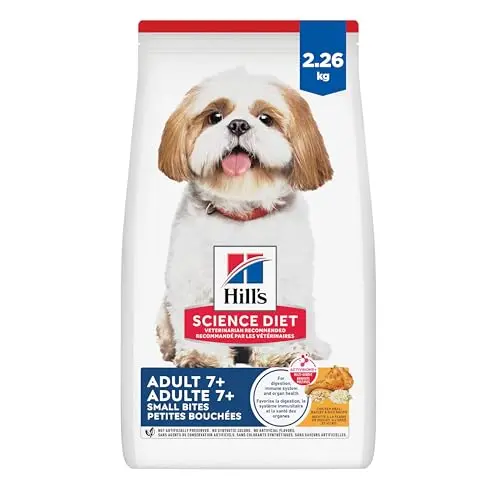
Senior 7+ Small Bites Chicken & Barley – Tailored for Aging Dogs
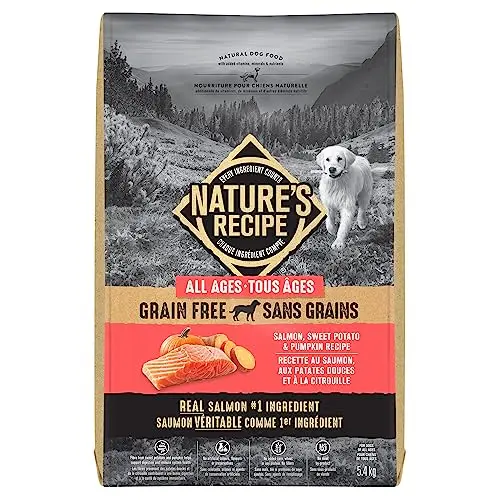
Grain Free Salmon & Sweet Potato – Omega-Rich Alternative
How We Evaluated These Cost Effective Dog Foods
We didn’t conduct controlled feeding trials with real dogs. What we did: cross-referenced 9 cost-effective dog foods from 6 distinct brands across 6 decision axes – ingredient quality, protein content and source, digestive support, life-stage suitability, bag size and cost per serving, and owner feedback where available. We triangulated published specifications, aggregated owner experiences, and use-case fit against the real-world priorities of dog owners on a budget.
The scoring framework weighted real-world value (60%) – how well each food delivers nutrition and health benefits at its price point – against feature differentiation (40%) – unique formulas, targeted health benefits, and special dietary considerations. We have no commercial relationship with any of the brands featured; recommendations track fit and value, not brand preference. If you’re looking for the best all-around value, the Purina ONE Microbiome Balance is our pick; if your dog needs a sensitive-stomach solution, the Pro Plan Sensitive Skin & Stomach serves them better.
How to Choose the Right Cost Effective Dog Food
What Makes a Dog Food Cost-Effective?
Cost effectiveness isn’t just about a low sticker price – it’s about the nutrition per dollar. The best value foods pack high-quality proteins, digestible carbs, and targeted nutrients into a formula that suits your dog’s needs without padding the ingredient list with fillers. Look beyond the front-of-bag claims and check the first few ingredients. A named meat meal (like lamb meal or chicken meal) often offers more concentrated protein per pound than whole meat, stretching your dollar further. Bag size matters too: larger bags typically lower the cost per serving, but only if you can use them before the food goes stale.
Key Nutritional Markers to Look For
Whether you’re on a tight budget or willing to spend a bit more for added benefits, a few fundamental markers separate good dog food from mediocre. Protein content should be adequate for your dog’s life stage – active adults do well with 25-30% or more, while seniors may thrive on moderate levels. Omega fatty acids (especially from fish or flaxseed) contribute to skin and coat health. Fibre sources like pumpkin, sweet potato, or beet pulp aid digestion. Added antioxidants (vitamin E, zinc) support immunity, and natural glucosamine can help aging joints. The best budget-friendly foods include these without resorting to artificial preservatives or mystery by-products.
Understanding Protein Sources and Quality
Not all protein is created equal. Meat meals (chicken meal, salmon meal) are rendered, concentrated protein powders – often more protein-rich by weight than whole meat, which is 70% water. A food with meat meal high on the ingredient panel can deliver solid nutrition at a lower cost. Plant proteins like pea protein or potato protein can boost the protein percentage but may not provide the complete amino acid profile your dog needs. For cost-effective options, a mix of animal and plant proteins is common; just ensure animal sources dominate the list.
The Role of Fibre and Digestive Health
A healthy gut equals better nutrient absorption, which directly impacts how much value you get from each kibble. Look for prebiotic fibres (like chicory root, dried plain beet pulp, or pumpkin) that feed beneficial gut bacteria. Foods like the Purina ONE Microbiome Balance explicitly target this, but many others incorporate digestible carbs and fibre blends that support stool quality and regularity. If your dog has a sensitive stomach, a limited ingredient or grain-free option may help, though grain-free isn’t automatically healthier – it’s about what works for your individual dog.
Grain-Free vs. Grain-Inclusive: What's the Best Value?
Grain-free dog foods have surged in popularity, but they’re often pricier per pound. Unless your dog has a confirmed grain allergy (which is rare), there’s no nutritional advantage to avoiding grains like brown rice, oatmeal, or barley. In fact, whole grains provide steady energy and dietary fibre. Many cost-effective formulas include grains precisely because they’re a nutrient-dense, affordable carb source. If you opt for grain-free, be aware that legumes or potatoes may substitute, and recent research suggests monitoring for potential heart health links – though no definitive causal relationship has been established.
Choosing the Right Formula for Your Dog's Life Stage
Nutritional needs change with age, and feeding an all-life-stages formula isn’t always the most efficient choice. Puppies need higher calories and specific nutrients like DHA for brain development – none of our top picks are puppy-focused, so you’d need a separate formula. Adult dogs benefit from maintenance diets that keep them lean and energetic. Seniors often fare better with controlled phosphorus (for kidneys), higher-quality protein, and added joint support. Our lineup includes targeted options like Hill’s Science Diet Senior 7+, proving cost-effective can also be life-stage appropriate.
Frequently Asked Questions
How does Purina ONE Microbiome Balance compare to Pro Plan Sensitive Skin & Stomach?
Both are excellent but serve slightly different needs. The Purina ONE Microbiome Balance focuses on broad digestive and immune support through prebiotic fibre, using lamb as its protein source. It’s a fantastic all-rounder for adult dogs and comes in a very economical 14 kg bag. The Pro Plan Sensitive Skin & Stomach is specifically formulated for dogs with reactivity – its salmon-first recipe provides omega-3s for skin and coat while oatmeal and prebiotics ease digestion. Pro Plan also carries a satisfaction guarantee. If your dog just needs a healthy gut, go with the Purina ONE; if you’re battling itchy skin or ear issues, the Pro Plan is worth the extra cost.
What's the difference between Nature's Recipe Grain Free and Beyond Superfood Blend?
Both are grain-free and focus on real meat, but the Nature’s Recipe uses a limited ingredient approach with lamb or salmon as the sole animal protein, making it ideal for dogs with multiple allergies. Beyond Superfood Blend incorporates wild-caught salmon plus egg and pumpkin, offering a wider ingredient profile with recognizable superfoods. Beyond comes in a larger 10.2 kg bag, generally lowering the cost per serving, while Nature’s Recipe is available in a smaller 5.4 kg format. Both avoid artificial additives, but Beyond explicitly excludes corn, wheat, and soy. Choose Nature’s Recipe for simpler, allergy-friendly nutrition; choose Beyond for a more diverse nutrient boost at a slightly better per-pound price.
Are expensive dog foods always better than cost-effective ones?
Not at all. Price often reflects branding, exotic ingredients, or small-batch production rather than nutritional superiority. Many budget-friendly foods meet AAFCO nutrient profiles and use high-quality proteins and grains. What matters is the balance of ingredients and how well they support your individual dog’s health. A food that keeps your dog’s digestion steady, coat shiny, and energy up is a winner, regardless of price. However, if your dog has specific health issues like severe allergies or kidney disease, a more expensive therapeutic diet might be necessary – but for most healthy adult dogs, a well-chosen cost-effective option works beautifully.
Can I feed a cost-effective food to a dog with allergies?
Absolutely, but you’ll need to read labels carefully. Common allergens in dog food include chicken, beef, dairy, and wheat. Many affordable foods use chicken or beef as primary proteins, so if your dog reacts to those, look for a novel protein like lamb or salmon. Grain-free doesn’t automatically mean allergy-friendly, but if grains are the culprit, plenty of cost-effective grain-free options exist. The Pro Plan Sensitive Skin & Stomach and Nature’s Recipe Grain Free formulas both target food sensitivities while keeping costs reasonable. Always transition slowly and monitor your dog’s symptoms.
Final Verdict
For most dog owners looking to maximize nutrition without overspending, the Purina ONE Microbiome Balance is the clear winner – it pairs digestive-focused ingredients with unbeatable value in a large bag. If your budget is ultra-tight, Dog Chow Complete Chicken gets the job done for pennies per meal. Dogs with sensitive systems will thrive on the Pro Plan Sensitive Skin & Stomach, while small-breed homes should look to Hill’s Science Diet Small & Mini. Remember: the most cost-effective food is one that keeps your dog healthy, happy, and out of the vet’s office – and you’ll find that balance right here.