
Bringing home a puppy is equal parts joy and responsibility – and few decisions feel as weighty as what to put in their bowl. In those early months, every meal lays the foundation for strong bones, a sharp mind, and a lifetime of good health. With so many bags lining the pet store shelves, all promising optimal growth, it can quickly become overwhelming.
We took a close look at the puppy diet market to identify the formulas that genuinely deliver on key growth needs. Because a puppy’s nutritional requirements change weekly, the best diet adapts to their breed size, activity level, and developmental stage. From high‑protein recipes to DHA‑packed kibble, we’ve broken down what matters – and which brands get it right.
This guide covers nine standout puppy diets from six major brands. Whether you’re raising a teacup Chihuahua or a giant‑breed pup, you’ll find a well‑matched option here – plus the know‑how to make smart swaps as your puppy grows.
Best Diets for Puppies – 2026 Reviews
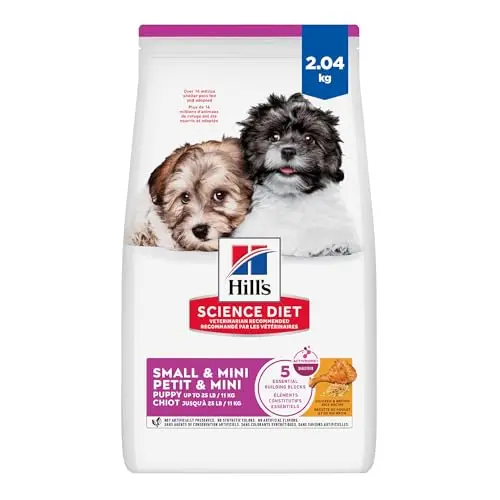
Puppy Small & Mini – Complete Growth Support
A purpose‑built formula for toy and small breeds, this diet doubles down on brain and immune development with DHA, antioxidants, and a prebiotic fiber blend. The tiny kibble is sized perfectly for miniature jaws, and the chicken‑based recipe is easy for sensitive puppy stomachs to digest.
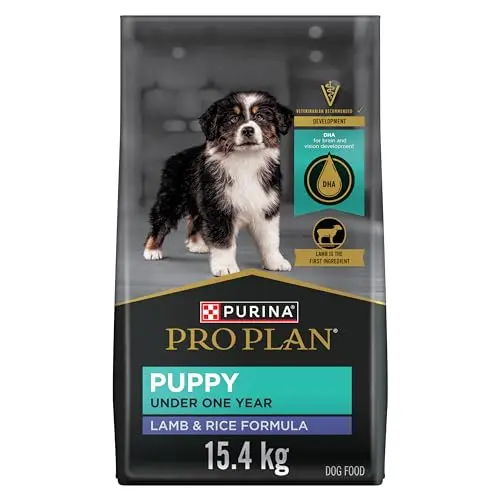
Development Lamb & Rice – Large‑Batch Nutrition
With real lamb as the first ingredient and a generous 15.4 kg bag, this formula is built for multi‑puppy households or large breeds. It packs guaranteed live probiotics for digestive and immune health, plus DHA for cognitive development, and covers all breed sizes from small to large.
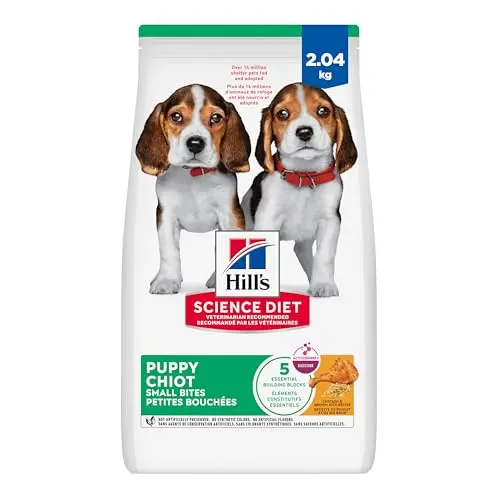
Puppy Small Bites – Easy Chewing for Minis
Another strong small‑breed entry from Hill’s, this version uses even tinier ‘bites” to make mealtime a breeze for the smallest pups. It’s rich in DHA, high‑quality protein, and a prebiotic fiber blend that supports a healthy gut microbiome.
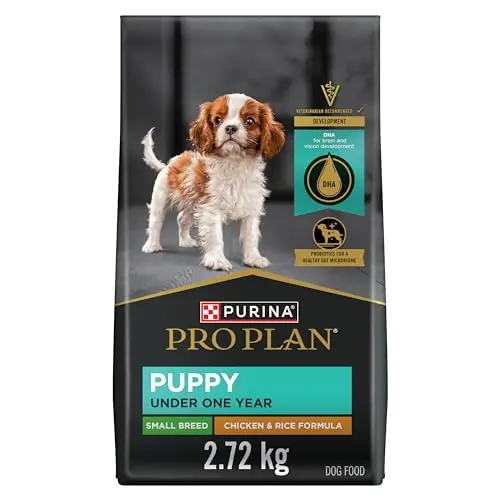
Development Small Breed Chicken & Rice – Targeted Nutrition for Little Ones
Another excellent small‑breed option from Pro Plan, this chicken‑first recipe loads up on protein for active mini pups. It includes DHA, live probiotics, and a smaller kibble cut specifically for petite jaws.
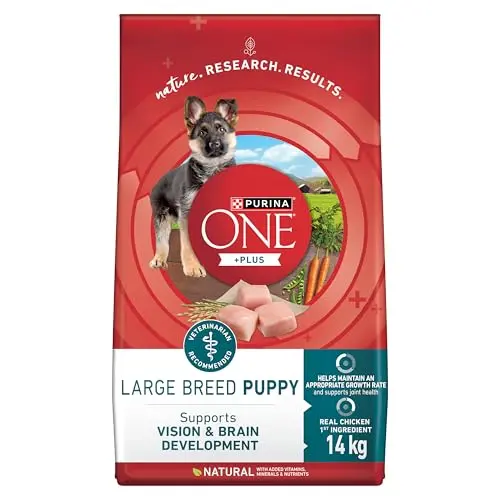
+Plus Large Breed Puppy Chicken – Joint Care & Growth
Formulated specifically for large breed puppies, this chicken recipe includes natural sources of glucosamine for joint health, plus DHA and antioxidants. The larger kibble encourages proper chewing, and the easily digestible rice base is gentle on growing stomachs.
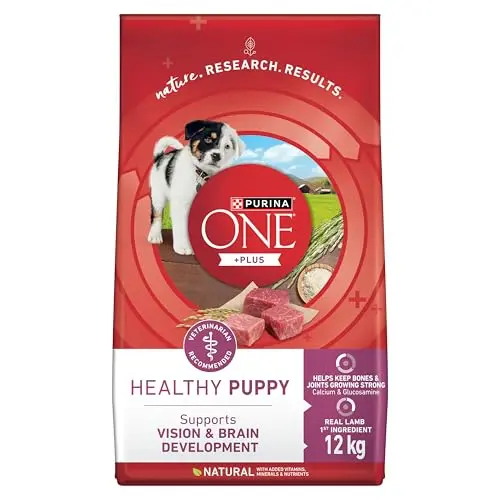
+Plus Healthy Puppy Lamb – Grain‑Inclusive Digestive Support
A lamb‑based alternative for puppies who prefer red meat, this Purina ONE formula uses easily digestible rice and oatmeal for gentle stomach support. It packs DHA, antioxidants, and 100% complete nutrition with no fillers.
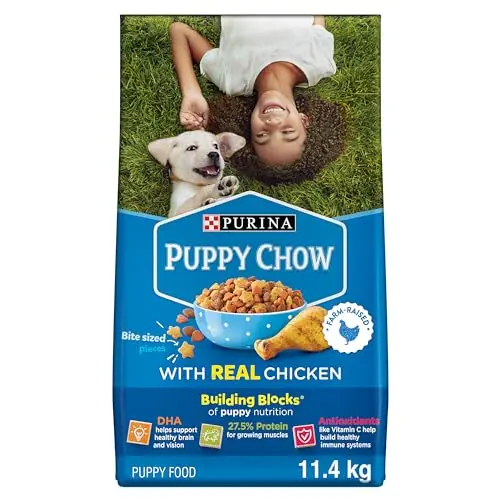
Complete with Real Chicken – Everyday Value Nutrition
A budget‑friendly staple that doesn’t skimp on puppy essentials: 27.5% protein for muscle growth, DHA for brain and vision, and antioxidants like vitamin C for immune support. The farm‑raised chicken recipe comes in a large 11.4 kg bag, keeping meal costs down.
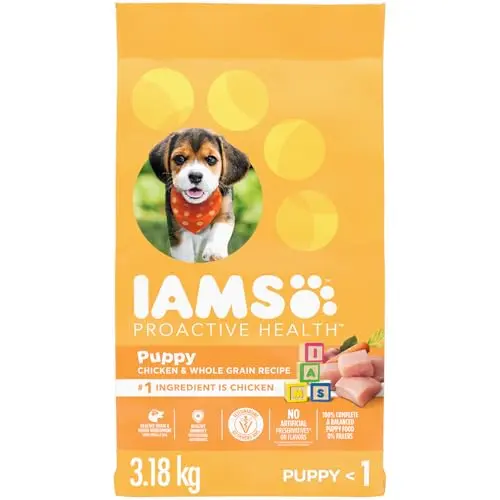
Proactive Health Puppy Chicken & Whole Grain – 22 Nutrients Like Mom's
IAMS leans on science‑backed nutrition, delivering omega‑3 DHA and 22 key nutrients found in mother’s milk. The easily digestible chicken and whole grain recipe supports optimal stool quality – the brand claims visible benefits in 10 days – and comes at a price that’s easy to swallow.
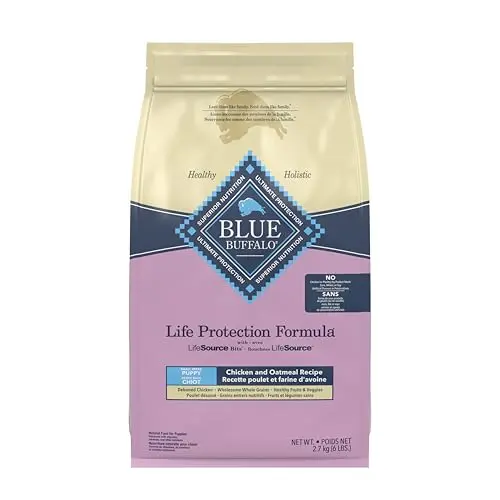
Life Protection Small Breed Puppy Chicken & Oatmeal – Wholesome Grains & LifeSource Bits
Blue Buffalo brings a small‑breed puppy formula with real chicken, wholesome grains like oatmeal and brown rice, and its signature LifeSource Bits – a cold‑formed blend of antioxidants, vitamins, and minerals. It’s free of corn, wheat, and soy, appealing to owners who prioritize natural ingredients.
How We Evaluated These Diets for Puppies
We didn’t run controlled feeding trials or nutritional lab analysis. What we did: cross‑referenced 9 puppy diets from 6 distinct brands across 7 decision axes – breed‑specific formulations, DHA and omega fatty acid levels, protein quality and source, probiotic and digestive support, kibble size and texture, antioxidant and immune support, and ingredient purity. We triangulated published ingredient panels, guaranteed analyses, nutritional philosophy, and aggregated owner feedback where available to understand real‑world digestion, palatability, and growth results.
The scoring framework weighted real‑world performance (60%) – how well each diet delivers on its stated use case during critical growth months – against feature differentiation (40%) – unique advantages like live probiotics, breed‑targeted kibble, or specialized joint support. We have no commercial relationship with any of the brands featured; recommendations track fit and differentiation, not brand preference. If you’re raising a small breed, the Hill’s Science Diet Puppy Small & Mini is our top pick; if you need a large‑batch premium option, the Purina Pro Plan Lamb & Rice serves you better.
How to Choose the Right Diet for Puppies
Why Puppy Nutrition Sets the Stage for Life
A puppy’s first year is a sprint of growth – bones lengthen, the brain wires itself, and the immune system takes shape. Unlike adult maintenance diets, puppy formulas pack higher levels of protein, fat, and specific micronutrients to fuel this transformation. Skimping here can lead to developmental delays, while overfeeding certain nutrients (like calcium in large breeds) can cause skeletal issues later on. A diet labeled ‘complete and balanced for growth” is non‑negotiable.
Decoding the Ingredient List: DHA, Protein, and More
Look for DHA (docosahexaenoic acid) near the top of the ingredient list – this omega‑3 fatty acid is crucial for brain and vision development and is naturally found in mother’s milk. Next, high‑quality animal protein (chicken, lamb, fish) should be the first ingredient, supplying the amino acids needed for lean muscle growth. Many premium diets also add probiotics for digestive and immune health, and antioxidants like vitamins C and E to bolster a developing immune system. Avoid formulas that lean heavily on plant proteins or unnamed meat meals.
Kibble Size Matters – Especially for Small Breeds
Small and toy breed puppies – think Chihuahuas, Yorkies, and Pomeranians – need tiny, easy‑to‑chew kibble. If the pieces are too large, they may struggle to eat or even choke. Conversely, large breed puppies benefit from larger kibble that forces them to slow down and chew properly, reducing the risk of bloating. When in doubt, look for a formula labeled specifically for your puppy’s breed size: Hill’s Science Diet Puppy Small Bites and Purina Pro Plan Small Breed are excellent examples of size‑targeted kibble.
Digestive Ease: Probiotics and Prebiotics Explained
Puppy tummies are sensitive, and frequent diarrhea can derail weight gain. Probiotics – live beneficial bacteria – can help maintain a healthy gut flora, while prebiotic fibers feed those good bacteria. Formulas like Purina Pro Plan include guaranteed live probiotics right on the bag. If your pup has a history of loose stools, prioritize a diet with these digestive supports and consider a gradual transition over 7-10 days when switching foods.
Hill's Science Diet vs. Purina Pro Plan: Which Is Better for Puppies?
Both brands dominate the puppy food aisle, but they approach nutrition a bit differently. Hill’s Science Diet leans into veterinary‑diet principles with precise mineral ratios and prebiotic fiber blends, making it ideal for breed‑specific formulas like the Puppy Small & Mini. Purina Pro Plan emphasizes high protein and includes live probiotics across its line; its Lamb & Rice formula is a standout for puppies who need a novel protein. For a small breed puppy, Hill’s ultra‑tiny kibble wins; for large breed or multi‑dog households, Pro Plan’s large‑bag value and probiotic punch are tough to beat.
Budget‑Friendly vs. Premium Puppy Diets: What's the Real Difference?
The gap isn’t as wide as you’d think. Budget lines like Purina Puppy Chow still provide complete nutrition with DHA and 27.5% protein, while premium picks like Hill’s and Blue Buffalo add extras like cold‑formed antioxidant bits or specific prebiotic blends. The biggest differentiator is often kibble size specialization and probiotic inclusion. If your puppy has no digestive issues and is an average breed, a budget diet may be perfectly adequate. If you notice stool inconsistency or have a very small breed, stepping up to a premium formula often pays off in fewer vet visits.
Transitioning Your Puppy to Solid Food
Whether you’re weaning from milk or simply switching brands, a slow transition is key. Start with a mix of 75% old food and 25% new for a few days, then 50/50, then 25/75, finally fully switching over about a week. During this period, monitor stool quality. If diarrhea persists beyond two days, slow the transition or consult your vet. Also, remember to rehydrate dry kibble with warm water for very young puppies just starting solids – it makes chewing easier and boosts hydration.
Frequently Asked Questions
What's the difference between the Hill's Science Diet Puppy Small Bites and the Small & Mini formula?
Both are tailored for small breed puppies, but the Small Bites version takes kibble size down a notch further for the tiniest mouths (teacup breeds). The Small & Mini also includes a prebiotic fiber blend not highlighted in the Small Bites recipe, specifically targeting gut microbiome health. In practice, if your pup is a micro toy breed under 3 lbs, the Small Bites may be easier; for slightly larger small breeds (like a 5‑lb Maltese), the Small & Mini offers similar nutrition with added digestive support. Both deliver DHA, high‑quality protein, and balanced minerals.
Can I feed my large breed puppy the same diet as my small breed puppy?
Not ideally. Large breed puppies have different calcium and phosphorus requirements to prevent too‑rapid bone growth, which can lead to joint problems. Diets like the Purina ONE Large Breed Puppy include natural glucosamine and controlled mineral levels suited for breeds that will top 50+ lbs. If you try to stretch a small‑breed formula for a large pup, you risk nutritional imbalances that can show up later as hip dysplasia or elbow issues. Invest in a breed‑size‑appropriate diet for each dog.
How do I know if a puppy diet is supporting brain development?
Look for DHA on the label – this omega‑3 fatty acid is the number‑one ingredient for cognitive and vision development. Many quality puppy foods state the DHA content right on the bag. Mother’s milk is naturally rich in DHA, so the best puppy diets replicate that. If the ingredient list includes fish oil, fish meal, or salmon high up, it’s a good sign. Also, brands specifically advertising ’22 key nutrients found in mother’s milk” (like IAMS) are signaling a DHA‑forward formula. Combine that with a consistent feeding routine, and you’re giving your puppy’s brain the best start.
Purina Pro Plan vs. Blue Buffalo puppy food – which is cleaner?
Blue Buffalo markets itself as using only natural ingredients with no corn, wheat, or soy, and its LifeSource Bits are cold‑formed to preserve vitamins. Purina Pro Plan also uses no artificial colours or flavours but includes things like rice and oatmeal that are easily digestible. Both have strong vitamin and mineral profiles. The ‘cleaner” label depends on what you’re avoiding: if you want a grain‑free look, neither is appropriate (both include grains). If you want Whole30‑style purity, Blue Buffalo’s ingredient panel may feel more transparent. However, Pro Plan’s inclusion of guaranteed live probiotics is a functional advantage that many vets endorse for digestive health.
When should I switch my puppy to adult dog food?
The switch typically happens between 10 and 12 months for most breeds, but it varies by size. Small and toy breeds mature faster and can transition around 10 months; medium breeds at 12 months; large and giant breeds may need to stay on puppy food until 14-18 months to support their extended growth period. Watch for plateauing energy levels and consult your vet. When switching, use the same gradual 7-10 day transition to avoid stomach upset.
Final Verdict
For the vast majority of new puppy owners, the Hill’s Science Diet Puppy Small & Mini checks every box – brain‑fueling DHA, easy‑chew kibble, and a prebiotic‑boosted gut support system. If you’re feeding a large breed or multiple pups, the Purina Pro Plan Lamb & Rice in the big bag is a premium yet economical solution. For those on a tighter budget, the Purina Puppy Chow Complete delivers dependable nutrition at a fraction of the cost. And don’t overlook the IAMS Proactive Health if brain development is your top priority – it packs mother’s milk‑type nutrients at a great value. Whichever you choose, pair it with a slow transition and plenty of fresh water for a happy, thriving pup.