
Watching your dog scratch relentlessly or struggle with digestive upset is more than frustrating – it’s heartbreaking. Food allergies in dogs often show up as itchy skin, ear infections, or loose stools. The right diet can make a world of difference, but the pet food aisle is packed with options, and not every bag labelled “sensitive” actually solves the problem.
We surveyed the market across major brands to find dog foods that genuinely support allergic dogs. The best formulas share a few common traits: limited, high-quality protein sources, easily digestible carbohydrates, and added nutrients for skin and gut health. Whether your dog reacts to chicken, grains, or fillers, this guide will help you pick a food that brings relief – and gets tails wagging again.
Best Dog Food for Allergic Dogs – 2026 Reviews
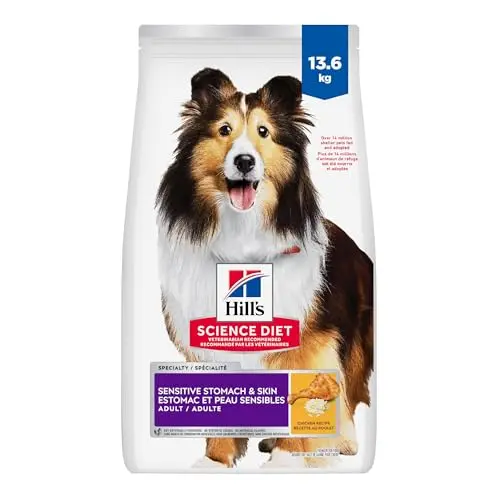
Sensitive Stomach & Skin Chicken Recipe – Gentle Digestion & Skin Support
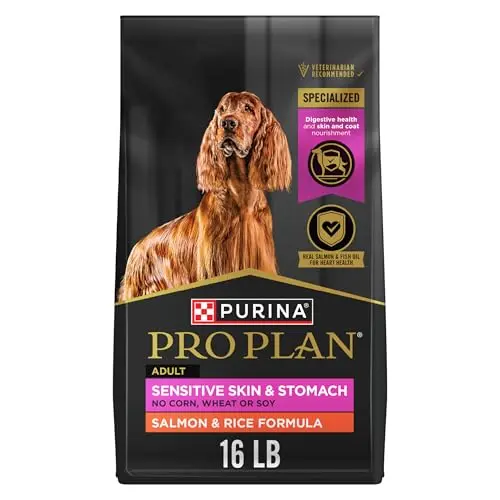
Sensitive Skin & Stomach Salmon & Rice – Omega-Rich Skin Care
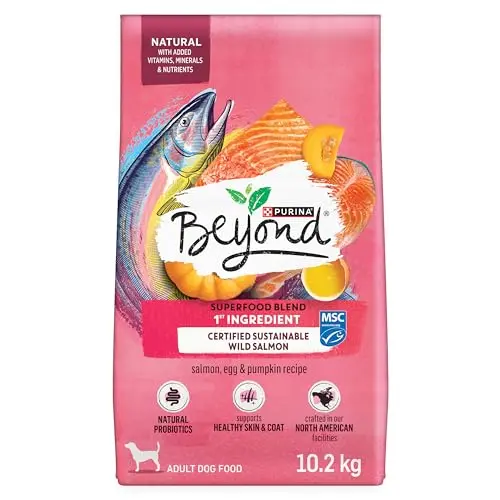
Superfood Blend Salmon, Egg & Pumpkin – Limited Ingredient Diet
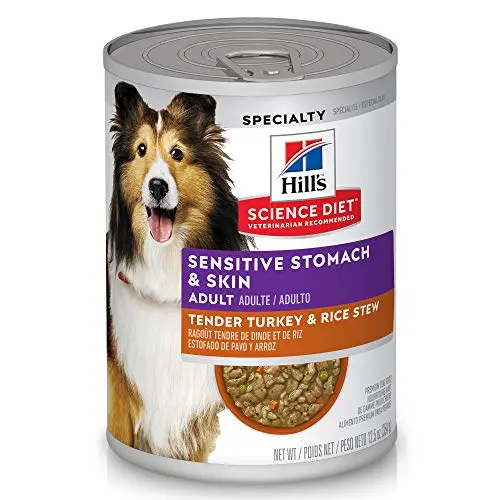
Sensitive Stomach & Skin Turkey & Rice Stew – Wet Food Option
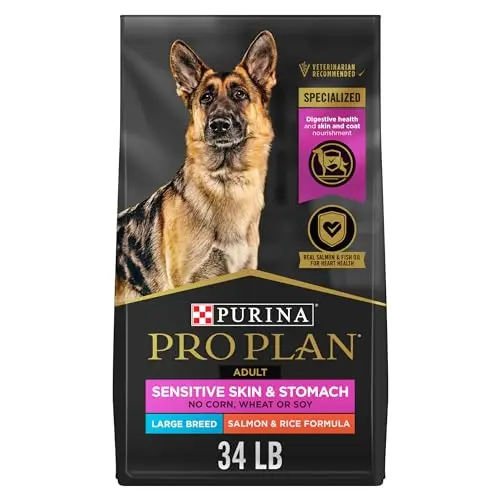
Large Breed Sensitive Skin & Stomach Salmon & Rice – Joint & Skin Support
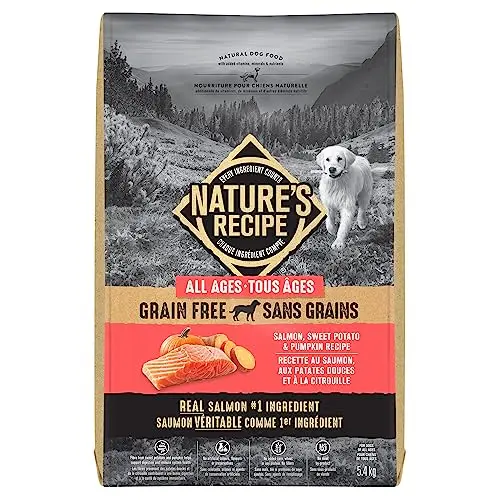
Grain Free Salmon, Sweet Potato & Pumpkin – Clean Protein Diet
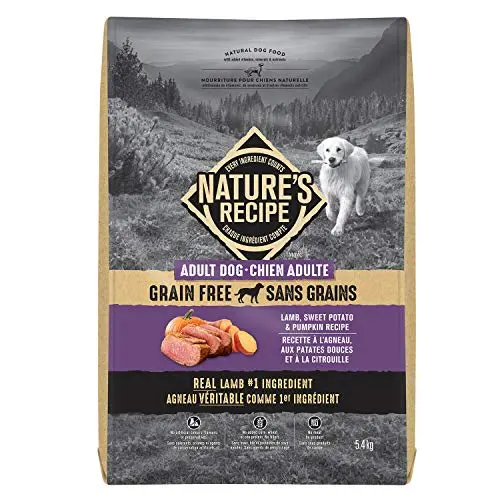
Grain Free Lamb, Sweet Potato & Pumpkin – Allergen-Friendly Meal
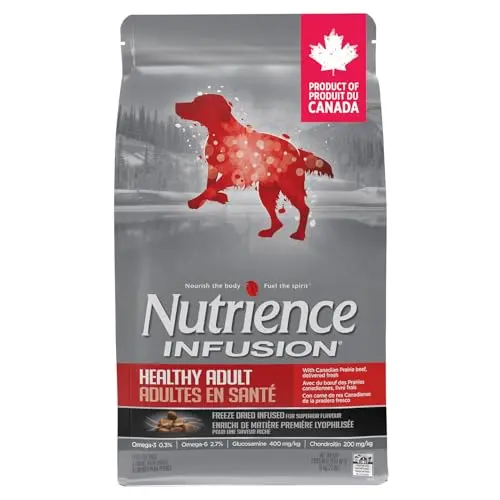
Infusion Healthy Adult – Freeze-Dried Beef for Flavour & Digestion
How We Evaluated These Dog Foods for Allergic Dogs
We didn’t conduct laboratory allergy testing or long-term feeding trials. What we did: cross-referenced 8 dog food formulas from 5 distinct brands across 5 key decision axes – protein source quality, digestive health support, skin and coat nutrients, ingredient transparency, and owner-reported outcomes. We triangulated published specifications, aggregated owner feedback where available, and use-case fit against representative profiles of allergic dogs (itchy skin, gut issues, suspected protein or grain sensitivities).
The scoring framework weighted real-world allergy symptom relief (60%) – how effectively each formula addresses skin and stomach sensitivity – against feature differentiation (40%) – unique advantages like novel proteins, prebiotic blends, or vet recommendations. We have no commercial relationship with any of the brands featured; recommendations track fit and differentiation, not brand preference. If your dog struggles with both skin and stomach issues, the Hill’s Science Diet Sensitive Stomach & Skin is the most well-rounded solution; if you need a budget-friendly limited ingredient diet, the Beyond Superfood Blend delivers serious value.
How to Choose the Right Dog Food for Allergic Dogs
Understanding Food Allergies in Dogs
Food allergies in dogs typically don’t look like human allergies. Instead of sneezing, you’ll see itchy skin, hot spots, ear infections, or chronic diarrhea. The trigger? Usually a specific protein source like chicken or beef, but grains, dairy, and even certain vegetables can be culprits. Identifying the allergen often requires an elimination diet under veterinary guidance. Once you know what to avoid, picking a food becomes much easier. Look for formulas with novel proteins (lamb, salmon, venison) or hydrolysed proteins if prescribed. The goal is to break the inflammation cycle and let your dog’s body heal.
Key Ingredients That Soothe Allergic Reactions
When scanning labels, prioritize omega-3 and omega-6 fatty acids from fish oil, flaxseed, or sunflower oil – they reduce skin inflammation and promote a glossy coat. Prebiotic fibres and probiotics (like chicory root, beet pulp, or fermented products) support gut health, which is closely linked to immune function. Easily digestible carbohydrates such as oatmeal, sweet potato, or rice are gentler on sensitive stomachs than corn or wheat. Also look for added vitamin E and zinc, which bolster the skin barrier. Avoid artificial colours, flavours, and vague by-products that can muddy the ingredient picture.
Limited Ingredient vs. Grain-Free: Which Is Better for Allergic Dogs?
Limited ingredient diets (LIDs) minimize the number of components, making it easier to pinpoint and avoid triggers. They often feature one protein and one carb source. Grain-free formulas eliminate wheat, corn, soy, and other grains, but some swap in legumes or potatoes – which can be problematic for certain dogs. Grain-free isn’t automatically better; many allergic dogs do fine on whole grains like oatmeal or brown rice if they aren’t specifically grain-allergic. The Beyond Superfood Blend, for example, includes oatmeal and pumpkin for gentle fibre without common allergens. In contrast, Nature’s Recipe formulas go grain-free with sweet potato and pumpkin. Choose based on your dog’s specific sensitivities.
Wet vs. Dry Food for Dogs with Food Allergies
Both formats can work, but wet food offers higher moisture content, which helps hydration and can be more palatable for dogs with dental issues or low appetite. It’s also less processed, sometimes making it easier to digest. However, wet food is generally more expensive per calorie and less convenient to store. Dry kibble is cost-effective and promotes dental health through crunching. Many owners find success by mixing a small amount of wet food into dry as a topper – it boosts flavour and moisture without breaking the bank. If your allergic dog is a picky eater, the Hill’s Science Diet wet stew is an excellent option to keep them eating while their skin and stomach heal.
Common Pitfalls When Buying Dog Food for Allergies
Avoid these classic mistakes: Switching foods too quickly – transitions should take 7-10 days to avoid gastrointestinal upset. Ignoring treat ingredients – many allergy-safe diets are undermined by treats containing chicken or grains. Assuming a high price means allergy-safe – some premium brands still use common allergens. Not giving the food enough time – skin and gut improvement can take 8-12 weeks. And skipping veterinary advice – severe allergies may need medicated or hydrolysed protein diets beyond OTC options.
Frequently Asked Questions
Can a grain-free diet help my allergic dog?
It can – if your dog has a confirmed allergy to grains. True grain allergies are less common than protein allergies, but some dogs do react to wheat, corn, or soy. Grain-free formulas replace those with sweet potatoes, peas, or lentils, which can be easier on the stomach for sensitive dogs. However, the FDA has noted a potential link between certain grain-free diets and dilated cardiomyopathy (DCM), so it’s wise to discuss with your vet. Our grain-free picks, like the Nature’s Recipe Salmon & Pumpkin, use sweet potato as the primary carb and avoid legumes linked to DCM concerns.
What's the difference between Hill's Science Diet Sensitive Stomach & Skin and Pro Plan Sensitive Skin & Stomach?
Both are top-tier options, but they take slightly different routes. The Hill’s formula uses chicken as the primary protein and relies on beet pulp prebiotic fiber for gut health. It’s also the #1 vet-recommended brand. Pro Plan’s version uses salmon as the first ingredient and includes chicory root prebiotic fiber and oatmeal. Salmon is a novel protein for many dogs, so it’s often better for those with chicken sensitivities. Pro Plan also adds omega-3s for joint health. If your dog isn’t chicken-sensitive, Hill’s is a proven all-rounder; if you suspect a chicken allergy, try Pro Plan’s salmon recipe.
Is wet food or dry food better for dogs with food allergies?
There’s no one-size-fits-all answer. Wet food is more hydrating and often more aromatic, tempting dogs with low appetite. It also tends to have fewer preservatives and carbs. Dry food is more convenient, affordable, and aids in dental health. For allergic dogs, the ingredient list matters far more than the moisture content. That said, if your dog is particularly itchy, the extra moisture from wet food can support skin hydration. We like using the Hill’s Science Diet Sensitive Stomach & Skin wet stew as a topper on dry kibble for the best of both worlds.
How long does it take to see improvement after switching to an allergy-friendly food?
Patience is key. Digestive improvements – firmer stools, less gas – often show within a few days to a week. Skin and coat improvements can take 6-12 weeks, as the old, inflamed skin needs time to cycle out. During that period, it’s critical to avoid any other potential allergens, including treats and table scraps. If you don’t see any change after 12 weeks, revisit your vet; a hydrolysed protein diet or allergy testing may be needed.
Final Verdict
For most allergic dogs, the Hill’s Science Diet Sensitive Stomach & Skin is the definitive choice – it tackles both digestive and dermal symptoms with a formula that’s earned the trust of Canadian vets. If you’re looking for a more budget-conscious limited ingredient option, the Beyond Superfood Blend offers fantastic value without compromising on salmon quality. Large breed owners should turn to the Pro Plan Large Breed Sensitive Skin & Stomach for joint support on top of allergy relief, and for a grain-free, clean-ingredient stand-by, Nature’s Recipe Grain Free Salmon is a solid everyday option. Whatever you pick, give it time – and watch your dog’s comfort return.