
If your dog is constantly scratching, licking paws, or dealing with recurring ear infections, you know the frustration of trying to pin down the culprit. Food allergies and sensitivities are one of the most common triggers, and switching to a diet formulated for sensitive systems can make a world of difference. But with so many options claiming to help, how do you know which one will actually calm your pup’s itching and upset stomach?
The right allergy-friendly dog food isn’t just about removing grains or chicken-it’s about choosing easily digestible proteins, adding skin-nourishing fats, and supporting gut health with prebiotics and probiotics. We’ve sifted through the market to compare formulas that prioritize these factors, so you can find a food that lets your dog feel comfortable and thrive.
This guide compares top-rated options from Hill’s Science Diet, Purina Pro Plan, Purina ONE, Beyond, Nature’s Recipe, and Nutrience-breaking down what works, what to watch for, and which might be your dog’s new best friend.
Best Dog Food for Allergies – 2026 Reviews
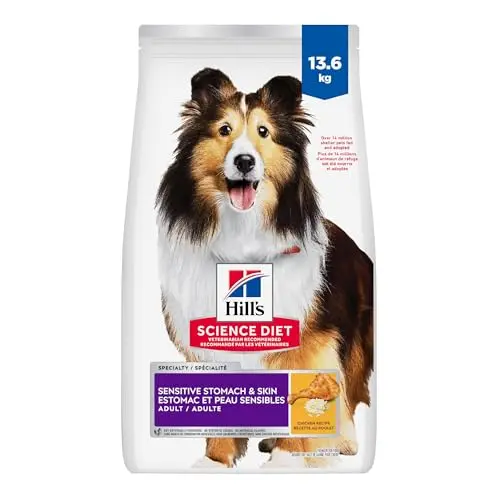
Sensitive Stomach & Skin Chicken Recipe – Prebiotic Digestive Support
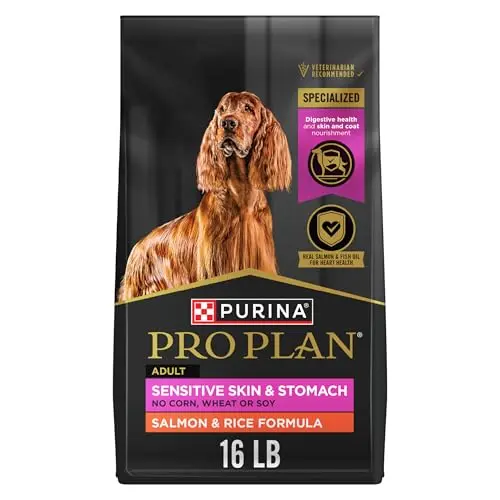
Sensitive Skin & Stomach Salmon & Rice – Omega-Rich Skin Nourishment
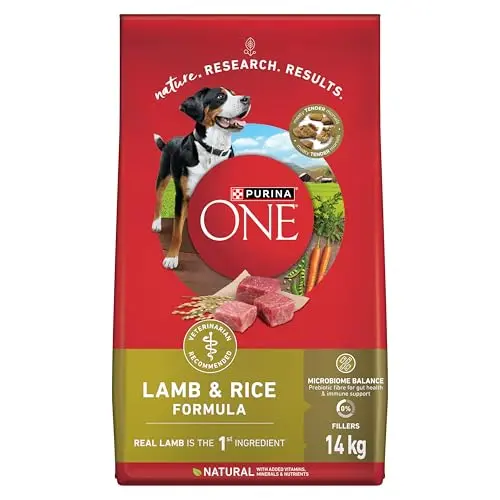
Microbiome Balance Lamb & Rice – Prebiotic Gut Health Support

Superfood Blend Salmon, Egg & Pumpkin – Clean Natural Ingredients
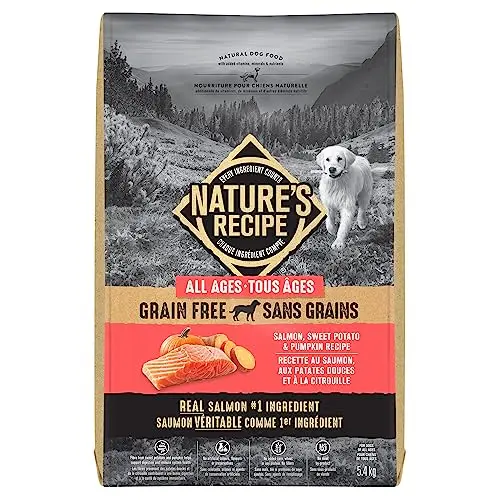
Salmon, Sweet Potato & Pumpkin Grain-Free – Limited Ingredient Diet
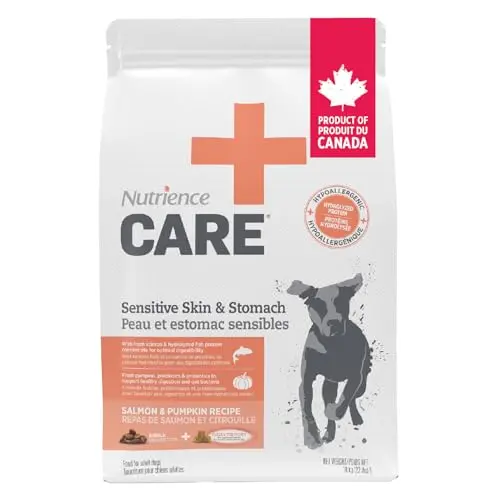
Care Sensitive Skin & Stomach – Fresh Canadian Salmon Recipe
How We Evaluated These Dog Foods for Allergies
We didn’t conduct veterinary-supervised elimination diet trials. What we did: cross-referenced 6 dog food formulas from 6 distinct brands across 5 key decision axes – protein source novelty, grain inclusion, prebiotic and probiotic content, omega fatty acid levels, and ingredient list transparency. We triangulated published ingredient panels, nutritional breakdowns, owner feedback where available, and alignment with allergy-management best practices.
The scoring framework weighted real-world allergy relief potential (60%) – how effectively each formula’s design addresses common canine food sensitivities – against feature differentiation (40%) – unique nutritional advantages like microbiome support or fresh protein sourcing. We have no commercial relationship with any featured brand; recommendations track fitness for allergic dogs, not manufacturer preference. If your dog struggles with chronic skin and stomach issues, the Hill’s Science Diet Sensitive Stomach & Skin is your most reliable all-rounder; if skin symptoms dominate, the Pro Plan Sensitive Skin & Stomach might deliver even faster relief.
How to Choose the Right Dog Food for Allergies
Understanding Dog Food Allergies and Sensitivities
True food allergies in dogs are immune reactions to specific proteins, while sensitivities often cause digestive upset without a full immune response. Common signs include chronic itching, hot spots, ear infections, vomiting, and diarrhoea. The most frequent triggers are proteins like chicken, beef, dairy, and wheat gluten. Identifying the culprit through an elimination diet is the gold standard, but choosing a food with novel or hydrolyzed proteins and limited ingredients can help manage symptoms.
Key Ingredients to Look For (and Avoid) in Allergy-Friendly Dog Food
Prioritize foods with a single, high-quality animal protein like salmon, lamb, or venison. These are less likely to trigger reactions in dogs who’ve become sensitized to common poultry or beef. Look for omega-3 and -6 fatty acids (from fish oil, flaxseed, or sunflower oil) to reduce skin inflammation. Prebiotic fibres like beet pulp or chicory root feed beneficial gut bacteria, which can lower systemic inflammation. Avoid formulas with long lists of fillers, ambiguous meat meals, and artificial colours or flavours.
Grain-Free vs. Grain-Inclusive: What's Best for Allergies?
Grains themselves are rarely the primary allergen; most adverse reactions are to the protein source. However, some dogs do have grain sensitivities, and a grain-free diet like Nature’s Recipe can be helpful. Grain-inclusive options that use easily digestible carbohydrates like oatmeal or rice-such as Pro Plan’s Sensitive Skin & Stomach-are often just as effective and provide beneficial fibre. The decision should hinge on your dog’s specific reaction, not hype.
The Role of Probiotics and Prebiotics in Allergy Management
A healthy gut microbiome can calm the immune overreactions that drive allergies. Foods with added prebiotic fibre (like Hill’s Science Diet) or specific strains of probiotics support this balance. Purina ONE’s Microbiome Balance formula is designed around this concept, using fibres to nourish good bacteria. While not a cure-all, a gut-supportive diet can reduce the severity of skin and digestive symptoms over time.
Protein Sources: Novel Proteins and Common Allergens
If your dog reacts to chicken or beef, switching to a novel protein-one they haven’t consumed before-can provide relief. Salmon is a popular choice and appears in many allergy formulas, but it’s not the only option. Lamb (seen in Purina ONE) and even fish blends offer alternatives. Always check the label: some foods still include hidden chicken fat or meal. Truly limited-ingredient diets minimize this risk.
Hill's Science Diet vs Purina Pro Plan: Which is Better for Allergic Dogs?
These two heavyweights take slightly different approaches. Hill’s leans into veterinary science and prebiotic beet pulp to stabilize digestion, then adds omega-6 for skin. Pro Plan uses salmon as a first ingredient, relying on natural fish oils and oatmeal for anti-inflammatory and soothing effects. If your dog’s primary issue is chronic diarrhoea or vomiting alongside mild itching, Hill’s is often a safer bet. For pronounced skin reactions with fewer digestive complaints, Pro Plan’s omegas and salmon protein frequently yield faster visible results. Both are excellent, so the choice comes down to symptom profile.
Frequently Asked Questions
What's the difference between Hill's Science Diet Sensitive Stomach & Skin and Purina Pro Plan Sensitive Skin & Stomach?
Both are designed for allergic dogs but Hill’s uses prebiotic beet pulp and vitamin E/omega-6 with a chicken protein base, making it ideal for stomach-centric issues. Pro Plan uses salmon, oatmeal, and omega-3/6, which often works faster for skin inflammation. Choose Hill’s if your dog has frequent loose stools or vomiting; pick Pro Plan if itching, redness, or ear infections are the main complaint.
How does Nutrience Care compare to Nature's Recipe for dogs with skin issues?
Nutrience Care includes fresh salmon, coconut oil, and a Digestiboost blend with turmeric-a more comprehensive anti-inflammatory approach. Nature’s Recipe is a simpler grain-free formula with salmon and pumpkin, offering a cleaner ingredient list at a lower cost. If your dog has complex, stubborn skin problems and you’re willing to spend more, Nutrience’s fresh ingredients may give an edge. For a straightforward grain-free maintenance diet, Nature’s Recipe is a solid, budget-friendly choice.
Can a dog be allergic to chicken or beef? What alternatives are in these foods?
Yes, poultry and beef are among the top canine allergens. These foods offer alternatives: salmon is the primary protein in Pro Plan, Beyond, Nature’s Recipe, and Nutrience; lamb is used in Purina ONE Microbiome Balance. Hill’s uses chicken but in a highly digestible form that many sensitive dogs still tolerate. If you suspect a poultry allergy, choose a salmon- or lamb-based formula.
How long does it take to see improvement in my dog's allergies after switching food?
Most owners report initial improvements in stool quality within a few days, while skin issues like itching and redness may take 4-8 weeks to noticeably calm as the old allergens clear the system. Consistency is key-avoid any other treats or table scraps during the transition. If there’s no change after 8 weeks, consult your vet about a strict prescription elimination diet.
Final Verdict
For the majority of dogs with combined skin and stomach allergy symptoms, Hill’s Science Diet Sensitive Stomach & Skin remains the most reliable all-rounder-it’s backed by veterinary science and delivers consistent digestive and coat improvements. If your pup’s allergies show up primarily as skin irritation, Pro Plan Sensitive Skin & Stomach with its salmon and omega punch often provides faster relief. Those wanting a wallet-friendly option with a gut-health angle should try Purina ONE Microbiome Balance. Whichever route you take, remember that patience and a strict diet are your allies in giving your dog the comfortable, itch-free life they deserve.