
Managing a dog with an autoimmune disease means riding a rollercoaster of flare-ups – from skin rashes and ear infections to relentless digestive upset. While medication is often essential, diet can be a powerful ally in calming those overactive immune responses. The right food helps reduce inflammation, supports gut health, and provides novel proteins that minimize allergic triggers.
We surveyed the market’s top dog foods formulated for sensitive stomachs, skin health, and immune support to find options that address the core challenges of autoimmune conditions. Whether your pup needs a complete diet switch or a digestive booster, our roundup covers a range of brands and formats to help you find the right match.
Best Dog Food for Autoimmune Disease – 2026 Reviews
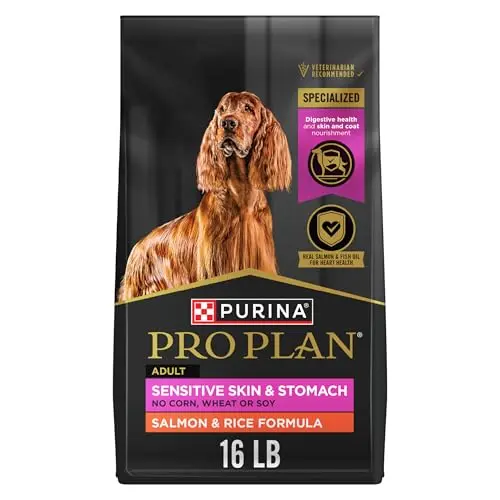
Sensitive Skin & Stomach Salmon & Rice – Omega-Rich Digestive Support
Purina Pro Plan Sensitive Skin & Stomach features real salmon as the first ingredient, making it an excellent choice for dogs with food sensitivities. Its omega-6 and omega-3 fatty acids support skin and coat health, while prebiotic fiber nourishes gut bacteria for optimal digestion. Free from artificial additives, wheat, and soy, this formula is designed to soothe immune-related skin and stomach issues.
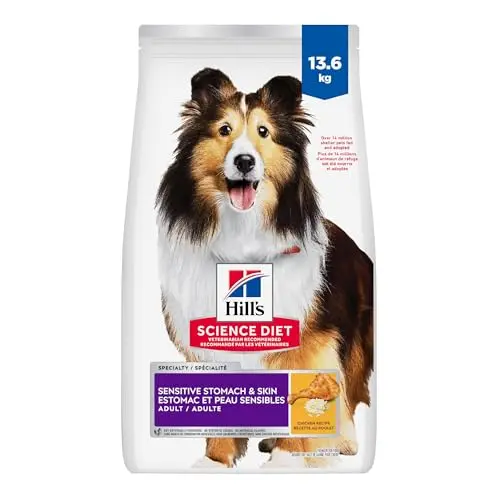
Adult Sensitive Stomach & Skin Chicken Recipe – Gentle Digestion & Coat Care
Hill’s Science Diet Sensitive Stomach & Skin is formulated with highly digestible ingredients and prebiotic fiber from beet pulp to support a healthy gut. It’s enriched with vitamin E and omega-6 fatty acids to nourish skin and coat. As the #1 veterinarian-recommended brand, this chicken-based recipe provides gentle, complete nutrition for dogs prone to digestive upset and skin flare-ups.
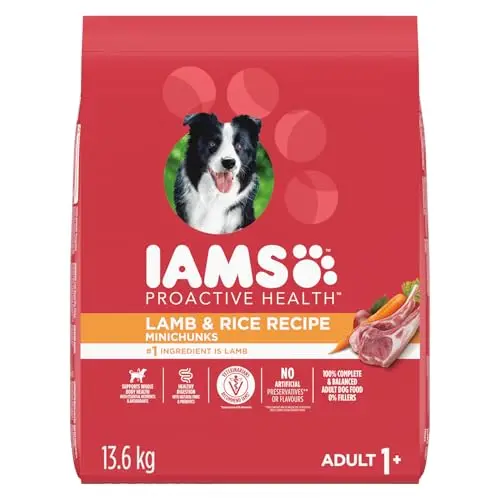
Proactive Health Minichunks Lamb & Rice – Affordable Digestive Care
IAMS Proactive Health Minichunks offers a lamb-based protein that’s gentle on the stomach, plus a prebiotic and fiber blend to promote firm stools. Its crunchy kibble also helps scrape away plaque, supporting dental health. This budget-friendly option delivers complete, balanced nutrition without artificial flavours or preservatives, making it an easy choice for long-term feeding of dogs with autoimmune digestive issues.
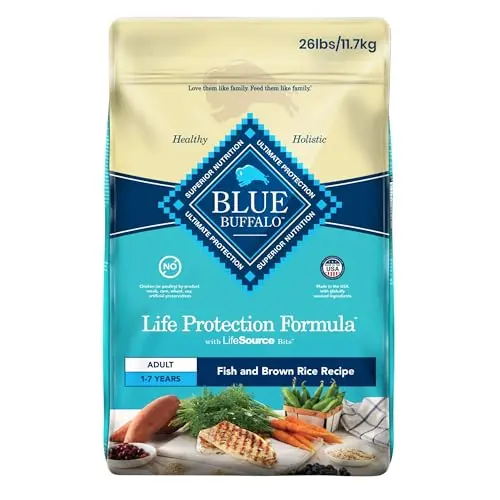
Life Protection Formula Fish & Brown Rice – Omega-Rich Immune Support
Blue Buffalo Life Protection features deboned whitefish as the #1 ingredient, providing omega-3 and omega-6 fatty acids for skin and coat health. It excludes chicken by-products, corn, wheat, and soy, while LifeSource Bits deliver antioxidants and vitamins to support immune function. This recipe is a solid choice for dogs needing a fish-based, limited-ingredient diet to manage autoimmune symptoms.
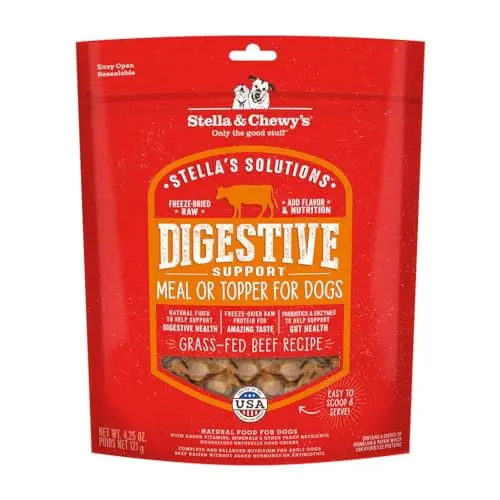
Stella's Solutions Digestive Support Freeze-Dried Raw – Gut Health Meal Topper
Stella & Chewy’s Digestive Support is a freeze-dried raw topper designed to enhance gut health. It combines grass-fed beef with coconut flour for insoluble fiber, pumpkin for soluble fiber, and a probiotic blend with digestive enzymes. While not a standalone meal, this mix-in is ideal for adding a digestive boost to your dog’s regular food, especially during autoimmune flare-ups.
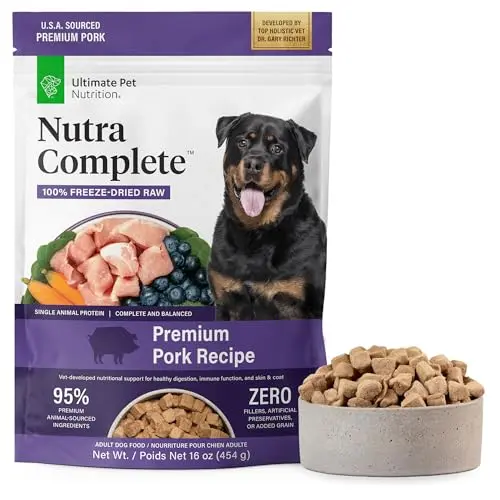
Nutra Complete Freeze-Dried Raw Pork – Digestive & Immune Health Formula
Ultimate Pet Nutrition Nutra Complete is a freeze-dried raw food made from 95% U.S.-sourced pork and organs. It includes a blend of seeds, fruits, and vegetables for added antioxidants and prebiotics, aiming to support digestion and immunity. While it offers the convenience of kibble with the nutritional potential of raw, it’s important to consult your vet before feeding raw to an immunocompromised dog.
How We Evaluated These Dog Foods for Autoimmune Disease
We didn’t run long-term feeding trials or veterinary-supervised elimination diets. What we did: cross-referenced 6 dog food formulas from 6 distinct brands across 5 key decision axes – protein source novelty, digestive support ingredients, omega fatty acid content, inclusion of probiotics/prebiotics, and suitability for immune-compromised dogs. We triangulated published specifications, ingredient lists, and aggregated owner feedback where available to assess real-world fit.
The scoring framework split into 60% real-world performance (how well each food addresses autoimmune-related skin and gut symptoms based on owner reports) and 40% feature differentiation (unique nutritional advantages like novel proteins or added probiotics). We have no commercial relationship with any of the brands featured; recommendations track fit, not brand preference. If your dog needs a complete diet that calms both skin and stomach, the Pro Plan Sensitive Skin & Stomach is our top pick. For a vet-recommended chicken-based alternative, Hill’s Science Diet offers gentle digestion support.
How to Choose the Right Dog Food for Autoimmune Disease
Understanding Autoimmune Disease and Your Dog's Diet
Autoimmune diseases occur when the immune system mistakenly attacks the body’s own cells. In dogs, this often manifests as skin issues (pemphigus, lupus), digestive problems (inflammatory bowel disease), or joint pain (immune-mediated polyarthritis). Diet plays a supportive role by reducing inflammation and providing easily digestible nutrients. While food alone won’t cure the condition, the right formula can minimize flare-ups and improve quality of life. Look for recipes that prioritize gut health through prebiotics and probiotics, as a large portion of the immune system resides in the gut.
Novel Proteins: Why Lamb, Salmon, and Duck Often Work Best
Many autoimmune dogs have food sensitivities or allergies that exacerbate symptoms. Common proteins like chicken and beef are overrepresented in commercial diets and can trigger immune responses. Opting for novel proteins-such as salmon, lamb, duck, or whitefish-can reduce the risk of reactions. In our lineup, the Pro Plan and Blue Buffalo use fish, while IAMS and Stella & Chewy’s offer lamb and beef respectively. If your dog hasn’t been exposed to these proteins before, they may tolerate them better. Always introduce new proteins gradually to monitor for tolerance.
Gut Health: Probiotics, Prebiotics, and Digestive Enzymes
A balanced gut microbiome is critical for dogs with autoimmune conditions. Ingredients like pumpkin, coconut flour, and beet pulp provide fiber that feeds beneficial bacteria, while prebiotics (e.g., fructooligosaccharides) and probiotics directly support digestive health. The Stella & Chewy’s topper excels here with a blend of probiotics and papain enzymes. Hill’s and Pro Plan include prebiotic fiber to promote stool quality. When choosing a food, check for these gut-friendly additions, especially if your dog experiences loose stools or irregular digestion.
Omega Fatty Acids: Essential for Skin and Systemic Inflammation
Omega-3 and omega-6 fatty acids are natural anti-inflammatories. They help soothe irritated skin, reduce joint stiffness, and support the skin barrier. Fish-based foods like the Pro Plan and Blue Buffalo are naturally rich in omega-3s, while Hill’s adds omega-6 from plant sources. For dogs with autoimmune skin conditions, a diet with an optimal ratio of these fats can make a visible difference in coat health and itchiness. Always check the fat sources on the label; ingredients like salmon oil and flaxseed are positive signs.
Wet vs. Dry vs. Raw: What's Safest for an Immunocompromised Dog?
The format matters as much as the ingredients. Dry kibble is convenient, shelf-stable, and often fortified with prebiotics. Raw diets like Ultimate Pet Nutrition and freeze-dried toppers like Stella & Chewy’s can offer high bioavailability of nutrients, but they come with a risk of bacterial contamination (e.g., Salmonella, E. coli). For a dog on immunosuppressants, this risk is heightened. Consult your veterinarian before feeding raw. For most autoimmune dogs, a high-quality dry food or a vet-approved home-cooked diet is the safer route. If you do choose raw, ensure strict hygiene and source from reputable brands with quality control.
Frequently Asked Questions
What's the difference between Purina Pro Plan Sensitive Skin & Stomach and Hill's Science Diet Sensitive Stomach & Skin?
Both are excellent for digestive and skin support, but there are key differences. Purina Pro Plan uses salmon as its primary protein, making it a novel protein source that’s less likely to trigger allergies, while Hill’s relies on chicken, a more common allergen. Pro Plan includes both prebiotic fiber and omega-3 fatty acids from fish oil for joint health, whereas Hill’s emphasizes vitamin E and omega-6 for skin nourishment. In terms of palatability, both are well-loved, but if your dog has a known poultry sensitivity, Pro Plan is the better pick.
How does IAMS Proactive Health Minichunks compare to Blue Buffalo Life Protection for dogs with food sensitivities?
IAMS offers a lamb-based recipe with a focus on digestive health and dental care, while Blue Buffalo provides a fish-based formula with antioxidant-rich LifeSource Bits. Both avoid chicken by-products, but Blue Buffalo goes further by excluding corn, wheat, and soy. IAMS is more budget-friendly and has a proven track record for firming up stools quickly. Blue Buffalo’s omega fatty acid content and immune-boosting bits may give it an edge for dogs with skin issues. Choose IAMS if cost is a priority; choose Blue Buffalo for a robust omega-3 boost.
Can I feed my dog a raw diet if they have an autoimmune condition?
The answer is highly individual and should be determined with your veterinarian. Raw diets pose a contamination risk that may be dangerous for dogs on immunosuppressive therapy. However, some owners of autoimmune dogs report success with freeze-dried raw toppers like Stella & Chewy’s, which undergo a process to reduce pathogens. If you’re considering a full raw diet like Ultimate Pet Nutrition, discuss it with your vet and take precautions such as sourcing from reputable brands and maintaining strict hygiene. Many veterinary professionals recommend sticking with cooked, commercial diets for safety.
Is grain-free food better for dogs with autoimmune disease?
Not necessarily. While some autoimmune dogs may have grain sensitivities, most dogs digest grains like rice and oats without issues. In fact, whole grains can provide soluble fiber that supports gut health. The key is to avoid fillers like corn and wheat that are common allergens. Foods like Pro Plan and Hill’s include digestible carbohydrates like oatmeal and brewers rice. Going grain-free isn’t mandatory unless your dog has a confirmed allergy. Focus on overall ingredient quality and digestibility rather than the grain-free label.
What supplements should I add to my dog's food for autoimmune support?
If you’re feeding a complete and balanced commercial diet, additional supplements may not be necessary, but certain ones can help. Omega-3 fatty acids from fish oil can reduce inflammation. Probiotics and digestive enzymes support gut health, especially during antibiotic courses. Vitamin E and turmeric have antioxidant and anti-inflammatory properties. Always consult your vet before adding supplements, as overdosing can be harmful. For dogs needing a digestive boost, consider a targeted topper like Stella & Chewy’s Digestive Support rather than multiple individual supplements.
Final Verdict
For most dogs with autoimmune disease, the Purina Pro Plan Sensitive Skin & Stomach stands out as the top choice. Its salmon-based recipe delivers a powerful omega-3 boost, while prebiotic fiber and gentle ingredients tackle both skin and gut symptoms. If you’re on a budget, the IAMS Proactive Health Minichunks provides reliable digestive support at a fraction of the cost. For dogs needing an extra gut health boost, adding a topper like Stella & Chewy’s Digestive Support can make a noticeable difference. Remember, every autoimmune journey is unique-always work with your vet to find the perfect diet for your pup.