
Boston Terriers pack a lot of personality into a compact frame-but that adorable squishy face often comes with a sensitive stomach and a tendency for gassiness that can clear a room. The right diet can make a world of difference, smoothing out digestive hiccups and keeping that glossy tuxedo coat in top shape. With so many options on the market, however, picking a food that actually works for your Boston’s unique needs can feel overwhelming.
We’ve cut through the noise by evaluating dry dog foods from five major brands, zeroing in on the factors that matter most for this breed: highly digestible ingredients, protein quality, kibble size appropriate for small jaws, and targeted support for skin, coat, and weight management. This guide is about finding the food that’ll keep your Boston healthy, happy, and a little less stinky.
Best Dog Food for Boston Terriers – 2026 Reviews
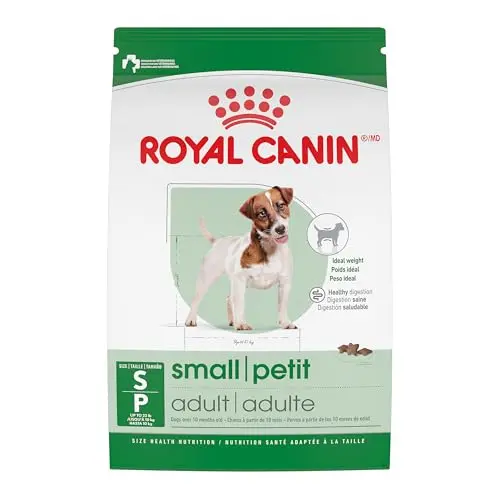
Small Breed Adult – Tailored for Miniature Jaws
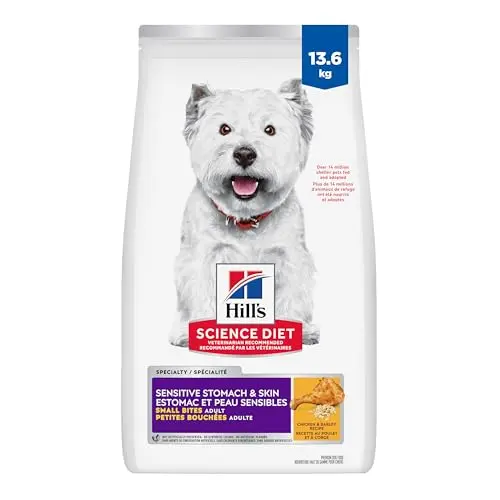
Sensitive Stomach & Skin Small Bites – Gentle on Digestion
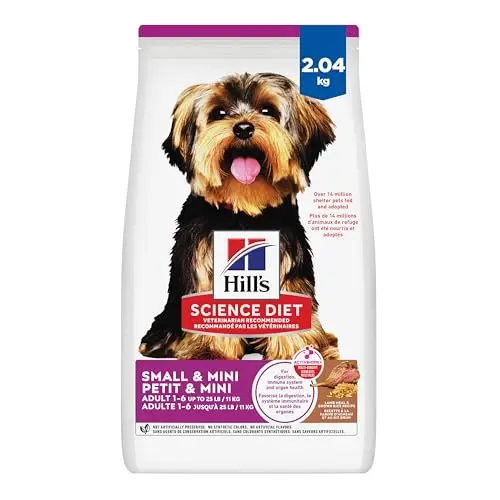
Small & Mini Lamb Meal – Wholesome Small Breed Nutrition
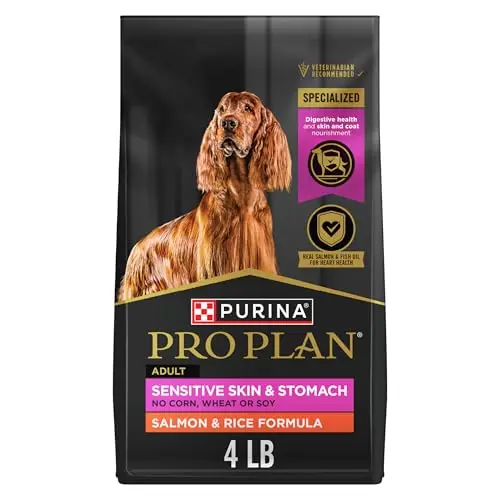
Sensitive Skin & Stomach Salmon – Omega-Rich for Allergy Relief
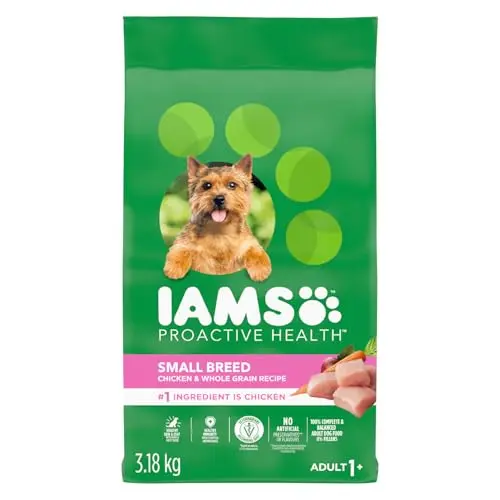
ProActive Health Small Breed – Budget-Friendly Essential Nutrition
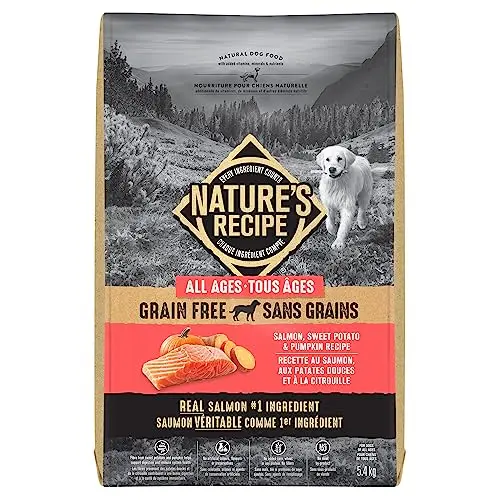
Salmon, Sweet Potato & Pumpkin – Grain-Free Allergy Relief
How We Evaluated These Dog Foods for Boston Terriers
We didn’t run stool sample analysis or long-term feeding trials in our own kitchen. What we did: cross-referenced six dry dog food models from five distinct brands across six decision axes-digestibility and stool quality, protein source and allergen risk, kibble size and mouthfeel suitability for flat-faced dogs, targeted health benefits (skin, coat, weight), ingredient quality and nutritional balance, and real-world owner feedback for the Boston Terrier profile. We triangulated manufacturers’ published specifications, ingredient lists, and aggregated owner experiences where available, benchmarking each product against the specific demands of a small-breed dog with a predisposition to tummy trouble and skin sensitivities.
The scoring framework weighted real-world performance (60%)-how each food has performed for dogs similar to Bostons in actual homes-against feature differentiation (40%)-unique formula advantages like prebiotic content, EPA/DHA levels, and kibble engineering. We have no commercial relationship with any of the brands featured; recommendations track fit and differentiation, not brand preference. If digestive regularity is job one, the Hill’s Sensitive Stomach & Skin Small Bites is the standout; if you’re after a one-diet solution that also manages weight and coat, the Royal Canin Small Breed Adult is your match.
How to Choose the Right Dog Food for Boston Terriers
What to Look for in Dog Food for Boston Terriers
Boston Terriers aren’t just small dogs-they’re a unique blend of brachycephalic (flat-faced), compact, and often allergy-prone. That means the ideal food checks several boxes at once. First, highly digestible ingredients are non-negotiable. A food that produces consistent, firm stools while minimizing gas is worth its weight in air freshener. Look for formulas that explicitly call out digestive support, whether through prebiotics like beet pulp or easily digestible grains like rice and oatmeal.
Second, kibble size matters enormously. The tiny mouths of Bostons can struggle with standard-sized pellets, leading to choking, discomfort, or food refusal. Small-breed specific kibble or ‘small bite” options are strongly preferred. Third, the protein source should be animal-based and clearly identified-chicken, lamb, salmon-with a named meal or whole meat as the first ingredient. Bostons can develop allergies to common proteins, so novel options like fish or lamb may be worth exploring if your dog shows signs of itching or ear infections.
Small Kibble for Small Mouths
Flat-faced dogs like Boston Terriers often have a tougher time physically manipulating food. A kibble that’s too large discourages chewing, encourages air swallowing, and can trigger reverse sneezing or coughing. Conversely, a well-sized, crunchy kibble helps with dental health and forces slower eating. Both the Royal Canin Small Breed and IAMS Small Breed lines engineer their pellets specifically for dogs under 20 pounds, and the Hill’s Sensitive Stomach ‘small bites” achieve the same effect. In practice, these smaller pieces translate directly to more relaxed mealtimes and less post-meal bloat or gas.
Digestive Health: Avoiding the Boston Tummy Troubles
Digestive sensitivity is the number one complaint from Boston Terrier owners. Symptoms range from soft, unformed stools to outright diarrhea and chronic flatulence. The most effective formulas for this breed prioritize gentle, highly digestible fibre sources-think pumpkin, oatmeal, or beet pulp-rather than abrasive forms like cellulose. Prebiotic fibres are particularly valuable because they feed beneficial gut bacteria, creating a more resilient digestive system over time. Hill’s Sensitive Stomach formula leans heavily on this approach, and the Pro Plan Sensitive Skin & Stomach recipe uses oatmeal to achieve a similar effect without added prebiotic fibres. If your Boston is currently struggling, a targeted sensitive-stomach formula is likely to yield quicker improvements than a general small-breed food.
Protein Sources and Allergies
While chicken is the most common protein in dog food, it’s also a frequent allergy trigger. Boston Terriers are no exception, and many owners rotate proteins to avoid developing sensitivities. Lamb-based foods like the Hill’s Small & Mini Lamb Meal recipe offer a palatable alternative that’s still widely tested for digestibility. Fish-based formulas-salmon in particular-bring additional anti-inflammatory benefits thanks to omega-3 fatty acids. The Pro Plan Salmon recipe is a strong pick if you suspect a chicken or beef allergy and want a single-protein approach. Whenever you switch proteins, transition slowly over 7-10 days to minimise digestive upset, and watch for signs of improvement in itching, licking, or ear issues.
Grain-Free vs Grain-Inclusive Diets
The grain-free trend has cooled in recent years due to research linking certain legume-heavy grain-free diets to dilated cardiomyopathy (DCM) in dogs. However, the connection is not fully understood, and many grain-free foods remain safe and appropriate, especially for dogs with documented grain allergies. For most Boston Terriers, a grain-inclusive diet that relies on easily digestible whole grains like brown rice or oatmeal is both safe and nutritionally sound-and tends to be more budget-friendly. Grain-free options like the Nature’s Recipe Salmon recipe rely on sweet potato and pumpkin for carbohydrates. If you opt for grain-free, choose a formula from a reputable brand that’s been on the market for years and doesn’t rely solely on peas or lentils as the main binder.
Royal Canin Small Breed vs Hill's Sensitive Stomach: Which Is Better for Your Boston?
This is the central dilemma for many Boston owners. Royal Canin’s Small Breed Adult formula is a holistic, small-breed-tailored diet that covers digestion, skin, coat, and weight management in one bag. It’s exceptionally convenient and widely available. Hill’s Sensitive Stomach & Skin Small Bites, meanwhile, is a laser-focused digestive formula with prebiotic fibre and small kibble. If your Boston has a calm tummy and you just want well-rounded nutrition, Royal Canin is the smoother on-ramp. But if your dog has an established history of loose stools or gas, Hill’s Sensitive Stomach often resolves those issues faster. The two can even be rotated-using Hill’s for a few months to stabilise digestion, then transitioning to Royal Canin for maintenance-though that’s a more advanced strategy.
The Role of Omega Fatty Acids for Skin and Coat
Boston Terriers have short, fine coats that can easily become dry and flaky, especially in winter or in low-humidity homes. Omega-6 and omega-3 fatty acids are critical for maintaining the skin’s moisture barrier and reducing inflammation-which can directly alleviate scratching and licking. Formulas like Royal Canin Small Breed and Pro Plan Sensitive Skin & Stomach are fortified with these fats; Royal Canin uses EPA and DHA from fish oil, while Pro Plan relies on natural salmon oil. Even if your Boston doesn’t have overt skin issues, a diet rich in these fatty acids contributes to a shiny, healthier-looking coat, which is one of the first things owners notice after a switch.
Frequently Asked Questions
What's the difference between Royal Canin Small Breed and Hill's Science Diet Sensitive Stomach for Boston Terriers?
The Royal Canin Small Breed Adult is a comprehensive, small-breed-focused diet that aims to tackle multiple concerns-weight, skin, coat, and digestion-simultaneously. It uses a proprietary blend of L-carnitine for metabolism and EPA/DHA for coat health. The Hill’s Sensitive Stomach & Skin Small Bites is more narrowly tuned for digestive issues; it packs prebiotic beet pulp fibre and is formulated to be extremely gentle on the stomach. If your Boston has no major tummy troubles, Royal Canin offers broader wellness support. If gas, soft stools, or vomiting are daily battles, the Hill’s formula is likely the better starting point. Both use chicken as the primary protein, so allergen-sensitive dogs may need to look elsewhere.
Hill's Small & Mini Lamb vs Pro Plan Sensitive Skin & Stomach Salmon: which should I pick?
This comes down to protein preference and the primary issue you’re addressing. The Hill’s Small & Mini Lamb Meal is an excellent choice if you suspect a chicken allergy and want a small-breed-specific kibble with the added digestive bonus of pumpkin. It’s a single-protein (lamb) formula that most dogs find very palatable. The Pro Plan Sensitive Skin & Stomach Salmon is a more aggressive anti-inflammatory approach: salmon’s omega-3s directly target skin irritation and hotspots, making it ideal for a Boston that scratches constantly. The Pro Plan also has a prebiotic oat base for digestion, though it’s not as concentrated as the Hill’s. If skin issues are the top concern, go Pro Plan; if it’s more about gentle digestion with a novel protein, the Hill’s Lamb is a safer bet.
Do Boston Terriers need small-breed dog food?
Yes, strongly recommended. While it’s not absolutely mandatory, Boston Terriers typically weigh between 10-25 pounds, placing them squarely in the small-breed category for nutritional purposes. Small-breed formulas have higher metabolic energy density per cup (since small dogs burn calories faster) and feature smaller kibble sizes suited to tiny jaws and mouths. The compact face of a Boston also makes it harder to chew large chunks, so a small-breed or ‘small bites” product reduces choking risk and encourages proper chewing. Nutrients like L-carnitine, often included in small-breed foods, help maintain lean body mass and prevent the obesity that plagues these couch-loving dogs.
Can I feed my Boston Terrier grain-free food?
Yes, but with caution. Grain-free diets can be appropriate for dogs with proven grain allergies, and a formula like Nature’s Recipe Salmon is nutritionally sound and grain-free. However, the FDA has flagged a potential link between certain grain-free foods and canine dilated cardiomyopathy (DCM), particularly those using peas, lentils, or potatoes as primary carbohydrate sources. The research is ongoing and no causal link has been proven, but it’s wise to select a grain-free food with more traditional carb sources (like sweet potato and pumpkin) from an established manufacturer, and to consult your vet. If your Boston doesn’t have a grain sensitivity, a high-quality grain-inclusive diet is generally the safer, more economical choice.
Final Verdict
For the typical Boston Terrier owner, the Royal Canin Small Breed Adult earns our top recommendation because it elegantly addresses the breed’s big three-digestion, skin, and weight-in a single, small-sized kibble. If stomach issues are the loudest complaint, the Hill’s Sensitive Stomach & Skin Small Bites is the specialist that calms things down fast. For budget-conscious households, the IAMS ProActive Health Small Breed proves you don’t have to pay a premium for solid nutrition. Whichever route you take, pairing a breed-appropriate diet with a slow transition will set your Boston up for a happy, healthy life-and fewer regrettable room-clearing moments.