
Chesapeake Bay Retrievers are tough, water-loving companions built for cold swims and long retrieves. That rugged athleticism comes with real nutritional demands – from joint care to a dense, oily coat that sheds water but needs omega support. Feed them like a typical house dog, and you’ll miss what keeps their physique and stamina sharp.
Our roundup focuses on dry dog foods that deliver the protein punch, joint-friendly ingredients, and skin-nourishing fatty acids a Chessie needs. We cross-compared formulas across multiple brands, prioritizing recipes with real meat, glucosamine, chondroitin, and solid digestibility. Whether your dog inhales every meal or picks at his bowl, the picks below address the breed’s common weaknesses without costing a fortune.
Best Dog Food for Chesapeake Bay Retrievers – 2026 Reviews
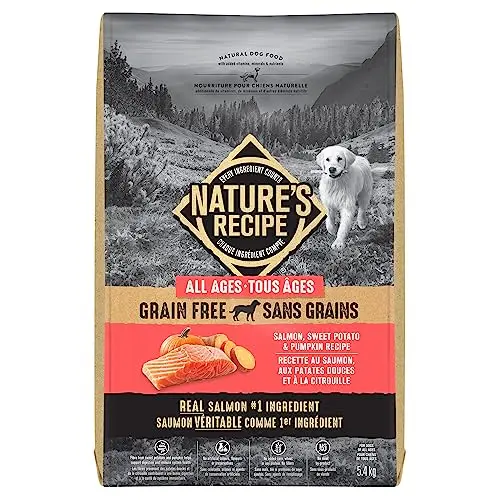
Salmon & Pumpkin Recipe – Omega-Rich for Skin & Coat
A grain-free dry food built around real salmon for strong muscles and a glossy coat. Added sweet potato and pumpkin provide gentle fibre for easy digestion, making it an excellent daily driver for active retrievers.
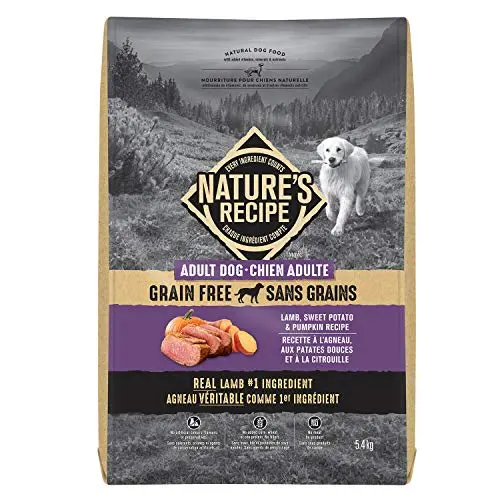
Lamb & Pumpkin Recipe – Joint and Digestive Support
Formulated with real lamb and natural glucosamine sources, this grain-free recipe targets the joint and digestive health that large, active breeds rely on. Pumpkin and sweet potato provide gentle fibre.
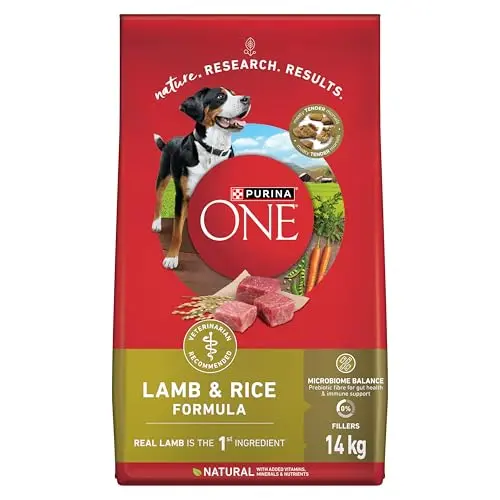
Microbiome Balance Lamb & Rice – Prebiotic Gut Health
A grain-inclusive formula with real lamb and prebiotic fibre to support your dog’s gut microbiome. Designed for easy digestion and strong muscles, it’s a solid choice for sensitive stomachs.
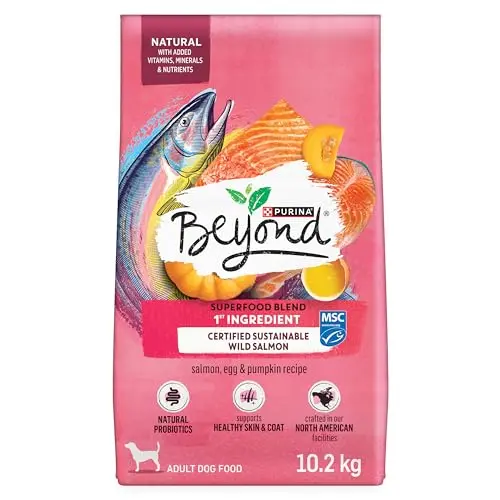
Superfood Blend Salmon & Pumpkin – Limited Ingredient Training Fuel
A natural, limited-ingredient formula featuring wild-caught salmon, egg, and pumpkin. Free from corn, wheat, soy, and poultry by-products, it’s a cleaner option for dogs with sensitivities.
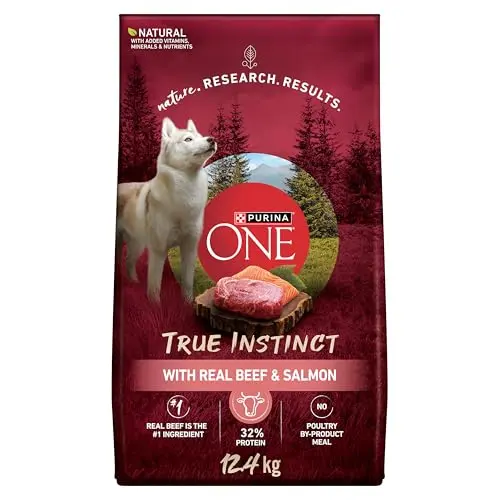
True Instinct Beef & Salmon – High-Protein Active Fuel
A high-protein (32%) blend with real beef and salmon for active dogs. Packed with antioxidants and free from poultry by-products, it’s built to support strong muscles and a healthy heart.
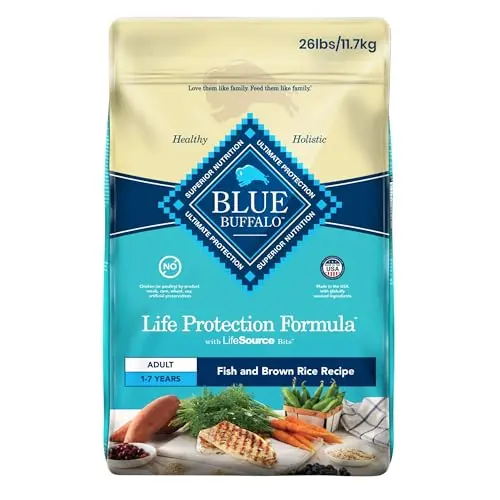
Life Protection Fish & Brown Rice – Immunity-Boosting Daily Nutrition
A fish-first formula with real whitefish, omega fatty acids, and proprietary LifeSource Bits for immune support. No corn, wheat, soy, or poultry by-products.
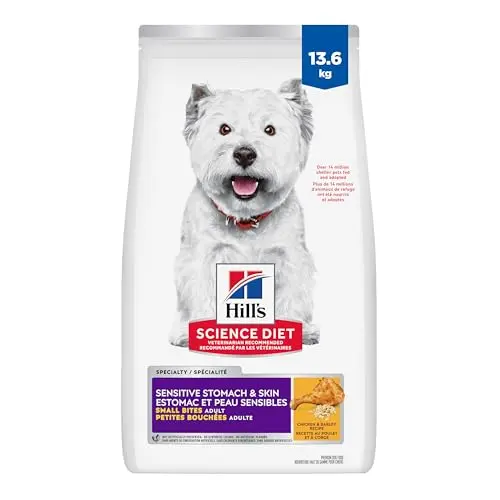
Sensitive Stomach & Skin Small Bites – Gentle Digestion
A veterinarian-recommended, highly digestible formula with prebiotic fibre and small kibble. Designed to soothe stomachs and nourish skin, it’s a go-to for dogs with food sensitivities.
How We Evaluated These Dog Foods for Chesapeake Bay Retrievers
We cross-referenced 7 dry dog foods from 5 distinct brands against the nutritional demands of a Chesapeake Bay Retriever – high activity levels, joint stress, and a coat that needs constant omega hydration. Our 7 decision axes included protein source quality, joint-supporting ingredients like glucosamine and chondroitin, omega-3 and omega-6 fatty acid content, digestibility (fibre and prebiotic presence), kibble size and texture, ingredient transparency, and overall breed suitability.
We didn’t conduct controlled feeding trials or lab coat analyses. What we did: triangulated published specifications, absorbed owner satisfaction signals where the data was available, and benchmarked each food against what a large, active water dog actually needs. Scoring was split 60% real-world breed fit – how well a food addresses the typical Chessie’s weak points – and 40% feature differentiation – unique ingredients or targeted benefits that set a recipe apart. We have no commercial relationship with any of the brands featured; recommendations follow fit, not favouritism. If you’re after a reliable daily feeder that checks the most boxes, the Nature’s Recipe Salmon Recipe is our top pick.
How to Choose the Right Dog Food for Chesapeake Bay Retrievers
What Your Chesapeake Bay Retriever Actually Needs From a Dog Food
Chessies are large, muscular dogs with energy to burn and coats built for icy water. That means a diet rich in high-quality animal protein (aim for at least 25%), plenty of omega-3 fatty acids for that water-resistant sheen, and glucosamine and chondroitin – natural or added – to safeguard joints that take a pounding during retrieves. Look for real meat or fish as the first ingredient; by-product meals and vague protein sources are less ideal for a breed that puts its body through so much.
Ingredients That Matter: Glucosamine, Omega-3s, and Fibre
Joint health is non-negotiable. Recipes that incorporate chicken meal, lamb meal, or added glucosamine help maintain cartilage. For skin and coat, salmon, whitefish, and flaxseed deliver essential fatty acids. And since many Chessies can be gassy or have soft stools, a prebiotic fibre like beet pulp or chicory root supports a balanced gut. Avoid fillers like corn, wheat, and soy when possible – they add bulk without the targeted nutrition these dogs require.
Grain-Free vs. Grain-Inclusive: Does It Matter for Water Dogs?
There’s no one-size answer. Some Chesapeake Bay Retrievers thrive on grain-free formulas that swap grains for sweet potato, peas, or lentils; others do fine with brown rice or oatmeal. If your dog shows signs of food allergies (itchy skin, ear infections, GI upset), a limited-ingredient, grain-free diet is worth trying. But if your dog is active and has no issues, a quality grain-inclusive food often provides more consistent energy and is generally more budget-friendly.
When a Sensitive Stomach Strikes: Choosing a Gentle Formula
Chessies aren’t the most notoriously sensitive breed, but many owners report occasional digestive flare-ups. If your dog has loose stools, gas, or vomiting after meals, a food with highly digestible proteins (like chicken or fish) and prebiotic fibre can make a world of difference. Products labeled for sensitive stomachs often use beet pulp and smaller kibble to ease the digestive load. Consider a slow transition over 7-10 days when switching to give the gut time to adapt.
Kibble Size and Texture for Large Breed Retrievers
Don’t overlook the physical form. Larger, crunch kibble encourages chewing and can help scrape plaque, but some dogs gulp quickly. Smaller bites are easier to eat and can reduce the risk of bloat in deep-chested breeds like the Chesapeake. If your dog eats too fast, a puzzle feeder or slow-feeder bowl combined with the right kibble size can make meals safer and more engaging.
How to Transition Your Chessie to a New Food Safely
Abrupt switches are a leading cause of stomach upset. Mix in the new food gradually: 75% old / 25% new for 2-3 days, then 50/50, then 25/75 over the following days. Watch for stool consistency, energy, and skin condition. If you see persistent loose stools or itching, slow the transition or consider a different formula. A little patience now prevents a lot of clean-up later.
Frequently Asked Questions
What's the best protein source for a Chesapeake Bay Retriever?
Fish – particularly salmon and whitefish – is a top pick for Chessies. These proteins are rich in omega-3 fatty acids that support the breed’s hallmark oily coat and help combat inflammation in joints. That said, lamb, beef, and chicken also work as long as your dog doesn’t show allergies. The best choice is a high-quality animal protein listed first on the ingredient panel; avoid vague terms like ‘meat meal’ when possible.
Is grain-free dog food better for Chesapeake Bay Retrievers?
Not always. Some Chessies with allergies or digestive sensitivity do better on a grain-free diet that uses sweet potato or legumes. However, many active retrievers digest whole grains like brown rice and oatmeal just fine. If your dog has no signs of food intolerance, a high-quality grain-inclusive formula can be more economical and still provide all the energy they need. Watch for itchy skin, ear infections, or chronic loose stools as clues that grains might be an issue.
How do Nature's Recipe Lamb and Purina ONE Microbiome compare for joint health?
Both foods target joints but in slightly different ways. The Nature’s Recipe Lamb recipe explicitly includes natural sources of glucosamine and chondroitin from chicken meal, making it a more direct joint-support choice. Purina ONE Microbiome doesn’t advertise joint additives, but its lamb meal base naturally provides some glucosamine, and the overall protein quality helps maintain muscle support around joints. If joint care is your primary concern, Nature’s Recipe has the edge; if digestive consistency matters more, Purina ONE’s prebiotic formula shines.
What's the difference between Blue Buffalo Fish and Nature's Recipe Salmon for coat health?
Both are fish-first formulas, so they share a omega-rich foundation. Blue Buffalo’s whitefish formula includes LifeSource Bits packed with extra vitamins that support skin and coat from an antioxidant angle. Nature’s Recipe Salmon relies on a simpler ingredient list and avoids grains entirely, which some owners find leads to a shinier coat. If your dog tolerates grains, Blue Buffalo provides a more complex nutritional matrix; if you prefer a grain-free, limited-ingredient approach, Nature’s Recipe is the straightforward pick.
How can I tell if my Chessie has a sensitive stomach?
Look for frequent loose stools, vomiting, excessive gas, or a gurgling belly after meals. Some dogs also show reluctance to eat or become lethargic. If these signs persist, a veterinary check is wise. Once other causes are ruled out, switching to a highly digestible formula with prebiotic fibre – like the Hill’s Science Diet Sensitive Stomach we reviewed – often tightens stools and calms the GI tract within a week or two.
Final Verdict
For most Chesapeake Bay Retrievers, the Nature’s Recipe Salmon Recipe hits the sweet spot: real fish, gentle digestion, and coat-nourishing omegas without fillers. If you’re specifically concerned about joint wear and tear, the Lamb Recipe from Nature’s Recipe delivers built-in glucosamine. For dogs whose stomachs seem perpetually unsettled, Hill’s Science Diet Sensitive Stomach is the gentle reset they need. And if you’re on a tighter budget but still want quality protein, the Beyond Superfood Salmon gives you a lot of that fish-first advantage for less. Feed smart, and your Chessie will keep powering through icy swims for years.