
If your Cocker Spaniel has been scratching incessantly or dealing with loose stools, you know the frustration of navigating food allergies. This breed is particularly prone to dietary sensitivities that show up as itchy skin, ear infections, and digestive turmoil-often traced back to common proteins like chicken or beef. Finding the right food isn’t just about calming symptoms; it’s about identifying a formula that supports long-term health without triggering flare-ups.
The good news: the market now offers a range of allergy-targeted dry foods that leverage novel proteins, prebiotic fibers, and omega fatty acids to tackle both skin and stomach issues. Below, we’ve cross-shopped the major brands to spotlight which recipes actually deliver for allergic spaniels. Whether you need a budget-friendly grain-free pick or a clinical-grade hydrolyzed protein solution, we’ll help you decode the labels and choose wisely.
Best Dog Food for Cocker Spaniel with Allergies – 2026 Reviews
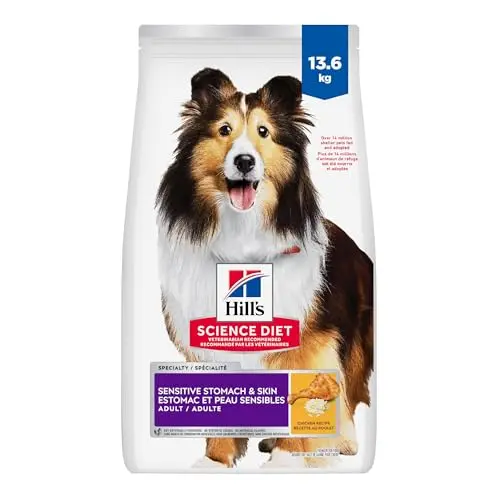
Sensitive Stomach & Skin Chicken Recipe – Gentle Digestion & Skin Relief
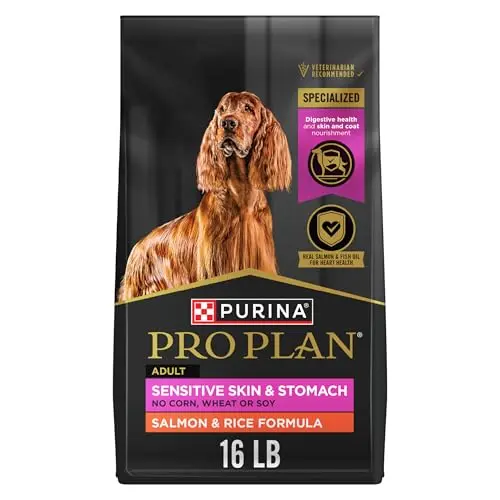
Sensitive Skin & Stomach Salmon & Rice – Allergy Relief & Omega Boost
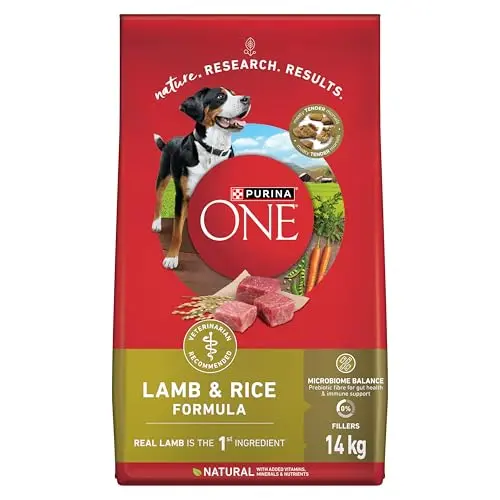
Microbiome Balance Lamb & Rice – Gut Health & Itch Reduction
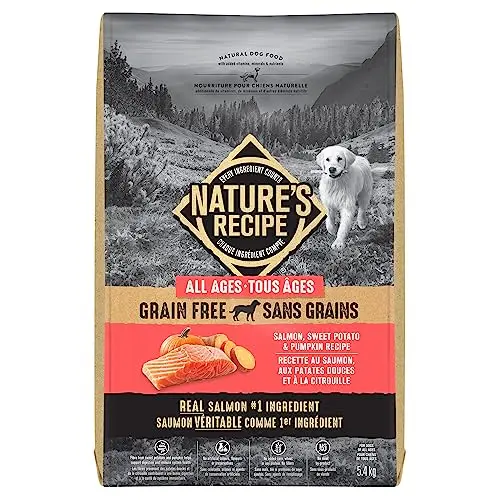
Grain Free Salmon, Sweet Potato & Pumpkin – Budget-Friendly Allergy-Friendly
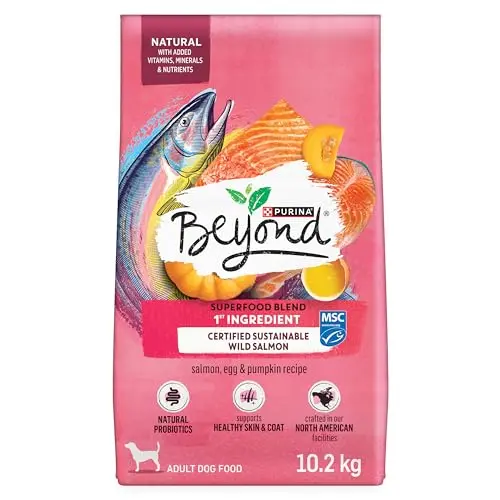
Superfood Blend Salmon, Egg & Pumpkin – Natural Ingredients, Easy Digestion
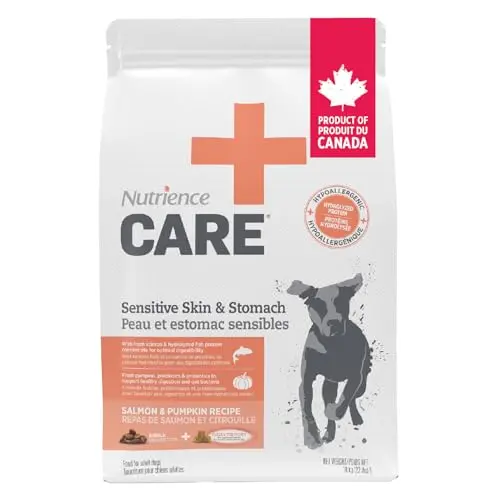
Care Sensitive Skin & Stomach Salmon – Hypoallergenic & Digestive Aid
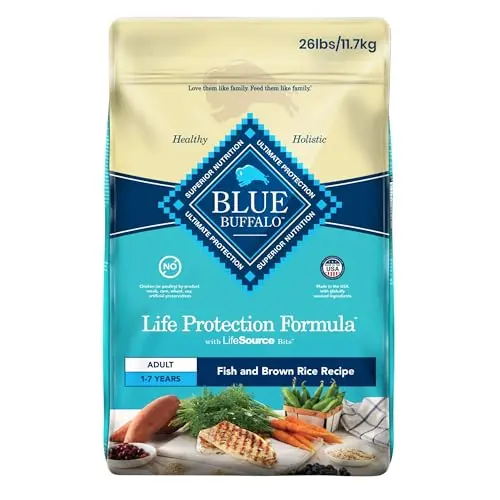
Life Protection Fish & Brown Rice – Limited Ingredient & Omega Support
How We Evaluated These Dog Foods for Cocker Spaniels with Allergies
We didn’t run veterinary allergy trials or months-long feeding studies. What we did: cross-referenced 7 dog foods from 7 distinct brands across 5 decision axes – ingredient quality, protein source novelty, allergy-targeted ingredients (like prebiotics and omega fatty acids), grain-free or limited-ingredient profiles, and owner-reported outcomes where available. We triangulated published specifications, aggregated user feedback, and use-case fit against the known allergy triggers common in Cocker Spaniels – food-related itching, ear infections, and digestive upset.
The scoring framework weighted real-world allergy relief and digestive performance (60%) – how well each formula targets the skin and stomach symptoms that plague allergic spaniels – against feature differentiation (40%) – unique technical advantages like hydrolyzed proteins, novel carbohydrate sources, or proprietary gut-health blends. We have no commercial relationship with any of the brands featured; recommendations track fit and differentiation, not brand preference. If your spaniel can consume chicken, the Hill’s Science Diet is your all-in-one solution; if poultry is off the table, the Pro Plan Sensitive Skin & Stomach pivots effectively to a salmon base.
How to Choose the Right Dog Food for a Cocker Spaniel with Allergies
Understanding Food Allergies in Cocker Spaniels
Cocker Spaniels are one of breeds genetically predisposed to food allergies, which often manifest as itchy skin (especially paws and ears), recurrent ear infections, and gastrointestinal issues like intermittent diarrhea or soft stools. The most common culprits? Chicken, beef, dairy, and wheat top the list. Because symptoms overlap with environmental allergies, a true food allergy can be tricky to pinpoint without an elimination diet trial guided by your vet. That said, choosing a food with a novel protein source – one your dog hasn’t eaten before – and a minimal ingredient list is a smart first step.
Novel Proteins: Lamb, Salmon, and Beyond
When a dog is allergic to a common protein like chicken, switching to a novel protein – lamb, salmon, whitefish, or even hydrolyzed protein – can break the immune response cycle. Lamb-based foods, like the Purina ONE Microbiome Balance, are a frequent starting point. Salmon, found in the Pro Plan Sensitive Skin & Stomach and Nature’s Recipe, brings the added benefit of omega-3 fatty acids that directly calm inflamed skin. For the most stubborn cases, hydrolyzed protein diets (like Nutrience Care) break the protein into particles too small to trigger a reaction – akin to a prescription-level approach in an over-the-counter food.
The Power of Prebiotics and Probiotics for Gut Health
Gut health and skin health are deeply intertwined in dogs – often called the gut-skin axis. Foods rich in prebiotic fibres (beet pulp, chicory root, pumpkin) feed beneficial gut bacteria, while some formulas add probiotics directly. Hill’s Science Diet uses beet pulp prebiotics to firm up stools, while Nutrience Care’s Digestiboost blend layers prebiotics, probiotics, and anti-inflammatory herbs like turmeric and ginger. If your spaniel’s allergies show up as chronic soft stool as much as itchy skin, prioritize formulas that explicitly mention gut microbiome support – they’ll often yield faster improvements in both areas.
Grain-Free and Limited Ingredient Diets: A Double-Edged Sword?
The grain-free trend surged on the belief that grains cause allergies, but in truth, true grain allergies are rare in dogs – animal proteins are far more commonly to blame. Nevertheless, grain-free recipes like Nature’s Recipe and Nutrience Care can be beneficial if they sidestep other potential triggers or if your dog genuinely reacts to specific grains. The FDA’s ongoing investigation into a potential link between grain-free diets and dilated cardiomyopathy (DCM) is something to be aware of, though. A limited-ingredient diet (LID) – which simply uses a short list of recognizable ingredients, often with a single protein – is a safer middle ground. Both Blue Buffalo and Beyond take this approach without eliminating grains entirely.
Hill's Science Diet vs. Pro Plan vs. Purina ONE: Which for Your Spaniel?
These three dominate the sensitive stomach and skin segment, but they differ in approach. Hill’s is the most comprehensive, addressing skin and gut equally with a chicken-based recipe that’s super digestible. Pro Plan leans harder on skin and coat with a salmon-first, omega-heavy formula – the pick if itching is the primary complaint and chicken is suspect. Purina ONE takes a palatability and value angle with lamb and microbiome focus, making it ideal for less severe cases or as a gentle transition food. If cost is no object and you want the surest bet, go Hill’s; if you suspect a poultry allergy, Pro Plan’s salmon recipe is the clearest upgrade.
Frequently Asked Questions
What's the difference between Hill's Science Diet Sensitive Stomach & Skin and Pro Plan Sensitive Skin & Stomach?
Both are top-tier sensitive formulas, but Hill’s uses chicken as its primary protein and focuses equally on digestibility and skin health through prebiotic beet pulp and omega-6s. Pro Plan swaps chicken for salmon, packing a stronger omega-3 punch specifically for skin inflammation, and relies on oatmeal as a gentle carb. For a Cocker Spaniel with suspected chicken allergy or severe dermatitis, Pro Plan is often the better starting point; if the dog can handle chicken and has both stomach and skin issues, Hill’s is the more complete option.
Is lamb-based Purina ONE better than salmon-based recipes for an allergic Cocker Spaniel?
Not necessarily better, but it offers a different protein profile that can help you isolate sensitivities. If your spaniel has never eaten lamb, it acts as a novel protein, potentially bypassing an immune response. Salmon-based foods add anti-inflammatory omega-3s, which directly combat itchiness – a plus if skin issues dominate. Many owners start with lamb to rule out chicken, then switch to salmon if relief is incomplete. The Purina ONE Microbiome Balance is also notably affordable, so it’s a low-risk trial.
Can a Cocker Spaniel with chicken allergies eat Hill's Science Diet?
Unfortunately, no – Hill’s Science Diet Sensitive Stomach & Skin is a chicken-based formula, so it’s not suitable for dogs with a confirmed chicken allergy. If your spaniel’s allergy is to something else (like beef or wheat), Hill’s could still be a fantastic choice thanks to its digestive support and skin-nourishing nutrients. But if chicken is the trigger, you’re better off with a salmon or lamb alternative like Pro Plan or Purina ONE.
Are grain-free diets like Nature's Recipe necessary for dogs with allergies?
For the majority of allergic dogs, grain-free is not required, because animal proteins are far more common allergens than grains. That said, some dogs do react to specific grains (such as wheat), and a grain-free formula eliminates that variable. We recommend trying a limited-ingredient diet with a novel protein first, and only going grain-free if grains are clearly implicated. Keep in mind the FDA DCM investigation; if you choose grain-free, consider alternating with grain-inclusive foods and discuss it with your vet.
How do I switch my dog to a new food without causing stomach upset?
Transition slowly over 7-10 days to give your spaniel’s gut time to adapt. Start with 25% new food, 75% old food for two days, then shift to 50/50 for two days, then 75% new, 25% old for two days, before going fully onto the new diet. During the switch, monitor stool quality and itching intensity. If you see loose stools or increased scratching, slow the transition. Adding a probiotic supplement can also ease the shift. With highly sensitive dogs, a 14-day taper is sometimes prudent.
Final Verdict
For the typical Cocker Spaniel struggling with both itchy skin and digestive upset, the Hill’s Science Diet Sensitive Stomach & Skin is the standout all-rounder. Its balanced approach – prebiotic fiber for the gut plus omega fatty acids for the coat – resolves multiple allergy symptoms in one formula, provided your dog isn’t chicken-reactive. If poultry is the problem, pivot to the Pro Plan Sensitive Skin & Stomach for salmon-powered relief. Budget-conscious households will appreciate the value offered by Nature’s Recipe – a grain-free, salmon-first option that doesn’t cut corners. And for dogs with stubborn, diagnosed allergies that resist simpler foods, the Nutrience Care hydrolyzed formula is a worthy deep-dive. With a structured approach and the right food, your spaniel’s days of relentless scratching can become a distant memory.