
Discovering your dog has a chicken allergy can throw a wrench into mealtime. Suddenly, every ingredient label becomes a puzzle, and finding a complete, balanced food that skips poultry while still delivering quality protein feels like a scavenger hunt. We’ve been there, and after surveying the market, we’ve found solid options that keep chicken off the menu-without sacrificing nutrition or taste.
The key considerations for allergic dogs come down to protein source and ingredient transparency. Limited ingredient diets with novel proteins like salmon or lamb can reduce reactions, while recipes that explicitly avoid chicken meal and by-products give you confidence. This guide compares seven formulas across multiple brands to help you pick the right one for your pup.
Best Dog Food for Dogs Allergic to Chicken – 2026 Reviews
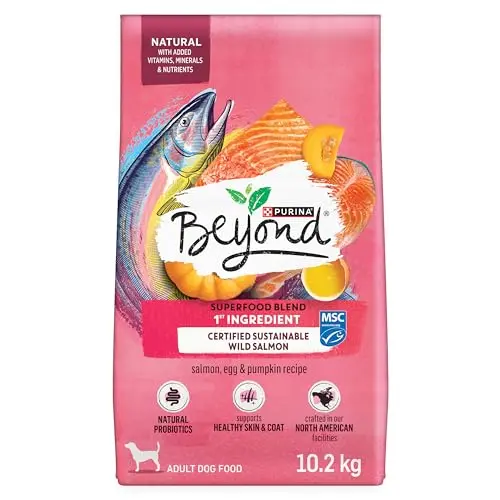
Superfood Blend Wild Caught Salmon – Grain-Free Allergy-Friendly Recipe
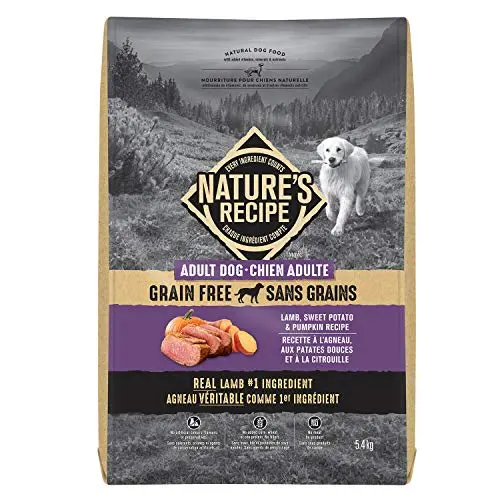
Grain Free Lamb – Limited Ingredient for Sensitive Dogs
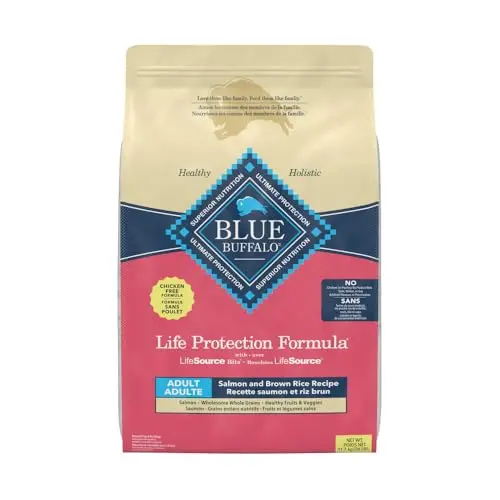
Life Protection Formula Salmon – Chicken-Free Adult Dog Food
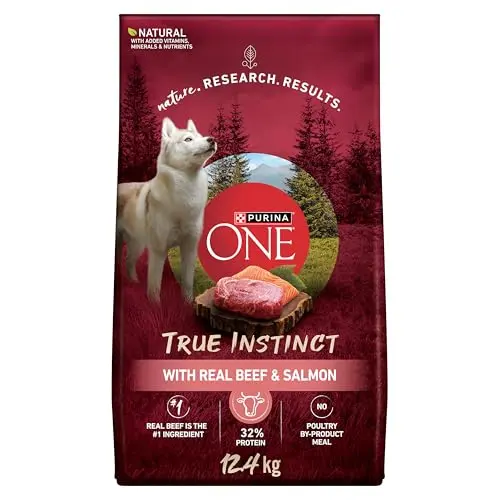
True Instinct Beef & Salmon – High Protein All Life Stages
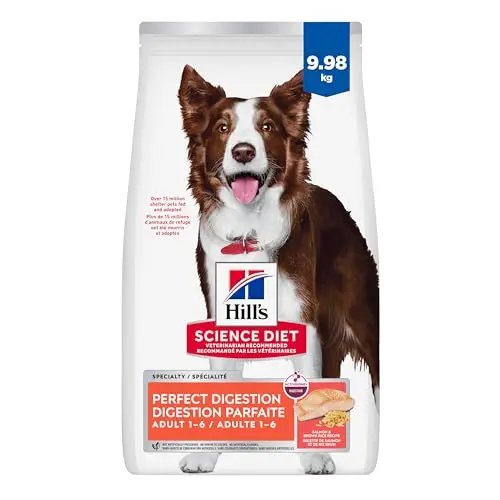
Perfect Digestion Salmon – Digestive Health & Regularity
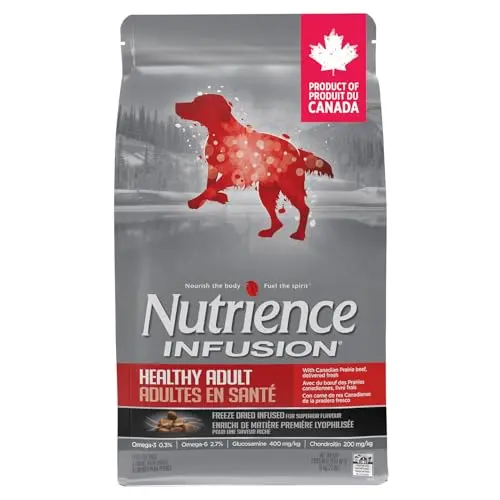
Infusion Beef – Freeze-Dried Raw Infused Kibble
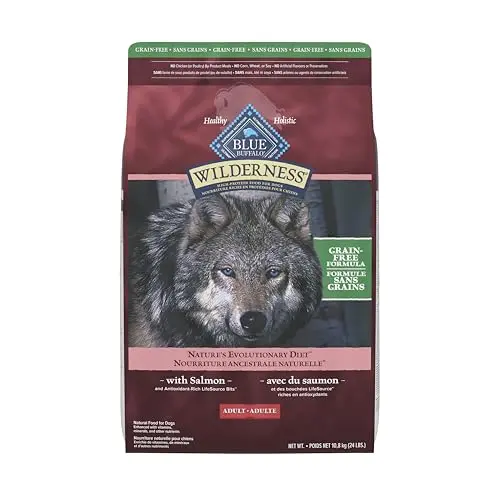
Wilderness Salmon – High Protein Grain-Free
How We Evaluated These Dog Foods for Dogs Allergic to Chicken
We didn’t conduct veterinary-supervised elimination diet trials or allergy skin-prick testing. What we did: cross-referenced 7 dog food formulas from 6 distinct brands across 5 decision axes – protein source, ingredient transparency, digestive support, owner-reported allergy outcomes, and formulation philosophy. We compared ingredient panels to confirm the absence of chicken, chicken meal, chicken fat, and poultry by-products, and examined carbohydrate sources, fat content, and added supplements like prebiotics and omega fatty acids that support overall health during allergy management. Our investigation prioritized transparency in labeling and practical tolerance reported by real owners, not theoretical claims.
The scoring framework weighted real-world allergy suitability (60%) – how well each recipe avoids chicken and minimizes reactions – against feature differentiation (40%) – unique benefits like limited ingredients, digestive aids, or explicit chicken-free guarantees. We have no commercial relationship with any brand featured; recommendations track fit and differentiation, not brand preference. Each product was also evaluated for its value proposition relative to ingredient quality. If your dog’s symptoms are skin-related, the Nature’s Recipe Grain Free Lamb is your match; if digestive regularity is the priority, the Hill’s Perfect Digestion serves you better.
How to Choose the Right Dog Food for Dogs Allergic to Chicken
Understanding Chicken Allergies in Dogs
Chicken allergies in dogs typically show up as itchy skin, ear infections, or gastrointestinal upset like vomiting or diarrhea. These reactions occur when the immune system overreacts to proteins found in chicken meat, meal, or by-products. Diagnosing a food allergy often requires an elimination diet – removing all chicken sources for 8-12 weeks – to see if symptoms improve. If you suspect your dog reacts to chicken, switching to a food that uses a novel protein source like salmon, lamb, or beef is the first step. Keep in mind that cross-contamination in manufacturing can happen, so formulas that avoid shared equipment with poultry are ideal.
Key Ingredients to Look for in Allergy-Friendly Dog Food
Prioritize dog foods with a single, named protein source (e.g., lamb, salmon, or beef) and a short, understandable ingredient list. Avoid any mention of chicken, chicken meal, chicken fat, or generic ‘poultry’ – even natural flavours derived from chicken can be triggers. Look for added digestive aids like prebiotic fibre (from pumpkin or sweet potato) and probiotics, which support gut health and can reduce reactivity. Omega fatty acids from fish oil or flaxseed also help soothe inflammation and promote a healthy coat, a common trouble spot for allergic dogs. Whole grains like brown rice or oats can provide steady energy without common irritants, though some dogs do better on grain-free diets.
Limited Ingredient Diets: Simplifying Your Dog's Food
A limited ingredient diet (LID) strips food down to one protein and one carbohydrate source, plus essential vitamins and minerals. This approach minimizes the variables that could trigger a reaction, making it easier to pinpoint and avoid allergens. Our lineup includes two strong LID options: Nature’s Recipe Grain Free Lamb and, in spirit, the Beyond Superfood Blend (which uses salmon and limited add-ins). When starting an LID, it’s crucial to eliminate all other treats, chews, and table scraps that might contain chicken – otherwise, you won’t get a true test.
Beyond vs. Nature's Recipe: Which Is Better for Chicken Allergies?
Both are top-rated and free of chicken, but they take different paths. The Beyond Superfood Blend uses wild-caught salmon and includes egg and pumpkin, offering a broader nutrient profile that works well for many dogs. The Nature’s Recipe Grain Free Lamb is a true limited ingredient diet with lamb as the sole animal protein, making it more suitable for dogs that have multiple sensitivities or need a strict elimination trial. If your dog’s symptoms are mild, start with Beyond; if they’re severe or involve multiple proteins, go straight to Nature’s Recipe.
Tips for Transitioning to a New Dog Food
Switching foods too quickly can cause digestive upset, even with a high-quality formula. Gradually mix the new food with the old over 7-10 days, starting with 25% new and 75% old, then 50/50, then 75/25, until fully switched. Monitor your dog’s stool consistency and skin during this period – if you see any regression, slow the transition. Always have fresh water available, and consider adding a probiotic supplement to ease the change. The Hill’s Perfect Digestion formula is specifically designed to support this transition with its prebiotic blend, making it a smart choice if your dog has a sensitive stomach alongside allergies.
Frequently Asked Questions
What's the difference between the Beyond Superfood Blend and Nature's Recipe Grain Free Lamb?
The Beyond formula centres on wild-caught salmon and includes grains, while Nature’s Recipe uses lamb as a single protein in a grain-free, limited ingredient format. Beyond may work for dogs with only chicken sensitivities, whereas Nature’s Recipe is better suited for multi-protein allergies or when you need an elimination trial. Both avoid chicken, but the choice hinges on your dog’s specific reactivity and whether they tolerate grains.
Can dogs with chicken allergies eat beef or salmon?
Yes, many dogs allergic to chicken can still enjoy beef, salmon, lamb, or other novel proteins. However, it’s possible for a dog to be allergic to multiple proteins, so introduce new proteins one at a time and watch for reactions. Beef is a common allergen in some dogs, so salmon or lamb might be safer starting points. Always choose recipes that clearly name the protein source and avoid ambiguous ‘meat meal’ or ‘poultry’ terms.
Is grain-free dog food better for dogs with allergies?
Not necessarily. While some dogs with food allergies also have grain sensitivities, true grain allergies are rare. Grains like brown rice and oatmeal can provide healthy fibre and nutrients. For chicken-allergic dogs, the priority is removing chicken, not necessarily going grain-free. However, many chicken-free recipes happen to be grain-free because they target the same sensitive-dog market. If your dog tolerates grains, there’s no need to avoid them; some of the best options, like Hill’s Perfect Digestion, include wholesome grains.
How can I tell if my dog is allergic to chicken?
Common signs include persistent itching, especially around the paws, ears, and belly; recurrent ear infections; red or inflamed skin; and digestive issues like chronic diarrhea or vomiting. The most reliable method is an elimination diet under veterinary guidance: feed a chicken-free, limited ingredient food exclusively for 8-12 weeks and see if symptoms resolve. An elimination diet using a novel protein (e.g., lamb or salmon) is the gold standard for diagnosis.
What should I do if my dog reacts to all the recommended foods?
First, verify that treats, flavoured medications, or table scraps aren’t introducing chicken. If reactions persist, it’s possible your dog has multiple allergies or an environmental allergy. Work with a veterinarian to try a hydrolyzed protein diet – where proteins are broken down into molecules too small to trigger an immune response. These prescription diets, like Hill’s z/d or Royal Canin Ultamino, are specially formulated for severe cases. In the meantime, a limited ingredient diet like Nature’s Recipe Grain Free Lamb is the best over-the-counter starting point.
Final Verdict
For the majority of chicken-allergic dogs, the Beyond Superfood Blend Salmon is the all-around best choice – it’s a well-tolerated, grain-free formula that skips poultry by-products and delivers consistent palatability at a fair value. If your dog’s allergy manifests primarily as skin irritation, the Nature’s Recipe Grain Free Lamb is purpose-built for sensitivity with its single animal protein and limited ingredient panel. For those who want an explicit chicken-free guarantee and immune support, the Blue Buffalo Life Protection Chicken Free removes all guesswork. And when digestive regularity is the biggest concern, the Hill’s Perfect Digestion leads with its science-backed prebiotic formula.